
 Predogled
 Pošlji
 Deli
Deli
 Podrobnosti o delu

 Prenesi
 Podobni izdelki
 Rentgenski posnetek
 Predvajaj diaporama
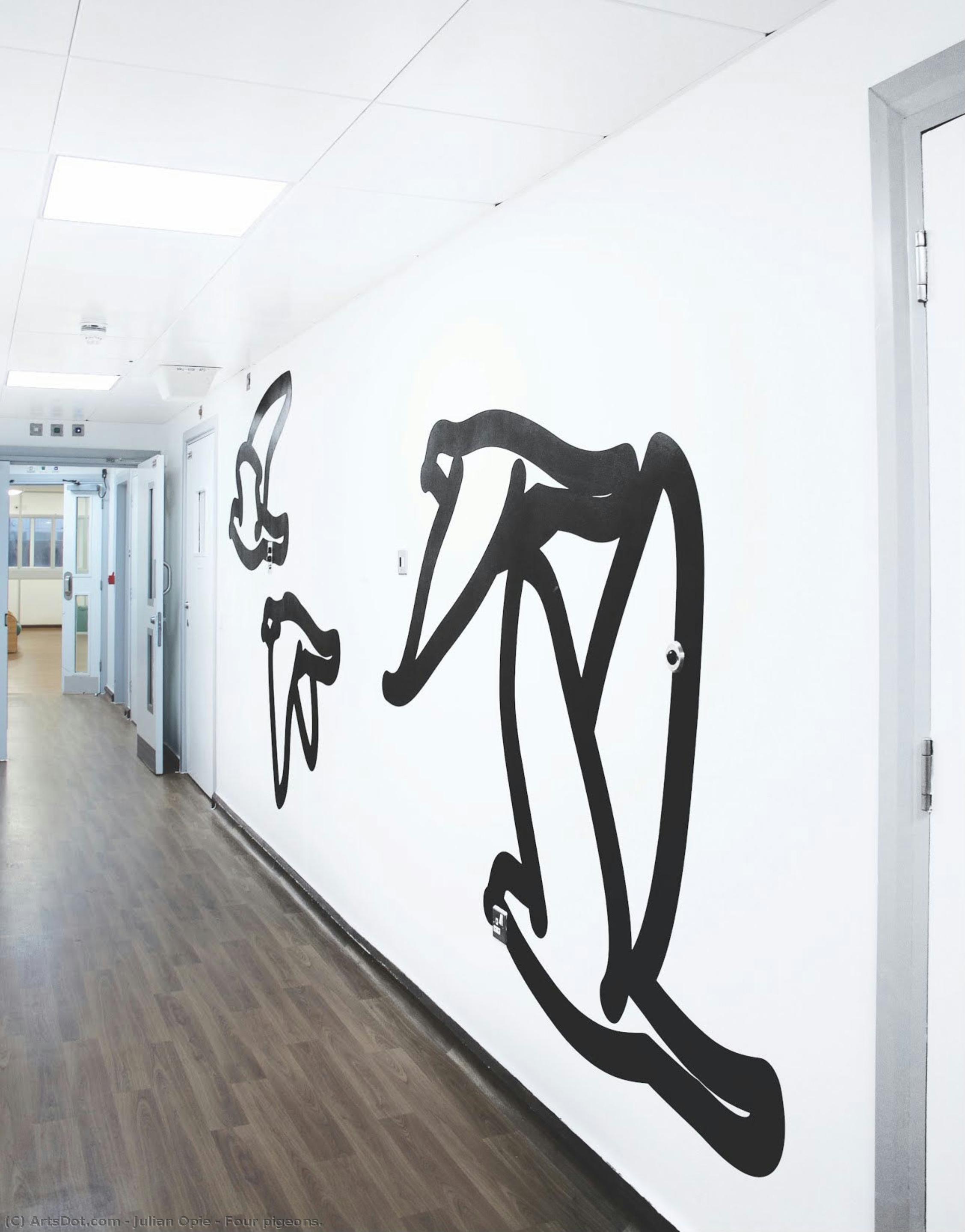
Four pigeons.


 Razviljaj več
Kupite digitalno sliko visoke ločljivosti z izboljšano kakovostjo, ki je precej boljša od spletnega predogleda.
Vsaka datoteka je pod natančnim nadzorom naših strokovnjakov, ki uporabljajo napredna orodja in strokovno ročno obdelavo. Zagotovimo, da ima vsaka slika izjemno jasnost, natančnost barv in fine podrobnosti.
Končna datoteka je po e-pošti dostavljena v 72 urah, optimizirana za takojšnjo uporabo v profesionalnem, uredniškem in tiskarskem okolju. To je kakovost, ki ji zaupajo vrhunska oblikovalna studia, založniki in galerije.
Digitalna slika
Prenesite datoteko visoke ločljivosti za osebno uporabo, tiskanje in kreativne projekte. ( Kupi tisk Kupi ročno naslikano sliko)
Vključeno v vsako naročilo digitalne slike
Zagotovljena strokovna digitalna dostava
Ko izberete OriginalUniqueArt.com, ne prejmete le slike – prejmete digitalno umetniško delo, ki je profesionalno urejeno, izdelano z natančnostostjo in zavestno zagotovljeno z garancijo za zadovoljstvo. Tukaj je vse, kar samodejno prejmete z vašim naročilom:

Hitra dostava prek e-pošte
Vaša digitalna slika visoke ločljivosti bo na vaš e-naslov poslana v roku 72 ur od zaklopa naročila – pripravljena za takojšnjo uporabo.

Digitalna datoteka z umetno inteligenco
Vaše umetniško delo je strokovno optimizirano z uporabo naprednih orodij umetne inteligence in ročne obdelave, kar zagotavlja največjo stopnjo podrobnosti, jasnosti in barvne natančnosti.

Brezplačna ponovna dostava za vse življenje
Ste zaradi nespremietne napake izgubili ali izbrisali svojo datoteko? Ni težav – vam jo bomo ponovno poslali kadar koli in brezplačno.

Brez uvoznih pristojbin – vedno
Uživajte v svojem umetniškem delu takoj, brez carin, davkov ali stroškov dostave – digitalni prenosi so vedno brezdavčni.

Zagotovilo natančnosti barv
Z uporabo profesionalnih orodij in upravljanja barv zagotavljamo, da vaša digitalna slika čim bolj natančno odraža prvotne barve.

60-dnevna garancija zadovoljstva
Če niste zadovoljni s svojo digitalno sliko, jo bomo uredili ali vam v 60 dneh povrnili 100% denarja – brez kakršnih koli vprašanj.

100% Garancija povračila denarja
Niste zadovoljni? Zagovрите popoln povračilo sredstev v 60 dneh po prejemu digitalne datoteke – brez kakršnih koli vprašanj.

Popusti pri večjem številu naročil
Kupite 3 slike, prihranite 10% - Kupite 5 slik, prihranite 15% - Kupite 10+ slik, prihranite 20%. Odlično za kreativne projekte, galerije in agencije.
Biografija umetnika
Keith Haring: A Revolutionary Voice in Pop Art
Born on May 4, 1958, in Reading, Pennsylvania, and raised in the quiet town of Kutztown, Keith Allen Haring’s artistic journey began not with formal training but with an innate drive to draw—a passion nurtured by his father, a keen amateur cartoonist, and fueled by the vibrant imagery of childhood favorites like Dr. Seuss and Walt Disney. This early foundation laid the groundwork for a career that would irrevocably alter the landscape of American art, transforming the streets of New York City into a dynamic gallery and injecting social commentary into the heart of popular culture.
Haring’s formative years were spent navigating the complexities of adolescence and young adulthood. He briefly explored religious pursuits before finding his true calling in the burgeoning alternative art scene of 1970s New York City. Drawn to the energy and experimentation of clubs like Club 57, he connected with a constellation of fellow artists – Kenny Scharf, Jean-Michel Basquiat, and musicians – forging a community that profoundly shaped his artistic vision. This immersion in the underground art world exposed him to influences ranging from the abstract expressionism of Jean Dubuffet and Pierre Alechinsky to the conceptual approaches of William Burroughs and Robert Henri’s manifesto on the primacy of the artist. Crucially, Haring was captivated by Christo's work, particularly *Running Fence*, which demonstrated a commitment to public art and its potential for widespread engagement.
Haring’s breakthrough came unexpectedly in 1980, when he began drawing directly onto the blank black advertising panels adorning subway stations throughout New York City. These spontaneous, energetic chalk drawings—figures dancing, dogs running, and stylized symbols—quickly gained a devoted following among commuters. The anonymity of his street art allowed him to bypass the traditional gatekeepers of the art world, connecting directly with a broad audience. This practice, he described as a “laboratory,” where he could experiment with form, line, and composition without the constraints of gallery expectations.
By 1982, Haring’s work had garnered significant attention, culminating in his first solo exhibition at the Westbeth Painters Space. The following year, he established the Pop Shop, a retail space in Soho that sold T-shirts, posters, and other merchandise featuring his iconic images. This venture was met with mixed reactions from the art establishment, who viewed it as commercial exploitation, but Haring remained steadfast in his belief that art should be accessible to everyone. His work continued to evolve, incorporating political and social themes – anti-crack campaigns, messages of safe sex and AIDS awareness, and critiques of apartheid and homophobia—often employing his signature symbols: the crawling baby, the figure with outstretched arms, and the radiant crown.
Major Works and Artistic Style
Haring’s distinctive style is instantly recognizable. He employed bold black lines on white backgrounds, creating dynamic compositions that combined cartoonish figures with symbolic imagery. His work frequently incorporated elements of graffiti art, reflecting his roots in the New York City subculture. He was particularly adept at using repetition and rhythm to create a sense of movement and energy. Key works include *Crack Is Wack* (1986), a powerful anti-drug message; *Tower* (1987), a complex symbol representing both strength and vulnerability; *Todos Juntos Podemos Parar el SIDA* (1989) and *Tuttomondo* (1989–90), murals advocating for AIDS awareness; and *The Valley* (1989–90), a series of drawings exploring themes of community and connection. His work often blended pop art aesthetics with social activism, making him a significant voice in the 1980s.
Social Activism and Public Engagement
Beyond his artistic creations, Haring was deeply committed to using his platform to raise awareness about critical social issues. His work directly addressed the AIDS epidemic, advocating for safe sex practices and challenging the stigma surrounding the disease. He also spoke out against racism, poverty, and violence, often incorporating these themes into his murals and public art projects. Haring’s commitment extended beyond simply creating artwork; he actively sought to engage with communities, organizing workshops for children and collaborating on public art installations in hospitals, schools, and community centers. This dedication to social responsibility cemented his legacy as an artist who used his talent not only to express himself but also to effect positive change.
Legacy and Recognition
Keith Haring’s untimely death from AIDS-related complications on February 16, 1990, at the age of 31, left a profound void in the art world. However, his work continues to resonate with audiences today, celebrated for its vibrant energy, social commentary, and accessibility. In 2014, he was honored as one of the inaugural honorees in the Rainbow Honor Walk in San Francisco, recognizing his contributions to LGBTQ+ rights. His influence can be seen in countless artists who have followed in his footsteps, demonstrating the enduring power of his innovative style and unwavering commitment to social justice. The Keith Haring Foundation continues his work, supporting arts education programs and organizations dedicated to combating AIDS.
Key Dates & Exhibitions
- May 4, 1958: Born in Reading, Pennsylvania
- 1976: Graduates from high school
- 1978: Moves to New York City and enrolls at the School of Visual Arts
- 1980-1985: Creates subway drawings in New York City
- 1982: First solo exhibition at the Westbeth Painters Space
- 1986: Opens The Pop Shop
- 1989: Creates *Todos Juntos Podemos Parar el SIDA* and *Tuttomondo* murals
- 1997: Whitney Museum retrospective of his art
- 2014: Honored in the Rainbow Honor Walk, San Francisco

julian opie
1958 - , United Kingdom
Ključne informacije
- Artistic Movement Or Style: Pop art, graffiti art
- Artists Or Movements Influenced By This Artist:
- Graffiti art
- Pop Art
- Artists Who Influenced This Artist:
- Jean Dubuffet
- Pierre Alechinsky
- Andy Warhol
- Date Of Birth: May 4, 1958
- Date Of Death: February 16, 1990
- Full Name: Keith Allen Haring
- Nationality: American
- Notable Artworks:
- Crack Is Wack
- Tower
- Untitled Series
- Todos Juntos Podemos Parar el SIDA
- Place Of Birth: Reading, Pennsylvania, USA

