

 Preverite v realnem okolju
 Pošlji kot čestitko
 Deli
Deli
 Podrobnosti
 Priročnik

 Prenesi
 Podobni artefakti
 Rentgenski posnetek
 Predvajaj diaporama
 Statistika
Glass and Water Bottle
 Oil On Canvas
- WallArt
- Cubism
 1917
1917- Modern
 32.0 x 54.0 cm
 Ohara Museum of Art
 Preberi več
Giclée tisk / Umetniški tisk
Giclée ali platnati odtis muzejske kakovosti z hitro proizvodnjo in prilagodljivimi možnostmi končne obdelave. ( Naročite ročno slikano reprodukcijo Preklop na digitalno sliko)




P118B $10

P118H $10

P118W $10

P438Z $10

P508JH $12

P508YH $12

P805H $10

P805Z $10

P919BZ $10

P919G $10

P919XJ $10

P959ZH $10

P968JZ $12

W106C $8

W218G $10

W218JH $8

W218Y $10

W307PJ $10

W316G $10

W316PJ $8

W316Y $10

W398PJ $8

W4111J $10

W500HY $15

W500JH $15

W692G $12

W849H $8

W940BG $15

W953PJ $8




Izberite eno od naših vnaprej določenih velikosti, ki ustrezajo prvotnim proporcijam umetničkega dela.

Svoje dimenzije lahko vnesete sami, da bodo ustrezne za določen okvir ali prostor. Če izbrana velikost ne bo skladna z razmerji izvirne slike, bomo umetniško delo orezali ali podaljšali s pomočjo ogledalnega odraza ali barvno polnega roba. Pred začetkom proizvodnje vam bomo poslali digitalni predogled za potrditev.
Upoštevajte, da predogled na zaslonu ne prikazuje dejanskega orezovanja ali podaljševanja. Le digitalni predogled bo natančno prikazal končno kompozicijo.
Čeprav so na voljo prilagojene velikosti, priporočamo izbiro dimenzije s predhodno določenega seznama, da ohranite prvotna razmerja.
Globalna dostava () v 2 tednih namesto standardnih 4/5 tednov. (27 september)

Brezplačna ekspresna dostava po vsem svetu

Visokokakovostno laneno platno

Popolno zavarovanje pošiljke

Garancija povračila carine in uvoznih davkov

Garancija popolnega barvnega ujemanja

Politika vračila v 100 dneh (le v primeru okvar)

Garancija 100% povračila denarja

Popust pri večjem naročilu
 Možnost stekla je na voljo le za velikosti pod 110 cm

Glass and Water Bottle
Giclée tisk / Umetniški tisk
Velikost reprodukcije
-


Skupna cena
$ 80
A Fragmented Reflection of Modernity
In the quiet intersection of geometry and light, Juan Gris’s 1917 masterpiece, "Glass and Water Bottle," invites the viewer into a world where reality is not merely observed, but meticulously reconstructed. As a cornerstone of Cubist aesthetics, this work transcends the simple depiction of everyday objects to offer a profound meditation on form and space. To gaze upon this canvas is to enter a rhythmic dance of planes and facets, where the boundaries between object and atmosphere dissolve into a singular, cohesive vision. It is an invitation to contemplate the complexities inherent in capturing the essence of our physical world through multiple viewpoints simultaneously, making it a captivating centerpiece for any collection that values intellectual depth and visual intrigue.
The painting serves as a window into the radical reimagining of perspective that defined the early 20th century. Moving away from the traditional illusion of depth, Gris employs a flattened perspective that stacks and overlaps elements, creating a sense of structural rigidity and architectural beauty. The composition, though seemingly abstract, retains a soulful connection to the tangible; through the careful arrangement of angular blocks, one can sense the weight of the glass and the presence of the bottle. For the discerning collector or interior designer, this piece offers a sophisticated balance of intellectual rigor and aesthetic harmony, providing a focal point that stimulates thought while anchoring a room with its disciplined structure.
The Alchemy of Technique and Color
Executed with masterful precision in oil on canvas, the technical execution of "Glass and Water Bottle" is nothing short of extraordinary. Gris utilizes the medium to achieve a delicate balance between texture and luminosity. Visible brushstrokes dance across the surface, lending a physical presence to the work that hints at the artist’s deliberate consideration of materiality. The palette is intentionally restrained—a sophisticated symphony of dark browns, deep blacks, and soft off-whites. This muted scheme does not merely depict objects; it creates an atmosphere of quiet contemplation. The subtle interplay of light and shadow within these geometric shapes provides a sense of volume without relying on traditional shading, allowing the sharp, defined lines to delineate each facet with crystalline clarity.
This mastery of color and form allows the artwork to function beautifully in diverse interior settings. Whether placed in a minimalist modern gallery or a richly textured classical study, the painting’s subdued tones act as a versatile anchor. The lack of a singular, dramatic light source creates an even, diffused glow that feels timeless, ensuring that the piece remains visually engaging regardless of the surrounding environment. It is this very technical excellence—the ability to convey subtle tonal variations through a limited spectrum—that makes a high-quality reproduction of this work such a prestigious addition to a curated space.
A Legacy of Cubist Innovation
To understand the emotional resonance of this piece, one must look back to the vibrant intellectual ferment of Paris during the height of the Cubist movement. While pioneers like Picasso and Braque laid the groundwork for breaking down reality, Juan Gris brought a unique, analytical precision to the genre. His background in engineering is subtly whispered through the mathematical harmony of his compositions. Unlike the more expressive or chaotic interpretations of Cubism, Gris’s work possesses a synthetic elegance—a way of pulling disparate fragments together into a unified, beautiful whole. This sense of "deconstruction and synthesis" is what gives the painting its enduring emotional impact; it represents the human desire to find order within complexity.
Ultimately, "Glass and Water Bottle" is more than a still life; it is a symbol of the modern era's search for truth through structure. The fragmented forms represent an attempt to capture the multifaceted nature of perception, reflecting a world that was rapidly changing and becoming increasingly interconnected. For those seeking to surround themselves with art that embodies both historical significance and timeless beauty, this work stands as a testament to the power of the analytical mind to transform the mundane into the magnificent. Owning a reproduction of such a pivotal moment in art history allows one to bring the spirit of Cubist revolution into the contemporary home.
Biografija umetnika
Španski vizionar kubizma: Življenje in umetnost Juana Grisa
Umetnik, ki se je leta 1887 v Madridu rodil kot José Victoriano González-Pérez, se je odpravil na pot, ki ga je postavila med najpomembnejše zastopnike umetnosti začetka 20. stoletja. Njegova prvotna pot se ni takoj usmerjala v platno in čopič; študiral je inženiring na šoli za umetnost in znanost, s čimer je pokazal analitičen um, ki bo kasneje globoko vplivnal na njegov umetniški pristop. Še v teh oblikovalnih letih se je iskrala kreativna iskra – prispevanje risic v lokalne revije je nakazovalo prihajajoči vizualni talent. Prav leta 1av 1905 je sprejel pseudonim Juan Gris, ime, ki je odmevalo z novim občutkom identitete in smisla, ko je začel formalno študirati slikarstvo pod vodstvom Joséja Moreno Carboneroja. To je označilo ključni preobrat, ki ga je usmeril na pot umetniške inovativnosti.Parizsko prebujanje in objem kubizma
Leta 1906 se je zgodil preobrazben temeljni preselitev v Pariz, mesto, ki je takrat utripalo z umetniško energijo. Gris se je potopil v to živahno okolje in vzpostavil prijateljstva z velikani, kot so Henri Matisse, Georges Braque in Fernand Léger. Sprva se je ukvarjal s satirično ilustracijo za publikacije, kot je L'Assiette au Beurre, pri čemer je izpiloval svoje opazovalne veščine in razvijal prodoren smisel za vizualno duhovitost. Vendar pa se je magnetni privlačnost Pabla Picassa izkazala za posebej vplivno. Okoli leta 1910 se je Gris resneje posvetil slikarstvu, odhajajoč od karikature proti razvijajočemu se jeziku kubizma. To ni bilo zgolj imitiranje; začel je z iskanjem bistva oblike in prostora, v iskanju novega vizualnega reda. Njegova zgodnja raziskovanja so bila zaznamovana z namerno odločitvijo za odstop od tradicionalne predstavitve, saj je sprejel abstrakcijo kot sredstvo za zajemanje globinske strukture realnosti.Dediščina in trajni vpliv
Prispevek Juana Grisa k kubizmu presega zgolj slogovno inovacijo; v gibanje je prinesel edinstično intelektualno globino in strukturno jasnost. Prešel je analitično fazo k bolj organiziranemu in sintetičnemu pristopu, poudarjajoč red in natančnost. Njegovo del je globoko vplival na puristični slog, ki sta ga zastopala Amédée Ozenfant in Charles Edouard Jeanneret (Le Corbusier), s poudarkom na vrnitvi k klasičnim načelom oblike in kompozicije. Grisov poudarek na geometričnih oblikah, harmoničnih barvnih paletah in integraciji vsakdanjih predmetov v njegovo umetnost ga je uveljavil kot ključno figuro v umetnosti 20. stoletja. Njegova dediščina še vedno navdihuje umetnike danes, saj dokazuje trajno moč kubizma in vizionarski genij Juana Grisa – španskega mojstra, ki je preoblikoval naše razumevanje percepcije in predstavitve.
Juan Gris
1887 - 1927 , Španija
Ključne informacije
- Datum Rojstva: 23. marec 1887
- Datum Smrti: 11. maj 1927
- Državljanstvo: Španec
- Kraj Rojstva: Madrid, Španija
- Polno Ime: José Victoriano González-Pérez
- Pomembna Dela:
- Kitara pred morjem
- Poklon Pablu Picassu
- Mlinar
- Portret gospe Josette Gris
- Umetniki Pod Vplivom:
- Purizem
- Amédée Ozenfant
- Le Corbusier
- Umetniški Smer: Kubizem, Sintetični kubizem
- Vplivi Umetnikov:
- Pablo Picasso
- Henri Matisse
- Georges Braque
Sorodni članki

Neo-Abstract Art: The High-Impact Evolution of Modern Visual Energy and Geometric Sophistication
Discover the power of Neo-Abstract art. Explore how bold geometric forms and high-impact visual energy are redefining modern design. Learn to curate sophisticated, high-energy spaces with the latest trends in contemporary abstraction and structural color.

Geometrična Abstraktna Umetnost: 10 Mojstrovin za Vaš Dom | OriginalUniqueArt.com
Odkrijte 10 mojstrovin geometrične abstrakcije! Mondrian, Malevich, Kandinsky in drugi. Zgodbe umetnikov, tehnike ter navdih za vaš dom. Kvalitetne reprodukcije slik na OriginalUniqueArt.com. Raziskajte celotno zbirko online!

Beyond Form & Color: Geometric Abstraction's Evolution in 20th/21st Century Art
Explore the evolution of geometric abstraction from Cubism to contemporary art. Discover key artists like Malevich & Mondrian, investment insights, and expert collecting advice at OriginalUniqueArt.
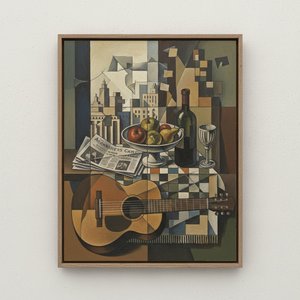
Juan Gris: Cubist Deconstruction & Synthesis – A Comprehensive Exploration
Explore the revolutionary art of Juan Gris – a master of Cubism. Discover his unique approach to deconstruction, vibrant Synthetic Cubist works, and lasting influence on modern art. Expert analysis for collectors.
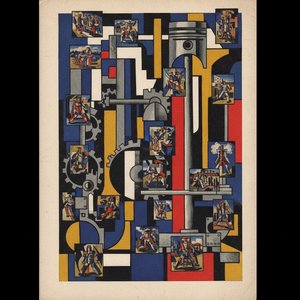
Fernand Léger: 25 Mojstrovin Modernizma za Vaš Dom | OriginalUniqueArt
Odkrijte 25 mojstrovin Fernanda Légerja – pionirja kubizma in tubizma. Raziskajte zgodbe, tehnike in navdih za ikonične slike tega modernističnega umetnika. Kvalitetne reprodukcije slik na OriginalUniqueArt.com.


