
 Predogled v realnem okolju
 Pošlji
 Deli
Deli
 Podrobnosti o delu
 Priročnik

 Prenesi sliko
 Podobni izdelki
 Rentgenski posnetek
 Predvajaj diaporama
 Q&A
Q&A Statistika
Pietà

- 161.0 x 144.0 cm


 Preberi več
Giclée tisk / Umetniški tisk
Giclée ali platnati odtis muzejske kakovosti z hitro proizvodnjo in prilagodljivimi možnostmi končne obdelave. ( Kupite ročno slikano delo Preklop na digitalno sliko)




P118B €10

P118H €10

P118W €10

P438Z €10

P508JH €12

P508YH €12

P805H €10

P805Z €10

P919BZ €10

P919G €10

P919XJ €10

P959ZH €10

P968JZ €12

W106C €8

W218G €10

W218JH €8

W218Y €10

W307PJ €10

W316G €10

W316PJ €8

W316Y €10

W398PJ €8

W4111J €10

W500HY €15

W500JH €15

W692G €12

W849H €8

W940BG €15

W953PJ €8




Izberite eno od naših vnaprej določenih velikosti, ki ustrezajo prvotnim proporcijam umetničkega dela.

Vnesite širino in višino, ki jih potrebujete za svoj okvir ali steno. Tiskanje se lahko le odreže, vendar ga ni mogoče narediti večjega od slike, zato format z drugačno obliko pomeni izgubo dela slike. Pred tiskanjem vam pošljemo digitalni predogled za potrditev. Slika, prikazana na tej strani, ne prikazuje dejanskega izrezka — le predogled to omogoča.
Globalna dostava () v 2 tednih namesto standardnih 4/5 tednov. (1 november)

Brezplačna ekspresna dostava po vsem svetu

Visokokakovostno laneno platno

Popolno zavarovanje pošiljke

Garancija povračila carine in uvoznih davkov

Garancija popolnega barvnega ujemanja

100-dnevna politika vračil (le v primeru okvar)

Garancija 100% povračila denarja

Popust pri večjem naročilu
 Možnost stekla je na voljo le za velikosti pod 110 cm

Pietà
Giclée tisk / Umetniški tisk
Velikost reprodukcije
-


Skupna cena
€ 71
The Heart of Sorrow: An Exploration of Valdés Leal’s Pietà
Juan de Valdés Leal's 1657 “Pietà” is not merely a depiction of grief; it’s an immersion into the profound sorrow and spiritual weight of Christian iconography. Born in Seville during the height of the Spanish Baroque, Leal was deeply influenced by the traditions of theatrical sculpture, particularly the evocative “pasos”—elaborate processions featuring religious figures rendered with intense emotion—a practice common in Spain. This painting transcends simple representation, aiming instead to evoke a visceral response from the viewer, mirroring the agony of Mary Magdalene cradling the lifeless body of Christ.
The subject itself – the Pietà – has resonated through Western art for centuries. It’s a timeless image: the Virgin Mary, serene yet heartbroken, holding her son after his crucifixion. Leal masterfully captures this essence, moving beyond the idealized beauty often associated with depictions of the Madonna. Instead, we see a woman marked by sorrow, her expression a complex blend of grief and acceptance. The composition is deliberately tight, drawing our focus entirely to the central figures – a deliberate choice that intensifies the emotional impact. The diagonal line created by Christ’s body, sloping from left to right, guides the eye through the scene, mirroring the descent into despair.
Baroque Drama: Technique and Composition
Leal's mastery lies in his skillful deployment of Baroque techniques. The painting is dominated by *chiaroscuro*, a dramatic contrast between light and dark that sculpts the figures and imbues the scene with an almost theatrical quality. Light focuses intensely on Mary Magdalene and Christ’s body, casting deep shadows around them – these aren't merely stylistic choices; they symbolize the darkness of sin and suffering. The artist employs impasto—thickly applied paint—to create a richly textured surface, adding depth and physicality to the figures. Brushstrokes are bold and expressive, conveying movement and emotion with every mark.
The flattened perspective, characteristic of Baroque art, prioritizes emotional impact over strict realism. Leal doesn’t strive for photographic accuracy; instead, he uses color and form to create a heightened sense of drama and immediacy. The muted palette—primarily dark browns, reds, and blues—contributes to the somber atmosphere, reinforcing the theme of loss and mourning. The use of strong lines further emphasizes the dynamism of the scene, preventing it from feeling static or lifeless.
Symbolism and Spiritual Resonance
Beyond its visual power, the “Pietà” is rich in symbolism. The image directly references Christian iconography, but Leal imbues it with a distinctly Spanish sensibility. The gruesome details of Christ’s suffering—a hallmark of Spanish religious art—are not presented gratuitously; they serve to heighten the spiritual fervor and underscore the sacrifice made for humanity's salvation. Mary Magdalene’s posture – cradling the body with unwavering devotion – represents faith, loyalty, and acceptance of God’s will.
The scene as a whole speaks to universal themes of grief, loss, and redemption. It invites contemplation on mortality, suffering, and the enduring power of love and compassion. Leal's “Pietà” is more than just a religious painting; it’s a profound meditation on the human condition, rendered with breathtaking skill and emotional intensity.
Vprašanja in odgovori
Na kakšen način je opisan vzdušje v delu "Pietà" avtorja Juan De Valdés Leal?
Splošni vzdug umetninine "Pietà" avtorja Juan De Valdés Leal je Dramatic. Ta vzdug opisuje splošno atmosfero dela.
Koliko je izražen kontrast v delu "Pietà" avtorja Juan De Valdés Leal?
"Pietà" avtorja Juan De Valdés Leal prikazuje Gentle kontrast med svetlim in temnimi cončami.
Katera paleta in katera prevladujoča barva definirata "Pietà"?
"Pietà" avtorja Juan De Valdés Leal uporablja paleto Earthy, kjer prevladuje barva Gray (#938366).
Biografija umetnika
Zgodnje življenje in izobraževanje
Juan de Valdés Leal, priznani španski slikar in graver, se je rodil 4. maja 1622 v Sevilji, Španija. Hitro se je izkazal kot vsestranski umetnik, ki je obvladoval slikanje, kiparstvo in arhitekturo. Že v dvajsetih letih se je učil pri Antoniju del Castillu v Córdobi, kjer je izpopolnjeval svoje spretnosti v obdobju baroka. Ta zgodnja udejstvovanje je postavilo temelje za njegovo kasnejšo umetniško pot in ga usmerilo k raziskovanju dramatičnih in čustvenih tem, ki so postale značilne za njegov slog.Pomembna dela in sodelovanja
Valdés Leal je ustvaril številna pomembna dela, med katerimi izstopajo:- Zgodovina preroka Eliasa za cerkev karmelitov
- Mučeništvo sv. Andreja za cerkev San Francesco v Córdobi
- Zmaga križa za La Caridad v Sevilji.
Osebno življenje in zapuščina
Leta 1647 se je Valdés Leal poročil z Isabelo Carasquillo, ki je bila prav tako slikarica. Par je imel pet otrok, od katerih so se nekateri posvetili umetnosti, med njimi Lucas, Maria in Laura. Valdés Leal je umrl 15. oktobra 1690 v Sevilji in za seboj pustil bogato zapuščino v svetu umetnosti. Njegova dela še danes navdušujejo gledalce s svojo dramatičnostjo, globoko simboliko in tehnično dovršenostjo.Raziskovanje del Valdés Leala na OriginalUniqueArt.com
Za več informacij o delih Valdés Leala obiščite https://OriginalUniqueArt.com/@/juan de valdés leal, kjer boste našli:- 165 del avtorja Juan de Valdés Leal
- Kopije muzejske kakovosti njegovih slik
- Baročni umetnostni slog, značilen za to obdobje Wikipedia: Juan de Valdés Leal
Dodatne informacije na OriginalUniqueArt.com
- Museo de Bellas Artes de Asturias (Španija): raziščite muzejsko zbirko, ki vključuje evropsko umetnost od 12. do zgodnjega 20. stoletja.
- Muzej likovnih umetnosti Seville (Španija): spoznajte zgodovino muzeja, zbirko in informacije o obisku. Doživite svet umetnosti z OriginalUniqueArt.com

Juan De Valdés Leal
1622 - 1690 , Slovenija
Hitri podatki
- Datum Rojstva: 4. maj 1622
- Datum Smrti: 15. oktober 1690
- Državljanstvo: Španec
- Kraj Rojstva: Sevilla, Španija
- Polno Ime: Juan de Nisa Valdés Leal
- Pomembna Dela:
- Zgodovina proroka Eliasa
- Mučeništvo sv. Andreja
- Triumf križa
- Umetniki Pod Vplivom: ['Bartolomé Murillo']
- Umetniški Smer: Barokno slikarstvo
- Vplivi Umetnikov: ['Antonio del Castillo']
Sorodni članki

Baročna Drama: Uvedba Velikosti in Čustvenosti v Sodobne Interierje
Odkrijte veličino baročne umetnosti! Nasveti za integracijo dramatičnosti in čustvenosti v vaš dom. Kvalitetne reprodukcije, naročila po meri pri OriginalUniqueArt.com – strokovno posvetovanje in vrhunska kakovost.

About Us
Discover our story! We bring world-class art into your life through expert curation, personalized creations, and free previews. Trusted by individuals and businesses since 2000.
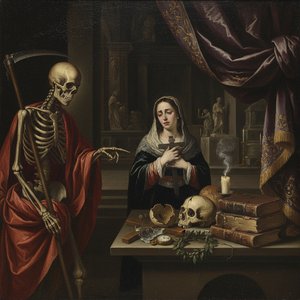
Juan de Valdés Leal: Baroque Realism, Memento Mori & Theatricality of Spanish Grief
Explore the powerful Baroque realism of Juan de Valdés Leal (1622-1690). Discover his somber masterpieces, iconic 'In Ictu Oculi', and profound explorations of mortality. Museum-quality reproductions available at OriginalUniqueArt.

Francisco Goya: 25 Mojstrovin Španskega Slikarja za Vaš Dom | OriginalUniqueArt
Odkrijte 25 mojstrovin Francisca Goye – od portretov do Črne serije. Preberite zgodbe za vsako sliko, tehnike in navdih. Kvalitetne reprodukcije slik za vaš dom na OriginalUniqueArt.com! Raziskajte celotno zbirko online.

The Dramatic Flourish: Exploring the Baroque Movement's Enduring Legacy in Art History
Explore the dramatic world of Baroque art! Discover iconic artists like Caravaggio & Rubens, defining techniques, and its lasting impact on art history. Expert insights for collectors & enthusiasts at OriginalUniqueArt.