

 Preverite v realnem okolju
 Pošlji kot čestitko
 Deli
Deli
 Podrobnosti
 Priročnik

 Prenesi
 Podobni artefakti
 Rentgenski posnetek
 Predvajaj diaporama
 Statistika
COMBAT DU SIG.1ER DECEMBRE 1835
 Preberi več
Ročno izdelana oljna reprodukcija
Ročno slikano olje na platnu v vaši izbiri velikosti in okvirja, izdelano po naročilu naših umetnikov. ( Preklop na tiskanine Preklop na digitalno sliko)




































Izberite eno od naših vnaprej določenih velikosti, ki ustrezajo prvotnim proporcijam umetničkega dela.

Svoje dimenzije lahko vnesete tako, da se prilagodite določenemu okvirju ali prostoru. Če izbrana velikost ne ustreza razmerjem originalne slike, bomo umetniško delo obrezali ali sliko dopolnili z dodatnimi ročno naslikanimi elementi. Pred začetkom proizvodnje vam bo poslan digitalni osnutek v odobritev.
Upoštevajte, da predogled na zaslonu ne odraža dejanskega obrezovanja ali podaljšanja. Le osnutek bo natančno prikazal končno kompozicijo.
Čeprav so na voljo velikosti po meri, priporočamo izbiro dimenzije s preddefiniranega seznama, da ohranimo originalne razmere.
Po oddaji naročila bo ekipa OriginalUniqueArt.com stranki po e-pošti poslala navodila in predogled digitalnega predogleda.
Mednarodna dostava () v 3/4 tednih namesto običajnih 5 tednov. (25 september). Brez kompromisov pri kakovosti.

Brezplačna ekspresna dostava po vsem svetu

Visokokakovostno laneno platno

Popolno zavarovanje pošiljke

Garancija povračila carine in uvoznih davkov

Garancija popolnega barvnega ujemanja

Politika vračila v 100 dneh (le v primeru okvar)

Garancija 100% povračila denarja

Popust pri večjem naročilu
 Možnost stekla je na voljo le za velikosti pod 110 cm

COMBAT DU SIG.1ER DECEMBRE 1835
Tehnika reprodukcije
Velikost reprodukcije
-


Skupna cena
$ 425
Biografija umetnika
Joseph Beaume (1796–1885): A Master of Dramatic History
Joseph Beaume (1796–1885) stands as a significant figure in French Neoclassical painting, particularly renowned for his monumental historical canvases that powerfully conveyed emotion and grandeur. Born in Paris, Beaume’s artistic journey unfolded against the backdrop of Napoleon III's reign, shaping his oeuvre with themes of patriotism, familial devotion, and poignant depictions of human suffering—subjects favored by Antoine-Jean Gros, whose influence can be discerned in Beaume’s stylistic choices.- Early Life & Training: Little is known about Beaume’s formative years beyond confirmation that he studied under Jacques-Louis David, the celebrated sculptor and painter who championed Neoclassical ideals. This tutelage instilled in him a meticulous attention to detail and an unwavering commitment to classical principles of composition and execution.
- Salon Career & Artistic Style: Beaume achieved considerable acclaim during his lifetime through participation in the Parisian Salon exhibitions—a cornerstone of artistic discourse for decades. His canvases consistently showcased dramatic narratives, often centered on biblical or mythological subjects rendered with meticulous realism and bathed in atmospheric light. He skillfully employed chiaroscuro techniques to heighten emotional impact, mirroring Gros’s approach and elevating Beaume's works beyond mere visual representation.
Notable Works & Recurring Themes
Beaume’s artistic output is characterized by a preoccupation with emotionally charged scenes—particularly those depicting familial grief and devotion. “Les Derniers Moments du Grand Père” (1864), arguably his most celebrated painting, captures the heartbreaking farewell between a father and son as the patriarch succumbs to illness. The canvas exemplifies Beaume’s mastery of tonal gradation and anatomical accuracy, conveying profound pathos with understated elegance. Similarly, "Henri III À Son Lit De Mort" portrays King Henry III's final days, capturing the solemn dignity of death alongside palpable sorrow—a testament to Beaume’s ability to distill complex emotions into visual form.- “Les Derniers Moments du Grand Père” – Demonstrates masterful tonal rendering and anatomical precision, conveying deep emotional resonance.
- “Henri III À Son Lit De Mort” – Exemplifies regal solemnity alongside palpable grief, showcasing Beaume’s ability to capture psychological depth.
Influence & Legacy
Beaume's artistic sensibilities align closely with those of Gros, whose dramatic depictions of Napoleonic battles established a precedent for monumental historical painting. Like Gros, Beaume prioritized conveying moral and emotional truths over mere visual spectacle—a distinction that cemented his place within the broader canon of 19th-century art history. Although Beaume’s output remained relatively modest compared to some contemporaries, his paintings continue to resonate with viewers today due to their unwavering commitment to realism and their profound exploration of human experience. His works are housed in institutions like St Joseph Chapel in Hungary and Brodsky House Museum in Russia, ensuring that his artistic legacy persists across geographical boundaries.Further Exploration
For a deeper understanding of Beaume’s artistic contributions, consider examining “Joseph Highmore: Moral Tales & Domestic Genre in 18th-Century British Art” which explores the broader context of Rococo painting and its impact on European art movements. Also, delve into "Joseph Henry Sharp: Capturing the Spirit of the Plains – Life, Art & Legacy" to appreciate Beaume’s influence on American landscape painting and his engagement with themes of identity and cultural representation.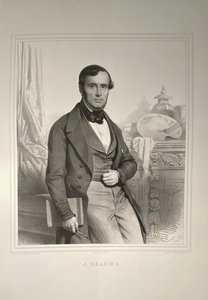
joseph beaume
1796 - 1885
Ključne informacije
- Artistic Movement Or Style: Neoclassical
- Artists Or Movements Influenced By This Artist: ['Romanticism']
- Artists Who Influenced This Artist: ['Antoine-Jean Gros']
- Date Of Death: 1885
- Full Name: Joseph Beaume
- Nationality: French
- Notable Artworks:
- Les Derniers Moments du grand père
- HENRI III A SON LIT DE MORT
- Place Of Birth: France