
 Predogled
 Pošlji
 Deli
Deli
 Podrobnosti o delu

 Prenesi
 Podobni izdelki
 Rentgenski posnetek
 Predvajaj diaporama
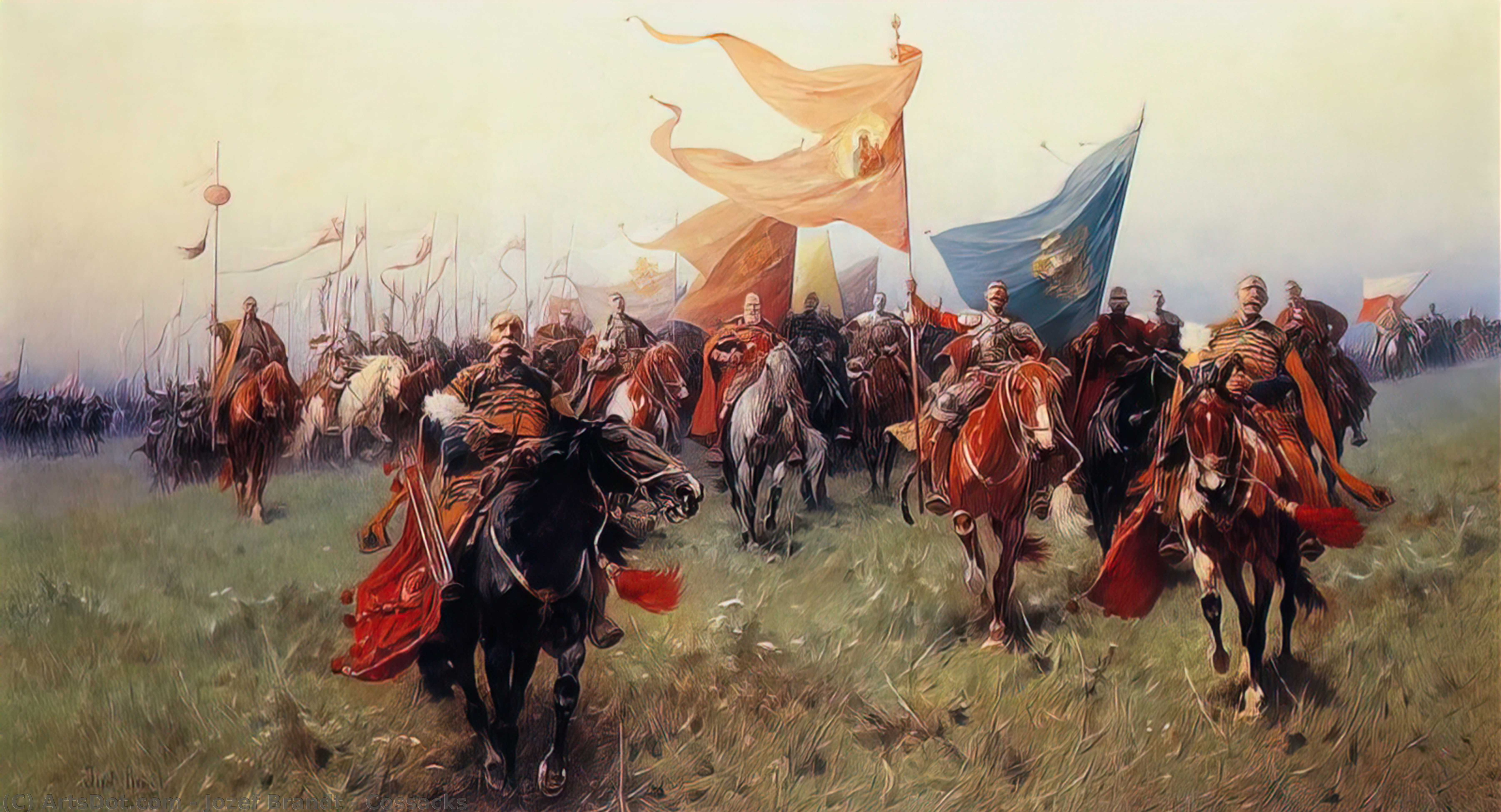
Cossacks
 Razviljaj več
Ročno izdelana oljna reprodukcija
Ročno slikano olje na platnu v vaši izbiri velikosti in okvirja, izdelano po naročilu naših umetnikov. ( Switch to Print Preklop na sliko)




































Izberite eno od naših vnaprej določenih velikosti, ki ustrezajo prvotnim proporcijam umetničkega dela.

Svoje dimenzije lahko vnesete tako, da se prilagodite določenemu okvirju ali prostoru. Če izbrana velikost ne ustreza razmerjem originalne slike, bomo umetniško delo obrezali ali sliko dopolnili z dodatnimi ročno naslikanimi elementi. Pred začetkom proizvodnje vam bo poslan digitalni osnutek v odobritev.
Upoštevajte, da predogled na zaslonu ne odraža dejanskega obrezovanja ali podaljšanja. Le osnutek bo natančno prikazal končno kompozicijo.
Čeprav so na voljo velikosti po meri, priporočamo izbiro dimenzije s preddefiniranega seznama, da ohranimo originalne razmere.
Po oddaji naročila bo ekipa OriginalUniqueArt.com stranki po e-pošti poslala navodila in predogled digitalnega predogleda.
Svetska dostava () za 3/4 nedelje umesto uobičajenih 5 nedelja. (2 avgust). Bez kompromisa po pitanju kvaliteta.

Brezplačna ekspresna dostava po vsem svetu

Visokokakovostno laneno platno

Popolno zavarovanje pošiljke

Garancija povračila carine in uvoznih davkov

Garancija popolnega ujemanja barv

60-dnevna politika vračanja (le v primeru napak)

Garancija 100% povračila denarja

Popust pri večjem naročilu
 Možnost stekla je na voljo le za velikosti pod 110 cm

Cossacks
Tehnika reprodukcije
Velikost reprodukcije
-


Skupna končna cena
$ 300
Biografija umetnika
A Life Immersed in Polish Valor: The World of Józef von Brandt
Józef von Brandt, born in the small Polish town of Szczebrzeszyn in 1841 and passing away in Radom in 1915, was more than just a painter; he was a chronicler of a nation’s spirit. His canvases breathe with the drama of 17th-century battles, the vibrant energy of Cossack life, and an unwavering dedication to Polish history and cultural identity. Brandt's artistic journey began not in the studio but in the classrooms of Warsaw’s school of J.N. Leszczynski and the Noblemen's Institute, a path seemingly destined for engineering when he moved to Paris in 1858 to study at the Ecole centrale. However, fate – or perhaps a keen eye for talent – intervened in the form of Juliusz Kossak, who recognized Brandt’s true calling and steered him away from blueprints towards brushes and pigments. This pivotal moment redirected his life toward an artistic pursuit that would immortalize Poland's past.From Munich to Mastery: The Shaping of a Historical Painter
The move to Munich in 1863 proved transformative. Under the tutelage of Franz Adam and Karl Piloty at the Academy of Fine Arts, Brandt honed his skills, absorbing techniques that would become hallmarks of his style. He wasn’t merely learning to paint; he was learning to narrate history visually. The influence of Theodor Horschelt, a specialist in battle scenes who had accompanied the Russian army, further refined his understanding of military life and composition. By 1867, Brandt established his own studio, becoming a central figure within the thriving Polish artistic community in Munich – a haven for artists displaced by political turmoil. He quickly became a mentor to many aspiring Polish painters, fostering a sense of national pride through art. His early works, while conventional, laid the foundation for the dramatic and emotionally charged scenes that would define his career.The Essence of 17th-Century Poland: Themes and Techniques
Brandt’s paintings are not simply depictions of battles; they are immersive experiences. He focused intently on the military life of the 17th century, a period steeped in Polish glory and conflict. However, he didn't limit himself to warfare. Scenes of Polish peasant life also found their way onto his canvases, offering glimpses into the everyday existence that underpinned the nation’s heroic narratives. His most celebrated works center around the *hussars*, those iconic winged cavalrymen, and the fierce Cossack warriors, rendered with meticulous detail in their elaborate uniforms and dynamic poses. Brandt possessed an exceptional ability to capture movement and energy, bringing a sense of immediacy to his large-scale compositions. He masterfully combined realism with symbolic depth, using color, light, and shadow to evoke emotion and convey historical significance. While adhering to academic standards through studio work, he also undertook field studies in Poland and Ukraine, ensuring the authenticity of his landscapes and figures.Notable Works and Lasting Legacy
Several paintings stand as testaments to Brandt’s artistic prowess. “Battle of Vienna” is a sweeping panorama of conflict, capturing the intensity and chaos of this pivotal historical moment. "Jan Karol Chodkiewicz during the Battle of Khotyn" exemplifies his skill in portraying individual heroism within a larger military context. And “Polish Hussar,” perhaps his most iconic work, embodies the spirit of Polish valor and national pride. These paintings, along with others like “Zaporozhian Camp” and "Call to Arms", are not merely historical records; they are powerful statements about identity, courage, and resilience. Today, Brandt’s works grace the walls of prestigious institutions such as the National Museum in Warsaw and the Museum Pomorskie in Danzig (Gdansk), serving as enduring reminders of Poland's rich cultural heritage. His legacy extends beyond museums, with reproductions available through platforms like OriginalUniqueArt.com and OriginalUniqueArt.com, allowing a wider audience to experience the grandeur and emotional depth of his masterpieces. He remains a pivotal figure in Polish art history, celebrated for his ability to transform historical events into captivating visual narratives that continue to resonate with audiences today.
josef von brandt
1841 - 1915

