Text size

() ·

A painting made for you, by hand

Incubation

Ročno izdelana oljna reprodukcija

Ročno slikano olje na platnu v vaši izbiri velikosti in okvirja, izdelano po naročilu naših umetnikov. ( Preklop na tiskanine Preklop na digitalno sliko)

Opis zbirateljskega predmeta

Biografija umetnika

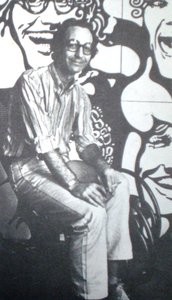
Jorge de la Vega (1930-1971) je bil argentinski slikar in avtor gibanja Nueva Figuración. Njegova dela v stilu Pop Art so kritično obravnavala družbo, potrošništvo in človekove anksioznosti z jedkim humorjem.

from ·

Chapter 1

How large should it be?

Slide to change the size; the picture on the left shows the frame at its real width. The proportions of the original are kept.

Standardna velikost
po meri
CM
INCH

Izberite eno od naših vnaprej določenih velikosti, ki ustrezajo prvotnim proporcijam umetničkega dela.

širina
višina

Vnesite širino in višino, ki jih potrebujete, da se slika prilega vašemu okviru ali steni. Ker je delo ročno slikano, lahko umetnik pri različnih oblikih slik pri robovih doda malo več barve ali pa jih malo odreže — izberite sami. Pred začetkom slikanja vam pošljemo digitalni predogled za potrditev. Slika, prikazana na tej strani, ni končni rezultat — le predogled prikazuje dejansko podobo.

Chapter 2

How should it arrive?

Choose the edges of the stretched canvas

Choose your frame

Corner sample of the WhiteWrap canvas edge finish, stretched on masivno drevo bars
White €1
Corner sample of the BlurSideWrap canvas edge finish, stretched on masivno drevo bars
Blurside €1
Corner sample of the ExtendedWrap canvas edge finish, stretched on masivno drevo bars
Extended €1
Corner sample of the P118B picture frame: izoblit polistiren, 5 cm wide and 3 cm thick
P118B €10
Corner sample of the P118H picture frame: izoblit polistiren, 5 cm wide and 3 cm thick
P118H €10
Corner sample of the P118W picture frame: izoblit polistiren, 5 cm wide and 3 cm thick
P118W €10
Corner sample of the P438Z picture frame: izoblit polistiren, 5.5 cm wide and 3.5 cm thick
P438Z €10
Corner sample of the P508JH picture frame: izoblit polistiren, 7 cm wide and 3.5 cm thick
P508JH €12
Corner sample of the P508YH picture frame: izoblit polistiren, 7 cm wide and 3.5 cm thick
P508YH €12
Corner sample of the P805H picture frame: izoblit polistiren, 5 cm wide and 3.5 cm thick
P805H €10
Corner sample of the P805Z picture frame: izoblit polistiren, 5 cm wide and 3.5 cm thick
P805Z €10
Corner sample of the P919BZ picture frame: izoblit polistiren, 7 cm wide and 3.5 cm thick
P919BZ €10
Corner sample of the P919G picture frame: izoblit polistiren, 7 cm wide and 3.5 cm thick
P919G €10
Corner sample of the P919XJ picture frame: izoblit polistiren, 7 cm wide and 3.5 cm thick
P919XJ €10
Corner sample of the P959ZH picture frame: izoblit polistiren, 5 cm wide and 3 cm thick
P959ZH €10
Corner sample of the P968JZ picture frame: izoblit polistiren, 6 cm wide and 4 cm thick
P968JZ €12
Corner sample of the W106C picture frame: masivno drevo, 5 cm wide and 3 cm thick
W106C €8
Corner sample of the W218G picture frame: masivno drevo, 5 cm wide and 3 cm thick
W218G €10
Corner sample of the W218JH picture frame: masivno drevo, 5 cm wide and 3 cm thick
W218JH €8
Corner sample of the W218Y picture frame: masivno drevo, 5 cm wide and 3 cm thick
W218Y €10
Corner sample of the W307PJ picture frame: masivno drevo, 6 cm wide and 3 cm thick
W307PJ €10
Corner sample of the W316G picture frame: masivno drevo, 6 cm wide and 3 cm thick
W316G €10
Corner sample of the W316PJ picture frame: masivno drevo, 6 cm wide and 3 cm thick
W316PJ €8
Corner sample of the W316Y picture frame: masivno drevo, 6 cm wide and 3 cm thick
W316Y €10
Corner sample of the W398PJ picture frame: masivno drevo, 5 cm wide and 3 cm thick
W398PJ €8
Corner sample of the W4111J picture frame: masivno drevo, 6.5 cm wide and 3.5 cm thick
W4111J €10
Corner sample of the W500HY picture frame: masivno drevo, 7 cm wide and 5 cm thick
W500HY €15
Corner sample of the W500JH picture frame: masivno drevo, 7 cm wide and 5 cm thick
W500JH €15
Corner sample of the W692G picture frame: masivno drevo, 8 cm wide and 4 cm thick
W692G €12
Corner sample of the W849H picture frame: masivno drevo, 5 cm wide and 3 cm thick
W849H €8
Corner sample of the W940BG picture frame: masivno drevo, 7.5 cm wide and 4.5 cm thick
W940BG €15
Corner sample of the W953PJ picture frame: masivno drevo, 6 cm wide and 3.5 cm thick
W953PJ €8
Corner sample of the H24-GOLD picture frame: gravirano leseno okvopje z gessoem, 10 cm wide and 6 cm thick
H24-GOLD €30
Corner sample of the H24-SILVER picture frame: gravirano leseno okvopje z gessoem, 10 cm wide and 6 cm thick
H24-SILVER €30
Corner sample of the H36-GOLD picture frame: gravirano leseno okvopje z gessoem, 15 cm wide and 6.5 cm thick
H36-GOLD €45
Corner sample of the H36-SILVER picture frame: gravirano leseno okvopje z gessoem, 15 cm wide and 6.5 cm thick
H36-SILVER €45
Predogled okvirja
V okviru

Moulding: . Overall size with the frame: .

Chapter 3

Who paints it, and should anything change?

Examples of what can be changed: Replace face with customer photo; Add pet (e.g., replace cat with dog); Include hidden message in background; Change background landscape or elements.
After order, OriginalUniqueArt.com team will email client for instructions and provide a mockup preview

Mednarodna dostava () v 3/4 tednih namesto običajnih 5 tednov. (2 november). Brez kompromisov pri kakovosti.

Chapter 4

The finishing touches

A nameplate, as in a museum?

Podrobnosti o gravirani bronasti plošči

This elegant plaque features the artist's name and the title of the artwork, finely engraved for a timeless presentation.

It is made from bronze with a refined, elegant finish. The text is precisely laser-engraved for a sharp and permanent result. Measuring 9x2 cm, the plaque is compact yet easy to read. It's built to be durable and scratch-resistant, offering a professional, museum-quality look. Mounting is simple thanks to the included adhesive backing.

Podrobnosti o transparentni akrilni plošči

The plaque includes essential engraved details such as the artist's name, the title of the artwork, the date it was created, the type of media used-like oil on canvas or watercolor-a brief description of the piece, and a QR code that links to the complete artwork information.

It is crafted from clear acrylic, offering a sleek, modern appearance. The text is UV-engraved in black to ensure strong visual contrast. With a size of 10x15 cm, it ensures optimal readability. It comes equipped with two metal hooks for secure wall mounting. The plaque is designed to be weather-resistant, making it suitable for various environments, and it includes interactive features that work seamlessly with smartphone scanning.

Podrobnosti o črni akrilni plošči

This elegant plaque includes engraved information such as the artist's name, the title of the artwork, the date it was created, the type of media used (like oil on canvas or watercolor), a short description of the artwork, and a QR code for quick access to more information.

The plaque itself is made from refined black acrylic with a premium finish. The text is laser-engraved in white for high contrast and readability. Its size is 10x15 cm, designed to be easy to read. It comes with two metal hooks for professional mounting. The design is sleek and fits any interior style. It is also weather-resistant and durable, with built-in digital integration for mobile compatibility.

A protective varnish?

When do you need it?

Chapter 5

Your painting, as you ordered it

Incubation

Tehnik reprodukcije

Velikost reprodukcije

-

Izbor vrhunskih umetnikov

Več podrobnosti, dovršenosti in dodatnega časa za izdelavo

-

Okvir za reprodukcijo

-

-

Za umetniška dela ali reprodukcije, ki so po katerikoli strani širše od 105 cm (približno 41 palč), bo okvir poslan v razstavljeni obliki kot komplet. Ta metoda zagotavlja varno dostavo in preprečuje poškodbe med transportom.

Potrebna je profesionalna montaža – to ni izdelek za DIY izdelavo.
Komplet mora sestaviti in platno napeti izkušen profesionalni okvirjest, pri čemer bo uporabil lepil za les (ni vključeno), klešče za napetje platna in spone, da bi ohranil pravokotnost letev med sušenjem lepila. Nepravilna montaža ali neenakomerna napetost platna lahko trajno poškoduje umetniško del in ni pokrita z našo garancijo.

  • Vključene so vse letve iz masivnega lesa, natančno izrezane po meri.

  • Montaža poteka s priloženimi vijaki, vendar je za kotiče potrebna lepil za les, ki ga ni v kompletu in ga mora zagotoviti vaš okvirnik.

  • Za uporabo so potrebna profesionalna orodja, ki niso vključena: klešče za napinjanje platna (napetnik) in sponke za ohranjanje pravokotnosti letev med sušenjem lepila.

Pomembno:
Za stike v kotih potrebujete lepil za les, nosilce je treba z spenjačami držati, dokler se lepil popolnoma ne suši, za zategovanje platna na sestavljenem okvirju pa potrebujete spenjače za platno. Noben od teh pripomočkov ni vključen v komplet. Pred naročilom te velikosti, prosimo, poskrbite za izkušenega profesionalnega okvirja.

Značka z imenom

-

-

Zaščitni lak

Sijajni lak (poudarja barve ter zagotavlja zaščito pred svetlobo in vlago)

-

Prilagodi svoje umetniško delo

Primeri možnih prilagoditev: zamenjava obraza s fotografijo kupca; dodajanje hišnega ljubljenčka (npr. zamenjava mačke s psom); vključitev skritega sporočila v ozadje; sprememba krajšave ali elementov ozadja.

-

Hitra dostava

Mednarodna dostava () v 3/4 tednih namesto običajnih 5 tednov. (2 november). Brez kompromisov pri kakovosti.

-

Hitra dostava

Globalna dostava () v 5 tednih. (9 november).

Vključeno v ceno

Skupna cena

€ 400

Skupna cena € 400

Možnost stekla je na voljo le za velikosti pod 110 cm

Included with every order

  • Brezplačna ekspresna dostava po vsem svetu
  • Visokokakovostno laneno platno
  • Popolno zavarovanje pošiljke
  • Garancija povračila carine in uvoznih davkov
  • Garancija popolnega barvnega ujemanja
  • 100-dnevna politika vračil (le v primeru okvar)
  • Garancija 100% povračila denarja
  • Popust pri večjem naročilu

Jorge de la Vega: Incubation – A Symphony of Anxiety and Spiritual Observation

Jorge de la Vega (1930-1971) stands as a singular figure within the Argentine Nueva Figuración movement, an artistic rebellion against academic conventions that sought to capture the turbulent spirit of the postwar era. Initially drawn to architecture—a pursuit he abandoned after six formative years at Universidad de Buenos Aires—Vega swiftly recognized the limitations of geometric abstraction and embraced a path toward intensely personal expression.

His early canvases explored both representational forms and stylistic experimentation, establishing a distinctive visual vocabulary characterized by unsettling imagery and a preoccupation with psychological states. The pivotal decision to forgo formal training proved decisive, propelling him into a multifaceted career encompassing painting, songwriting, and sculptural endeavors—a testament to his unwavering commitment to artistic exploration.

“Incubation,” created in 1966, exemplifies Vega’s signature style: a jarring blend of expressionism and Cubist influences. The artwork depicts a chaotic tableau populated by multiple figures engaged in exaggerated facial expressions – screams, stares, and gestures of profound unease dominate the composition. Thick, bold lines delineate these forms, creating a palpable sense of movement and tension.

  • Composition: Vega abandons traditional perspective, favoring instead a flattened space that amplifies the claustrophobic atmosphere. Overlapping figures contribute to this feeling of confinement, mirroring anxieties about societal pressures and interpersonal relationships.
  • Color Palette: Primarily monochrome—black and white—the palette underscores the artwork’s emotional intensity. Absence of shading reinforces the flatness of the image and directs attention to textural variations achieved through hatching and cross-hatching techniques.
  • Technique: Vega employs direct drawing with forceful lines, prioritizing expressive gesture over meticulous realism. The technique is rooted in Cubist principles but infused with an emotive urgency reminiscent of Expressionism’s focus on subjective experience.

Beyond its formal characteristics, “Incubation” resonates with deeper symbolic concerns. The central figure—a man wearing glasses—represents intellectual scrutiny and perhaps a futile attempt to comprehend the overwhelming forces shaping human existence. Simultaneously, the angel positioned on the right serves as a visual counterpoint, embodying spiritual observation and hinting at judgment – a duality that encapsulates Vega’s exploration of existential dilemmas.

Vega's work continues to captivate audiences with its unflinching portrayal of psychological turmoil and its masterful manipulation of artistic language. “Incubation” stands as a poignant reminder of the artist’s ability to transform personal anxieties into powerful visual narratives, cementing his legacy as one of Argentina’s most influential figures in contemporary art.

Additional Context: Santo Domingo de la Calzada – A Cathedral of Legend

Vega's artistic sensibilities extended beyond painting; he possessed a fascination with architectural spaces and religious iconography. The Catedral de Santo Domingo de la Calzada, nestled in Zaragoza, Spain—a UNESCO World Heritage Site—provided inspiration for his visual explorations. Its Romanesque-Gothic grandeur embodies centuries of history and spiritual devotion.

The cathedral’s Rooster Miracle – a miraculous apparition of a rooster perched atop the spire – exemplifies Vega's interest in symbols that transcend mere representation, reflecting deeper beliefs about faith and divine intervention. Visiting this architectural marvel offers a tangible connection to artistic heritage and contemplative reflection.

Exploring Contemporary Artistic Voices: Águeda Ruiz de la Prada

Vega’s influence can be discerned in the work of Águeda Ruiz de la Prada, a prominent Argentine artist known for her distinctive blend of surrealism and abstraction. Like Vega, Ruiz de la Prada challenges conventional artistic boundaries, prioritizing emotional resonance over stylistic adherence.

Her canvases—often characterized by vibrant colors and dreamlike imagery—engage viewers in dialogues about identity, memory, and the complexities of human experience. Ruiz de la Prada’s commitment to artistic experimentation mirrors Vega's pioneering spirit, demonstrating the enduring legacy of Nueva Figuración’s transformative impact on Argentine art.

Beyond Argentina: Maurice Quentin de La Tour – Pastel Innovation

Vega’s stylistic innovations found parallels in the work of Maurice Quentin de La Tour, a French pastel artist who revolutionized portraiture during the Rococo period. De La Tour's pioneering use of pastel—a medium previously considered marginal—allowed for unprecedented tonal subtlety and expressive nuance.

His portraits captured the aristocratic elegance of his era while simultaneously conveying psychological depth – qualities that resonate with Vega’s artistic vision. Studying de La Tour’s techniques offers insights into the broader context of artistic experimentation and stylistic evolution within European art history.

Vprašanja in odgovori

Kako se barve dela "Incubation" avtorja Jorge De La Vega odražajo v njegovem čustvenem izrazu?

"Incubation" avtorja Jorge De La Vega združuje Neutrals paleto barv z Tense tonom.

Katera barva najbolj izstopa v delu "Incubation"?

Barva, ki najbolj izstopa v delu "Incubation", je White (#f7f8f7). Prevladujoča barva je koristna pri združevanju umetniškega dela z notranjo opremo.

V kateri umetniški smer spada "Incubation" avtorja Jorge De La Vega?

"Incubation" avtorja Jorge De La Vega pripada gibanju Expressionistic Cubism. To gibanje zagotavlja slogovni kontekst dela.

More about this painting

Predogled v realnem okolju Predogled v AR Preklop na tiskanine Preklop na digitalno sliko Pošlji
Podrobnosti o delu Priročnik Dodaj v priljubljene Prenesi sliko Podobni izdelki Rentgenski posnetek Predvajaj diaporama Q&A Statistika

In numbers

  • 1966the year it was painted
  • 29frames to choose from
  • standard sizes, in its own proportions
  • 5weeks to paint and deliver it

About the original

Dimenzije
28.0 x 34.0 cm
Jorge De La Vega

Jorge De La Vega

1930 - 1971, Slovenija

Quick facts about Jorge De La Vega

  • Artistic Movement Or Style: Nueva Figuración, Pop Art
  • Artists Or Movements Influenced By This Artist: ['Nueva Figuración']
  • Artists Who Influenced This Artist: ['Pop Art umetniki']
  • Date Of Birth: 27. marec 1930
  • Date Of Death: 26. avgust 1971
  • Full Name: Jorge de la Vega
  • Nationality: Argentinec
  • Notable Artworks:
    • Praise
    • Try Again
    • Flirt
    • Games of Love and Chance
    • Incubation
    • Puzzle
  • Place Of Birth: Buenos Aires, Argentina

Biografija umetnika

Življenje in zgodnje poti Jorgeja de la Vega

Jorge de la Vega, ime ki odmeva z nemirno energijo srede 20. stoletja Argentine, ni bil le slikar; bil je kulturni seizmograf, ki je zaznaval pretresene spremembe v družbi skozi platna polna motenih podob in pozneje skozi ganljive protestne pesmi. Rojeni leta 1930 v Buenos Airesu, se je sprva zdelo, da bo de la Vega sledil arhitekturi, saj se je vpisal na Univerzo v Buenos Airesu leta 1948. Vendar pa so bile trde strukture načrtovanja kmalu nezadostne za njegov razcvetajoči umetniški duh. Po šestih letih je opustil formalno arhitekturno študij in se odločil za pot samostojnega raziskovanja – odločitev, ki bo definirala njegovo izjemno raznoliko in končno prekinjeno kariero. V zgodnjih petdesetih letih je eksperimentiral z reprezentativnimi oblikami in prevladujočimi abstraktnimi geometrijskimi stili ter položil temelje za edinstven vizualni besednjak, ki bo kmalu izzval uveljavljeni red.

Vstaj Nove Figuracije in kritičen pogled

Ključni trenutek je nastal leta 1961 z ustanovitvijo *Otra Figuración* (Druga Figuracija), skupaj s so-argentinskimi umetniki Luisom Felipe Noéjem, Rómulom Macciójem in Ernestom Diero. To gibanje, znano tudi kot *Nueva Figuración* (Nova Figuracija), je bil neposreden odziv na prevlado geometrijske abstrakcije v argentinski umetniški sceni – nameren poskus ponovne uvedbe človeške figure, ne le kot estetskega elementa, temveč kot posode za eksistencialno tesnobo in družbeno kritiko. Skupni cilj skupine ni bil preprosto upodobiti človeštvo, ampak ga razčleniti, izpostaviti njegovo ranljivost in protislovja. Pomembno potovanje v Evropo z *Otra Figuración* je bilo globoko vplivno, saj je razširilo njihove umetniške obzorje in utrdilo njihovo zavezanost izzivanju konvencionalnih norm. Pozneje ga je obdobje v Združenih državah seznanilo s cvetočim gibanjem Pop Art v New Yorku – srečanje, ki bi globoko vplivalo na njegov slog in mu vlilo drzno podobo in kritičen rob. Leta 1965 si je celo zagotovil Fulbrightovo štipendijo, kar mu je omogočilo delovanje kot gostujoči profesor na Univerzi Cornell, s čimer se je dodatno obogatila njegova umetniška perspektiva.

Razkrivanje vizualnega jezika neprijetnosti

De la Vegova umetnost je značilna z neomajno angažiranostjo v kompleksnosti sodobnega življenja. Njegova platna so naseljena z izkrivljenimi figurami, fragmentiranimi oblikami in simboličnimi predmeti – vizualni jezik, zasnovan za spodbujanje neprijetnosti in spodbujanje kritičnega razmišljanja. Ni ga zanimala lepota zaradi same sebe; iskal je izpostavljanje absurdnosti potrošniške kulture, odtujenosti sodobnega obstoja in temeljne tesnobe, ki so mučila povojno družbo. Vpliv Pop Arta je očitno viden v njegovi drzni uporabi barv in apropriaciji vsakdanjih podob, vendar jih je de la Vega obogatil z izrazito temnejšim tonom – sarkastičnim humorjem, ki je poudarjal njegovo družbeno kritiko. Dela kot “Praise”, “Try Again”, “Flirt”, “Games of Love and Chance”, “Incubation” in serija z naslovom "Puzzle" so zgled te pristopa, predstavljajo fragmentirane pripovedi, ki izzivajo gledalce, da se soočijo z neprijetnimi resnicami. Njegov slog je pogosto predvideval digitalno estetiko, s čutom renderinga in manipulacije, ki je bil presenetljivo napreden za svoj čas.

Od platna do pesmi: sprememba medija

V zadnjih letih življenja se je de la Vega na presenejenje drastično usmeril v glasbo in zapustil vizualno umetnost ter se posvetil pisanju pesmi. Postal je priljubljen kantavtor, ustvarjal protestne pesmi, ki so odmevale sarkastičen pogled na svet, očitnega v njegovih slikah. Ta prehod ni bil le sprememba medija; bila je razširitev njegove umetniške filozofije – želja doseči širšo publiko s svojim sporočilom družbene kritike. Njegove besedila so bila ostra in vpogledljiva, odražala globoko skrb za politično nepravičnost in človeško stanje. Tragično je bilo de la Vegovo življenje prekinjeno leta 1971 v starosti 41 let, zapustil pa je delo, ki ostaja hkrati prepričljivo in srhljivo nedokončano.

Trajna dediščina: ponovna opredelitev argentinskega izraza

Kljub prezgodnji smrti je vpliv Jorgeja de la Vega na zgodovino latinskoameriške umetnosti nesporna. Njegova udeležba pri *Nueva Figuración* je pomagala ponovno opredeliti argentinski umetniški izraz v obdobju velikih političnih in družbenih pretresov. Izzval je status quo, postavil pod vprašanje družbene norme in si upal razkriti temnejše tokove sodobnega življenja. Danes so njegova dela razstavljena v muzejih po Argentini in mednarodno – vključno z Phoenix Art Museumom, Muzejem moderne umetnosti v Riu de Janeiru v Braziliji in Art Museum of the Americas pri OAS v Washingtonu, D.C. – kar dokazuje trajno moč in relevantnost njegove vizije. De la Vegova dediščina ne leži v njegovem značilnem umetniškem slogu, ampak tudi v njegovi vztrajni zavezanosti uporabi umetnosti kot orodja za družbeno kritiko in samopodražanje – pričevanje o umetniku, ki si je upal pogledati onkraj površine in se soočiti s kompleksnostjo človeške izkušnje.

Ključni podatki

  • Influences: Cubism
  • Artistic style: Expressionism
  • Year: 1966
  • Subject or theme: Human emotion, anxiety
  • Notable elements or techniques: Dynamic lines, hatching, expressive style

Umetniški kviz

Pri vsakem vprašanju je na voljo le eden pravilen odgovor.

Vprašanje 1:
What artistic movement is Jorge de la Vega’s artwork "Incubation" associated with?
Vprašanje 2:
The image description highlights a prominent stylistic feature: What technique is primarily used to create depth and visual interest in the artwork?
Vprašanje 3:
What emotion does the composition of "Incubation" convey?
Vprašanje 4:
The artwork’s medium is described as ink on paper. What type of drawing technique is characteristic of this medium?
Vprašanje 5:
What symbolic element is represented by the angel figure in "Incubation"?