Romanticism · 1817
Flatford Mill (John Constable, 1817)
John Constable (1776–1837) je izdelal Flatford Mill. Zajema obdobje iz leta 1817. Spada v smer Romanticism. Izdelano je iz Oil On Canvas. Dimenzije so 50 × 60 cm.
- 1817
- Oil On Canvas
- 50 × 60 cm

 Predogled v realnem okolju

 Ročno izdelano oljno slikarstvo
 Pošlji
 Deli
 Informacijski list


 Prenesi sliko
 Podobni izdelki
 Rentgenski posnetek
 Predvajaj diaporama
 Vprašanja in odgovori

 Statistika
Flatford Mill, na kratek
- Naslov
- Flatford Mill
- Avtor
- John Constable (1776–1837)
- Umetnik, rojen v
- East Bergholt, Združeno kraljestvo
- Datum
- 1817
- Tehnika
- Oil On Canvas
- Dimenzije
- 50 × 60 cm
- Gibanje
- Romanticism
- Obdobje
- 19th Century
- Tema
- landscape, rural england, mill scene, river stour, pastoralism, british art
Kaj prikazuje Flatford Mill?
Identification of Flatford Mill by John Constable
Flatford Mill is an 1817 landscape painting by the British artist John Constable. This work offers a view of the mill located in East Bergholt on the River Stour. It is also known by the subtitle Scene on a Navigable River. The scene captures a specific moment in the rural landscape of the Stour Valley, focusing on the quiet activity surrounding the water's edge.
The painting was first presented to the public when it was displayed at the Royal Academy's Summer Exhibition at Somerset House in 1817. At that time, it established the artist's interest in the specific topography of his home region. The composition centers on the mill and the river, providing a detailed look at the relationship between the water and the surrounding land.
The Composition and Visual Elements
The composition pulls you into a world of lush greens and reflective waters. At the heart of the scene, the calm, reflective waters of the river act as a mirror to the lush, verdant banks. This interplay of light and liquid creates a sense of depth that draws the eye toward the center of the work. A moored boat and distant figures provide a gentle human connection to the vastness of the Suffolk countryside, grounding the landscape in a quiet, lived-in reality.
Several individuals stand near the water's edge, their presence adding a subtle layer of activity to the peaceful scene. On the left side of the image, a horse is positioned near the bank, its form integrated into the pastoral setting. Two boats are visible in the water; one is situated towards the center, while another rests slightly to the right. These elements, combined with the rhythmic presence of the river, establish a sense of harmony within the rural environment.
Technique and Artistic Materials
In this oil on canvas, one can sense the methodical preparation that preceded the final application of paint. Before committing to the large-scale composition, the artist relied on a foundation of oil sketches, graphite drawings, and watercolour studies. This disciplined approach allowed for a careful arrangement of the landscape's complexities. The resulting work possesses a physical weight, achieved through the use of thick impasto to build up texture across the surface. This tactile quality gives the river and the earth a sense of movement and life.
There is a particular luminosity in the way the light interacts with the water and the sky. This effect is achieved through the painstaking layering of thin glazes of paint. Such a technique allows light to penetrate the surface, creating an illusion of shimmering luminescence that mimics the shifting atmosphere of the Stour Valley. It is a quiet, deliberate mastery of light and shadow.
Historical Ownership and Collections
The provenance of this work is deeply connected to the artist's own legacy. It was eventually included as part of the Constable Bequest in 1888, ensuring its place within the public consciousness. This transition from private hands to a permanent collection secured its survival for future generations to study.
Today, the painting is held within the collection of Tate Britain. It is also part of the holdings at the Tate Gallery in London. These institutions maintain the work as a significant part of their English landscape holdings. Additionally, the National Trust holds a connection to the work through its stewardship of the surrounding landscapes and properties.
Related Works by John Constable
To understand the evolution of this artist, one might look toward his earlier explorations of the Stour Valley. In 1815, he produced Boat-building near Flatford Mill, a work that captures the rhythmic sounds of craftsmanship against a quiet river setting. This piece reflects his deep connection to the local landscape and the dignity of rural labor. It is a quiet study of the textures found in the Suffolk countryside.
His later compositions often expanded in scale and ambition. He moved toward larger canvases, such as The Hay Wain from 1821, which remains one of his most recognized depictions of the river. Other significant works include The Cornfield (1826) and The Lock (1824), both of which continue his investigation into the interplay of light and water. He also turned his attention to more architectural subjects, such as Salisbury Cathedral from the Meadows in 1831.
- Boat-building near Flatford Mill (1815)
- The Hay Wain (1821)
- The Lock (1824)
- The Cornfield (1826)
- Salisbury Cathedral from the Meadows (1831)
Where to See This Masterpiece Today
If you wish to experience the subtle shifts of light and the texture of the River Stour in person, you will find this work held within the collections of the Tate Gallery in London. It is part of the permanent collection at Tate Britain, where the painting is kept for public viewing. The work remains a significant part of the Tate Britain collection, allowing visitors to observe the specific impasto and the atmospheric perspective that Constable achieved in 1817.
The painting is situated in London, United Kingdom. It is housed within the Tate Gallery, London, providing a quiet space to study the relationship between the water and the sky. Being part of the Tate Britain collection, it is accessible to those who appreciate the nuances of the Romantic tradition in a museum setting.
Visokoresolucijske slike dela Flatford Mill

Javna lastnina: umetnik je umrl leta 1837.
Druge velikosti, izrezave in citiranje →John Constable, Flatford Mill (1817). Javna lastnina
Odgovori na vprašanja o Flatford Mill
V letu katerega je bilo ustvarjeno delo "Flatford Mill" avtorja John Constable?
"Flatford Mill" izvira iz 1817. Ta datum delo situira v okvir John Constableove kariere in obdobja, v katerem je nastalo.
い哪種媒介是用來創作 "Flatford Mill" avtorja John Constable 的?
Tehnika za delo "Flatford Mill" avtorja John Constable je Oil On Canvas. Različice imajo za namen natančno prikazati videz te tehnike.
Kakšnih je originalnih dimenzij "Flatford Mill"?
Originalne dimenzije dela "Flatford Mill" znašajo 50 x 60 cm. Prvotne mere so koristna referenca pri izbiri velikosti reprodukcije.
Kaj predstavlja "Flatford Mill"?
Motivi dela "Flatford Mill" so landscape, rural england, mill scene, river stour, pastoralism, british art, constables vision.
Ali je delo "Flatford Mill" avtorja John Constable v javni lastini?
"Flatford Mill" avtorja John Constable je v javni domeni (v javni domeni – avtorska pravica je zastarela). Ta status določa način, kako se lahko slika dela reproducira.
Kateremu umetniku je "Flatford Mill" pripisano?
Avtor dela "Flatford Mill" je John Constable. Del je katalogiran pod imenom John Constable.
V kateri umetniški smer pripadajo "Flatford Mill" avtorja John Constable?
"Flatford Mill" avtorja John Constable pripada gibanju Romanticism. To gibanje zagotavlja slogovni kontekst dela.
V katero obdobje kariere John Constable pripada delo "Flatford Mill"?
"Flatford Mill" pripada Early Romanticism v karieri umetnika John Constable. Ta razvrstitev povezuje delo z umetnikovim razvojnim obdobjem.
Koliko je bil John Constable let, ko je nastalo delo "Flatford Mill"?
Ko je bilo delo "Flatford Mill" ustvarjeno leta 1817, je bil John Constable – rojen leta 1776 – star 41 let.
O umetniku, John Constable
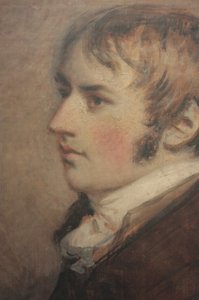
1776–1837, Združeno kraljestvo
John Constable
Mladost, družina in izobraževanje John Constable se je rodil leta 1776 v vasi East Bergholt v Suffolku. Bil je drugi sin Goldinga in Anne (Watts) Constable. Njegov oče je bil uspešen trgovac s koruzo in premogom, ki je upravljal Flatford Mill. Ta tesna povezanost z reko in lokalnim trgovskim poslovanjem je pomenila, da so ritmi vode in gibanje tovora postali integralni del vsakdanjega življenja v njegovem domu.
Tudi dela avtorja John Constable
 Slika: Posušnica1821
 Pogled na katedrolo v Salisburyu z škofovih posestij1823
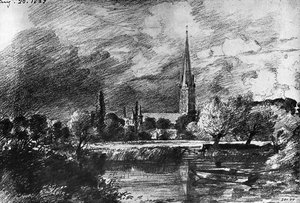 Salisburyjeva katedrala
 Senov vóz (podrobnost)1821

Eseji o delu Flatford Mill
 British artworks of the 1810sBritish artworks from the 1810s featuring the sublime landscapes of J. M. W. Turner and John Constable. View the full collection at Origina…
 25 Must-See Masterpieces at the Yale Center for British ArtExplore 25 iconic works from Turner to Hogarth at Yale Center for British Art. Discover every masterpiece on OriginalUniqueArt.com.
 Mastering the English Landscape: The Top 25 Artworks by John ConstableImmerse yourself in the soul of the English countryside with our curated guide to John Constable's top 25 masterpieces. Explore the emotive…