Romantizem · 1819
Bijega Čeba (John Constable, 1819)
John Constable (1776–1837) je izdelal Bijega Čeba. Zajema obdobje iz leta 1819. Spada v smer Romantizem. Izdelano je iz Olje na platnu. Del se nahaja v muzeju The Frick Collection v mestu New York City, Združene države Amerike.
- 1819
- Olje na platnu
- The Frick Collection, New York City

 Predogled v realnem okolju

 Ročno izdelano oljno slikarstvo
 Pošlji
 Deli
 Informacijski list


 Prenesi sliko
 Podobni izdelki
 Rentgenski posnetek
 Predvajaj diaporama
 Vprašanja in odgovori

 Statistika
Bijega Čeba, na kratek
- Naslov
- Bijega Čeba
- Avtor
- John Constable (1776–1837)
- Umetnik, rojen v
- East Bergholt, Združeno kraljestvo
- Datum
- 1819
- Tehnika
- Olje na platnu
- Kje je videti
- The Frick Collection, New York City, Združene države Amerike
- Gibanje
- Romantizem
- Obdobje
- 19. stoletje
- Tema
- pokrajina, rečna obala, krajanska scena, angleška pokrajina, pastoralna umetnost, tiščenje
Kaj prikazuje Bijega Čeba?
A Pastoral Vision: Unveiling John Constable’s ‘The White Horse’
“Painting is but another word for feeling.” – John Constable. This sentiment perfectly encapsulates the essence of ‘The White Horse,’ a pivotal work by one of Britain's most beloved landscape artists, completed in 1819. More than just a depiction of rural life, this painting offers a window into Constable’s deeply personal connection with the English countryside and his revolutionary approach to landscape art.Subject & Composition: A Moment of Tranquil Industry
‘The White Horse’ presents a serene scene along the River Stour in Suffolk – an area intimately known as “Constable Country.” The painting centers around a tow-horse, patiently awaiting its task of pulling a barge upstream. Tied to the riverbank, a small boat gently reflects in the water, mirroring the lush vegetation that dominates the left side of the composition. To the right, a cluster of buildings and trees anchors the scene, providing a sense of human presence within this natural setting. The balanced arrangement, with a strong horizon line, creates a harmonious visual experience. This is one of six large-scale landscapes Constable painted – known as his ‘Six-Footers’ - intended to showcase the grandeur of the English countryside on an ambitious scale.Style & Technique: Romanticism Infused with Realism
Constable firmly established himself within the Romantic tradition, yet he infused it with a remarkable degree of realism. While embracing the dramatic lighting and emotional resonance characteristic of Romanticism, he meticulously observed and rendered details of everyday life. The painting is executed in oil on canvas, utilizing loose brushstrokes that create a textured surface and suggest movement – particularly evident in the water and sky. Atmospheric perspective plays a crucial role; distant elements are paler and less defined, enhancing the sense of depth. Constable’s technique wasn't about precise imitation but capturing the feeling of a place, its atmosphere, and its light.Historical Context & Artistic Innovation
In 1819, landscape painting was often viewed as secondary to historical or portraiture work. Constable challenged this hierarchy by elevating the humble English countryside to the level of high art. ‘The White Horse’ marked a turning point in his career and garnered significant attention at the Royal Academy exhibition that year, leading to his election as an Associate. Interestingly, while initially underappreciated in England, Constable's work profoundly influenced French artists, particularly those associated with the Barbizon School, who embraced his naturalistic approach.Symbolism & Emotional Impact: Harmony and Nostalgia
Beyond its aesthetic beauty, ‘The White Horse’ carries symbolic weight. The scene suggests a harmonious relationship between humanity and nature – a gentle industry coexisting peacefully within the landscape. The tow-horse itself can be interpreted as a symbol of labor and perseverance. The overall effect is one of tranquility, nostalgia, and an idealized vision of rural life. Constable wasn't simply recording what he saw; he was conveying his deep affection for the land and its traditions.Collecting & Interior Design Considerations
‘The White Horse’ – or a high-quality reproduction – lends itself beautifully to a variety of interior design schemes. Its muted palette of greens, blues, and browns creates a calming atmosphere, making it ideal for living rooms, studies, or bedrooms. The painting's scale demands attention, serving as a focal point in any space. For collectors, owning a print of this work is acquiring a piece of British art history – a testament to Constable’s enduring legacy and his ability to capture the soul of the English countryside.- Style: Romanticism with Realist elements
- Medium: Oil on Canvas
- Period: 19th Century (1819)
- Current Location: The Frick Collection, New York City
V katerem muzeju se nahaja Bijega Čeba?
The Frick Collection
New York City, Združene države Amerike
Zgodovina in korenine The Frick Collection Zbirka The Frick Collection se je rodila iz zasebnih nakupov Henryja Clayja Fricka, ameriškega industrialista, finančnika in mecena umetnosti. Njegova zbirka je bila sklenjena z izjemnim, raziskovalnim pogledom na evropsko umetnost, kar je skozi čas postavilo temelje za nastanek javne institucije. Leta 1920 so upravitelji njegovega posthumnega premoženja ustanovili podjetje The Frick Collection Inc., da bi zagotovili ohranjanje in nego teh dragocenih del.


Visokoresolucijske slike dela Bijega Čeba

Javna lastnina: umetnik je umrl leta 1837.
Druge velikosti, izrezave in citiranje →John Constable, Bijega Čeba (1819), The Frick Collection. Javna lastnina
Barve so digitalno prilagojene originalu, datoteka pa je strokovno retuširana in zvesta umetnikovemu čopičku.
Pridobite visokofrekvenčni posnetekOdgovori na vprašanja o Bijega Čeba
Kje je danes razstavljeno "Bijega Čeba" avtorja John Constable?
Originalno delo "Bijega Čeba" lahko vidite v muzeju The Frick Collection, New York City, Združene države Amerike.
Kdaj je bilo ustvarjeno "Bijega Čeba"?
"Bijega Čeba" avtorja John Constable je nastalo leta 1819.
Z kakšno tehniko je izdelano "Bijega Čeba"?
Tehnika za delo "Bijega Čeba" avtorja John Constable je Olje na platnu. Različice imajo za namen natančno prikazati videz te tehnike.
Katere teme se pojavljajo v delu "Bijega Čeba" avtorja John Constable?
Motivi dela "Bijega Čeba" so pokrajina, rečna obala, krajanska scena, angleška pokrajina, pastoralna umetnost, tiščenje, atmosferska perspektiva, nostalgija.
Ali se lahko slika "Bijega Čeba" avtorja John Constable prosto reproducira?
Status avtorskih pravic za "Bijega Čeba" avtorja John Constable: del je v javni domeni – avtorska pravica je zastarela. To določa, ali se lahko reprodukcije slike izdelujejo prosto.
Kateremu umetniku je "Bijega Čeba" pripisano?
"Bijega Čeba" pripisujemo John Constable.
V kateri umetniški smer pripadajo "Bijega Čeba" avtorja John Constable?
"Bijega Čeba" avtorja John Constable pripada gibanju Romantizem. To gibanje zagotavlja slogovni kontekst dela.
V katero obdobje John Constableove kariere spada delo "Bijega Čeba"?
V okviru kariere umetnika John Constable delo "Bijega Čeba" pripada obdobju Odrasla obdobja, kar omogoča primerjavo z ostalimi umetnikovimi deli.
Pri katerih letih je John Constable ustvaril/a "Bijega Čeba"?
John Constable je delo "Bijega Čeba" ustvaril v starostih 43 let. Umetnik se je rodil leta 1776, delo pa je datirano v leto 1819.
O umetniku, John Constable
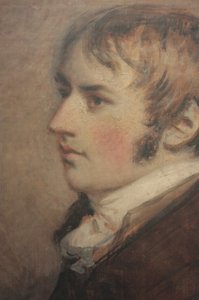
1776–1837, Združeno kraljestvo
John Constable
Mladost, družina in izobraževanje John Constable se je rodil leta 1776 v vasi East Bergholt v Suffolku. Bil je drugi sin Goldinga in Anne (Watts) Constable. Njegov oče je bil uspešen trgovac s koruzo in premogom, ki je upravljal Flatford Mill. Ta tesna povezanost z reko in lokalnim trgovskim poslovanjem je pomenila, da so ritmi vode in gibanje tovora postali integralni del vsakdanjega življenja v njegovem domu.
Tudi dela avtorja John Constable
 Slika: Posušnica1821
 Pogled na katedrolo v Salisburyu z škofovih posestij1823
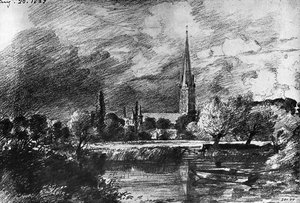 Salisburyjeva katedrala
 Senov vóz (podrobnost)1821

Eseji o delu Bijega Čeba
 Mastering the English Landscape: The Top 25 Artworks by John ConstableImmerse yourself in the soul of the English countryside with our curated guide to John Constable's top 25 masterpieces. Explore the emotive…
 Capturing the English Landscape: The Timeless Mastery and Romantic Legacy of John ConstableExplore the profound legacy of John Constable. Discover how his mastery of light, atmosphere, and the English landscape redefined Romantici…
 British artworks of the 1820sBritish Romanticism in the 1820s features the iconic works of J.M.W. Turner, John Constable, and William Blake. View the full collection at…