

 Preverite v realnem okolju
 Pošlji kot čestitko
 Deli
Deli
 Podrobnosti
 Priročnik

 Prenesi
 Podobni artefakti
 Rentgenski posnetek
 Predvajaj diaporama
 Statistika
Dvojni oltar
 Akril na platnu
- Stenska umetnost
- Baroque Decorative Style
 1725
1725 5.0 x 66.0 cm
 Wawelski grad
 Preberi več
Giclée tisk / Umetniški tisk
Giclée ali platnati odtis muzejske kakovosti z hitro proizvodnjo in prilagodljivimi možnostmi končne obdelave. ( Naročite ročno slikano reprodukcijo Preklop na digitalno sliko)




P118B €10

P118H €10

P118W €10

P438Z €10

P508JH €12

P508YH €12

P805H €10

P805Z €10

P919BZ €10

P919G €10

P919XJ €10

P959ZH €10

P968JZ €12

W106C €8

W218G €10

W218JH €8

W218Y €10

W307PJ €10

W316G €10

W316PJ €8

W316Y €10

W398PJ €8

W4111J €10

W500HY €15

W500JH €15

W692G €12

W849H €8

W940BG €15

W953PJ €8




Izberite eno od naših vnaprej določenih velikosti, ki ustrezajo prvotnim proporcijam umetničkega dela.

Vnesite širino in višino, ki jih potrebujete za svoj okvir ali steno. Tiskanje se lahko le odreže, vendar ga ni mogoče narediti večjega od slike, zato format z drugačno obliko pomeni izgubo dela slike. Pred tiskanjem vam pošljemo digitalni predogled za potrditev. Slika, prikazana na tej strani, ne prikazuje dejanskega izrezkov — le predogled to omogoča.
Globalna dostava () v 2 tednih namesto standardnih 4/5 tednov. (25 oktober)

Brezplačna ekspresna dostava po vsem svetu

Visokokakovostno laneno platno

Popolno zavarovanje pošiljke

Garancija povračila carine in uvoznih davkov

Garancija popolnega barvnega ujemanja

Politika vračila v 100 dneh (le v primeru okvar)

Garancija 100% povračila denarja

Popust pri večjem naročilu
 Možnost stekla je na voljo le za velikosti pod 110 cm

Dvojni oltar
Giclée tisk / Umetniški tisk
Velikost reprodukcije
-


Skupna cena
€ 70
Palace Altarpiece – Johann Andreas Thelott: A Masterpiece of Subtle Detail
Carel de Moor, znan tudi kot Carel van Mieris mladši, je bil ključna figura pri oblikovanju nizozemske zlatne ere umetnosti. Živel je v življenju umetniškega okolja, ki ga je oblikovala dediščina očeta, Carela de Moora starejšega, ebonyjevskega mojstra izdelovanja lesenih predmetov in trgovca umetnostjo ter ga je vodila navzočnost mojstrov kot Gerrit Dou in Frans van Mieris. De Moorjev življenje ni bilo zaznamenjeno z dramatičnimi inovacijami, ampak bolj z pazljivo fino izdelavo tehnike, kar mu je priborilo priznanje za *fijnschilding* – slog, ki se karakterizira z subtilnimi podrobnostmi, atmosferskimi učinki in tišjo realistično predstavitev. Je dokaz življenjske moči opazovanja in uspešno izvajanje v nizozemski umetniški tradiciji. Izobrazba zgodnje faze in vplivi De Moor je bila zgodnja izobrazba globoko zakorenčena v družbeni trgovski praksi in umetniških povezavah. Oče mu je bil mojster izdelovanja lesenih predmetov in trgovac umetnostjo, kar ga je postavilo pred svet umetnosti, ki ga je oblikovala dediščina mojstrov kot Gerrit Dou in Frans van Mieris. De Moorjev pot ni bila zaznamenjena z dramatičnimi inovacijami, ampak bolj z pazljivo fino izdelavo tehnike, kar mu je priborilo priznanje za *fijnschilding* – slog, ki se karakterizira z subtilnimi podrobnostmi, atmosferskimi učinki in tišjo realistično predstavitev. Je dokaz življenjske moči opazovanja in uspešno izvajanje v nizozemski umetniški tradiciji. O Altarpieceju – Podoba Cerkevnega Časovnika Ta lepota je še bolj podkreščena z pozornostjo za podrobnosti, ki jih je mojster ustvarjal. Kot že omenjeno, je obraz izdelan leta 1725 in prikazuje cerkevni oltar, kjer je na vrhu statue. Oltar ima zlatno okrasje in kompleksne režije. V sliki sta dva stolpca – eden je položajen središče slike, drugi pa nekoliko bolj desno. Poleg glavnih elementov so v prostoru razporejeni dodatni elementi kot so tri vase postavljene na različne lokacije oltarja, urešena ura na levi strani slike in dve knjigi postavljeni skupaj v spodnji del slike. Celotna kompozicija slike je vizualno privlačna in prikazuje umetniško znanje mojstra, ki jo je ustvaril. Slog in Tehnika – Fijnschilding pri Delu Mojster je uporabljal slog *fijnschilding*, ki je zelo priljubljen v času zlatne ere nizozemske umetnosti. Ta stil se razlikuje od drugih zaradi pozornosti za podrobnosti, atmosferskih učinkov in tišje realistične predstavitev. Mojstra so navdihovali mojstri kot Gerrit Dou in Frans van Mieris, ki so bili znani z uporabo podobnih tehnik. Časovnica je bila postavljena leta 1725, kar pomeni, da je umetnostna dela iz tega obdobja zelo cenjena za svojo estetiko in zgodovinski kontekst. Simbolizem – Izraz Življenjske Moči Opazovanja Časovnik na oltarju simbolizira časovno perspektivo, ki jo mojster želel prikazati. Vase postavljene okoli oltarja predstavljajo lepoto narave in bogastvo življenja. Knjigi pa simbolizirajo znanje, mudrost in vero – vrednote, ki so bile pomembne v času zlatne ere nizozemske umetnosti. Celotna kompozicija slike je zelo simbolična in sporoča zgodovinski kontekst ustvarjanja dela. Emocionalni Vpliv – Tišja Čudovitost Časovnik je izjemno lep predmet umetnosti, ki spodbuja občutek miru, lepote in estetike. Kot rezultat pozornosti za podrobnosti in uporabe tehnike *fijnschilding*, je slika zelo privlačna za gledalca. Je dokaz življenjske moči opazovanja in ustvarjalnega izražanja mojstra, ki ga je ustvaril.Vprašanja in odgovori
Kakšno paleto barv in kakšen občutek združuje "Dvojni oltar"?
"Dvojni oltar" avtorja Johann Andreas Thelott združuje Nevtralne barve paleto barv z Spokojno tonom.
Za katero prostor sta priporočena za "Dvojni oltar" avtorja Johann Andreas Thelott?
Priporočena prostorina za "Dvojni oltar" avtorja Johann Andreas Thelott je Dnevna soba. Ta predlog je lahko seveda prilagojen vašemu notranjemu opremanju.
Koliko je bil Johann Andreas Thelott star ob ustvarjanju dela "Dvojni oltar" leta 1725?
Johann Andreas Thelott je bil/a star/a 70 let, ko je ustvaril/a "Dvojni oltar" leta 1725. Starost je izračunana na podlagi leta rojstva umetnika, 1655.
Biografija umetnika
Carel de Moor: A Dutch Master of Subtle Detail
Carel de Moor (the Younger), born on February 25, 1655, in Leiden, Netherlands, was a pivotal figure in the development of Dutch Golden Age painting. His life and career unfolded within a vibrant artistic landscape, shaped by the legacy of his father, Carel de Moor (the Elder), an ebony woodworker and art dealer, and influenced by masters like Gerrit Dou and Frans van Mieris. De Moor’s journey wasn't one of dramatic innovation but rather a meticulous refinement of existing techniques, earning him recognition as a master of *fijnschilding* – a style characterized by subtle details, atmospheric effects, and a quiet realism. He stands as a testament to the enduring power of observation and skillful execution within the Dutch artistic tradition.Early Training and Influences
De Moor’s early education was deeply rooted in his family's trade and artistic connections. His father, a skilled craftsman and art dealer, exposed him to the world of art from a young age. Recognizing his son’s innate talent for drawing, he sent Carel to Gerrit Dou (1613–75), a renowned Leiden master known for his atmospheric effects and meticulous rendering of textures. This early mentorship instilled in De Moor a deep appreciation for observation and a commitment to capturing the nuances of light and shadow. Later, seeking a bolder brush handling, he traveled to Amsterdam to study with Abraham van den Tempel (1622/23–72), another influential painter whose work emphasized realism and psychological insight. These formative experiences laid the foundation for De Moor’s distinctive style, blending the lessons of his teachers into a cohesive and personal artistic vision.Style and Technique
De Moor's paintings are distinguished by their remarkable subtlety and restraint. Unlike some of his contemporaries who favored dramatic compositions or bold colors, he cultivated a more understated approach, focusing on capturing fleeting moments and conveying psychological depth through carefully rendered details. His works often feature figures engaged in quiet activities – a woman listening to a scolding, a couple sharing a private moment, or a scholar absorbed in his studies. These scenes are presented with an almost photographic realism, achieved through meticulous attention to texture, light, and shadow. He employed a technique of *sfumato*, blurring outlines and softening edges to create a sense of atmosphere and ambiguity. This careful control of detail, combined with a masterful understanding of color and composition, is what sets De Moor’s work apart.Notable Works and Commissions
De Moor's career spanned several decades, during which he produced a substantial body of work encompassing history paintings, genre scenes, and portraits. He was a prolific member of the Leiden Guild of St. Luke, holding various leadership positions, including headman and dean, demonstrating his influence within the artistic community. Among his most celebrated works are *The Duet* (1674), a captivating depiction of two women engaged in conversation; and his series of paintings illustrating the life of Saint Bruno, commissioned for the Charterhouse Monastery in Paris. These later works showcase De Moor’s evolving style, incorporating elements of both realism and classical influence. His dedication to his craft is evident in the numerous drawings he created, many of which are now housed in museums worldwide.Legacy and Historical Significance
Carel de Moor (the Younger) remains a significant figure in Dutch Golden Age painting, representing a crucial link between the earlier masters and subsequent generations of artists. His commitment to subtlety, realism, and psychological insight established him as a leading exponent of *fijnschilding*. He wasn’t a revolutionary; rather, he perfected existing techniques, contributing significantly to the development of a refined and nuanced style that continues to be admired for its quiet beauty and profound observation of human nature. His influence can be seen in the work of later Dutch painters, solidifying his place as a master of detail and a testament to the enduring legacy of Leiden’s artistic tradition.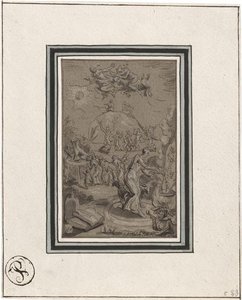
Johann Andreas Thelott
1655 - 1734 , Germany
Ključne informacije
- Full Name: Eustache Le Sueur
- Nationality: French
- Date Of Birth: 1655
- Date Of Death: 1734
- Place Of Birth: Augsburg, Germany
- Notable Artworks:
- Angel and Hagar
- Tobias and Tobit
- Martyrdom St Lawrence
- Life of St Bruno
- Artistic Movement Or Style: Neoclassical
- Artists Who Influenced This Artist:
- Vouet
- Poussin
- Artists Or Movements Influenced By This Artist: ["Le Sueur's style influenced later artists."]
Sorodni članki

Baročne mojstrovine: 10 umetnin, ki so definirale obdobje | OriginalUniqueArt
Odkrijte 10 baročnih mojstrovine, ki so zaznamovale umetnost! Karavaggio, Bernini & Rubensovi deli v zgodovinskem kontekstu. Navdih za notranjost in reprodukcije slik na OriginalUniqueArt.com. Raziskujte polno zbirko online!

Baroque Classicism: The Grandeur of Order and Drama in 17th-Century Art History
Explore the profound elegance of Baroque Classicism. Discover how 17th-century masters synthesized dramatic emotion with classical order through the lens of the Counter-Reformation and the works of legends like Carlo Maratta and Andrea Sacchi.

The Dramatic Flourish: Exploring the Baroque Movement's Enduring Legacy in Art History
Explore the dramatic world of Baroque art! Discover iconic artists like Caravaggio & Rubens, defining techniques, and its lasting impact on art history. Expert insights for collectors & enthusiasts at OriginalUniqueArt.

The Visceral Stage: Exploring Dramatic Narratives & Emotional Intensity in Baroque Art
Explore the dramatic world of Baroque art! Discover iconic masters like Caravaggio & Rembrandt, their techniques, and the movement's lasting impact. Expert insights for collectors & enthusiasts at OriginalUniqueArt.

Baročna Drama: Uvedba Velikosti in Čustvenosti v Sodobne Interierje
Odkrijte veličino baročne umetnosti! Nasveti za integracijo dramatičnosti in čustvenosti v vaš dom. Kvalitetne reprodukcije, naročila po meri pri OriginalUniqueArt.com – strokovno posvetovanje in vrhunska kakovost.
