
 Preverite v realnem okolju
 Pošlji kot čestitko
 Deli
Deli
 Podrobnosti
 Priročnik

 Prenesi
 Podobni artefakti
 Rentgenski posnetek
 Predvajaj diaporama
 Statistika
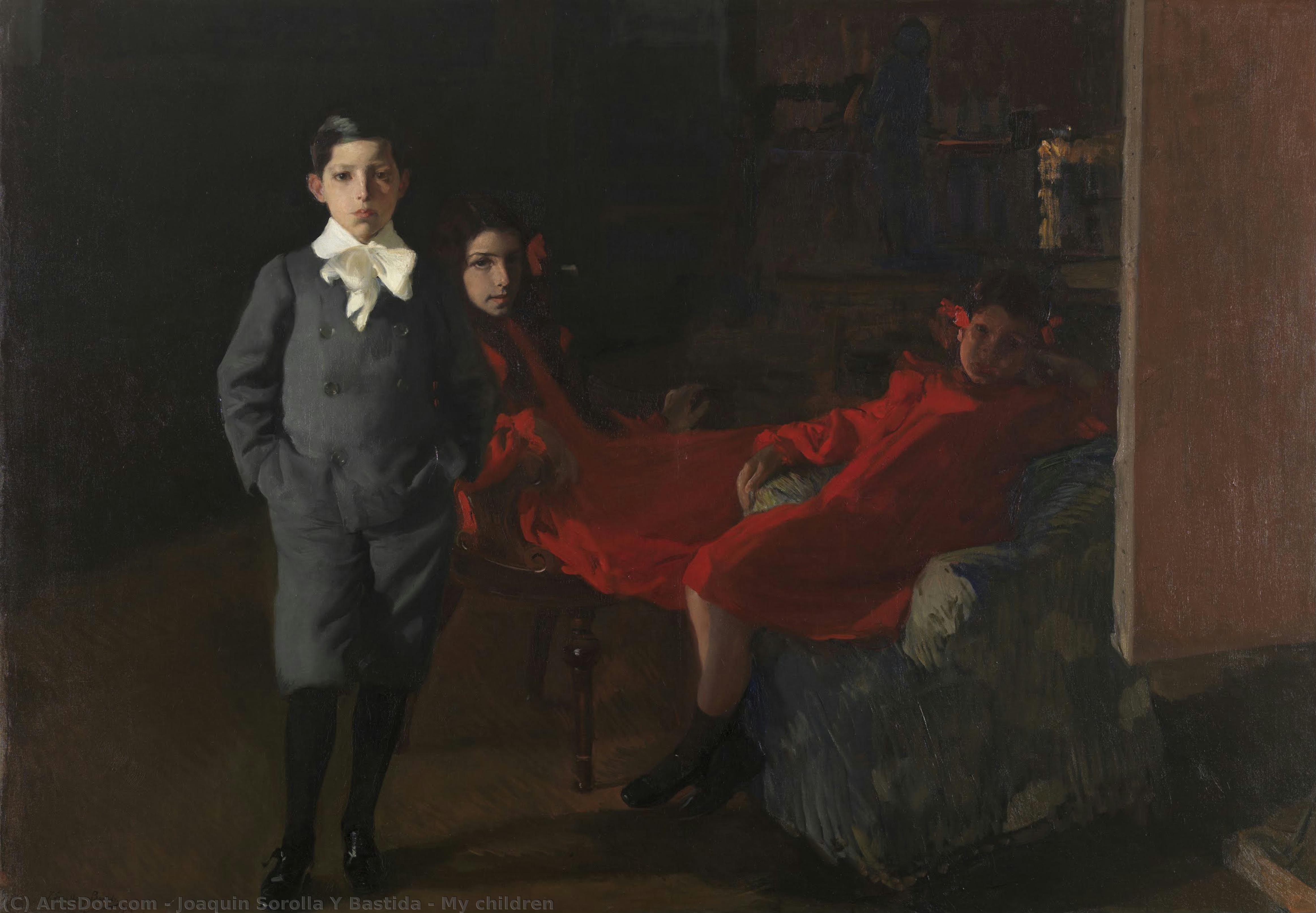
My children


 Preberi več
Giclée tisk / Umetniški tisk
Giclée ali platnati odtis muzejske kakovosti z hitro proizvodnjo in prilagodljivimi možnostmi končne obdelave. ( Naročite ročno slikano reprodukcijo Preklop na digitalno sliko)




P118B €10

P118H €10

P118W €10

P438Z €10

P508JH €12

P508YH €12

P805H €10

P805Z €10

P919BZ €10

P919G €10

P919XJ €10

P959ZH €10

P968JZ €12

W106C €8

W218G €10

W218JH €8

W218Y €10

W307PJ €10

W316G €10

W316PJ €8

W316Y €10

W398PJ €8

W4111J €10

W500HY €15

W500JH €15

W692G €12

W849H €8

W940BG €15

W953PJ €8




Izberite eno od naših vnaprej določenih velikosti, ki ustrezajo prvotnim proporcijam umetničkega dela.

Vnesite širino in višino, ki jih potrebujete za svoj okvir ali steno. Tiskanje se lahko le odreže, vendar ga ni mogoče narediti večjega od slike, zato format z drugačno obliko pomeni izgubo dela slike. Pred tiskanjem vam pošljemo digitalni predogled za potrditev. Slika, prikazana na tej strani, ne prikazuje dejanskega izrezkov — le predogled to omogoča.
Globalna dostava () v 2 tednih namesto standardnih 4/5 tednov. (26 oktober)

Brezplačna ekspresna dostava po vsem svetu

Visokokakovostno laneno platno

Popolno zavarovanje pošiljke

Garancija povračila carine in uvoznih davkov

Garancija popolnega barvnega ujemanja

Politika vračila v 100 dneh (le v primeru okvar)

Garancija 100% povračila denarja

Popust pri večjem naročilu
 Možnost stekla je na voljo le za velikosti pod 110 cm

My children
Giclée tisk / Umetniški tisk
Velikost reprodukcije
-


Skupna cena
€ 70
Joaquín Sorolla y Bastida: Capturing Spanish Light & Life – A Legacy of Impressionism
Joaquín Sorolla y Bastida (1863–1923) stands as a beacon of Spanish Impressionism, an artist who irrevocably transformed the depiction of light and color in painting. Born in Valencia, his early life was marked by profound loss—orphaned at two following a devastating cholera epidemic—leaving him to be nurtured by his maternal aunt and uncle. This formative experience instilled within him a deep appreciation for fleeting beauty, a sentiment that would become central to his artistic vision. His formal training began in Valencia, honing his skills under influential figures like Cayetano Capuz and José Benlliure before embarking on a transformative four-year scholarship to Rome, immersing himself in the grandeur of classical art alongside fellow artists. It was this immersion that cemented Sorolla’s stylistic trajectory toward capturing the essence of Mediterranean life with unparalleled vibrancy.- Subject Matter: Sorolla's oeuvre is dominated by scenes of idyllic coastal landscapes and intimate portraits—particularly those depicting children bathed in sunlight. “My Children,” completed in 1904, exemplifies this preoccupation, portraying his son Joaquín standing alongside his daughters María and Elena within a sunlit interior.
- Style: Sorolla’s style is unmistakably Impressionistic, prioritizing the immediate sensation of light and color over meticulous detail. He eschewed academic conventions, favoring loose brushstrokes and vibrant hues to convey atmosphere and emotion—a deliberate departure from prevailing artistic trends of his time.
- Technique: Employing oil paints on canvas with a masterful command of technique, Sorolla achieved remarkable luminosity through layering glazes and utilizing optical blending. This meticulous approach ensured that every surface radiated warmth and reflected the brilliance of the Mediterranean sun.
Influences & Inspirations – Las Meninas Revisited
Sorolla’s artistic sensibilities were profoundly shaped by Diego Velázquez's “Las Meninas,” a monumental portrait capturing the royal court at Madrid’s Prado Palace. He famously acknowledged this influence, mirroring Velázquez’s compositional strategy—centering the figures in the foreground and creating a deep background that enhances spatial depth—a technique he skillfully adapted to his own subjects. Furthermore, Sorolla drew inspiration from John Singer Sargent's “Daughters of Edward Darley Boit,” another celebrated group portrait executed in 1883, demonstrating an awareness of contemporary artistic dialogues.Symbolism & Emotional Impact
“My Children” transcends mere representation; it embodies a powerful symbolic resonance. The depiction of the family—father and three daughters—represents domestic tranquility and familial connection—themes that permeate Sorolla’s entire body of work. More than just capturing a snapshot in time, Sorolla aimed to evoke an emotional response from the viewer, conveying warmth, joy, and the profound beauty of childhood innocence. His canvases radiate optimism and celebrate the simple pleasures of life under the Mediterranean sun.Legacy & Recognition
Joaquín Sorolla’s legacy extends far beyond his artistic achievements. He was awarded the Premio Nadal in 1904, cementing his reputation as Spain's foremost painter. His paintings are housed in prestigious museums worldwide—including the Museo Sorolla in Madrid and Valencia—testament to their enduring appeal and artistic significance. Today, reproductions of “My Children” continue to inspire collectors and interior designers alike, capturing the timeless beauty of Sorolla’s Impressionistic vision.Vprašanja in odgovori
Kje je danes razstavljeno "My children" avtorja Joaquin Sorolla?
Del "My children" avtorja Joaquin Sorolla je razstavljen v muzeju Sorolla Museum, Madrid, Španija. Navedba muzeja se nanaša na originalno delo, ne pa na reprodukcije.
Ali so barve dela "My children" močne ali nežne?
Intenzivnost barv dela "My children" je Monochromatic. Intenzivnost opisuje, kako močne se zameščajo barve.
Ali so barve dela "My children" avtorja Joaquin Sorolla nasičene ali utemeljene?
Paleta dela "My children" ima Muted zasičenost.
Biografija umetnika
Joaquín Sorolla y Bastida - A Life Bathed in Light
Joaquín Sorolla y Bastida, a name synonymous with the radiant light and vibrant energy of Spain, was more than just a painter; he was a chronicler of his nation’s soul. Born in Valencia in 1863, Sorolla's early life was marked by tragedy. Orphaned at the tender age of two following a cholera epidemic that claimed both parents, young Joaquín and his sister were raised by their maternal aunt and uncle. This early experience with loss perhaps instilled within him a profound appreciation for the fleeting beauty of life – a sentiment that would permeate his art. Though hardship shadowed his beginnings, it did not dim the spark of artistic talent that quickly became apparent. He received initial instruction in Valencia, demonstrating an aptitude that led to studies under established artists like Cayetano Capuz and José Benlliure, eventually culminating in a four-year grant to study in Rome. It was there, amidst the classical grandeur of Italy, that Sorolla began to forge his unique artistic path, absorbing influences while simultaneously developing a style distinctly his own.Early Life and Influences
Joaquín Sorolla’s formative years were shaped by profound loss and circumstance. Born on February 27th, 1863, in Valencia, Spain, he descended from a modest family – his father was a tradesman, and his wife Concepción Bastida. Tragically, both parents succumbed to cholera just two years later, leaving Joaquín and his sister under the care of their maternal aunt and uncle. This early exposure to grief undoubtedly instilled within him an awareness of mortality and a deep sensitivity to human emotion—themes that would recur throughout his oeuvre. Recognizing Sorolla’s exceptional talent from a young age, he commenced formal artistic training at Valencia's School of Artisans, where he honed his skills under the tutelage of prominent Valencian painters. Subsequently, he pursued further studies in Madrid with Salustiano Asenjo, immersing himself in the artistic traditions of Spain’s capital. His fascination with Velázquez—particularly the masterful use of light and shadow—became a cornerstone of his artistic vision. This admiration for the Old Master profoundly impacted Sorolla's technique and compositional choices.Rome and Impressionistic Exploration
At eighteen, Sorolla embarked on a transformative journey to Rome, Italy, securing a prestigious scholarship from the Valencian government. During his four-year residency, he absorbed the influence of Italian Renaissance art while simultaneously encountering the burgeoning currents of Impressionism—a movement that would revolutionize European painting. He found inspiration in artists such as Francisco Pradilla Ortiz, the director of the Spanish Academy in Rome, who championed Sorolla’s artistic ambitions and encouraged him to experiment with innovative approaches. Exposure to Parisian exhibitions featuring Jules Bastien-Lepage and Adolph von Menzel further broadened his horizons, introducing him to new stylistic ideas and techniques. Sorolla skillfully blended these influences into a distinctive style characterized by loose brushstrokes, vibrant color palettes, and an unwavering dedication to capturing the ephemeral effects of sunlight—a hallmark of Luminism, as championed by artists like Claude Monet and Frederic Bazille.The Valencian Coast: A Celebration of Light
Sorolla’s artistic focus shifted decisively upon his return to Valencia in 1888, where he married Clotilde García del Castillo, daughter of Antonio García Peris—a supporter who recognized Sorolla's prodigious talent and championed his endeavors. Together they established a family in Madrid, relocating there in 1890, and Sorolla dedicated the subsequent decade to producing monumental canvases depicting scenes from the Valencian coast—a region he adored for its dazzling sunlight and expansive horizon. He became renowned for his depictions of bathing children and adolescents, meticulously studying the interplay between light and color as it illuminated skin and reflected on water surfaces. Paintings like *Children on the Seashore* exemplify Sorolla’s unparalleled ability to convey atmosphere and emotion with breathtaking immediacy—a testament to his unwavering commitment to plein air painting and Luminist principles. His meticulous observation of nature served not merely as subject matter but as a catalyst for artistic innovation, propelling him to the forefront of Spanish Impressionism.Major Achievements and Legacy
Sorolla’s career blossomed throughout the late 1890s and early 20th century, marked by prolific exhibitions in Madrid, Paris, Venice, Munich, Berlin, and Chicago—each showcasing his mastery of technique and capturing the spirit of his time. He garnered considerable acclaim for *The Return from Fishing*, acquired by the Musée du Luxembourg, cementing his reputation as a leading figure on the international stage. Sorolla’s artistic prowess was recognized with numerous honors and commissions, including the Grand Prix and medal of honor at the Universal Exhibition in Paris for *Sad Inheritance*. His monumental mural cycle commissioned by the Hispanic Society of America—*Vision of Spain*, completed posthumously—stands as an enduring symbol of his artistic vision and technical brilliance. Sorolla’s influence extended far beyond his lifetime, inspiring generations of artists who embraced Luminism and sought to emulate his distinctive style. Today, his paintings reside in prestigious museums worldwide—most notably the Museo Sorolla in Valencia—where they continue to captivate audiences with their luminous beauty and profound emotional resonance—a testament to Joaquín Sorolla y Bastida’s enduring legacy as one of Spain's greatest painters.
Joaquin Sorolla
1863 - 1923 , Španija
Ključne informacije
- Artistic Movement Or Style: Luminizem, Impresionizem
- Artists Or Movements Influenced By This Artist: ['Špansko impresionistično umetnost']
- Artists Who Influenced This Artist:
- Francisco Pradilla
- Jules Bastien-Lepage
- Date Of Birth: 27 februarja 1863
- Date Of Death: 10 avgusta 1923
- Full Name: Joaquín Sorolla y Bastida
- Nationality: Špansko
- Notable Artworks:
- Marguerite
- Povratek iz ribolova
- Ženska na plaži
- Place Of Birth: Valencia, Španija
Sorodni članki
Turn Family Photos into Masterpiece Oil Portraits: The Art of Timeless Legacy
Transform cherished family memories into timeless legacies with bespoke, hand-painted oil portraits. Our master artists reimagine your photos as museum-quality masterpieces, offering unparalleled craftsmanship and elegance for the discerning collector.


