

 Predogled v realnem okolju
 Pošlji
 Deli
Deli
 Podrobnosti o delu
 Priročnik

 Prenesi sliko
 Podobni izdelki
 Rentgenski posnetek
 Predvajaj diaporama
 Statistika
Diane and the Stag
 Acrylic On Canvas
- WallArt
- Mannerist Sculpture
 1550
1550 211.0 x 258.0 cm
 Louvre
 Preberi več
Giclée tisk / Umetniški tisk
Giclée ali platnati odtis muzejske kakovosti z hitro proizvodnjo in prilagodljivimi možnostmi končne obdelave. ( Kupite ročno slikano delo Preklop na digitalno sliko)




P118B €10

P118H €10

P118W €10

P438Z €10

P508JH €12

P508YH €12

P805H €10

P805Z €10

P919BZ €10

P919G €10

P919XJ €10

P959ZH €10

P968JZ €12

W106C €8

W218G €10

W218JH €8

W218Y €10

W307PJ €10

W316G €10

W316PJ €8

W316Y €10

W398PJ €8

W4111J €10

W500HY €15

W500JH €15

W692G €12

W849H €8

W940BG €15

W953PJ €8




Izberite eno od naših vnaprej določenih velikosti, ki ustrezajo prvotnim proporcijam umetničkega dela.

Vnesite širino in višino, ki jih potrebujete za svoj okvir ali steno. Tiskanje se lahko le odreže, vendar ga ni mogoče narediti večjega od slike, zato format z drugačno obliko pomeni izgubo dela slike. Pred tiskanjem vam pošljemo digitalni predogled za potrditev. Slika, prikazana na tej strani, ne prikazuje dejanskega izrezka — le predogled to omogoča.
Globalna dostava () v 2 tednih namesto standardnih 4/5 tednov. (28 oktober)

Brezplačna ekspresna dostava po vsem svetu

Visokokakovostno laneno platno

Popolno zavarovanje pošiljke

Garancija povračila carine in uvoznih davkov

Garancija popolnega barvnega ujemanja

100-dnevna politika vračil (le v primeru okvar)

Garancija 100% povračila denarja

Popust pri večjem naročilu
 Možnost stekla je na voljo le za velikosti pod 110 cm

Diane and the Stag
Giclée tisk / Umetniški tisk
Velikost reprodukcije
-


Skupna cena
€ 70
The Enigmatic Huntress: Jean Goujon’s “Diane and the Stag”
Jean Goujon's "Diane and the Stag," painted around 1550, isn't merely a depiction of a hunt; it’s a carefully constructed tableau brimming with allegorical weight and Renaissance grace. The painting immediately draws the eye to its central figure: Diane, the Roman goddess of the hunt, rendered in exquisite detail against a subtly textured background. She sits poised on a simple pedestal, her posture radiating both strength and serene contemplation – a captivating blend of predatory instinct and contemplative awareness. The deer at her feet aren’t passive victims; they possess an alert, almost intelligent gaze, suggesting a complex relationship between hunter and hunted, predator and prey. The composition isn't chaotic; rather, it’s meticulously balanced, reflecting the humanist ideals that were blossoming during the High Renaissance.
Goujon’s mastery lies in his ability to infuse classical motifs with a distinctly Mannerist sensibility. Notice the elongated forms of Diane’s limbs and the delicate drapery cascading around her – hallmarks of this style, which prioritized elegance and stylized movement over strict realism. The use of light is particularly noteworthy; it's diffused and atmospheric, creating a sense of depth and mystery within the scene. The muted palette—earth tones punctuated by subtle hints of crimson—contributes to the painting’s overall mood of quiet intensity.
A Tapestry of Symbolism
Beyond its aesthetic beauty, “Diane and the Stag” is rich in symbolic meaning. Diane herself represents not just the hunt but also chastity, virtue, and the wildness of nature. The stag, a frequent symbol in Renaissance art, embodies nobility, strength, and even sacrifice – qualities often associated with Diana’s role as a protector of young women. The two antlers above her head are particularly intriguing; they could be interpreted as representations of a goat or even a stylized depiction of the moon, adding layers of mythological allusion to the scene. The inclusion of the deer at her feet isn't simply decorative; it underscores the cyclical nature of life and death, mirroring the hunt’s inherent drama.
Furthermore, the painting can be viewed as an allegory for the human condition – a meditation on themes of control versus instinct, beauty versus brutality. Diane’s deliberate stance suggests a mastery over her surroundings, yet the presence of the deer reminds us of our vulnerability and dependence on the natural world. It's a delicate dance between power and submission, order and chaos.
Craftsmanship and Context
Goujon was one of the most prominent sculptors and architects of his time, working primarily in Rouen and later in Paris. His career coincided with a period of immense artistic innovation, as French art moved away from the rigid conventions of the Gothic era and embraced the dynamism and expressive qualities of the Renaissance. “Diane and the Stag” exemplifies this transition, showcasing Goujon’s ability to synthesize classical influences with his own unique style.
The painting was likely commissioned for a private patron, perhaps a wealthy nobleman or member of the court. The subject matter—a hunt scene—was popular during the Renaissance, reflecting the aristocratic pursuit of sport and the idealized vision of nature as a source of pleasure and prestige. It’s believed to have been part of a larger decorative scheme within a lavish interior, adding a touch of elegance and sophistication to its surroundings.
A Legacy of Elegance
“Diane and the Stag” remains a captivating work of art, offering viewers a glimpse into the artistic sensibilities of the High Renaissance. Its masterful composition, evocative symbolism, and exquisite craftsmanship continue to resonate today, inspiring admiration for Goujon’s skill and vision. Reproductions of this painting capture not only its visual beauty but also the profound depth of meaning embedded within its intricate details – a timeless testament to the enduring power of art to illuminate the human experience.
Vprašanja in odgovori
Kakšno čustvo izraža del Mannerist Sculpture z naslovom "Diane and the Stag"?
"Diane and the Stag" izživa Romantic čustveni ton v okviru gibanja Mannerist Sculpture.
Kdaj je nastalo in kateri slog predstavlja "Diane and the Stag" avtorja Jean Goujon?
"Diane and the Stag" avtorja Jean Goujon datira v 1550 in pripada obdobju Mannerist Sculpture.
Za katero so "Diane and the Stag" avtorja Jean Goujon priporočena?
Za Living Room priporočamo "Diane and the Stag" avtorja Jean Goujon. Ta predlog temelji na tematiki, barvah in vzdušju dela.
Biografija umetnika
Kipar, ki je oblikoval parizsko eleganco
Jean Goujon (okolo 1510 – okoli 1567) stoji kot temelj francuske renesančne vage in arhitekture, saj v svojem delu utripa stilski zagon manierizma, hkrati pa ostaja globoko zakorenjen v klasičnih idealih. Čeprav je njegov zgodnji življenj v Normandiji ostal v senci neznanosti, je njegova plodna umetniška tvorba hitro vzpostavila njegovo mesto med najpomembnejšega glasom tistega obdobja – kar je neizmoven spomen njegove izjemne talente in neomajne predanosti kodelu. Goujonova pot se je začela z oblikovalnimi izkušnjami v Italiji, kjer je sprejel veličastnost rimske vage in njena načela vključil v svoj lastni, edinstven slog. Ta vpliv je opazljiv skozi celotno njegovo delo, še posebej evidenten v njegovem mojstrove obdobju oblikovanja draperij in anatomični natančnosti.
Njegov umetniški vzpon se je začel v katedrali v Rouenju (1541–42), kjer je prevzel monumentalno nalogo oblikovanja grobnega spomenika Louisu de Brézéju, seigneur d'Anet – naročilo, ki je osvetlilo njegovo razvijajoče se znanje in ambicioznost. Ta projekt je utrdil njegovo ugled kot vznesenjo zvezdo francuske kiparstva. Hkrati je izpiloval svoje arhitekturno znanje pri cerkvi Saint-Maclou, kjer je pokazal vroden talent za združevanje umetniške vizije s strukturno inženirstvo. Rezultirajoča stavba stoji kot veličasten primer renesančne sakralne arhitekture, ki odraža Goujonovo predanost tako estetični lepoti kot funkcionalni integriteti.
Partnerstvo vizionarske veličastnosti
Z preselitev v Par way leta 1544 je Goujon vstopil v ključno partnerstvo s Pierrejem Lescotom, arhitektom, ki je nadzoroval ambiciozno rekonstrukcijo katedrale Saint-Germain-l'Auxerrois. Skupaj sta načrtovala in izvedela osupljive kiparske dekoracije – najbolj udejmljivo ambo – mojstrovino, ki prikazuje Lescotovo neoklasično občutljivost in Goujonovo vrhunsko tehniko oblikovanja draperij. To obdobje sodelovanja je določilo vizualni jezik francuske renesančne umetnosti, saj je Goujon začel v kamen vlagati občutek tekočega giba in eterične elegance.
Vrh njegovega vpliva je morda najbolj viden v njegovem prispevku k Louvreju. Njegovo del na Façade of the Cour Carrée (wing Lescot) ostaja ikonično doseganje, ki prikazuje klasično eleganco skozi zapletene rezbe, ki odražajo francusko umetniško briljantnost. V teh delih lahko opazimo nežno igro svetlobe in sence na vrezanih figurah, kar je značilnost njegove sposobnosti, da v hladni marmor vdihne življenje. Njegovo mojstvo se je razširilo tudi na Façade of the Louvre (detail), kjer je njegova izjemna pozornost do podrobnosti ustvarila mojstrovino manierističnega sloga, ki združuje klasično eleganco z zapletenimi rezbami, ki še danes fascinirajo gledalce.
Dediščina elegance in klasične oblike
Goujonova dediščina je določena z nepremagljivo sposobnostjo harmoniziranja napetosti manierizma z mirom klasicizma. Njegove skulpture pogosto vključujejo nimfe in alegorijske figure, ki se zdijo plutiti znotraj svojih arhitekturnih okolij, kar je tehnika, ki je najbolj slavno udejmljena v njegovih Kariatidah. Teh deset vrhunskih figur predstavlja vrhunec francuske renesančne kiparstva 16. stoletja in gledalcu prinaša občutek klasične veličastnosti ter sofisticirane elegance. Skozi ta dela je Goujon naredil več kot le okrasil zgradbe; on je oblikoval samo bistvo francuske estetične prefinjenosti.
Zgodovinski pomen njegovega dela je težko prebesnikati, saj je njegov pristop k anatomiji in draperiji vplival na generacije evropskih umetnikov. Njegova sposobnost spreminjanja težkega kamna v tekoče, ritmične oblike je vzpostavila standard za francuski klasicizem, ki je trajal dolgo po njegovi smrti. Danes delčke njegove genialnosti – od zapletenih podrobnosti kril Louvreja do njegove globoke vplivnosti na arhitekturno okrasitev – služijo kot trajen spomen človeku, ki je resnično oblikoval eleganco Pariza.

Jean Goujon
1510 - 1567 , Francija
Hitri podatki
- Artistic Movement Or Style: Manierizem
- Artists Or Movements Influenced By This Artist: ['Francozklasičnost']
- Artists Who Influenced This Artist: ['Michelangelo']
- Date Of Birth: okoli 1510 Normandija, Francija
- Date Of Death: okoli 1567
- Full Name: Jean Goujon
- Nationality: Francoz
- Notable Artworks:
- Nimfe (detajl)
- Pieta
- Vojna in mir
- Fontaine des Innocents
- Louvre skulpture
- Place Of Birth: Normandija, Francija
Sorodni članki

Bronze Age to Modern Masters: 10 Sculptures That Redefined Art | OriginalUniqueArt
Journey through art history with 10 legendary bronze sculptures – from Michelangelo's David to Rodin’s Thinker. Explore the stories, techniques & timeless beauty of these masterpieces. Find museum-quality reproductions & elevate your home decor on OriginalUniqueArt.com.

The Enduring Form: Sculpture Across History, Technique & Emotional Resonance
Explore the rich history of sculpture with OriginalUniqueArt. Discover key techniques, influential artists & investment potential for discerning collectors. Expert insights into valuing and collecting timeless masterpieces.
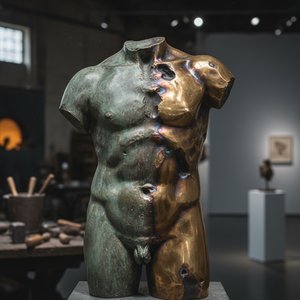
Trajna Dedščina Bronaste Skulpture: Zgodovina, Tehnike in Sodobne Interpretacije
Odkrijte bogato zgodovino bronaste skulpture, tehniko izgubljenega voska in sodobne interpretacije. Strokovni vpogledi za zbiratelje in ljubitelje umetnosti. Kvalitetna analiza, restavracija in vrednotenje.

Bronze Sculptures That Defined Art History | OriginalUniqueArt
Journey through art history with our Top 10 bronze sculptures! Explore masterpieces by Rodin, Michelangelo & more. Discover stories behind iconic statues and find museum-quality reproductions for your home decor at OriginalUniqueArt.com.

The Enduring Form: Exploring Themes & Techniques in Sculpture Across Historical Periods
Explore the rich history of sculpture from ancient masterpieces to contemporary innovations. Discover key techniques, influential artists & investment potential for discerning art collectors.