
 Predogled v realnem okolju
 Pošlji
 Deli
Deli
 Podrobnosti o delu
 Priročnik

 Prenesi sliko
 Podobni izdelki
 Rentgenski posnetek
 Predvajaj diaporama
 Vprašanja in odgovori
 Statistika
Student with a Lesson-book

- 63.0 x 49.0 cm


 Preberi več
Giclée tisk / Umetniški tisk
Giclée ali platnati odtis muzejske kakovosti z hitro proizvodnjo in prilagodljivimi možnostmi končne obdelave. ( Kupite ročno slikano delo Preklop na digitalno sliko)




P118B €10

P118H €10

P118W €10

P438Z €10

P508JH €12

P508YH €12

P805H €10

P805Z €10

P919BZ €10

P919G €10

P919XJ €10

P959ZH €10

P968JZ €12

W106C €8

W218G €10

W218JH €8

W218Y €10

W307PJ €10

W316G €10

W316PJ €8

W316Y €10

W398PJ €8

W4111J €10

W500HY €15

W500JH €15

W692G €12

W849H €8

W940BG €15

W953PJ €8




Izberite eno od naših vnaprej določenih velikosti, ki ustrezajo prvotnim proporcijam umetničkega dela.

Vnesite širino in višino, ki jih potrebujete za svoj okvir ali steno. Tiskanje se lahko le odreže, vendar ga ni mogoče narediti večjega od slike, zato format z drugačno obliko pomeni izgubo dela slike. Pred tiskanjem vam pošljemo digitalni predogled za potrditev. Slika, prikazana na tej strani, ne prikazuje dejanskega izrezka — le predogled to omogoča.
Globalna dostava () v 2 tednih namesto standardnih 4/5 tednov. (3 november)

Brezplačna ekspresna dostava po vsem svetu

Visokokakovostno laneno platno

Popolno zavarovanje pošiljke

Garancija povračila carine in uvoznih davkov

Garancija popolnega barvnega ujemanja

100-dnevna politika vračil (le v primeru okvar)

Garancija 100% povračila denarja

Popust pri večjem naročilu
 Možnost stekla je na voljo le za velikosti pod 110 cm

Student with a Lesson-book
Giclée tisk / Umetniški tisk
Velikost reprodukcije
-


Skupna cena
€ 72
A Window into the Enlightenment Soul
In the quiet intimacy of Jean-Baptiste Greuze’s 1757 masterpiece, "Student with a Lesson-book," we are invited to witness more than just a moment of study; we are invited into a profound exploration of the human spirit. At first glance, the scene appears deceptively simple: a young boy, bathed in a gentle, ethereal glow, sits absorbed in his reading. Yet, beneath this tranquil surface lies a carefully orchestrated tableau vivant designed to stir the deepest sentiments of the viewer. As the light catches the focused gaze of the youth and the delicate textures of his surroundings, the painting transcends mere portraiture to become an evocative narrative of innocence, the weight of knowledge, and the nurturing presence of guidance.
Greuze masterfully utilizes composition to weave a tapestry of familial and moral connection. The boy occupies the heart of the canvas, his intense concentration serving as the emotional anchor for the entire work. He is not alone in his intellectual journey; flanking him are figures that represent the pillars of support essential to the Enlightenment ideal of education. A woman sits beside him, her presence radiating a quiet, encouraging warmth, while a man stands behind, embodying the authoritative yet guiding hand of instruction. This triangular arrangement creates a sense of stability and purpose, suggesting that the pursuit of wisdom is a communal, sacred endeavor passed down through generations.
The Mastery of Light and Sentiment
What truly distinguishes this work is Greuze’s extraordinary command over technique, specifically his ability to marry meticulous realism with an expressive, emotive touch. Eschewing the cold, idealized perfection favored by many of his contemporaries, Greuze employed a sophisticated glazing technique. By layering thin, translucent washes of color over carefully prepared underpaintings, he achieved a luminous quality that seems to emanate from within the figures themselves. This method allows for a breathtakingly accurate rendering of textures—the soft grain of the paper, the subtle sheen of fabric, and the tender, supple skin of the young student.
Every brushstroke is purposeful, designed to animate the scene with a palpable sense of inner life. The interplay of light and shadow—a delicate chiaroscuro—does more than just define form; it directs our emotional response. The soft illumination on the boy's face highlights his vulnerability and the purity of his focus, while the deeper, receding shadows in the background lend a sense of profound depth and mystery to the setting. For the collector or the interior designer, this painting offers a rare duality: it possesses the formal elegance required for sophisticated decor, yet retains an intimate, soulful energy that can transform the atmosphere of any room.
A Timeless Legacy for the Modern Collector
To possess a reproduction of "Student with a Lesson-book" is to bring a piece of history’s most tender era into the contemporary home. The painting serves as a poignant reminder of the formative power of learning and the enduring importance of mentorship. In an age often characterized by rapid movement and digital distraction, Greuze’s depiction of quiet, focused contemplation offers a sanctuary of stillness. It is a work that speaks to the values of growth, heritage, and the cultivation of the mind.
Whether placed in a private library, a study, or a grand living space, this artwork acts as a conversation piece that transcends time. Its subtle palette and classical composition allow it to integrate seamlessly with both traditional and modern aesthetics, providing a focal point that is both intellectually stimulating and visually soothing. For those seeking to curate a collection defined by emotional depth and historical significance, Greuze’s vision remains an incomparable inspiration.
Vprašanja in odgovori
Kdaj je nastalo in kateri slog predstavlja "Student with a Lesson-book" avtorja Jean-Baptiste Greuze?
"Student with a Lesson-book" je bila ustvarjena leta 1757 v okviru pokreta Neoclassical Portraiture. Letnico in umetniški slog pripisujemo zgodovini umetnosti, kar delu daje pravi kontekst.
Kdo je avtor dela "Student with a Lesson-book"?
Delo "Student with a Lesson-book" je ustvaril Jean-Baptiste Greuze. Informacije na tej strani opisujejo izvirno delo umetnika Jean-Baptiste Greuze.
Ali je delo "Student with a Lesson-book" avtorja Jean-Baptiste Greuze bolj svetlo ali temno?
Zaznavana svetlina dela "Student with a Lesson-book" avtorja Jean-Baptiste Greuze je deep_shadow. Njen videz se lahko prilagodi svetlobi v prostoru, kjer bo izpostavljeno.
Biografija umetnika
Življenje, izrezljano v čustva: Svet Jeana-Baptista Greuzea
Rojen v mirnem burgundskem mestu Tournus leta 1725 je Jean-Baptiste Greuze vzplopel kot osrednja figura francoskega umetniškega sveta osemnajstega stoletja. Njegova zgodba je izjemno vzpenjanje, ki ga je spodbudil prirojeni talent za ujemanje človeških čustev in ostrino razumevanja naraščajočih sentimentalnih okusov njegove dobe. Sprva ga je njegov krovar oče odvrnil od umetniških prizadevanj, a je mladoletni Greuze zgodnje spodbude našel pri lyoonskem umetniku Grandonu, ki je prepoznal iskro, ki je zahtevala gojenje. To mentorstvo se je izkazalo za ključno, saj ga je vodilo na študije najprej v Lyonu in nato, odločilno, na prestižni Kraljevi akademiji v Parizu pod Charles-Josephom Natoirejem. V teh spoštovanih dvoranah je Greuze začel izostriti svoje spretnosti, čeprav si je pogosto utiral lastno pot, se oddaljil od prevladajoče akademske osredotočenosti na zgodovinske in mitološke teme.Vzpon slikarja žanra
Greuzejev prelom je prišel leta 1755 z delom *Le Père de famille expliquant la Bible à ses enfants* (Oče razlaga Sveto pismo svojim otrokom). To delo ni bilo le upodobitev družbenega življenja; utelešalo je ideale razsvetljenskega duha, ki je prikazovalo družinsko pobožnost in moralne nauke. Slika je globoko odmevala pri sodobni publiki in ujela duh buržoazne kreposti, ki je postajala vse bolj pomemben. Pridobil jo je izbirčen zbiratelj Ange-Laurent de La Live de Jully, kar ga je katapultiralo v slavo. Sledile so nadaljnje žanrske scene – intimni vpogledi v vsakdanje življenje, prežeti z globino čustev in moralnimi podtoni. Potovanje v Italijo leta 1755, izvedeno s škofom Gougenotom, je razširilo njegove umetniške obzorja, vendar je navdih našel predvsem v realnosti francoske družbe in ne v klasični antiki. Njegova sposobnost priklicati iskrena čustva – veselje, žalost, kesarjenje – ga je ločila od mnogih sodobnikov in ga uveljavila kot vodilno figuro nastajajočega rokokoskega sloga, čeprav z izrazito moralizirajočim naglasom.Obvladovanje čustev in moralne pripovedi
Greuzejeva umetniška moč je ležala v njegovi sposobnosti pripovedovanja zgodb s pomočjo barve. Dela, kot so *La Jeune Fille qui pleure son oiseau mort* (Mlado dekle, ki joka za svojo mrtvo ptico) in *Savoyard with a Dancing Doll*, niso le portreti otrok; so raziskovanja žalosti, nedolžnosti in kompleksnosti človeške izkušnje. Imel je izjemen talent za ujemanje subtilnih odtenkov izraza, občutljivo pa je posredoval notranji nemir. Njegove kompozicije so bile pogosto skrbno postavljene, z dramatično osvetlitvijo in ekspresivnimi gestami, ki so okrepile čustveni vpliv. Denis Diderot, vodilni intelektualec razsvetljenskega duha, je postal goreč zagovornik Greuzejevega dela in ga pohvalil za sposobnost prikazovanja “moralnosti v barvah”. Vendar pa je ta uspeh ustvaril dilemo za umetnika. Želel si je biti priznan kot zgodovinski slikar – najprestižnejša kategorija znotraj Akademije – in se poskušal preseliti s *Septimius Severus Reproaching Caracalla*. To ambiciozno delo je bilo deležno ostrih kritik, Greuze pa so ga v Akademijo sprejeli šele kot slikarja žanra, kar ga je globoko rano.Poznejša leta in trajna zapuščina
Zavrnitev s strani Akademije je zaznamovala prelomnico v Greuzejevi karieri. Mnogo let se ni razstavljal na salonu, postal vse bolj samotarski in zagrenjen. Njegova poznejša dela so pogosto raziskovala teme zapeljevanja in moralnega prestopa, včasih celo mejila na pretirano čutno. Te slike, čeprav tehnično dovršene, niso imele čustvenega odziva in moralne jasnosti njegovih zgodnjih mojstrovin. Zadnja leta so ga zaznamovale finančne težave, v ostrejšem nasprotju s priznanjem, ki ga je nekoč užival. Umrl je v revščini znotraj samega Louvra leta 1805. Kljub temu pa Greuzejev vpliv na francosko umetnost ostaja pomemben. Utiral je novo obliko slikarstva žanra, ki se je osredotočila na sodobno življenje in raziskovala univerzalna človeška čustva. Njegovo delo je utrlo pot poznejšim umetnikom, ki so iskali prikazovanje realnosti vsakdanjega obstoja z iskrenostjo in občutljivostjo. Zapustil je bogato zapuščino dela, ki še naprej očara gledalce s svojo čustveno močjo, tehnično briljantnostjo in trajajočo relevantnostjo.Ključna dela in njihov pomen
- Le Père de famille expliquant la Bible à ses enfants (1755): Temelj njegovega zgodnjega uspeha, ki uteleša ideale razsvetljenskega duha družinske pobožnosti.
- La Jeune Fille qui pleure son oiseau mort (okoli 1765): Demonstrira Greuzejevo mojstrstvo čustvenega izraza in ganljivo pripovedovanje zgodb.
- Savoyard with a Dancing Doll (okoli 1763): Ujame duh in ranljivost otroštva, prikazuje njegovo spretnost v portretiranju.
- Septimius Severus Reproaching Caracalla (1769): Neuspeli poskus zgodovinskega slikarstva, ki je poudaril njegove močne točke drugje.
- The Broken Pitcher (okoli 1770-ih): Predstavlja premik k bolj čutnim in moralno dvoumnim temam v njegovem poznejšem delu.

Jean-Baptiste Greuze
1725 - 1805
Sorodni članki

The Enduring Legacy of Formal Portraiture: Power, Identity & Artistic Exploration
Explore the rich history of formal portraiture & its enduring power to capture identity and shape perception. Discover investment-worthy artworks, expert appraisals, and custom reproduction services at OriginalUniqueArt.
Realism in Art: A Professional Guide to Authentic Detail and Lifelike Masterpieces for Large-Scale Interior Projects
Master the use of Realism in professional interiors. This expert guide explores 19th-century masterpieces, offering procurement managers and designers technical insights into selecting authentic, hand-painted oil reproductions for high-end hotel and corporate projects.

Romantic Realism's Finest: 10 Masterpieces for Your Home | OriginalUniqueArt
Explore 10 defining masterpieces of Romantic Realism! Discover Courbet, Millet & Daumier's powerful paintings—capturing emotion and social realities. Find museum-quality reproductions for your home at OriginalUniqueArt.com.
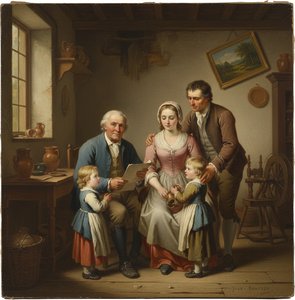
Jean-Baptiste Greuze: Morality, Sentiment & the Rise of Genre Painting
Explore the life & art of Jean-Baptiste Greuze, a pivotal French Rococo painter renowned for his emotionally resonant genre scenes and moral lessons. Discover his legacy & impact on 18th-century art history.
Echoes of Society: Exploring Social Realism's Enduring Legacy in Art
Explore the powerful world of Social Realism art! Discover key artists, masterpieces & its profound social commentary. Expert insights into this influential movement's history and enduring legacy.