Preklop na tiskanine
 Preberi več







































 Za umetniška dela ali reprodukcije, ki so po katerikoli strani širše od 105 cm (približno 41 palč), bo okvir poslan v razstavljeni obliki kot komplet. Ta metoda zagotavlja varno dostavo in preprečuje poškodbe med transportom.


The Champs-Elysées: A Rococo Vision of Parisian Leisure
Jean Antoine Watteau's "The Champs-Elysées," painted in 1719, is a quintessential example of the *fête galante* genre and a captivating glimpse into the aristocratic leisure culture of early 18th-century France. Measuring 33 x 43 cm, this oil on canvas masterpiece resides within the esteemed Wallace Collection in London, offering viewers a window into Watteau's masterful ability to blend landscape and figure painting with an unparalleled sense of elegance and charm.
A Scene of Refined Sociability
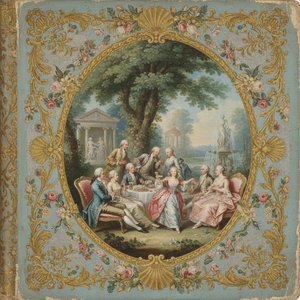
The painting depicts a group of approximately twelve individuals gathered in what appears to be a park setting, likely the gardens on the Champs-Elysées in Paris. The figures are dressed in fashionable attire of the period, showcasing a variety of colors and styles that reflect the social status and individual tastes of the time. They engage in relaxed conversation and leisurely activities, creating an atmosphere of refined sociability. Watteau's composition skillfully utilizes depth; trees and foliage recede into the background, enhancing the sense of space and tranquility. The diffused lighting contributes to a soft, dreamlike quality that is characteristic of Rococo art.
The *Fête Galante* Genre and Artistic Significance
Watteau's contribution to art history lies significantly in his development of the *fête galante*. This genre, meaning "elegant festival," specifically portrays scenes of aristocratic gatherings in idyllic outdoor settings. Unlike traditional historical or mythological paintings, *fêtes galantes* focused on depicting contemporary leisure activities and social interactions within a picturesque landscape. “The Champs-Elysées” perfectly embodies this style, showcasing Watteau’s skill in capturing the relaxed atmosphere and subtle nuances of his subjects' relationships. The painting isn't merely a depiction of a scene; it is an exploration of beauty, grace, and the pursuit of pleasure – central tenets of Rococo aesthetics.
Technique and Symbolism
Watteau’s technique in "The Champs-Elysées" is characterized by loose brushwork and a slightly hazy effect. He employed glazing techniques to build up layers of color, creating depth and luminosity. The composition relies on flowing lines and organic shapes – trees, figures, water features – which blend together harmoniously. Symbolism within the painting is subtle but present. The carefully chosen attire of the figures suggests their social standing and individual personalities. The overall setting, a meticulously rendered garden, represents an idealized vision of nature—a space for contemplation, conversation, and refined enjoyment. While not overtly symbolic, the scene evokes feelings of serenity, elegance, and the fleeting beauty of life.
Watteau's Legacy and Further Exploration
"The Champs-Elysées" stands as a testament to Watteau’s artistic genius and his pivotal role in transitioning from Baroque to Rococo art. Beyond this iconic work, Watteau left behind a rich body of paintings including "Halt During the Hunt," "Les Charmes de la Vie (The Music Party)," "Harlequin and Columbine," and “The Pleasures of Life,” all housed within the Wallace Collection. For those interested in exploring more of Watteau's works or other artists, OriginalUniqueArt offers a wide range of handmade oil painting reproductions. Additionally, for further information on the Wallace Collection, visit their official website at https://www.wallacecollection.org/.
Vprašanja in odgovori
Ali obstaja vodnik za "The Champs-Elysées" avtorja Žan Antuan Vato?
Stran Informacije za učence za delo "The Champs-Elysées" avtorja Žan Antuan Vato ponuja datoteko z informacijami v dveh straneh, ki je pripravljena za tiskanje: sliko umetninine z identifikacijsko tabelo, časovni obroč, ki delo postavlja v obdobje umetnikovega življenja, druge umetninine tega umetnika, izmerjeno paleto barv ter citate v štirih slogih, pripravljene za kopiranje.
Kakšen karakter v prostor prinaša "The Champs-Elysées" avtorja Žan Antuan Vato?
Romantično vzdušje dela "The Champs-Elysées" avtorja Žan Antuan Vato se ujema z priporočenim prostorom: Dnevna soba.
V katero obdobje kariere Žan Antuan Vato pripada delo "The Champs-Elysées"?
V okviru kariere umetnika Žan Antuan Vato delo "The Champs-Elysées" pripada obdobju Mature Period, kar omogoča primerjavo z ostalimi umetnikovimi deli.
 Predogled v realnem okolju
 Pošlji
 Deli
Deli
 Podrobnosti o delu
 Priročnik

 Prenesi sliko
 Podobni izdelki
 Rentgenski posnetek
 Predvajaj diaporama
 Vprašanja in odgovori
 Statistika