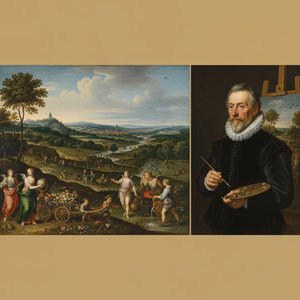
Hunters at Rest
Oil On Canvas
WallArt
Baroque
51.0 x 74.0 cm
Hermitage Museum
Ročno izdelana oljna reprodukcija
Ročno slikano olje na platnu v vaši izbiri velikosti in okvirja, izdelano po naročilu naših umetnikov. ( Kupi tisk
Kupi digitalno sliko)
P118B $10
P118H $10
P118W $10
P438Z $10
P508JH $12
P508YH $12
P805H $10
P805Z $10
P919BZ $10
P919G $10
P919XJ $10
P959ZH $10
P968JZ $12
W106C $8
W218G $10
W218JH $8
W218Y $10
W307PJ $10
W316G $10
W316PJ $8
W316Y $10
W398PJ $8
W4111J $10
W500HY $15
W500JH $15
W692G $12
W849H $8
W940BG $15
W953PJ $8
Izberite eno od naših vnaprej določenih velikosti, ki ustrezajo prvotnim proporcijam umetničkega dela.
Svoje dimenzije lahko vnesete tako, da se prilagodite določenemu okvirju ali prostoru. Če izbrana velikost ne ustreza razmerjem originalne slike, bomo umetniško delo obrezali ali sliko dopolnili z dodatnimi ročno naslikanimi elementi. Pred začetkom proizvodnje vam bo poslan digitalni osnutek v odobritev.
Upoštevajte, da predogled na zaslonu ne odraža dejanskega obrezovanja ali podaljšanja. Le osnutek bo natančno prikazal končno kompozicijo.
Čeprav so na voljo velikosti po meri, priporočamo izbiro dimenzije s preddefiniranega seznama, da ohranimo originalne razmere.
Po oddaji naročila bo ekipa OriginalUniqueArt.com stranki po e-pošti poslala navodila in predogled digitalnega predogleda.
Svetska dostava () za 3/4 nedelje umesto uobičajenih 5 nedelja. (16 avgust). Bez kompromisa po pitanju kvaliteta.
Brezplačna ekspresna dostava po vsem svetu
Visokokakovostno laneno platno
Popolno zavarovanje pošiljke
Garancija povračila carine in uvoznih davkov
Garancija popolnega ujemanja barv
60-dnevna politika vračanja (le v primeru napak)
Garancija 100% povračila denarja
Popust pri večjem naročilu
Hunters at Rest
Tehnika reprodukcije
Velikost reprodukcije
-
Skupna končna cena
$ 300
Opis umetninine
Jan Miel’s Hunters at Rest (1640s/50s): A Symphony of Light and Rustic Elegance
Jan Miel's *Hunters at Rest*, housed in the Museo Nacional del Prado, stands as a cornerstone of Flemish Baroque painting—a testament to Pieter van Laer’s influence and a masterful distillation of humanist ideals. Completed around 1640-50s, this monumental canvas captures a fleeting moment of respite amidst the arduous pursuit of game, transforming it into an emblem of aristocratic leisure and contemplative beauty. More than just a depiction of hunting activity, *Hunters at Rest* embodies a profound engagement with classical aesthetics and psychological nuance—elements that cemented Miel’s reputation as one of the foremost artists of his era.A Dialogue Between Light and Shadow: Technique and Composition
Miel's meticulous brushwork is immediately apparent upon observation. He employed oil on canvas, utilizing layering techniques to achieve an astonishing level of detail and tonal gradation—a hallmark of Baroque painting. The artist skillfully manipulated light and shadow, creating a dramatic chiaroscuro effect that sculpts the figures and architectural elements alike. Notice how the warm glow emanating from the hearth illuminates the faces of the hunters and their companions, contrasting sharply with the cool darkness enveloping the fortified tower. This interplay of illumination underscores not only the visual richness but also the psychological depth of the scene—suggesting a contemplative stillness amidst activity. The composition itself is carefully balanced, guiding the viewer’s eye across the canvas from left to right, emphasizing the grandeur of the setting and the importance of each participant.The Bamboccianti Genre: Rustic Virtue Amidst Aristocratic Luxury
Miel belonged to the Bamboccianti—a collective of artists who championed the depiction of everyday life, particularly amongst the lower classes, in contrast to the prevailing aristocratic portraits of the time. This stylistic choice reflects a broader humanist preoccupation with portraying humanity in its natural state—acknowledging both beauty and imperfection. *Hunters at Rest* distinguishes itself from other Bamboccianti paintings by incorporating elements of aristocratic grandeur—the imposing tower, the richly adorned clothing, and the noble hunters themselves—creating a compelling juxtaposition between rustic virtue and refined elegance. The inclusion of horses and hounds reinforces this duality, symbolizing both practicality and tradition alongside sophistication and prestige.Symbolism: Restorative Pause and Reflection on Mortality
Beyond its visual splendor, *Hunters at Rest* resonates with symbolic significance. The hunters’ pause represents a deliberate rejection of frenetic activity—a conscious acknowledgement of the transient nature of earthly existence. The hearth symbolizes warmth, comfort, and domestic tranquility—providing a counterpoint to the dangers lurking outside the tower walls. Furthermore, the gaze of the central hunter—directed upwards towards the heavens—suggests contemplation on spiritual matters—reflecting the Renaissance fascination with humanist philosophy and its exploration of human dignity and moral responsibility. The painting’s overall mood is one of serene solemnity—inviting viewers to ponder themes of honor, duty, and the enduring beauty of the natural world.A Legacy Enduring Through Reproduction
Today, *Hunters at Rest* continues to inspire admiration for its masterful execution and profound artistic vision. High-quality reproductions offer a captivating glimpse into this iconic artwork—allowing enthusiasts worldwide to appreciate Miel’s contribution to Baroque painting and experience the enduring power of his evocative depiction of human existence. Its timeless appeal resides in its ability to convey both visual splendor and intellectual contemplation—a testament to the artist's genius and the enduring legacy of Flemish Baroque art.Biografija umetnika
Jan Miel: Bridging Dutch Realism and Baroque Grandeur
Jan Miel (1599–1663) stands as a pivotal figure in the artistic landscape of the seventeenth century, embodying the fascinating confluence of Flemish tradition and Italian innovation. Born in Beveren, Belgium—though Antwerp and ‘s-Hertogenbosch remain contenders for his birthplace—Miel’s early life remains shrouded in relative obscurity, leaving biographical details sparse. However, what emerges from scholarly research is a remarkable artistic journey marked by stylistic evolution and collaborative endeavors that cemented his place within the vibrant cultural milieu of Rome and Turin.
His formative years were spent honing his craft primarily in Antwerp, where he absorbed the influences of prominent Flemish masters like Anthony van Dyck. While the precise scope of his training remains elusive, it undoubtedly instilled within him an appreciation for meticulous observation and refined technique—qualities that would characterize much of his subsequent oeuvre. This foundational grounding in classical draughtsmanship and portraiture provided the essential toolkit for a career that would eventually transcend regional boundaries.
The Roman Transformation and the Bamboccianti Spirit
Miel’s arrival in Rome around 1636 signaled a transformative moment in his artistic trajectory. He swiftly joined the Bentvueghels, an influential association of Dutch and Flemish artists residing in the Eternal City. Within this brotherhood, he adopted the memorable moniker ‘bieco’, a nickname reflecting his distinctive squinting gaze—a characteristic that would become synonymous with his artistic persona. This affiliation fostered deep connections within a broader artistic community deeply impacted by Pieter van Laert’s Bamboccianti style.
This movement was dedicated to depicting scenes of everyday life amongst the lower classes in Rome and its environs, eschewing the idealized grandeur of High Renaissance art for something far more visceral and immediate. Miel embraced this trend wholeheartedly, producing captivating genre paintings that captured the spirit of urban existence with remarkable realism and sensitivity. His works often featured:
- Lively street scenes populated by travelers, merchants, and laborers.
- A masterful use of light to evoke the dusty, sun-drenched atmosphere of Roman alleys.
- The subtle interplay of human emotion within crowded, chaotic settings.
- A meticulous attention to the textures of fabric, stone, and earth.
Evolution Toward Classicism and Courtly Grandeur
As his career progressed, Miel’s artistic vision underwent a significant metamorphosis. While he remained a master of the genre scene, he began to move away from the gritty realism of the Bamboccianti toward more classicizing history paintings. This shift reflected a broader trend in European art, where the raw energy of the Baroque was increasingly tempered by a desire for order, nobility, and classical allegory.
This evolution eventually led him to prestigious appointments, most notably serving as a court artist to Charles Emanuel II, Duke of Savoy. In the service of the Turin court, Miel’s work took on a more formal and magnificent character. The intimacy of his earlier Roman scenes gave way to compositions of greater scale and complexity, designed to reflect the power and prestige of his royal patron. This period represents the pinnacle of his professional achievement, where his Flemish roots in detail met the grand, sweeping narratives required by the European aristocracy.
The historical significance of Jan Miel lies in his ability to navigate these disparate worlds. He was an artist who could find beauty in the humble struggles of a Roman street urchin and dignity in the epic tales of antiquity. By bridging the gap between the meticulous realism of the North and the dramatic classicism of the South, Miel left an indelible mark on the seventeenth-century canon, ensuring his legacy as a true cosmopolitan of the Baroque era.
Jan Miel
1599 - 1663 , Belgium
Hitri podatki
- Artistic Movement Or Style: Bamboccianti, Classicising
- Artists Or Movements Influenced By This Artist: ['Pieter van Laer']
- Artists Who Influenced This Artist: ['Anthony van Dyck']
- Date Of Birth: 1599 Beveren Belgium
- Date Of Death: 1663
- Full Name: Jan Miel
- Nationality: Flemish
- Notable Artworks:
- Landscape with a Battle between Two Rams
- Roman Lime Kiln with Peasants Gambling
- Place Of Birth: Beveren Belgium

Možnost stekla je na voljo le za velikosti pod 110 cm