

 Predogled
 Pošlji
 Deli
Deli
 Podrobnosti o delu

 Prenesi
 Podobni izdelki
 Rentgenski posnetek
 Predvajaj diaporama
Studies after the Model
 Acrylic On Canvas
- WallArt
- Baroque
 1660
1660 176.0 x 254.0 cm
 Kunstpalast
 Razviljaj več
Giclée tisk / Umetniški tisk
Giclée ali platnati odtis muzejske kakovosti z hitro proizvodnjo in prilagodljivimi možnostmi končne obdelave. ( Kupi ročno naslikano sliko Kupi digitalno sliko)




P118B $10

P118H $10

P118W $10

P438Z $10

P508JH $12

P508YH $12

P805H $10

P805Z $10

P919BZ $10

P919G $10

P919XJ $10

P959ZH $10

P968JZ $12

W106C $8

W218G $10

W218JH $8

W218Y $10

W307PJ $10

W316G $10

W316PJ $8

W316Y $10

W398PJ $8

W4111J $10

W500HY $15

W500JH $15

W692G $12

W849H $8

W940BG $15

W953PJ $8




Izberite eno od naših vnaprej določenih velikosti, ki ustrezajo prvotnim proporcijam umetničkega dela.

Svoje dimenzije lahko vnesete sami, da bodo ustrezne za določen okvir ali prostor. Če izbrana velikost ne bo skladna z razmerji izvirne slike, bomo umetniško delo orezali ali podaljšali s pomočjo ogledalnega odraza ali barvno polnega roba. Pred začetkom proizvodnje vam bomo poslali digitalni predogled za potrditev.
Upoštevajte, da predogled na zaslonu ne prikazuje dejanskega orezovanja ali podaljševanja. Le digitalni predogled bo natančno prikazal končno kompozicijo.
Čeprav so na voljo prilagojene velikosti, priporočamo izbiro dimenzije s predhodno določenega seznama, da ohranite prvotna razmerja.
Globalna dostava () v 2 tednih namesto standardnih 4/5 tednov. (21 avgust)

Brezplačna ekspresna dostava po vsem svetu

Visokokakovostno laneno platno

Popolno zavarovanje pošiljke

Garancija povračila carine in uvoznih davkov

Garancija popolnega ujemanja barv

60-dnevna politika vračanja (le v primeru napak)

Garancija 100% povračila denarja

Popust pri večjem naročilu
 Možnost stekla je na voljo le za velikosti pod 110 cm

Studies after the Model
Giclée tisk / Umetniški tisk
Velikost reprodukcije
-


Skupna končna cena
$ 80
Opis zbirateljskega predmeta
A Glimpse into a Master’s Studio: The Poignant Studies of Jan Andrea Lievens
Jan Andrea Lievens' “Studies after the Model,” painted in 1660, isn’t merely a preparatory sketch; it’s a profound meditation on observation, character, and the very act of artistic creation. This remarkable pencil drawing, now housed within the Kunstpalast museum in Düsseldorf, offers an intimate window into the working methods of one of Rembrandt's closest collaborators – a man often overshadowed by his more famous partner but possessing a uniquely sensitive and compelling style. The piece immediately draws the viewer in with its quiet intensity; four heads and shoulders, rendered with remarkable detail and a palpable sense of humanity, are arranged within a deliberately understated composition on aged paper. It’s not a grand portrait intended for display, but rather a series of studies, explorations of form and expression that reveal Lievens' meticulous approach to capturing the essence of his subjects.
The figures themselves – three men and one woman – are presented in varying states of repose and contemplation. Their gazes are direct, almost challenging, inviting the viewer into a silent dialogue. Notice the subtle shifts in expression: the furrowed brow of the central male figure, hinting at inner turmoil; the thoughtful tilt of another’s head, suggesting deep reflection; and the enigmatic smile of the woman, a fleeting moment of grace amidst the seriousness of the group. Lievens masterfully utilizes hatching and cross-hatching to build volume and texture, creating a remarkably tactile surface despite the monochromatic palette. The dark browns and blacks aren't merely shades; they’re carefully modulated tones that convey both solidity and vulnerability.
The Caravaggisti Influence: Echoes of Utrecht
Lievens’s style is deeply rooted in the artistic currents of the early 17th century, particularly the influence of the “Utrecht Caravaggisti.” These artists, working primarily in the Low Countries, brought a dramatic intensity and heightened realism to portraiture, drawing inspiration from the theatrical lighting and dynamic compositions of Italian master Caravaggio. This influence is readily apparent in "Studies after the Model," most notably in the use of chiaroscuro – the stark contrast between light and shadow – which sculpts the figures’ forms and imbues them with a sense of drama. The composition itself, with its carefully arranged figures and emphasis on gesture, echoes the dramatic narratives favored by these Caravaggisti painters.
Furthermore, Lievens' meticulous attention to detail, evident in the rendering of individual strands of hair and wrinkles around the eyes, reflects a shared commitment to anatomical accuracy. However, unlike some of his contemporaries who slavishly imitated Caravaggio, Lievens infused this realism with a distinctly personal style – a sensitivity to character and emotion that elevates the studies beyond mere technical exercises. The drawing’s inherent melancholy, a subtle undercurrent beneath the surface, speaks to a deeper understanding of human psychology.
A Window into Rembrandt's Studio
The significance of “Studies after the Model” extends beyond its artistic merits; it offers a fascinating glimpse into the collaborative relationship between Lievens and Rembrandt. The two artists worked closely together for several years, sharing ideas and techniques, and influencing each other’s work. It is believed that Rembrandt himself may have used Lievens' studies as a basis for some of his own portraits, demonstrating a mutual respect and appreciation for one another’s talents. The drawing serves as a tangible reminder of this dynamic partnership – a testament to the shared artistic vision that flourished within Rembrandt’s studio during the Dutch Golden Age.
Today, “Studies after the Model” stands as a poignant example of Lievens' artistry and a valuable historical document. Its quiet intensity and profound insights continue to captivate viewers, inviting them to contemplate the complexities of human nature and the enduring power of artistic observation. Reproductions offer an accessible way to experience this remarkable work firsthand, bringing its evocative atmosphere into any space.
Biografija umetnika
Življenje in umetniški začetki Jana Lievensa
Jan Andrea Lievens, rojen 24. oktobra 1607 v Leednu na Nizozemskem, je bil eden najpomembnejših predstavnikov nizozemske zlate dobe slikarstva. Njegovo ime se pogosto pojavlja ob imenu Rembrandta van Rijna, saj sta oba umetnika delovala v podobnem obdobju in si bila močno sorodna po stilu ter tehnikah. Že zgodaj je pokazal izjemen talent za risanje in slikanje, kar ga je vodilo do intenzivnega študija pod mentorstvom Jorisa Verschotena. Pri desetih letih se je preselil v Amsterdam, kjer je dve leti preživel pri priznanem slikarju Pieteru Lastmanu, ki mu je pomagal razviti temeljne umetniške spodbude.
Njegov oče, Lieven Hendriksze, je bil tkalec tapiserij. Že v mladosti se je izkazal s kopijo slike “Demokrit in Heraklit” Cornelisa van Haarlema ter portretom svoje matere, Machtelt Jans van Noortzant. Te zgodnje kreacije so pritegnile pozornost Mauricea Nassauskega, princa Oranžskega, ki ga je povabil na nizozemsko dvorno slikarsko mesto. To mu je omogočilo dostop do bogatega družbenega okolja in pomembnih mecenov umetnosti.
Sodelovanje z Rembrandtom in razvoj lastnega sloga
Med letoma 1626 in 1631 je Jan Lievens tesno sodeloval z Rembrandtom van Rijnom. Njuno skupno ustvarjanje, ki je obsegalo več kot dvajset slik, risb in jedkanic, je bilo izjemno plodno, vendar pa je zaradi podobnosti slogov pogosto povzročalo težave pri natančnem določanju avtorstva posameznih del. Sodelovanje s Rembrandtom je nedvomno vplivalo na Lievensa, a se je kmalu začel razvijati tudi njegov lasten prepoznaven slog.
Lievensove kompozicije so bile dramatične in močno odražale vpliv caravaggistov. Izstopala je njegova sposobnost upodabljanja oseb v naravni velikosti, kar je bilo za tisto obdobje precej inovativno. Njegova dela so bila značilna po intenzivni svetlobi in temnih sencah, ki so poudarjali emocionalni naboj prizorov. Že kmalu se je uveljavil kot mojster portretnega slikarstva.
Pomembnejša dela in umetnostna zapuščina
Med njegova najbolj znana dela spadajo “Glava starega moškega”, ki jo hranijo v New Orleans Museum of Art, ter “Bradat mož z baretom”. Posebej pomemben je tudi portret “Fant v plašču in turban (portret princa Rupreta Palatinata)”, ki ga najdemo v Leiden Collection v New Yorku. Ta dela odražajo Lievensovo tehnično dovršenost, sposobnost subtilnega upodabljanja človeških emocij ter izjemno pozornost do detajlov.
Njegova umetnost je bila zaznamovana z globokim razumevanjem psihologije portretiranih oseb. Lievens ni le ustvarjal vizualno impresivne podobe, temveč je poskušal ujeti tudi notranji svet svojih modelov. Njegovi portreti so bili zato izjemno cenjeni že v njegovem času.
Zgodovinski pomen in nadaljnje raziskave
Jan Lievens je pustil pomembno zapuščino nizozemske zlate dobe slikarstva. Njegova dela so razstavljena v številnih priznanih muzejih, med drugim v Mauritshuisu in Kremer Collectionu. Njegov prispevek k razvoju portretnega slikarstva je bil izjemen, njegov vpliv pa se čuti še danes.
- jan andrea lievens jan lievens na OriginalUniqueArt
- Kremer Collection (Haag, Nizozemska) - celovit vodič na OriginalUniqueArt
- Jan Lievens na Wikipediji
Odkrijte umetniški genij Jana Andrea Lievensa in uživajte v njegovih očarljivih delih ter sodelovanju z drugimi nizozemskimi mojstri.

Jan Lievens
1607 - 1674 , Nizozemska
Hitri podatki
- Datum Rojstva: 24. oktober 1607
- Datum Smrti: 4. junij 1674
- Državljanstvo: Nizozemec
- Kraj Rojstva: Leiden, Nizozemska
- Polno Ime: Jan Lievens Jan Andrea Lievens
- Pomembna Dela:
- Glavo starega moškega
- Portret Constantina Huygensa
- Mladenič z beretko
- Umetniki Pod Vplivom: ['Rembrandt']
- Umetniški Slog: Zlata doba nizozemskega slikarstva
- Vplivi Umetnikov:
- Pieter Lastman
- Peter Paul Rubens
Sorodni članki

The Nuances of Graphite: Exploring Emotional Depth & Technical Mastery in Pencil Drawing
Explore the captivating world of graphite drawing! Discover its rich history, master essential techniques like chiaroscuro, and learn how artists evoke emotion through this timeless medium. Expert insights for art enthusiasts.
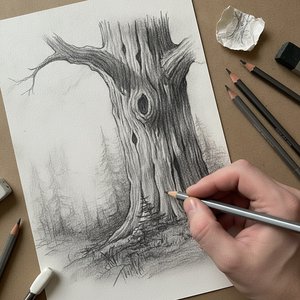
The Power of Graphite: Mastering Depth, Texture, and Detail in the Art of Pencil Drawing
Explore the profound artistry of graphite drawing. Discover professional techniques for mastering depth, texture, and detail through a lens of art history, from classical sketches to modern masterpieces. Elevate your understanding of the pencil medium with our expert guide.

Jan Lievens & Rembrandt: A Comparative Study of Baroque Innovation
Explore the fascinating artistic dialogue between Jan Lievens and Rembrandt van Rijn. Discover Lievens’s unique Baroque style, continental influences, and evolving legacy – a must-read for discerning art collectors.

Golden Light & Dutch Skies: The Timeless Magic of Dutch Golden Age Landscapes
Discover the breathtaking beauty of Dutch Golden Age landscapes. Explore the mastery of light, chiaroscuro, and 17th-century realism through an expert art history lens, celebrating the enduring legacy of the Dutch Masters for discerning collectors and art lovers.
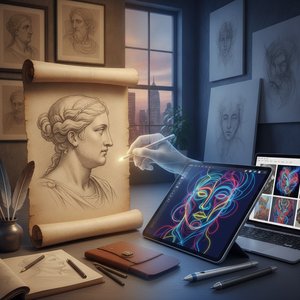
Mastering the Line: A Comprehensive Expert Guide to Technical Precision and Expressive Depth in Drawing
Elevate your artistic practice with this expert guide to mastering the line. Discover advanced techniques in graphite, charcoal, and contour drawing designed for art students seeking technical precision and expressive depth in their fine art studies.



