

 Preverite v realnem okolju
 Pošlji kot čestitko
 Deli
Deli
 Podrobnosti
 Priročnik

 Prenesi
 Podobni artefakti
 Rentgenski posnetek
 Predvajaj diaporama
 Statistika
Verre de Vin Rouge fraises et cerises

 Preberi več
Giclée tisk / Umetniški tisk
Giclée ali platnati odtis muzejske kakovosti z hitro proizvodnjo in prilagodljivimi možnostmi končne obdelave. ( Naročite ročno slikano reprodukcijo Preklop na digitalno sliko)




































Izberite eno od naših vnaprej določenih velikosti, ki ustrezajo prvotnim proporcijam umetničkega dela.

Svoje dimenzije lahko vnesete sami, da bodo ustrezne za določen okvir ali prostor. Če izbrana velikost ne bo skladna z razmerji izvirne slike, bomo umetniško delo orezali ali podaljšali s pomočjo ogledalnega odraza ali barvno polnega roba. Pred začetkom proizvodnje vam bomo poslali digitalni predogled za potrditev.
Upoštevajte, da predogled na zaslonu ne prikazuje dejanskega orezovanja ali podaljševanja. Le digitalni predogled bo natančno prikazal končno kompozicijo.
Čeprav so na voljo prilagojene velikosti, priporočamo izbiro dimenzije s predhodno določenega seznama, da ohranite prvotna razmerja.
Globalna dostava () v 2 tednih namesto standardnih 4/5 tednov. (27 september)

Brezplačna ekspresna dostava po vsem svetu

Visokokakovostno laneno platno

Popolno zavarovanje pošiljke

Garancija povračila carine in uvoznih davkov

Garancija popolnega barvnega ujemanja

Politika vračila v 100 dneh (le v primeru okvar)

Garancija 100% povračila denarja

Popust pri večjem naročilu
 Možnost stekla je na voljo le za velikosti pod 110 cm

Verre de Vin Rouge fraises et cerises
Giclée tisk / Umetniški tisk
Velikost reprodukcije
-


Skupna cena
$ 80
James Ensor’s Verre de Vin Rouge Fraises et Cerises: A Symphony of Color and Unease
James Ensor's *Verre de Vin Rouge Fraises et Cerises*, painted in 1892, stands as a cornerstone of Expressionist art—a testament to the artist’s singular vision and his profound engagement with psychological themes. More than just a depiction of fruit and wine, this oil on panel masterpiece embodies Ensor's characteristic stylistic choices and invites contemplation about the anxieties inherent within seemingly idyllic subjects.The Expressionist Palette: Boldness Beyond Impressionism
Ensor’s approach to color distinguishes him sharply from Impressionists like Monet or Renoir. Rather than capturing fleeting atmospheric effects, he utilizes vibrant hues—particularly reds—to convey emotion directly. As noted in his own words, “J'ai donné un style très libre, le beau style du peintre, style reflétant mes mépris, mes joies, mes peines, mes amours; style de rappels harmonieux, style musical, style sonore, style de plume et de pinceau...” (J. Ensor, Letter to André de Ridder, 2 August 1928). This stylistic freedom echoes the broader Expressionist movement’s desire to bypass rational representation and tap into primal feelings. The audacious reds of the wine glass and fruit—a deliberate contrast against the muted background tones—create a palpable tension that underscores Ensor's preoccupation with darker psychological currents beneath the surface.Compositional Balance and Symbolic Resonance
The arrangement of elements within *Verre de Vin Rouge Fraises et Cerises* is meticulously considered. The wine glass dominates the center, serving as an anchor for the eye while simultaneously symbolizing indulgence and perhaps even concealment. Surrounding it are bowls containing strawberries and cherries—a seemingly cheerful assortment that nevertheless feels subtly unsettling. These fruits, rendered with meticulous detail, contribute to a sense of movement and vibrancy, yet their placement is deliberately asymmetrical, mirroring Ensor’s artistic inclination toward imbalance and disruption. The artist's fascination with masks – a recurring motif in his oeuvre – finds subtle expression here; the stillness of the scene juxtaposed against the implied dynamism of the fruit creates an atmosphere of unease and invites viewers to question appearances.A Legacy Preserved: Museums and Provenance
The painting’s significance extends beyond its aesthetic qualities. Its presence within prominent museums like the Musée d'Art Moderne in Brussels—where Ensor’s work is celebrated—and the McNay Art Museum—which houses a notable collection of Expressionist art—testifies to his enduring influence on artistic discourse. Furthermore, the provenance of *Verre de Vin Rouge Fraises et Cerises*, traced back to Marcel Mabille, underscores its place within one of Europe's finest collections dedicated to Ensor’s oeuvre. This history adds another layer of appreciation for the artwork and reinforces its position as a pivotal piece in the canon of Expressionist painting.Further Exploration: Connecting with Ensor’s Artistic Universe
To delve deeper into James Ensor’s artistic vision, consider visiting /art/list/?Filter=james+ensor,james,ensor& for biographical information and scholarly analyses. Alternatively, explore the McNay Art Museum's collection at /art/list/?Filter=mcnay+art+museum,mcnay,museum& to experience Ensor’s art firsthand. Examining similar works by Walt Kuhn – notably Apple Basket available on /art/list/?Filter=D73A87-Walt-Kuhn-Apple-Basket – can illuminate the broader stylistic trends of the era and enrich your understanding of Ensor's artistic legacy.Biografija umetnika
James Ensor: A Pioneer of Expressionism and Surrealism
James Sidney Edouard Ensor (Ostend, 13 April 1860-19 November 1949) was a Belgian painter and printmaker who stands as one of the most influential figures in the development of Expressionism and Surrealism. Born into an English father and Belgian mother—a duality that profoundly shaped his artistic worldview—Ensor defied convention from the outset, rejecting academic formalism and embracing unsettling imagery rooted in psychological exploration.
Early Influences and Artistic Training
His formative years were marked by exposure to Ostend’s vibrant seaside atmosphere and his parents’ souvenir shop, which stocked exotic objects and carnival masks – stimuli that ignited his imagination and instilled a lifelong fascination with disguise. Ensor pursued formal artistic training at the Académie Royale des Beaux-Arts in Brussels, where he encountered fellow artists like Fernand Khnopff and Theo Van Rysselberghe—connections that fostered intellectual debate and propelled him beyond traditional boundaries.
A Shift Towards Grotesque Visionary Art
Around 1886-1889 Ensor embarked on a transformative stylistic journey, abandoning Impressionistic ideals for Expressionist techniques characterized by bold brushwork and vibrant color palettes. Influenced by Rembrandt’s masterful use of chiaroscuro, Francisco Goya’s unflinching depictions of human suffering, and Japanese woodcuts—a fascination with visual symbolism—Ensor developed a distinctive iconography focused on grotesque figures and unsettling narratives.
Key Masterpieces and Recurring Themes
His most celebrated works – including *Christ's Entry into Brussels* (1888-1889), *The Scandalized Masks* (1883) and *Skeletons Fighting over a Hanged Man* (1891) – exemplify Ensor’s commitment to confronting uncomfortable truths about human psychology and societal hypocrisy. Recurring themes throughout his oeuvre include death, decay, social critique, religious satire, and the boundless potential of imagination—elements that continue to resonate with audiences today.
Legacy and Influence
James Ensor's uncompromising artistic vision solidified his position as a pivotal innovator in modern art, paving the way for Expressionist artists like Edvard Munch and Surrealists like René Magritte. His rejection of academic conventions and embrace of psychological depth profoundly impacted subsequent generations of painters—establishing him as an enduring symbol of artistic rebellion and intellectual courage.

James Ensor
1860 - 1949 , Belgija
Ključne informacije
- Artistic Movement Or Style: Expressionism, Surrealism
- Artists Who Influenced This Artist:
- Pieter Bruegel the Elder
- Francisco Goya
- Whistler
- Date Of Birth: April 13, 1860
- Date Of Death: November 19, 1949
- Full Name: James Sidney Edouard Ensor
- Nationality: Belgian
- Notable Artworks:
- The Scandalized Masks
- Skeletons Fighting...
- Christ's Entry into Brussels
- Place Of Birth: Ostend, Belgium
Sorodni članki

Crimson Threads of Narrative: Exploring Symbolism & Representation in Artworks Featuring the Red Dress
Explore the rich symbolism of the red dress in art history! From ancient power displays to iconic portraits like Cézanne’s 'Madame Cezanne', discover the cultural and artistic significance behind this captivating color. Expert analysis & insights.

Sir Alfred Munnings' Masterpieces: 25 Paintings That Define Equine Art | OriginalUniqueArt
Explore 25 iconic Sir Alfred Munnings paintings! Discover the beauty of British Impressionism, equine art & rural England. Find museum-quality reproductions and elevate your home decor with OriginalUniqueArt. Explore the full collection online.
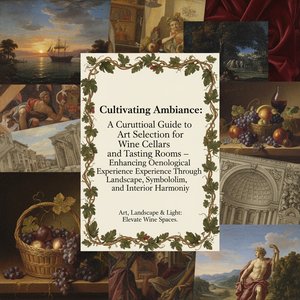
Cultivating Ambiance: A Curatorial Guide to Art Selection for Wine Cellars and Tasting Rooms – Enhancing Oenological Experience Through Landscape, Symbolism, and Interior Harmony
Elevate your wine cellar or tasting room with curated art! Expert guidance on landscape paintings, symbolism & lighting to enhance the oenological experience. Discover how art transforms spaces and tells your winery's story.

James Abbott McNeill Whistler: 25 Mojstrovskih Del za Navdih v Vašem Domu
Odkrijte 25 mojstrovskih del Jamesa Abbotta McNeilla Whistlerja! Preučite zgodbe, tehnike in navdih za njegove ikonične nocturne, portrete in dela estetizma. Najboljše reprodukcije slik online na OriginalUniqueArt.com – umetnost za vaš dom.
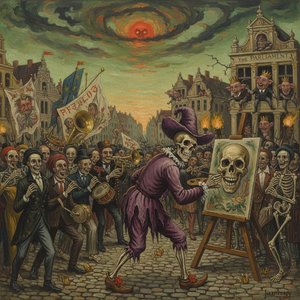
James Ensor's Grotesque Visions: Social Commentary & Artistic Innovation
Explore the unsettling yet captivating world of James Ensor, a pioneer of Expressionism. Discover his satirical masterpieces, symbolic imagery & lasting influence on modern art. High-quality reproductions available at OriginalUniqueArt.


