

 Preverite v realnem okolju
 Pošlji kot čestitko
 Deli
Deli
 Podrobnosti
 Priročnik

 Prenesi
 Podobni artefakti
 Rentgenski posnetek
 Predvajaj diaporama
 Statistika
Rue de Flandre in the Snow


 Preberi več
Giclée tisk / Umetniški tisk
Giclée ali platnati odtis muzejske kakovosti z hitro proizvodnjo in prilagodljivimi možnostmi končne obdelave. ( Naročite ročno slikano reprodukcijo Preklop na digitalno sliko)




































Izberite eno od naših vnaprej določenih velikosti, ki ustrezajo prvotnim proporcijam umetničkega dela.

Vnesite širino in višino, ki jih potrebujete za svoj okvir ali steno. Tiskanje se lahko le odreže, vendar ga ni mogoče narediti večjega od slike, zato format z drugačno obliko pomeni izgubo dela slike. Pred tiskanjem vam pošljemo digitalni predogled za potrditev. Slika, prikazana na tej strani, ne prikazuje dejanskega izrezkov — le predogled to omogoča.
Globalna dostava () v 2 tednih namesto standardnih 4/5 tednov. (25 oktober)

Brezplačna ekspresna dostava po vsem svetu

Visokokakovostno laneno platno

Popolno zavarovanje pošiljke

Garancija povračila carine in uvoznih davkov

Garancija popolnega barvnega ujemanja

Politika vračila v 100 dneh (le v primeru okvar)

Garancija 100% povračila denarja

Popust pri večjem naročilu
 Možnost stekla je na voljo le za velikosti pod 110 cm

Rue de Flandre in the Snow
Giclée tisk / Umetniški tisk
Velikost reprodukcije
-


Skupna cena
€ 70
Introduction to James Ensor and Rue de Flandre in the Snow
James Ensor, a Belgian painter who defied convention and embraced darkness with an unwavering gaze, remains one of the most distinctive voices of Symbolism and Expressionism. His oeuvre is marked by unsettling imagery—masks concealing identities, skeletons looming over landscapes—yet within these disturbing visions lies a profound appreciation for beauty found in unexpected places. Rue de Flandre in the Snow (1880), housed in the Fondation Socindec, exemplifies Ensor’s genius: it's not merely a depiction of winter; it’s an exploration of solitude, contemplation, and the subtle interplay between reality and psychological projection. This oil on canvas masterpiece invites viewers to delve beneath the surface of appearances and confront the anxieties inherent in everyday life.Composition and Visual Elements: A Study in Quiet Tension
The painting presents a deceptively simple scene—a deserted street lined with snow-covered houses against a muted winter sky. Ensor’s masterful use of perspective draws the eye inward, emphasizing the emptiness of the space and amplifying the sense of stillness. The absence of human figures is crucial to conveying this mood; they serve as anchors for our gaze, prompting us to consider what might be hidden beneath the façade of normalcy. Dominating the center of the composition is a fire hydrant—a commonplace object rendered with meticulous detail—which acts as an unsettling focal point, disrupting the serene tranquility and hinting at underlying tension. Ensor’s careful attention to texture—the rough surface of the buildings contrasted with the smooth sheen of the snow—further enhances the visual experience.Stylistic Influences: Expressionism's Embrace of Emotion
Ensor’s artistic style is undeniably rooted in Expressionism, a movement that prioritized conveying inner feelings over objective representation. Like Monet’s evocative landscapes – particularly Vetheuil, Pink Effect and The Boulevard de Pontoise at Argenteuil, Snow Effect – Ensor sought to capture the emotional resonance of his subjects rather than simply reproducing their visual appearance. However, unlike Monet's Impressionistic approach, Ensor deliberately distorted forms and colors to heighten psychological impact. This technique—characterized by bold brushstrokes and jarring juxtapositions—reflects Ensor’s belief that art should confront viewers with uncomfortable truths about the human condition.Symbolism Beyond Surface Appearance
Rue de Flandre in the Snow is laden with symbolic significance. The deserted street represents isolation and alienation, mirroring Ensor's preoccupation with themes of psychological vulnerability. The fire hydrant, seemingly insignificant, symbolizes urban decay and perhaps even a hint of impending doom—a jarring contrast to the pristine snowscape. Ensor’s use of color – predominantly muted blues and whites – contributes to the painting’s melancholic atmosphere, reinforcing its emotional core. These subtle visual cues invite contemplation about mortality, identity, and the anxieties inherent in confronting the complexities of modern life.Comparison with Claude Monet: Shared Landscape Themes, Divergent Visions
While Ensor and Monet shared a fascination with winter landscapes—Monet famously capturing the ethereal beauty of snowy scenes—their artistic approaches differed markedly. Where Monet aimed for luminous impressions of light and color, Ensor deliberately employed distortion and symbolism to express inner turmoil. Rue de Flandre in the Snow stands as testament to Ensor’s singular vision: a haunting portrayal of solitude that transcends mere visual depiction, cementing its place as a cornerstone of Expressionist art and an enduring symbol of artistic innovation.Vprašanja in odgovori
Katera barva prevladuje v kompoziciji dela "Rue de Flandre in the Snow" avtorja James Ensor?
Prevladujoča barva dela "Rue de Flandre in the Snow" avtorja James Ensor je Quinacridone Magenta (#7f5a44).
Kakšno zasičenje barv ima "Rue de Flandre in the Snow" avtorja James Ensor?
Barve dela "Rue de Flandre in the Snow" avtorja James Ensor imajo Subtle Color zasičenost. Zasičenost opisuje, kako živahne ali utišane so barve.
Kdo je avtor dela "Rue de Flandre in the Snow" in v katerem gibanju?
Za delom "Rue de Flandre in the Snow" sta James Ensor in gibanje Expressionism.
Biografija umetnika
James Ensor: A Pioneer of Expressionism and Surrealism
James Sidney Edouard Ensor (Ostend, 13 April 1860-19 November 1949) was a Belgian painter and printmaker who stands as one of the most influential figures in the development of Expressionism and Surrealism. Born into an English father and Belgian mother—a duality that profoundly shaped his artistic worldview—Ensor defied convention from the outset, rejecting academic formalism and embracing unsettling imagery rooted in psychological exploration.
Early Influences and Artistic Training
His formative years were marked by exposure to Ostend’s vibrant seaside atmosphere and his parents’ souvenir shop, which stocked exotic objects and carnival masks – stimuli that ignited his imagination and instilled a lifelong fascination with disguise. Ensor pursued formal artistic training at the Académie Royale des Beaux-Arts in Brussels, where he encountered fellow artists like Fernand Khnopff and Theo Van Rysselberghe—connections that fostered intellectual debate and propelled him beyond traditional boundaries.
A Shift Towards Grotesque Visionary Art
Around 1886-1889 Ensor embarked on a transformative stylistic journey, abandoning Impressionistic ideals for Expressionist techniques characterized by bold brushwork and vibrant color palettes. Influenced by Rembrandt’s masterful use of chiaroscuro, Francisco Goya’s unflinching depictions of human suffering, and Japanese woodcuts—a fascination with visual symbolism—Ensor developed a distinctive iconography focused on grotesque figures and unsettling narratives.
Key Masterpieces and Recurring Themes
His most celebrated works – including *Christ's Entry into Brussels* (1888-1889), *The Scandalized Masks* (1883) and *Skeletons Fighting over a Hanged Man* (1891) – exemplify Ensor’s commitment to confronting uncomfortable truths about human psychology and societal hypocrisy. Recurring themes throughout his oeuvre include death, decay, social critique, religious satire, and the boundless potential of imagination—elements that continue to resonate with audiences today.
Legacy and Influence
James Ensor's uncompromising artistic vision solidified his position as a pivotal innovator in modern art, paving the way for Expressionist artists like Edvard Munch and Surrealists like René Magritte. His rejection of academic conventions and embrace of psychological depth profoundly impacted subsequent generations of painters—establishing him as an enduring symbol of artistic rebellion and intellectual courage.

James Ensor
1860 - 1949 , Belgija
Ključne informacije
- Artistic Movement Or Style: Expressionism, Surrealism
- Artists Who Influenced This Artist:
- Pieter Bruegel the Elder
- Francisco Goya
- Whistler
- Date Of Birth: April 13, 1860
- Date Of Death: November 19, 1949
- Full Name: James Sidney Edouard Ensor
- Nationality: Belgian
- Notable Artworks:
- The Scandalized Masks
- Skeletons Fighting...
- Christ's Entry into Brussels
- Place Of Birth: Ostend, Belgium
Sorodni članki

James Abbott McNeill Whistler: 25 Mojstrovskih Del za Navdih v Vašem Domu
Odkrijte 25 mojstrovskih del Jamesa Abbotta McNeilla Whistlerja! Preučite zgodbe, tehnike in navdih za njegove ikonične nocturne, portrete in dela estetizma. Najboljše reprodukcije slik online na OriginalUniqueArt.com – umetnost za vaš dom.

Francisco Goya: 25 Mojstrovin Španskega Slikarja za Vaš Dom | OriginalUniqueArt
Odkrijte 25 mojstrovin Francisca Goye – od portretov do Črne serije. Preberite zgodbe za vsako sliko, tehnike in navdih. Kvalitetne reprodukcije slik za vaš dom na OriginalUniqueArt.com! Raziskajte celotno zbirko online.

Sir Alfred Munnings' Masterpieces: 25 Paintings That Define Equine Art | OriginalUniqueArt
Explore 25 iconic Sir Alfred Munnings paintings! Discover the beauty of British Impressionism, equine art & rural England. Find museum-quality reproductions and elevate your home decor with OriginalUniqueArt. Explore the full collection online.

About Us
Discover our story! We bring world-class art into your life through expert curation, personalized creations, and free previews. Trusted by individuals and businesses since 2000.
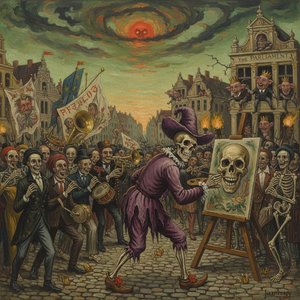
James Ensor's Grotesque Visions: Social Commentary & Artistic Innovation
Explore the unsettling yet captivating world of James Ensor, a pioneer of Expressionism. Discover his satirical masterpieces, symbolic imagery & lasting influence on modern art. High-quality reproductions available at OriginalUniqueArt.


