

 Predogled
 Pošlji
 Deli
Deli
 Podrobnosti o delu

 Prenesi
 Podobni izdelki
 Rentgenski posnetek
 Predvajaj diaporama
Plague Below, Plague Above, Plague Everywhere

 Razviljaj več
Ročno izdelana oljna reprodukcija
Ročno slikano olje na platnu v vaši izbiri velikosti in okvirja, izdelano po naročilu naših umetnikov. ( Kupi tisk Kupi digitalno sliko)




P118B $10

P118H $10

P118W $10

P438Z $10

P508JH $12

P508YH $12

P805H $10

P805Z $10

P919BZ $10

P919G $10

P919XJ $10

P959ZH $10

P968JZ $12

W106C $8

W218G $10

W218JH $8

W218Y $10

W307PJ $10

W316G $10

W316PJ $8

W316Y $10

W398PJ $8

W4111J $10

W500HY $15

W500JH $15

W692G $12

W849H $8

W940BG $15

W953PJ $8




Izberite eno od naših vnaprej določenih velikosti, ki ustrezajo prvotnim proporcijam umetničkega dela.

Svoje dimenzije lahko vnesete tako, da se prilagodite določenemu okvirju ali prostoru. Če izbrana velikost ne ustreza razmerjem originalne slike, bomo umetniško delo obrezali ali sliko dopolnili z dodatnimi ročno naslikanimi elementi. Pred začetkom proizvodnje vam bo poslan digitalni osnutek v odobritev.
Upoštevajte, da predogled na zaslonu ne odraža dejanskega obrezovanja ali podaljšanja. Le osnutek bo natančno prikazal končno kompozicijo.
Čeprav so na voljo velikosti po meri, priporočamo izbiro dimenzije s preddefiniranega seznama, da ohranimo originalne razmere.
Po oddaji naročila bo ekipa OriginalUniqueArt.com stranki po e-pošti poslala navodila in predogled digitalnega predogleda.
Svetska dostava () za 3/4 nedelje umesto uobičajenih 5 nedelja. (22 avgust). Bez kompromisa po pitanju kvaliteta.

Brezplačna ekspresna dostava po vsem svetu

Visokokakovostno laneno platno

Popolno zavarovanje pošiljke

Garancija povračila carine in uvoznih davkov

Garancija popolnega ujemanja barv

60-dnevna politika vračanja (le v primeru napak)

Garancija 100% povračila denarja

Popust pri večjem naročilu
 Možnost stekla je na voljo le za velikosti pod 110 cm

Plague Below, Plague Above, Plague Everywhere
Tehnika reprodukcije
Velikost reprodukcije
-


Skupna končna cena
$ 300
Opis umetninine
Plague Below, Plague Above, Plague Everywhere: An Exploration of James Ensor’s Disturbing Vision
James Ensor's "Plague Below, Plague Above, Plague Everywhere" stands as a cornerstone of Symbolist art and Belgian Expressionism—a haunting tableau that confronts viewers with unsettling imagery and profound psychological insight. Painted in 1904, this monochrome etching captures the artist’s preoccupation with mortality, societal hypocrisy, and the pervasive influence of masks upon human experience. Let's delve into the layers of meaning embedded within this iconic artwork.The Visual Landscape: Composition and Technique
The painting’s composition immediately establishes a sense of unease. A group of figures—nine individuals in total—are seated on a bench overlooking a stylized map or drawing of a city. The stark black and white palette amplifies the drama, emphasizing textures and contours with meticulous detail achieved through Ensor's masterful etching technique. Lines are drawn with considerable pressure, creating deep shadows and highlighting surfaces to convey an atmosphere of claustrophobia and impending doom. Notice how Ensor utilizes hatching—parallel lines closely spaced—to build up tonal variations, simulating the gloominess of a rainy day and mirroring the pervasive sense of dread that permeates the scene. The artist’s deliberate choice of monochrome underscores his desire to strip away superficial appearances, exposing the underlying anxieties of his time.Symbolism: Masks, Mortality, and Societal Critique
At the heart of Ensor's artistic vision lies a preoccupation with masks—a motif recurrent throughout his oeuvre. In “Plague Below, Plague Above,” the figures on the bench are adorned with masks that obscure their faces, symbolizing the deceptive nature of human identity and concealing true emotions. This visual metaphor aligns perfectly with Symbolist concerns about unveiling hidden realities and confronting uncomfortable truths. The skeletal figure dominating the composition serves as a stark reminder of mortality—a deliberate allusion to Dante’s Inferno and a commentary on humanity's inevitable confrontation with death. Ensor doesn’t shy away from portraying grotesque imagery, reflecting his belief that art should challenge conventional notions of beauty and provoke contemplation about existential anxieties.Historical Context: The Symbolist Movement and Belgian Artistic Expression
James Ensor emerged during the height of the Symbolist movement—a reaction against Impressionism's focus on fleeting sensations and optical realism. Symbolists sought to express inner emotions and spiritual truths through evocative imagery, prioritizing psychological depth over visual accuracy. Ensor’s work embodies this ethos, rejecting academic conventions in favor of a raw, emotionally charged style that anticipates Expressionism’s later explorations of subjective experience. The painting reflects the anxieties prevalent in Belgium at the turn of the century—concerns about social upheaval, religious skepticism, and the looming shadow of war. Ensor's unflinching portrayal of human suffering speaks to broader themes of disillusionment and despair, cementing his place as a pivotal figure in Belgian art history.Emotional Impact: Confronting Darkness Within Ourselves
“Plague Below, Plague Above” isn’t merely aesthetically striking; it possesses a profound emotional impact on the viewer. Ensor compels us to confront uncomfortable truths about human nature—our vulnerability to fear, our tendency towards deception, and our inescapable awareness of mortality. The painting's unsettling atmosphere lingers long after viewing, prompting reflection on the darker aspects of existence. It’s a testament to Ensor’s ability to translate psychological anxieties into visual form, demonstrating that art can serve as a catalyst for introspection and a powerful tool for exploring the complexities of the human condition. This artwork continues to resonate with audiences today because it captures an enduring preoccupation—the unsettling realization that beneath the veneer of social convention lies a pervasive darkness within ourselves.Biografija umetnika
James Ensor: A Pioneer of Expressionism and Surrealism
James Sidney Edouard Ensor (Ostend, 13 April 1860-19 November 1949) was a Belgian painter and printmaker who stands as one of the most influential figures in the development of Expressionism and Surrealism. Born into an English father and Belgian mother—a duality that profoundly shaped his artistic worldview—Ensor defied convention from the outset, rejecting academic formalism and embracing unsettling imagery rooted in psychological exploration.
Early Influences and Artistic Training
His formative years were marked by exposure to Ostend’s vibrant seaside atmosphere and his parents’ souvenir shop, which stocked exotic objects and carnival masks – stimuli that ignited his imagination and instilled a lifelong fascination with disguise. Ensor pursued formal artistic training at the Académie Royale des Beaux-Arts in Brussels, where he encountered fellow artists like Fernand Khnopff and Theo Van Rysselberghe—connections that fostered intellectual debate and propelled him beyond traditional boundaries.
A Shift Towards Grotesque Visionary Art
Around 1886-1889 Ensor embarked on a transformative stylistic journey, abandoning Impressionistic ideals for Expressionist techniques characterized by bold brushwork and vibrant color palettes. Influenced by Rembrandt’s masterful use of chiaroscuro, Francisco Goya’s unflinching depictions of human suffering, and Japanese woodcuts—a fascination with visual symbolism—Ensor developed a distinctive iconography focused on grotesque figures and unsettling narratives.
Key Masterpieces and Recurring Themes
His most celebrated works – including *Christ's Entry into Brussels* (1888-1889), *The Scandalized Masks* (1883) and *Skeletons Fighting over a Hanged Man* (1891) – exemplify Ensor’s commitment to confronting uncomfortable truths about human psychology and societal hypocrisy. Recurring themes throughout his oeuvre include death, decay, social critique, religious satire, and the boundless potential of imagination—elements that continue to resonate with audiences today.
Legacy and Influence
James Ensor's uncompromising artistic vision solidified his position as a pivotal innovator in modern art, paving the way for Expressionist artists like Edvard Munch and Surrealists like René Magritte. His rejection of academic conventions and embrace of psychological depth profoundly impacted subsequent generations of painters—establishing him as an enduring symbol of artistic rebellion and intellectual courage.

James Ensor
1860 - 1949 , Belgija
Hitri podatki
- Artistic Movement Or Style: Expressionism, Surrealism
- Artists Who Influenced This Artist:
- Pieter Bruegel the Elder
- Francisco Goya
- Whistler
- Date Of Birth: April 13, 1860
- Date Of Death: November 19, 1949
- Full Name: James Sidney Edouard Ensor
- Nationality: Belgian
- Notable Artworks:
- The Scandalized Masks
- Skeletons Fighting...
- Christ's Entry into Brussels
- Place Of Birth: Ostend, Belgium
Sorodni članki

James Abbott McNeill Whistler: 25 Mojstrovskih Del za Navdih v Vašem Domu
Odkrijte 25 mojstrovskih del Jamesa Abbotta McNeilla Whistlerja! Preučite zgodbe, tehnike in navdih za njegove ikonične nocturne, portrete in dela estetizma. Najboljše reprodukcije slik online na OriginalUniqueArt.com – umetnost za vaš dom.
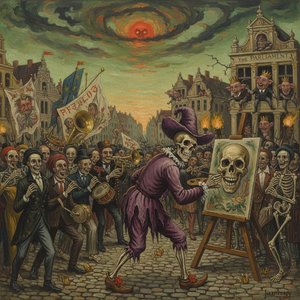
James Ensor's Grotesque Visions: Social Commentary & Artistic Innovation
Explore the unsettling yet captivating world of James Ensor, a pioneer of Expressionism. Discover his satirical masterpieces, symbolic imagery & lasting influence on modern art. High-quality reproductions available at OriginalUniqueArt.
Etching Masters: 10 Legendary Prints That Revolutionized Art | OriginalUniqueArt
Journey through 10 legendary etching masterpieces by Rembrandt, Dürer & Goya. Explore the history of printmaking and discover timeless art for your home. Find museum-quality reproductions at OriginalUniqueArt.com.

Etching: A Historical Survey of Technique, Aesthetic Qualities & Enduring Artistic Significance
Explore the rich history of etching, from its origins to Rembrandt's masterful innovations. Discover the technique, aesthetic qualities & enduring legacy of this captivating art form. Expert insights for collectors and enthusiasts.
Sir Alfred Munnings' Masterpieces: 25 Paintings That Define Equine Art | OriginalUniqueArt
Explore 25 iconic Sir Alfred Munnings paintings! Discover the beauty of British Impressionism, equine art & rural England. Find museum-quality reproductions and elevate your home decor with OriginalUniqueArt. Explore the full collection online.



