

 Preverite v realnem okolju
 Pošlji kot čestitko
 Deli
Deli
 Podrobnosti
 Priročnik

 Prenesi
 Podobni artefakti
 Rentgenski posnetek
 Predvajaj diaporama
 Statistika
Ecce Homo (Christ and the Critics)

 Preberi več
Giclée tisk / Umetniški tisk
Giclée ali platnati odtis muzejske kakovosti z hitro proizvodnjo in prilagodljivimi možnostmi končne obdelave. ( Naročite ročno slikano reprodukcijo Preklop na digitalno sliko)




P118B €10

P118H €10

P118W €10

P438Z €10

P508JH €12

P508YH €12

P805H €10

P805Z €10

P919BZ €10

P919G €10

P919XJ €10

P959ZH €10

P968JZ €12

W106C €8

W218G €10

W218JH €8

W218Y €10

W307PJ €10

W316G €10

W316PJ €8

W316Y €10

W398PJ €8

W4111J €10

W500HY €15

W500JH €15

W692G €12

W849H €8

W940BG €15

W953PJ €8




Izberite eno od naših vnaprej določenih velikosti, ki ustrezajo prvotnim proporcijam umetničkega dela.

Vnesite širino in višino, ki jih potrebujete za svoj okvir ali steno. Tiskanje se lahko le odreže, vendar ga ni mogoče narediti večjega od slike, zato format z drugačno obliko pomeni izgubo dela slike. Pred tiskanjem vam pošljemo digitalni predogled za potrditev. Slika, prikazana na tej strani, ne prikazuje dejanskega izrezkov — le predogled to omogoča.
Globalna dostava () v 2 tednih namesto standardnih 4/5 tednov. (23 oktober)

Brezplačna ekspresna dostava po vsem svetu

Visokokakovostno laneno platno

Popolno zavarovanje pošiljke

Garancija povračila carine in uvoznih davkov

Garancija popolnega barvnega ujemanja

Politika vračila v 100 dneh (le v primeru okvar)

Garancija 100% povračila denarja

Popust pri večjem naročilu
 Možnost stekla je na voljo le za velikosti pod 110 cm

Ecce Homo (Christ and the Critics)
Giclée tisk / Umetniški tisk
Velikost reprodukcije
-


Skupna cena
€ 70
A Confrontation of Faith and Critique: Unveiling James Ensor’s *Ecce Homo (Christ and the Critics)*
James Ensor, a pivotal figure bridging 19th-century Symbolism and early 20th-century Expressionism, delivers a powerfully unsettling statement in *Ecce Homo (Christ and the Critics)*. This work isn't merely a painting; it’s a visceral exploration of judgment, societal hypocrisy, and the enduring struggle between faith and skepticism. Born from a period of intense personal turmoil and social upheaval, Ensor’s masterpiece continues to resonate with contemporary audiences, prompting reflection on our own tendencies toward scrutiny and condemnation.Subject Matter & Narrative
The painting presents a starkly intimate scene featuring three male figures. A central figure, draped in what appears to be classical attire and adorned with a laurel wreath – symbols traditionally associated with victory or sanctity – holds a single red rose. He is the focal point of intense scrutiny from two onlookers. One observer sports modern spectacles and a mustache, grounding the timeless narrative within a contemporary context. The composition immediately establishes a dynamic tension: one figure presented, seemingly vulnerable, and two others engaged in critical observation. This arrangement directly references the biblical *Ecce Homo* ("Behold the Man") moment when Pontius Pilate presents Jesus Christ to the crowd before his crucifixion, setting the stage for a profound meditation on judgment and persecution.Artistic Style & Technique
Ensor’s style in this work is distinctly Expressionist, characterized by bold brushstrokes, vibrant yet often unsettling color palettes, and deliberate distortions of form. The figures aren't rendered with photographic realism; instead, their features are exaggerated to convey emotional intensity and psychological depth. This expressive approach prioritizes the *feeling* of the scene over precise representation. The painting’s texture is rich and layered, suggesting a build-up of both paint and emotion. While details regarding the specific technique (oil on canvas) are known, the photo description suggests watercolor influences in its blending and surface quality – hinting at Ensor's experimental approach to media.Symbolism & Interpretation
The symbolism within *Ecce Homo* is multi-layered and deliberately provocative. The red rose, traditionally associated with Christ’s passion and sacrifice, becomes a poignant symbol of vulnerability in the face of judgment. The laurel wreath hints at both honor and potential martyrdom. The modern attire of one critic suggests that this critique isn't confined to biblical times but is an ongoing human tendency. Ensor masterfully uses these symbols to challenge viewers to consider their own roles as observers and judges. Is society quick to condemn those who embody virtue or difference? The very title, echoing Pilate’s presentation of Christ, underscores the theme of societal judgment and its potential for cruelty.Historical Context & Ensor's Vision
Born in 1860, James Ensor lived through a period of rapid social and political change. He was deeply critical of bourgeois society, religious hypocrisy, and the stifling conventions of his time. His art often served as a vehicle for satire and social commentary. *Ecce Homo* reflects this rebellious spirit, challenging traditional representations of Christ and questioning the motives behind societal judgment. Ensor’s work anticipated many of the themes that would come to define Expressionism – alienation, anxiety, and the subjective experience of reality.Emotional Impact & Lasting Relevance
*Ecce Homo (Christ and the Critics)* is a deeply unsettling yet profoundly moving artwork. It evokes feelings of vulnerability, isolation, and moral discomfort. The painting’s enduring power lies in its ability to force viewers to confront their own biases and prejudices. It serves as a timeless reminder that judgment can be a destructive force and that empathy and understanding are essential for fostering a more compassionate world. This is not simply a historical piece; it's a mirror reflecting our contemporary struggles with acceptance, tolerance, and the courage to challenge societal norms.Collecting & Interior Design Considerations
A high-quality reproduction of *Ecce Homo* can serve as a striking focal point in any interior space. Its complex composition and rich symbolism lend themselves well to contemplative environments – libraries, studies, or living rooms designed for intellectual engagement. The painting’s muted color palette complements both modern and traditional décor styles. Its thought-provoking nature makes it an ideal conversation starter and a testament to the collector's appreciation for art that challenges and inspires.- Explore *Ecce Homo* at OriginalUniqueArt.com
- Discover more works by James Ensor
- View *The Wise Judges* – another compelling work by Ensor
Vprašanja in odgovori
Ali "Ecce Homo (Christ and the Critics)" prikazuje močne svetlo-temne kontraste?
"Ecce Homo (Christ and the Critics)" avtorja James Ensor prikazuje Statement kontrast med svetlim in temnimi cončami.
Pri katerih dimenzijah se priporoča tiskanje dela "Ecce Homo (Christ and the Critics)"?
Za "Ecce Homo (Christ and the Critics)" avtorja James Ensor priporočamo reprodukcijo v velikosti Large. Velikost je mogoče prilagoditi, pri čemer se ohranijo razmerja.
Katera je prevladujoča barvna tonina dela "Ecce Homo (Christ and the Critics)" avtorja James Ensor?
Prevladujoča barva dela "Ecce Homo (Christ and the Critics)" avtorja James Ensor je Golden Yellow Range. Ta barva predstavlja osnovni ton palete.
Biografija umetnika
James Ensor: A Pioneer of Expressionism and Surrealism
James Sidney Edouard Ensor (Ostend, 13 April 1860-19 November 1949) was a Belgian painter and printmaker who stands as one of the most influential figures in the development of Expressionism and Surrealism. Born into an English father and Belgian mother—a duality that profoundly shaped his artistic worldview—Ensor defied convention from the outset, rejecting academic formalism and embracing unsettling imagery rooted in psychological exploration.
Early Influences and Artistic Training
His formative years were marked by exposure to Ostend’s vibrant seaside atmosphere and his parents’ souvenir shop, which stocked exotic objects and carnival masks – stimuli that ignited his imagination and instilled a lifelong fascination with disguise. Ensor pursued formal artistic training at the Académie Royale des Beaux-Arts in Brussels, where he encountered fellow artists like Fernand Khnopff and Theo Van Rysselberghe—connections that fostered intellectual debate and propelled him beyond traditional boundaries.
A Shift Towards Grotesque Visionary Art
Around 1886-1889 Ensor embarked on a transformative stylistic journey, abandoning Impressionistic ideals for Expressionist techniques characterized by bold brushwork and vibrant color palettes. Influenced by Rembrandt’s masterful use of chiaroscuro, Francisco Goya’s unflinching depictions of human suffering, and Japanese woodcuts—a fascination with visual symbolism—Ensor developed a distinctive iconography focused on grotesque figures and unsettling narratives.
Key Masterpieces and Recurring Themes
His most celebrated works – including *Christ's Entry into Brussels* (1888-1889), *The Scandalized Masks* (1883) and *Skeletons Fighting over a Hanged Man* (1891) – exemplify Ensor’s commitment to confronting uncomfortable truths about human psychology and societal hypocrisy. Recurring themes throughout his oeuvre include death, decay, social critique, religious satire, and the boundless potential of imagination—elements that continue to resonate with audiences today.
Legacy and Influence
James Ensor's uncompromising artistic vision solidified his position as a pivotal innovator in modern art, paving the way for Expressionist artists like Edvard Munch and Surrealists like René Magritte. His rejection of academic conventions and embrace of psychological depth profoundly impacted subsequent generations of painters—establishing him as an enduring symbol of artistic rebellion and intellectual courage.

James Ensor
1860 - 1949 , Belgija
Ključne informacije
- Artistic Movement Or Style: Expressionism, Surrealism
- Artists Who Influenced This Artist:
- Pieter Bruegel the Elder
- Francisco Goya
- Whistler
- Date Of Birth: April 13, 1860
- Date Of Death: November 19, 1949
- Full Name: James Sidney Edouard Ensor
- Nationality: Belgian
- Notable Artworks:
- The Scandalized Masks
- Skeletons Fighting...
- Christ's Entry into Brussels
- Place Of Birth: Ostend, Belgium
Sorodni članki

James Abbott McNeill Whistler: 25 Mojstrovskih Del za Navdih v Vašem Domu
Odkrijte 25 mojstrovskih del Jamesa Abbotta McNeilla Whistlerja! Preučite zgodbe, tehnike in navdih za njegove ikonične nocturne, portrete in dela estetizma. Najboljše reprodukcije slik online na OriginalUniqueArt.com – umetnost za vaš dom.

Sir Alfred Munnings' Masterpieces: 25 Paintings That Define Equine Art | OriginalUniqueArt
Explore 25 iconic Sir Alfred Munnings paintings! Discover the beauty of British Impressionism, equine art & rural England. Find museum-quality reproductions and elevate your home decor with OriginalUniqueArt. Explore the full collection online.
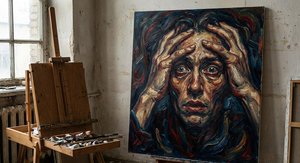
Figurative Expressionism: Emotional Intensity & Subjective Reality in 20th-Century Art
Explore the powerful world of Figurative Expressionism with OriginalUniqueArt. Discover key artists like Kirchner & Beckmann, understand its emotional depth, and learn how to collect this influential 20th-century art movement.
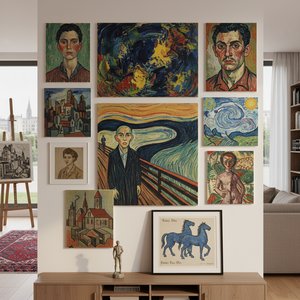
Izrazi čustev: 10 mojstrovin ekspresionizma za vaš dom
Odkrijte 10 mojstrovin ekspresionizma, ki so zaznamovale umetnost! Edvard Munch, Nolde & Kirchner – spoznajte zgodbe in čustva za vsakim delom. Najboljša zbirka reprodukcij na OriginalUniqueArt.com!
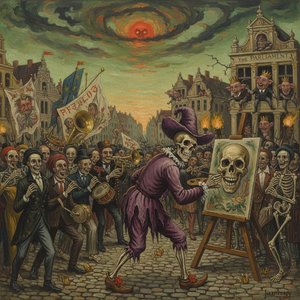
James Ensor's Grotesque Visions: Social Commentary & Artistic Innovation
Explore the unsettling yet captivating world of James Ensor, a pioneer of Expressionism. Discover his satirical masterpieces, symbolic imagery & lasting influence on modern art. High-quality reproductions available at OriginalUniqueArt.


