

 Predogled
 Pošlji
 Deli
Deli
 Podrobnosti o delu

 Prenesi
 Podobni izdelki
 Rentgenski posnetek
 Predvajaj diaporama
Coquillages


 Razviljaj več
Ročno izdelana oljna reprodukcija
Ročno slikano olje na platnu v vaši izbiri velikosti in okvirja, izdelano po naročilu naših umetnikov. ( Kupi tisk Kupi digitalno sliko)




P118B $10

P118H $10

P118W $10

P438Z $10

P508JH $12

P508YH $12

P805H $10

P805Z $10

P919BZ $10

P919G $10

P919XJ $10

P959ZH $10

P968JZ $12

W106C $8

W218G $10

W218JH $8

W218Y $10

W307PJ $10

W316G $10

W316PJ $8

W316Y $10

W398PJ $8

W4111J $10

W500HY $15

W500JH $15

W692G $12

W849H $8

W940BG $15

W953PJ $8




Izberite eno od naših vnaprej določenih velikosti, ki ustrezajo prvotnim proporcijam umetničkega dela.

Svoje dimenzije lahko vnesete tako, da se prilagodite določenemu okvirju ali prostoru. Če izbrana velikost ne ustreza razmerjem originalne slike, bomo umetniško delo obrezali ali sliko dopolnili z dodatnimi ročno naslikanimi elementi. Pred začetkom proizvodnje vam bo poslan digitalni osnutek v odobritev.
Upoštevajte, da predogled na zaslonu ne odraža dejanskega obrezovanja ali podaljšanja. Le osnutek bo natančno prikazal končno kompozicijo.
Čeprav so na voljo velikosti po meri, priporočamo izbiro dimenzije s preddefiniranega seznama, da ohranimo originalne razmere.
Po oddaji naročila bo ekipa OriginalUniqueArt.com stranki po e-pošti poslala navodila in predogled digitalnega predogleda.
Svetska dostava () za 3/4 nedelje umesto uobičajenih 5 nedelja. (2 september). Bez kompromisa po pitanju kvaliteta.

Brezplačna ekspresna dostava po vsem svetu

Visokokakovostno laneno platno

Popolno zavarovanje pošiljke

Garancija povračila carine in uvoznih davkov

Garancija popolnega ujemanja barv

60-dnevna politika vračanja (le v primeru napak)

Garancija 100% povračila denarja

Popust pri večjem naročilu
 Možnost stekla je na voljo le za velikosti pod 110 cm

Coquillages
Tehnika reprodukcije
Velikost reprodukcije
-


Skupna končna cena
$ 300
A Symphony of Shells and Shadows
In the quiet, meticulously arranged world of James Ensor’s “Coquillages,” the viewer is invited into an intimate encounter with the tactile beauty of the natural world. This exquisite still life presents a curated assembly of seashells—clams, scallops, and various marine treasures—resting upon a rustic wooden table. Interspersed among these calcified remnants of the sea are vibrant morsels of fruit, perhaps oranges or lemons, which inject a sudden, sun-drenched vitality into an otherwise somber composition. The painting is far more than a mere study of objects; it is a masterful orchestration of light and texture that captures the very essence of Symbolist realism.
Ensor, a Belgian master whose soul was deeply shaped by the seaside atmosphere of Ostend, eschewed the fleeting impressions of his contemporaries to focus on the profound materiality of his subjects. Through a sophisticated application of oil on canvas, he builds up layers of paint that create a palpable, sculptural depth. One can almost feel the rough, weathered ridges of the shells and the smooth, waxy skin of the fruit beneath their gaze. This technique allows the artwork to transcend the two-dimensional plane, offering a sensory experience that is as much about touch as it is about sight.
The Language of Symbolism and Time
Beyond its surface beauty, “Coquillages” serves as a profound meditation on the cyclical nature of existence. Within the context of the late 19th-century Symbolist movement, every element in this composition carries a weight of psychological significance. The seashells, with their varied hues of cream, ochre, and deep crimson, act as silent witnesses to the passage of time. They represent fragility and decay—the skeletal remains of life once vibrant and moving. By juxtaposing these symbols of mortality against the lush, succulent fruit that represents abundance and life's peak vitality, Ensor creates a poignant tension between the ephemeral and the eternal.
This duality is central to the emotional resonance of the piece. There is an unsettling stillness within the frame, a quietude that encourages deep introspection. For the collector or the art enthusiast, the painting offers a window into the artist's ability to find the extraordinary within the ordinary. It is a work that does not merely decorate a space but inhabits it, prompting a contemplative mood that lingers long after the viewer has turned away.
An Enduring Legacy for the Discerning Collector
For interior designers and connoisseurs of fine art, “Coquillages” represents a timeless investment in atmosphere. Its palette—a sophisticated blend of earthy neutrals punctuated by brilliant citrus tones—makes it a versatile masterpiece capable of anchoring a room with both elegance and intellectual depth. Whether placed in a contemporary gallery setting or a classic, richly textured study, the painting brings with it a sense of historical gravity and artistic prestige.
Owning a high-quality reproduction of this Ensor masterpiece allows one to bring the hauntingly beautiful spirit of Belgian Symbolism into the modern home. It is an opportunity to possess a fragment of a world where every object tells a story, and every brushstroke whispers of the mysteries hidden within the natural world. In “Coquillages,” Ensor has gifted us a permanent sanctuary of beauty, texture, and profound emotional truth.
Biografija umetnika
James Ensor: A Pioneer of Expressionism and Surrealism
James Sidney Edouard Ensor (Ostend, 13 April 1860-19 November 1949) was a Belgian painter and printmaker who stands as one of the most influential figures in the development of Expressionism and Surrealism. Born into an English father and Belgian mother—a duality that profoundly shaped his artistic worldview—Ensor defied convention from the outset, rejecting academic formalism and embracing unsettling imagery rooted in psychological exploration.
Early Influences and Artistic Training
His formative years were marked by exposure to Ostend’s vibrant seaside atmosphere and his parents’ souvenir shop, which stocked exotic objects and carnival masks – stimuli that ignited his imagination and instilled a lifelong fascination with disguise. Ensor pursued formal artistic training at the Académie Royale des Beaux-Arts in Brussels, where he encountered fellow artists like Fernand Khnopff and Theo Van Rysselberghe—connections that fostered intellectual debate and propelled him beyond traditional boundaries.
A Shift Towards Grotesque Visionary Art
Around 1886-1889 Ensor embarked on a transformative stylistic journey, abandoning Impressionistic ideals for Expressionist techniques characterized by bold brushwork and vibrant color palettes. Influenced by Rembrandt’s masterful use of chiaroscuro, Francisco Goya’s unflinching depictions of human suffering, and Japanese woodcuts—a fascination with visual symbolism—Ensor developed a distinctive iconography focused on grotesque figures and unsettling narratives.
Key Masterpieces and Recurring Themes
His most celebrated works – including *Christ's Entry into Brussels* (1888-1889), *The Scandalized Masks* (1883) and *Skeletons Fighting over a Hanged Man* (1891) – exemplify Ensor’s commitment to confronting uncomfortable truths about human psychology and societal hypocrisy. Recurring themes throughout his oeuvre include death, decay, social critique, religious satire, and the boundless potential of imagination—elements that continue to resonate with audiences today.
Legacy and Influence
James Ensor's uncompromising artistic vision solidified his position as a pivotal innovator in modern art, paving the way for Expressionist artists like Edvard Munch and Surrealists like René Magritte. His rejection of academic conventions and embrace of psychological depth profoundly impacted subsequent generations of painters—establishing him as an enduring symbol of artistic rebellion and intellectual courage.

James Ensor
1860 - 1949 , Belgija
Hitri podatki
- Artistic Movement Or Style: Expressionism, Surrealism
- Artists Who Influenced This Artist:
- Pieter Bruegel the Elder
- Francisco Goya
- Whistler
- Date Of Birth: April 13, 1860
- Date Of Death: November 19, 1949
- Full Name: James Sidney Edouard Ensor
- Nationality: Belgian
- Notable Artworks:
- The Scandalized Masks
- Skeletons Fighting...
- Christ's Entry into Brussels
- Place Of Birth: Ostend, Belgium
Sorodni članki

James Abbott McNeill Whistler: 25 Mojstrovskih Del za Navdih v Vašem Domu
Odkrijte 25 mojstrovskih del Jamesa Abbotta McNeilla Whistlerja! Preučite zgodbe, tehnike in navdih za njegove ikonične nocturne, portrete in dela estetizma. Najboljše reprodukcije slik online na OriginalUniqueArt.com – umetnost za vaš dom.

Sir Alfred Munnings' Masterpieces: 25 Paintings That Define Equine Art | OriginalUniqueArt
Explore 25 iconic Sir Alfred Munnings paintings! Discover the beauty of British Impressionism, equine art & rural England. Find museum-quality reproductions and elevate your home decor with OriginalUniqueArt. Explore the full collection online.
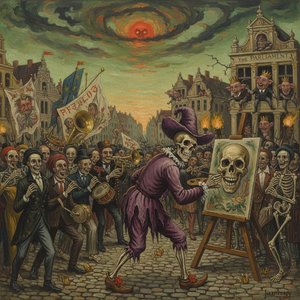
James Ensor's Grotesque Visions: Social Commentary & Artistic Innovation
Explore the unsettling yet captivating world of James Ensor, a pioneer of Expressionism. Discover his satirical masterpieces, symbolic imagery & lasting influence on modern art. High-quality reproductions available at OriginalUniqueArt.

The Enduring Legacy of Oil on Canvas: Technique, History & Aesthetic Impact
Explore the rich history & techniques of oil painting – from Renaissance masters to Impressionism. Discover pigments, layering methods, and why this timeless medium endures. Expert insights for artists & art enthusiasts.

Oil on Canvas: A Historical & Technical Exploration of a Timeless Artistic Medium
Explore the rich history & enduring techniques of oil painting on canvas. Discover the science behind its longevity, conservation practices, and contemporary relevance. Expert insights for art enthusiasts.



