
 Predogled
 Pošlji
 Deli
Deli
 Podrobnosti o delu

 Prenesi
 Podobni izdelki
 Rentgenski posnetek
 Predvajaj diaporama
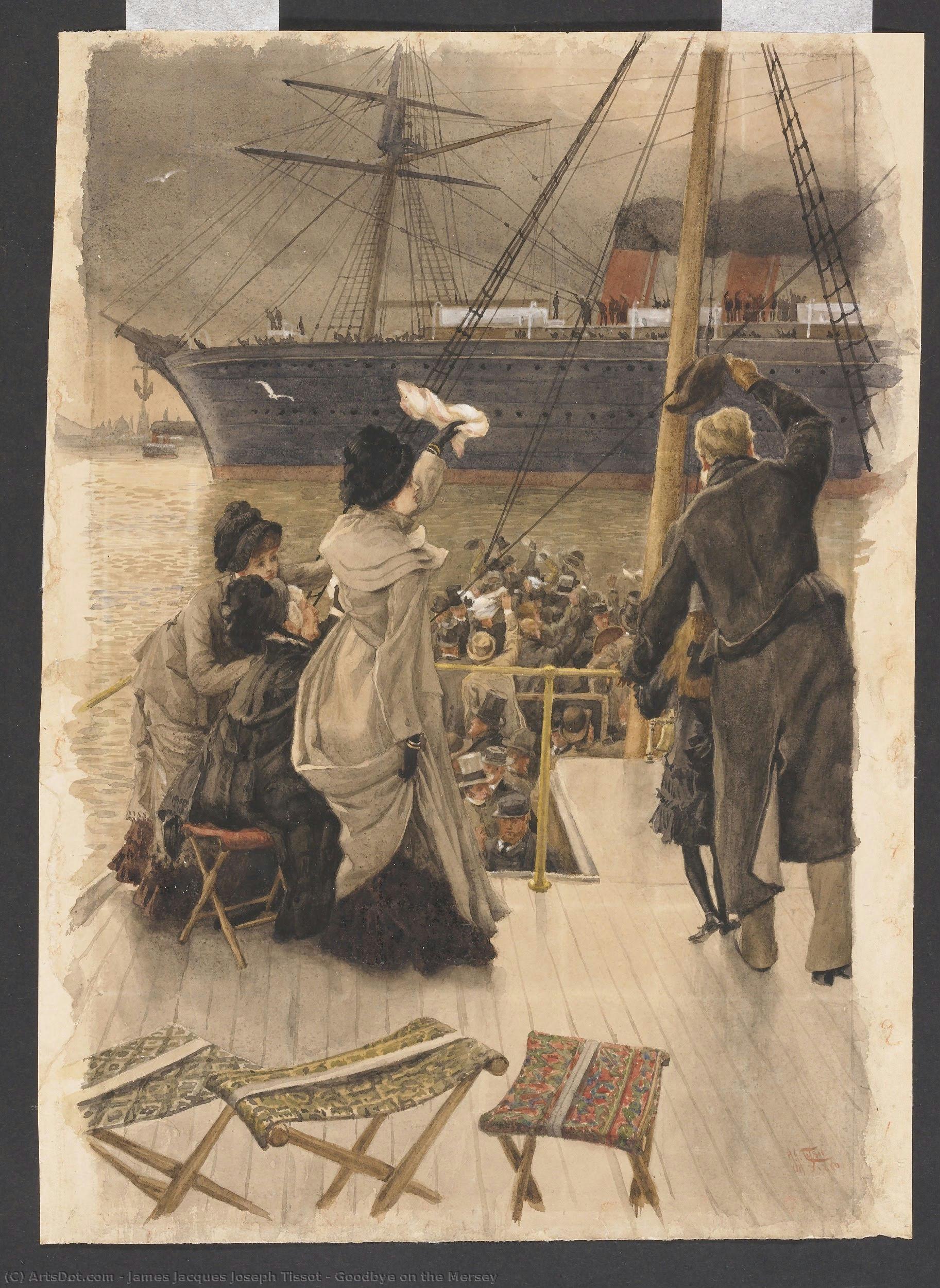
Goodbye on the Mersey
 Acrylic On Canvas
- WallArt
- Contemporary Realism
 1880
1880 42.0 x 30.0 cm
 National Museums Liverpool
 Razviljaj več
Kupite digitalno sliko visoke ločljivosti z izboljšano kakovostjo, ki je precej boljša od spletnega predogleda.
Vsaka datoteka je pod natančnim nadzorom naših strokovnjakov, ki uporabljajo napredna orodja in strokovno ročno obdelavo. Zagotovimo, da ima vsaka slika izjemno jasnost, natančnost barv in fine podrobnosti.
Končna datoteka je po e-pošti dostavljena v 72 urah, optimizirana za takojšnjo uporabo v profesionalnem, uredniškem in tiskarskem okolju. To je kakovost, ki ji zaupajo vrhunska oblikovalna studia, založniki in galerije.
Digitalna slika
Prenesite datoteko visoke ločljivosti za osebno uporabo, tiskanje in kreativne projekte. ( Kupi tisk Kupi ročno naslikano sliko)
Vključeno v vsako naročilo digitalne slike
Zagotovljena strokovna digitalna dostava
Ko izberete OriginalUniqueArt.com, ne prejmete le slike – prejmete digitalno umetniško delo, ki je profesionalno urejeno, izdelano z natančnostostjo in zavestno zagotovljeno z garancijo za zadovoljstvo. Tukaj je vse, kar samodejno prejmete z vašim naročilom:

Hitra dostava prek e-pošte
Vaša digitalna slika visoke ločljivosti bo na vaš e-naslov poslana v roku 72 ur od zaklopa naročila – pripravljena za takojšnjo uporabo.

Digitalna datoteka z umetno inteligenco
Vaše umetniško delo je strokovno optimizirano z uporabo naprednih orodij umetne inteligence in ročne obdelave, kar zagotavlja največjo stopnjo podrobnosti, jasnosti in barvne natančnosti.

Brezplačna ponovna dostava za vse življenje
Ste zaradi nespremietne napake izgubili ali izbrisali svojo datoteko? Ni težav – vam jo bomo ponovno poslali kadar koli in brezplačno.

Brez uvoznih pristojbin – vedno
Uživajte v svojem umetniškem delu takoj, brez carin, davkov ali stroškov dostave – digitalni prenosi so vedno brezdavčni.

Zagotovilo natančnosti barv
Z uporabo profesionalnih orodij in upravljanja barv zagotavljamo, da vaša digitalna slika čim bolj natančno odraža prvotne barve.

60-dnevna garancija zadovoljstva
Če niste zadovoljni s svojo digitalno sliko, jo bomo uredili ali vam v 60 dneh povrnili 100% denarja – brez kakršnih koli vprašanj.

100% Garancija povračila denarja
Niste zadovoljni? Zagovрите popoln povračilo sredstev v 60 dneh po prejemu digitalne datoteke – brez kakršnih koli vprašanj.

Popusti pri večjem številu naročil
Kupite 3 slike, prihranite 10% - Kupite 5 slik, prihranite 15% - Kupite 10+ slik, prihranite 20%. Odlično za kreativne projekte, galerije in agencije.
Opis digitalnega artefakta
A Farewell Echoed Across Liverpool’s Skyline
Jacques Joseph Tissot's "Goodbye on the Mersey," painted in 1880, transcends mere depiction; it captures the poignant beauty of a moment frozen in time—a family bidding farewell to loved ones embarking on an ambitious voyage across the Atlantic. This watercolor study, destined for a larger oil canvas and exhibited at both the Royal Academy and the Liverpool Autumn Exhibition (LAE), stands as a testament to Tissot’s meticulous observation of contemporary life and his masterful blending of narrative drama with artistic precision.The Canvas of Observation: Technique and Style
Tissot's approach is characterized by an unwavering commitment to realism, honed during his formative years at the École des Beaux-Arts. The watercolor itself demonstrates a remarkable level of detail—minute brushstrokes capturing the subtle nuances of light and shadow on the weathered faces of the departing family and the shimmering expanse of Liverpool’s harbor. He employs a squared-up grid technique, meticulously transferring his sketches onto canvas, ensuring accuracy and consistency across the final oil version. This painstaking process reflects Tissot's belief that art should faithfully represent the world around him, prioritizing observation over idealized representation. The resulting image possesses a luminous quality—a hallmark of watercolor’s ability to convey atmospheric perspective and evoke feelings of tranquility amidst bustling activity.Liverpool’s Maritime Heartbeat: Historical Context
“Goodbye on the Mersey” isn't simply a portrait; it’s deeply rooted in Liverpool’s history as Britain’s premier port city during the Victorian era—a period defined by rapid industrial growth and transatlantic migration. The artist painstakingly researched the cityscape, confirming Ian Murphy’s MMM (Liverpool Museums Management Trust) assertion that the scene accurately portrays Liverpool in 1880. The inclusion of the Mersey estuary, visible against a hazy skyline, underscores the city's vital role as a gateway to America—a destination pursued by countless Britons seeking opportunity and fortune. Furthermore, Tissot’s depiction of Victorian costume reflects the social realities of the time, showcasing the elegance and formality prevalent in upper-class society.Symbolism Within Sentiment: Narrative Resonance
Beyond its visual fidelity, “Goodbye on the Mersey” resonates with profound symbolic significance. The act of farewell itself embodies universal themes of loss, longing, and remembrance— emotions skillfully conveyed through expressive facial expressions and gestures. The family’s posture conveys both sadness and determination—a poignant acknowledgment of the inevitable separation while simultaneously reaffirming their unwavering faith in reunion. Moreover, the ship symbolizes aspiration and progress—representing not only physical travel but also intellectual and spiritual exploration. The watercolor's muted palette contributes to its emotional impact—creating a contemplative mood that invites viewers to contemplate the complexities of human relationships and the enduring power of memory.A Legacy of Light and Emotion
“Goodbye on the Mersey” remains an exceptional achievement in Victorian art, admired for its technical brilliance and evocative storytelling. Its influence can be discerned in subsequent landscape paintings—artists striving to capture similar atmospheric qualities and conveying comparable emotional depth. Today, reproductions of this masterpiece continue to inspire interior designers and collectors alike—serving as reminders that true beauty lies not merely in visual splendor but also in the ability to communicate profound human experience.Biografija umetnika
Early Life and Artistic Beginnings
Jacques Joseph Tissot, born October 15, 1836, in Nantes, France, was destined for a life steeped in artistic passion from his earliest years. His father, a drapery merchant, instilled in him an appreciation for craftsmanship and detail—qualities that would profoundly shape his artistic vision. Simultaneously, his mother, a milliner, nurtured his sensitivity to beauty and fashion, exposing him to the vibrant world of Parisian society. Despite familial responsibilities, Tissot relentlessly pursued his artistic ambitions, enrolling at the École des Beaux-Arts in Paris where he honed his skills under the tutelage of luminaries like Ingres, Flandrin, and Lamothe. This formative period cemented his commitment to painting as a vocation and established him firmly within the influential Parisian art milieu.The Salon Years and Recognition
Tissot’s debut at the Paris Salon in 1861 marked a pivotal moment—the unveiling of “The Meeting of Faust and Marguerite,” a dramatic tableau that captivated audiences and garnered considerable acclaim from critics. Purchased by the state for inclusion in the Luxembourg Gallery, this ambitious undertaking signaled Tissot's burgeoning reputation as a painter capable of capturing complex narratives and conveying profound emotion. Subsequent Salon exhibitions solidified his position within the artistic establishment, showcasing his evolving style and attracting commissions from prominent patrons. His early successes fueled confidence and propelled him toward exploring new subjects and techniques—a trajectory that would ultimately define his illustrious career.Genre Painting and Parisian Society
Tissot’s artistic breakthrough arrived with his series “La Femme à Paris,” a meticulously observed depiction of the demi-mondaine world of late Victorian London. These paintings, characterized by their luminous color palettes and masterful rendering of textures—particularly fabrics—became synonymous with capturing the allure and dynamism of Parisian high society. Tissot's meticulous attention to detail extended beyond mere visual representation; he sought to convey not only appearances but also psychological nuances, reflecting the anxieties and aspirations of his subjects. His work stands as a testament to Impressionistic influences blended with realism, offering an unparalleled glimpse into the social customs and artistic sensibilities of the Belle Époque.Biblical Themes and Japonisme
Throughout his prolific output, Tissot embraced diverse artistic inspirations—ranging from medieval narratives to biblical scenes—demonstrating remarkable versatility. His depictions of religious subjects, imbued with spiritual depth and emotional resonance, showcased his ability to elevate visual storytelling into profound contemplation. Simultaneously, he was captivated by Japonisme—the fascination with Japanese art and aesthetics that swept across Europe during the Victorian era—evident in compositions infused with asymmetrical arrangements and subtle color harmonies reminiscent of Japanese prints. This stylistic fusion underscored Tissot’s intellectual curiosity and his willingness to experiment with innovative artistic approaches.Later Years and Legacy
Tissot's life took a dramatic turn when he enlisted in the Franco-Prussian War, serving on the French side—an experience that undoubtedly shaped his worldview. Following the war’s conclusion, he relocated to London where he pursued etching alongside Sir Seymour Haden and honed his artistic skills through portrait commissions and caricatures for Vanity Fair. His relationship with Kathleen Newton blossomed into a passionate companionship, providing him with enduring inspiration for numerous paintings. Tragically, Newton succumbed to tuberculosis in 1882—a profound loss that deeply affected Tissot’s creative output. Despite this sorrowful chapter, he continued to produce exceptional artwork until his death in 1902. Today, Jacques Joseph Tissot's legacy resides in museums across Europe and North America—most notably the Musée National Jean-Jacques Henner in Paris—where his celebrated paintings continue to inspire admiration for their artistic brilliance and evocative portrayal of Victorian life and faith. His enduring influence on genre painting and Impressionism secures his place as one of France’s most distinguished artists of the 19th century.
Žak Josip Tisot
1836 - 1902 , Francija
Ključne informacije
- Artistic Movement Or Style: Žanrsko slikanje
- Artists Or Movements Influenced By This Artist: ['Impressionizem']
- Artists Who Influenced This Artist:
- Jean-Auguste Ingres
- Gustav Courbet
- Date Of Birth: 15. oktober 1836
- Date Of Death: 8. avgust 1902
- Full Name: Jacques Joseph Tissot
- Nationality: Francoz
- Notable Artworks:
- Skupščanje Faustusa in Margarete
- Ženske Pariza
- Place Of Birth: Nantes, Francija

