
 Predogled v realnem okolju
 Pošlji
 Deli
Deli
 Podrobnosti o delu
 Priročnik

 Prenesi sliko
 Podobni izdelki
 Rentgenski posnetek
 Predvajaj diaporama
 Vprašanja in odgovori
 Statistika
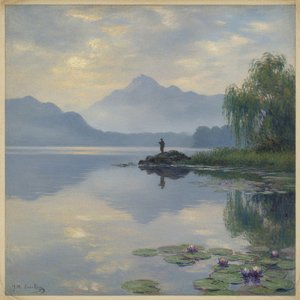
Landscape


 Preberi več
Giclée tisk / Umetniški tisk
Giclée ali platnati odtis muzejske kakovosti z hitro proizvodnjo in prilagodljivimi možnostmi končne obdelave. ( Kupite ročno slikano delo Preklop na digitalno sliko)




































Izberite eno od naših vnaprej določenih velikosti, ki ustrezajo prvotnim proporcijam umetničkega dela.

Vnesite širino in višino, ki jih potrebujete za svoj okvir ali steno. Tiskanje se lahko le odreže, vendar ga ni mogoče narediti večjega od slike, zato format z drugačno obliko pomeni izgubo dela slike. Pred tiskanjem vam pošljemo digitalni predogled za potrditev. Slika, prikazana na tej strani, ne prikazuje dejanskega izrezka — le predogled to omogoča.
Globalna dostava () v 2 tednih namesto standardnih 4/5 tednov. (4 november)

Brezplačna ekspresna dostava po vsem svetu

Visokokakovostno laneno platno

Popolno zavarovanje pošiljke

Garancija povračila carine in uvoznih davkov

Garancija popolnega barvnega ujemanja

100-dnevna politika vračil (le v primeru okvar)

Garancija 100% povračila denarja

Popust pri večjem naročilu
 Možnost stekla je na voljo le za velikosti pod 110 cm

Landscape
Giclée tisk / Umetniški tisk
Velikost reprodukcije
-


Skupna cena
€ 72
Biografija umetnika
Mojster vrezane linije: Življenje in dediščina Jacquesa Callota
V veličastni tapiseriji barokne dobe je malo toliko finih ali tako prodorno podrobno izdelanih niti, kot so jih vtkal Jacques Callot. Kot virtuoz, ki je namesto širokih potez oljne slikarstva izabrał natančno, grizajočo iglo stopotnega orodja, je Callot spremenil grafiko iz sekundarne rokodelskega poklic v globoko sredstvo družbene kritike in tehnične briljantnosti. Ročen v regiji Lotrin okoli leta 1592, je bila njegova pot pot gibanja in metamorfoze, ki ga je vodila iz privilegiranih dvorov njegove plemiške vzgoje do živahnih, pogosto kaotičnih ulic Rima in Florence. Ni le beležil zgodovine; vrezal je njeno samo dušo v bakrene plošče, z enako intenzivnostjo zajemajoč bežajoče senca človeškega trpljenja in opulentno veličastnost dvorskega življenja.
Callotova umetniška evolucija je bila globoko oblikovana od njegovih potovanj po Evropi, ki so mu omogočila vpijačanje raznolikih tekstur sedemnajstega stoletja. Njegova zgodnja izobraževanja v Nancy je zagotovilo temelj discipline, vendar je šele čas v Italiji zares razžaril njegov genij. Pod vodstvom mojstrov, kot je bil Philipp Tessmann v Rimu, in kasneje v prestižnih delavnicah Florence, se je Callot naučil združiti humanistične ideale renesančne in dramatično, čustveno težo baroka. Njegovo služenje Medicijevem dvoru mu je omogočilo nepreverljivo dostop do vrhovcev aristokratske kulture, vendar je ostal oster opazovalec sveta pod pozlačenim površjem, dokumentirajući trdnost in umazanost urbanega obstoja z neomrtnim pogledom.
Tehnična revolucija in échoppe
Tisto, kar je Callota res ločilo od njegovih sodobnikov, je bil njegov revolucionarni pristop k samemu mediju. Pred Callotom je stopotni tisk pogosto pogrešal tonsko globino in raznoliko debelo linijo, značilno za tradicionalni gravir.
To vrzel je premostil z briljantno tehnično inovacijo: ustvaritvijo échoppe. Ta specializirana igla za stopotje, s čipastim končkom v ovalnem oblikovanju, mu je omogočila manipulacijo s pritiskom poteze za ustvarjanje širših in tanjših linij. Ta prelom mu je omogočil posnemanje elegantnih, spreminjajočih se širin gravirskega orodja, s čim je svojim slikam prinesel novo raven vmesno plast trodimenzionalnosti in tekočega gibanja. Skozi to mojstrstvo je dosegel stopnjo podrobnosti, ki je lahko z enako natančnostjo prikazala nežno čipko plemenitega rokava ali grozljivo, razlomljeno teksturo bojišča.
Ta tehnična izstopajočnost je omogočila nepredstavljivo širino tematik, najbolj opazno v njegovi slavni seriji, ki dokumentira temnejšo stran človeštva. Njegovo del pogosto služi kot vizeralno okno v Bedne vojne, kjer je zajel surov, kaotičen nasilje konflikta. V vrhunskih delih, kot je Le Pillage, je gledalec zbačen v svet nereda in uničenosti, kjer fine linije njegove igle prenašajo frenetično energijo spremenjene pokrajine. Nasprotno pa je njegova sposobnost zajema svetlobe in teatralnosti očitna v delih, kot je Interludij v Medicijevem gledališču, kjer zapletene kompozicije prikličemo živahčno, scenično magijo renesančne predstave.
Trajen odtis v zgodovini umetnosti
Zgodovinski pomen Jacquesa Callota se razteza daleč čez meje sedemnajstega stoletja. Bil je pionir tistega, kar danes prepoznavamo kot "grafike starih mojstrov", saj je vzpostavil standard pripovedne kompleksnosti in tehnične izvedbe, ki je navdihoval generacije grafikarjev. Njegov vpliv lahko sledimo skozi stoletja, najbolj opazno v delih Franca Goye, ki je delil Callotovo sposobnost uporabe grafičnega medija za raziskovanje temnejših, bolj grotesknih vidikov človeške kondicije. Z dvignjenjem stopotne igle na orodje globoke psihološke in družbene globine je Callot zagotovil, da bo njegova vizija trajala.
Končno Callotovo del ostaja pretresajoč čudovit paradoks: je hkrati natančen zapis zgodovinske brutalnosti in proslavljanje umetniške dovršenosti. Ne glede na to, ali je prikazoval grozno realnost La Roue (Razbijanje na kolu) ali nežno eleganco dvorskega plesa, imajo njegove grafike brezčasno kakovost, ki presega njihovo dobo. Ostaja edinstven glas v baroknem kanonu — mojster, ki je v neopaznem našel neskončnost in dokazal, da lahko tudi najmanjša vrezana linija nosi težo celotnega sveta.

Jacques Callot
1592 - 1635 , Francija
Hitri podatki
- Artistic Movement Or Style: Barokna kovanica (etring)
- Artists Or Movements Influenced By This Artist: ['Rembrandt']
- Artists Who Influenced This Artist: ['Philippe Thomassin']
- Date Of Birth: ok. 1592
- Date Of Death: 1635
- Full Name: Jacques Callot
- Nationality: Francoz
- Notable Artworks:
- Sveta družina ob mizi
- Scena iz Velikih vojenskih nesreč
- Pejzazh
- Place Of Birth: Lorena, Francija
Sorodni članki

Romantična pokrajina: 10 mojstrovin, ki so definirale gibanje | Umetnost za vaš dom z OriginalUniqueArt.com
Odkrijte 10 mojstrovin romantizma v slikarstvu! Caspar David Friedrich, Turner in drugi. Preučite zgodbe, tehnike in čustva teh ikoničnih krajinskih slik. Kvalitetne reprodukcije za vaš dom na OriginalUniqueArt.com

John Constable: 25 Mojstrovskih Del Angelskega Krajinarja | OriginalUniqueArt.com
Odkrijte 25 mojstrovskih del Johna Constabla, angleškega slikarja romantizma. Preučite zgodbe za ikoničnimi krajinami, tehniko in lepoto narave. Kvalitetne reprodukcije slik na OriginalUniqueArt.com – idealno za dekoracijo doma!
Capturing Stillness: A Curated Exploration of the Most Iconic Lake Landscapes in Art History
Journey through art history's most serene lake landscapes. From Romantic vistas to light-drenched Impressionist waters, discover the stories behind these iconic masterpieces and find museum-quality, hand-painted oil reproductions for your private collection.

Evocations of Place: A Historical Journey Through Landscape Art
Explore the rich history of landscape art with OriginalUniqueArt. Discover renowned artists, movements like Impressionism & tonalism, and expert guidance for collecting timeless pieces. Find your perfect serene escape today!

Evocations of Place: A Historical Journey Through Landscape Art
Explore the rich history of landscape art with OriginalUniqueArt. Discover renowned artists, movements like Impressionism & Romanticism, and expert guidance for collecting timeless pieces. Find your perfect serene escape today!