 Predogled
 Pošlji
 Deli
Deli
 Podrobnosti o delu

 Prenesi
 Podobni izdelki
 Rentgenski posnetek
 Predvajaj diaporama
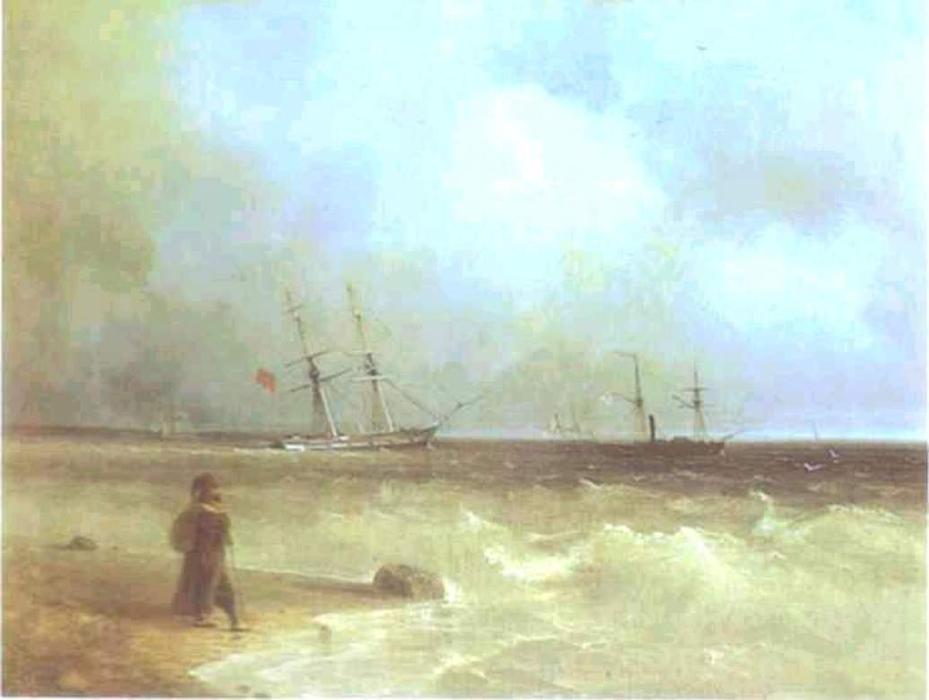
Seashore.


 Razviljaj več
Ročno izdelana oljna reprodukcija
Ročno slikano olje na platnu v vaši izbiri velikosti in okvirja, izdelano po naročilu naših umetnikov. ( Switch to Print Preklop na sliko)




P118B $10

P118H $10

P118W $10

P438Z $10

P508JH $12

P508YH $12

P805H $10

P805Z $10

P919BZ $10

P919G $10

P919XJ $10

P959ZH $10

P968JZ $12

W106C $8

W218G $10

W218JH $8

W218Y $10

W307PJ $10

W316G $10

W316PJ $8

W316Y $10

W398PJ $8

W4111J $10

W500HY $15

W500JH $15

W692G $12

W849H $8

W940BG $15

W953PJ $8




Izberite eno od naših vnaprej določenih velikosti, ki ustrezajo prvotnim proporcijam umetničkega dela.

Svoje dimenzije lahko vnesete tako, da se prilagodite določenemu okvirju ali prostoru. Če izbrana velikost ne ustreza razmerjem originalne slike, bomo umetniško delo obrezali ali sliko dopolnili z dodatnimi ročno naslikanimi elementi. Pred začetkom proizvodnje vam bo poslan digitalni osnutek v odobritev.
Upoštevajte, da predogled na zaslonu ne odraža dejanskega obrezovanja ali podaljšanja. Le osnutek bo natančno prikazal končno kompozicijo.
Čeprav so na voljo velikosti po meri, priporočamo izbiro dimenzije s preddefiniranega seznama, da ohranimo originalne razmere.
Po oddaji naročila bo ekipa OriginalUniqueArt.com stranki po e-pošti poslala navodila in predogled digitalnega predogleda.
Svetska dostava () za 3/4 nedelje umesto uobičajenih 5 nedelja. (10 avgust). Bez kompromisa po pitanju kvaliteta.

Brezplačna ekspresna dostava po vsem svetu

Visokokakovostno laneno platno

Popolno zavarovanje pošiljke

Garancija povračila carine in uvoznih davkov

Garancija popolnega ujemanja barv

60-dnevna politika vračanja (le v primeru napak)

Garancija 100% povračila denarja

Popust pri večjem naročilu
 Možnost stekla je na voljo le za velikosti pod 110 cm

Seashore.
Tehnika reprodukcije
Velikost reprodukcije
-


Skupna končna cena
$ 300
Opis umetninine
A Storm Unleashed: Aivazovsky’s “Seashore” – A Window into the Soul of the Sea
Ivan Konstantinovich Aivazovsky's "Seashore," painted in 1840, isn’t merely a depiction of a seascape; it’s an immersive experience, a visceral journey into the heart of the Black Sea. More than just a landscape, this work represents a pivotal moment in Russian art – a shift towards Romanticism deeply influenced by Aivazovsky's profound connection to the ocean. Born in Feodosia, Crimea, a city intrinsically linked to the sea through its maritime history and turbulent geopolitical shifts, Aivazovsky’s entire life was shaped by its moods, its power, and its relentless beauty. He didn’t simply paint what he saw; he painted what he felt – the salty spray on his face, the rumble of distant storms, the ethereal glow of twilight reflecting off the waves.
The painting itself is a masterclass in atmospheric perspective and color theory. Aivazovsky expertly utilizes a muted palette dominated by deep blues, greens, and grays, punctuated by flashes of white foam and the warm ochre of distant cliffs. The sky isn’t a uniform expanse; it's layered with swirling clouds, rendered with delicate brushstrokes that capture the dynamic movement of the atmosphere. Notice how he employs a technique known as ‘sfumato,’ blurring the edges of objects to create an illusion of depth and distance – the boats become almost spectral, swallowed by the vastness of the sea. This masterful use of light and shadow isn’t just aesthetic; it serves to evoke a sense of drama and impending change.
The Romantic Spirit: Emotion and the Sublime
“Seashore” is a quintessential example of Russian Romanticism, a movement that prioritized emotion, individualism, and the power of nature. Unlike earlier Neoclassical depictions of the sea as a symbol of order and reason, Aivazovsky presents it as an untamed force – both beautiful and terrifying. The painting embodies the concept of the ‘sublime,’ a term coined by Edmund Burke to describe experiences that inspire awe and terror simultaneously. The sheer scale of the ocean, combined with the suggestion of an approaching storm, creates a feeling of vulnerability and insignificance in the face of nature’s grandeur.
The inclusion of several sailing vessels adds another layer of complexity. These aren't heroic explorers charting new territories; they are humble boats, dwarfed by the immensity of the sea. They represent humanity’s fleeting presence within this vast and ancient realm. The placement of these small figures on the horizon subtly underscores the insignificance of human endeavors against the backdrop of nature’s enduring power.
Aivazovsky's Technique: A Revolutionary Approach
Aivazovsky revolutionized marine painting through his innovative technique, largely developed in his studio in Feodosia. He meticulously prepared his canvases with a special mixture of oil and turpentine to create a smooth, absorbent surface – crucial for achieving the luminous effects he so expertly employed. He often worked *en plein air* (outdoors) for extended periods, directly observing the sea’s changing light and color. This direct engagement informed every brushstroke, resulting in an unparalleled sense of immediacy and authenticity.
Furthermore, Aivazovsky was a pioneer in using layering techniques to build up his paintings gradually, applying thin glazes of paint over previous layers to create depth and luminosity. This painstaking process, combined with his mastery of color mixing, allowed him to capture the subtle nuances of light reflecting off the water’s surface – a feat that had previously eluded most artists.
Beyond the Surface: Symbolism and Legacy
“Seashore” is more than just a beautiful painting; it's a meditation on humanity’s relationship with nature, a reflection on the power of memory, and an exploration of the human condition. The painting’s enduring appeal lies in its ability to evoke a profound emotional response – a sense of wonder, awe, and perhaps even a touch of melancholy. It speaks to our primal connection to the sea, a force that has shaped civilizations and inspired countless artists throughout history.
Aivazovsky's influence on subsequent generations of marine painters is undeniable. His work continues to captivate viewers today, reminding us of the beauty and power of the natural world and the enduring legacy of one of Russia’s greatest artistic masters. Reproductions like this offer a remarkable opportunity to bring this iconic image into your home, allowing you to experience the magic of Aivazovsky's vision firsthand.
Biografija umetnika
Ivan Konstantinovich Aivazovsky – Hovhannes Aivazian: The Soul of the Sea
Ivan Konstantinovich Aivazovsky, born Hovhannes Aivazian in 1817, was more than just a painter; he was an embodiment of Russia’s fascination with the ocean—a profound connection that shaped his artistic vision and propelled him to unparalleled success. His existence seemed inextricably intertwined with Feodosia, Crimea – a sprawling expanse of turquoise waters that would forever inspire his canvases and solidify his place as one of the greatest marine artists in history. From humble beginnings in an Armenian family, Aivazovsky’s journey began amidst the artistic fervor of Saint Petersburg, nurtured by Jacob Koch's recognition of his talent and honed within the rigorous academic framework of the Imperial Academy of Arts. Yet, it was the constant presence of salt spray and the cries of gulls—the very sounds of the sea—that truly instilled in him an instinctive understanding of its moods and majesty.Early Influences and Artistic Formation
Aivazovsky’s formative years were marked by exposure to European artistic trends, particularly Romanticism. Artists like Claude Lorrain and Salvator Rosa captivated his imagination with their depictions of sublime landscapes, influencing his stylistic choices and fostering a desire to capture the grandeur of nature. His formal training at Saint Petersburg instilled in him technical precision but it was equally important that he absorbed the spirit of his time—a yearning for emotion, imagination, and awe-inspiring beauty. The Armenian heritage – baptized at St. Sargis Armenian Church in Feodosia – subtly infused his worldview and occasionally manifested itself in thematic explorations reflecting Armenian culture and traditions. This early exposure to diverse artistic styles would prove invaluable as he embarked on a prolific career dedicated to translating the ocean’s soul onto canvas.The Navy Painter and Maritime Inspiration
A pivotal moment arrived when Aivazovsky was appointed official artist of the Russian Navy in 1845. This wasn't merely an honor; it provided him with unparalleled access—to ships, sailors, naval battles, and firsthand observation that profoundly deepened his understanding of maritime life and fueled his artistic creativity. He became intimately acquainted with the rhythms of seafaring existence, capturing not just visual spectacle but also the palpable tension between man and nature. The experience instilled in him a conviction that art should strive to convey emotion as much as it portrays reality—a principle that would permeate his entire oeuvre. His paintings frequently depicted naval engagements, conveying both heroism and vulnerability, reflecting the anxieties of a nation grappling with its imperial ambitions.A Master of Atmospheric Perspective and Dramatic Composition
Aivazovsky’s artistic technique was characterized by remarkable innovation and sensitivity. He championed plein air painting—working directly from nature—capturing fleeting light effects with meticulous detail. His mastery of atmospheric perspective created luminous textures and conveyed a sense of depth that transported viewers into the heart of a storm or onto the deck of a ship battling towering waves. Unlike many artists of his era, he eschewed academic conventions in favor of expressive brushstrokes and bold color palettes—a stylistic choice that distinguished him from his contemporaries and cemented his reputation as a visionary artist. His compositions were deliberately dramatic, emphasizing grandeur and conveying a profound emotional resonance. Works like *A Ship in a Stormy Sea* exemplify this approach, capturing the terror and beauty of naval warfare with breathtaking realism.Legacy and Enduring Influence
Ivan Konstantinovich Aivazovsky’s legacy extends far beyond his artistic achievements—he remains an icon of Russian Romanticism and a symbol of Russia's connection to the sea. His prolific output – approximately 6,000 paintings – testifies to his unwavering dedication and extraordinary talent. He profoundly influenced generations of artists who followed him, establishing standards for marine painting that endure to this day. The phrase “worthy of Aivazovsky’s brush” became a celebrated accolade—a testament to his unparalleled skill in capturing the sublime beauty and inherent drama of the ocean. His paintings continue to inspire awe and contemplation, reminding us of humanity's relationship with nature and its capacity for both terror and transcendence. He cemented his place as one of Russia’s most beloved artists, ensuring that his vision of the sea—a vision imbued with emotion, imagination, and artistic brilliance—would resonate across time.
Ivan Aivazovski
1817 - 1900 , Rusija
Hitri podatki
- Artistic Movement Or Style: Romanticism, Marine art
- Artists Who Influenced This Artist:
- Claude Lorrain
- Salvator Rosa
- Date Of Birth: 1817
- Full Name: Ivan Konstantinovich Aivazovsky
- Nationality: Russian-Armenian
- Notable Artworks:
- The Ninth Wave
- Ship in a Stormy Sea
- Seascape with Full Moon
- Place Of Birth: Feodosia, Russia
Sorodni članki
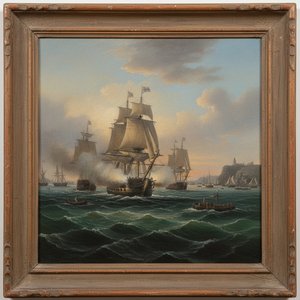
Thomas Butterworth (1768–1842): Navigating the Aesthetics of British Marine Painting
Explore the captivating maritime art of Thomas Butterworth (1768–1842). Discover his stunning depictions of Napoleonic naval battles and life at sea, commissioned works for the East India Company, and enduring legacy. Learn more today!
Navigating the Depths of Representation: A Historical Exploration of Marine Painting
Explore the rich history of marine painting with OriginalUniqueArt. Discover Dutch Masters, Romantic seascapes & renowned artists like Wyllie and Harris. Expert guidance for collectors & custom reproductions.
The Azure Depths: Exploring Representations of the Ocean in Art History
Explore the rich history of ocean art! Discover Romantic seascapes, renowned artists like Aivazovsky & Harris, and expert guidance for collectors at OriginalUniqueArt.com.

Ludolf Backhuysen I: Master of Dutch Marine Painting & Atmospheric Realism
Explore the captivating world of Ludolf Backhuysen I, a master of Dutch marine painting. Discover his signature realism, atmospheric seascapes & lasting influence on art history. Learn about collecting and appreciating this Golden Age artist.

John Wilson Carmichael: Evoking Scottish Identity Through Dramatic Marine Painting
Explore the dramatic marine paintings of John Wilson Carmichael (1800-1868), a Victorian master renowned for his realistic seascapes and historical naval scenes. Discover his life, style & available hand-painted reproductions at OriginalUniqueArt.