Preverite v realnem okolju
 Pošlji kot čestitko
 Deli
Deli
 Podrobnosti
 Priročnik

 Prenesi
 Podobni artefakti
 Rentgenski posnetek
 Predvajaj diaporama
 Statistika
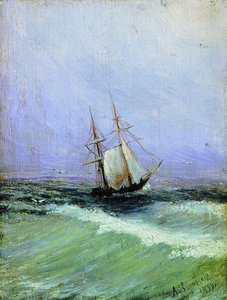
Sea on a moonlit night


 Preberi več
Giclée tisk / Umetniški tisk
Giclée ali platnati odtis muzejske kakovosti z hitro proizvodnjo in prilagodljivimi možnostmi končne obdelave. ( Naročite ročno slikano reprodukcijo Preklop na digitalno sliko)




P118B $10

P118H $10

P118W $10

P438Z $10

P508JH $12

P508YH $12

P805H $10

P805Z $10

P919BZ $10

P919G $10

P919XJ $10

P959ZH $10

P968JZ $12

W106C $8

W218G $10

W218JH $8

W218Y $10

W307PJ $10

W316G $10

W316PJ $8

W316Y $10

W398PJ $8

W4111J $10

W500HY $15

W500JH $15

W692G $12

W849H $8

W940BG $15

W953PJ $8




Izberite eno od naših vnaprej določenih velikosti, ki ustrezajo prvotnim proporcijam umetničkega dela.

Svoje dimenzije lahko vnesete sami, da bodo ustrezne za določen okvir ali prostor. Če izbrana velikost ne bo skladna z razmerji izvirne slike, bomo umetniško delo orezali ali podaljšali s pomočjo ogledalnega odraza ali barvno polnega roba. Pred začetkom proizvodnje vam bomo poslali digitalni predogled za potrditev.
Upoštevajte, da predogled na zaslonu ne prikazuje dejanskega orezovanja ali podaljševanja. Le digitalni predogled bo natančno prikazal končno kompozicijo.
Čeprav so na voljo prilagojene velikosti, priporočamo izbiro dimenzije s predhodno določenega seznama, da ohranite prvotna razmerja.
Globalna dostava () v 2 tednih namesto standardnih 4/5 tednov. (25 september)

Brezplačna ekspresna dostava po vsem svetu

Visokokakovostno laneno platno

Popolno zavarovanje pošiljke

Garancija povračila carine in uvoznih davkov

Garancija popolnega barvnega ujemanja

Politika vračila v 100 dneh (le v primeru okvar)

Garancija 100% povračila denarja

Popust pri večjem naročilu
 Možnost stekla je na voljo le za velikosti pod 110 cm

Sea on a moonlit night
Giclée tisk / Umetniški tisk
Velikost reprodukcije
-


Skupna cena
$ 80
A Night's Embrace: Aivazovsky’s ‘Sea on a Moonlit Night’
Ivan Konstantinovich Aivazovsky’s “Sea on a Moonlit Night,” painted in 1858, is more than just a depiction of a seascape; it’s an immersive experience, a testament to the artist's profound and almost spiritual connection with the Black Sea. Born in Feodosia, Russia, in 1817, Aivazovsky dedicated his life to capturing the ocean’s volatile beauty – its serene majesty juxtaposed with its terrifying power. This particular work exemplifies his mastery of *marine painting*, a genre he essentially defined, and offers a glimpse into the Romantic sensibilities that shaped 19th-century art.
- Subject Matter: The scene unfolds with dramatic intensity – a large sailboat bravely navigating the churning waves under the watchful eye of a full moon. The composition immediately draws the viewer into the heart of the storm, emphasizing both the vulnerability and the exhilaration of human endeavor against the forces of nature.
- Style & Technique: Aivazovsky’s technique is characterized by its loose, expressive brushwork, achieved through layers of thinly applied oil paint – a method known as *alla prima*. This approach allows for an incredible sense of movement and light, particularly evident in the shimmering reflections on the water's surface and the dramatic play of moonlight. The artist skillfully employs atmospheric perspective, creating a believable depth that pulls the viewer into the scene.
Romanticism and the Sea: A Cultural Context
“Sea on a Moonlit Night” is firmly rooted in the Romantic movement, which prioritized emotion, imagination, and the sublime over strict classical ideals. The Romantic fascination with nature – particularly its untamed aspects – found its perfect expression in Aivazovsky’s work. The painting reflects the era's growing interest in maritime exploration and adventure, fueled by technological advancements like steamships and a renewed sense of national pride within Russia. Furthermore, the depiction of a lone ship battling the elements speaks to themes of human courage, resilience, and the inherent drama of existence – core tenets of Romantic thought.
Symbolism of Light and Darkness
The moon itself is a crucial element of the painting’s symbolism. It represents not only illumination but also mystery, danger, and the subconscious. The contrast between the bright moonlight and the dark, turbulent waters creates a powerful visual tension, mirroring the internal conflicts and uncertainties that often preoccupied Romantic artists. The sailboat, sailing into the unknown, can be interpreted as a metaphor for human ambition and the pursuit of dreams – endeavors inevitably fraught with risk and uncertainty.
Emotional Impact & Legacy
"Sea on a Moonlit Night" continues to resonate with viewers today due to its raw emotional power. Aivazovsky’s ability to evoke a sense of awe, fear, and beauty simultaneously is remarkable. His work profoundly influenced generations of marine artists, establishing him as one of the most celebrated painters in Russian history. A reproduction of this iconic piece offers an opportunity to bring this dramatic seascape into your home, serving as a constant reminder of the ocean’s enduring allure and Aivazovsky's unparalleled skill in capturing its soul.
Biografija umetnika
Ivan Konstantinovich Aivazovsky – Hovhannes Aivazian: The Soul of the Sea
Ivan Konstantinovich Aivazovsky, born Hovhannes Aivazian in 1817, was more than just a painter; he was an embodiment of Russia’s fascination with the ocean—a profound connection that shaped his artistic vision and propelled him to unparalleled success. His existence seemed inextricably intertwined with Feodosia, Crimea – a sprawling expanse of turquoise waters that would forever inspire his canvases and solidify his place as one of the greatest marine artists in history. From humble beginnings in an Armenian family, Aivazovsky’s journey began amidst the artistic fervor of Saint Petersburg, nurtured by Jacob Koch's recognition of his talent and honed within the rigorous academic framework of the Imperial Academy of Arts. Yet, it was the constant presence of salt spray and the cries of gulls—the very sounds of the sea—that truly instilled in him an instinctive understanding of its moods and majesty.Early Influences and Artistic Formation
Aivazovsky’s formative years were marked by exposure to European artistic trends, particularly Romanticism. Artists like Claude Lorrain and Salvator Rosa captivated his imagination with their depictions of sublime landscapes, influencing his stylistic choices and fostering a desire to capture the grandeur of nature. His formal training at Saint Petersburg instilled in him technical precision but it was equally important that he absorbed the spirit of his time—a yearning for emotion, imagination, and awe-inspiring beauty. The Armenian heritage – baptized at St. Sargis Armenian Church in Feodosia – subtly infused his worldview and occasionally manifested itself in thematic explorations reflecting Armenian culture and traditions. This early exposure to diverse artistic styles would prove invaluable as he embarked on a prolific career dedicated to translating the ocean’s soul onto canvas.The Navy Painter and Maritime Inspiration
A pivotal moment arrived when Aivazovsky was appointed official artist of the Russian Navy in 1845. This wasn't merely an honor; it provided him with unparalleled access—to ships, sailors, naval battles, and firsthand observation that profoundly deepened his understanding of maritime life and fueled his artistic creativity. He became intimately acquainted with the rhythms of seafaring existence, capturing not just visual spectacle but also the palpable tension between man and nature. The experience instilled in him a conviction that art should strive to convey emotion as much as it portrays reality—a principle that would permeate his entire oeuvre. His paintings frequently depicted naval engagements, conveying both heroism and vulnerability, reflecting the anxieties of a nation grappling with its imperial ambitions.A Master of Atmospheric Perspective and Dramatic Composition
Aivazovsky’s artistic technique was characterized by remarkable innovation and sensitivity. He championed plein air painting—working directly from nature—capturing fleeting light effects with meticulous detail. His mastery of atmospheric perspective created luminous textures and conveyed a sense of depth that transported viewers into the heart of a storm or onto the deck of a ship battling towering waves. Unlike many artists of his era, he eschewed academic conventions in favor of expressive brushstrokes and bold color palettes—a stylistic choice that distinguished him from his contemporaries and cemented his reputation as a visionary artist. His compositions were deliberately dramatic, emphasizing grandeur and conveying a profound emotional resonance. Works like *A Ship in a Stormy Sea* exemplify this approach, capturing the terror and beauty of naval warfare with breathtaking realism.Legacy and Enduring Influence
Ivan Konstantinovich Aivazovsky’s legacy extends far beyond his artistic achievements—he remains an icon of Russian Romanticism and a symbol of Russia's connection to the sea. His prolific output – approximately 6,000 paintings – testifies to his unwavering dedication and extraordinary talent. He profoundly influenced generations of artists who followed him, establishing standards for marine painting that endure to this day. The phrase “worthy of Aivazovsky’s brush” became a celebrated accolade—a testament to his unparalleled skill in capturing the sublime beauty and inherent drama of the ocean. His paintings continue to inspire awe and contemplation, reminding us of humanity's relationship with nature and its capacity for both terror and transcendence. He cemented his place as one of Russia’s most beloved artists, ensuring that his vision of the sea—a vision imbued with emotion, imagination, and artistic brilliance—would resonate across time.
Ivan Aivazovski
1817 - 1900 , Rusija
Ključne informacije
- Artistic Movement Or Style: Romanticism, Marine art
- Artists Who Influenced This Artist:
- Claude Lorrain
- Salvator Rosa
- Date Of Birth: 1817
- Full Name: Ivan Konstantinovich Aivazovsky
- Nationality: Russian-Armenian
- Notable Artworks:
- The Ninth Wave
- Ship in a Stormy Sea
- Seascape with Full Moon
- Place Of Birth: Feodosia, Russia
Sorodni članki

Dark Masterpieces: 10 Iconic Paintings Dominated by Black Tones |
Explore 10 iconic paintings dominated by black tones, from Rembrandt’s chiaroscuro to Goya's dark expressions. Discover the stories behind these masterpieces & find museum-quality art reproductions for your home at .

Romantic Realism's Finest: 10 Masterpieces for Your Home | OriginalUniqueArt
Explore 10 defining masterpieces of Romantic Realism! Discover Courbet, Millet & Daumier's powerful paintings—capturing emotion and social realities. Find museum-quality reproductions for your home at OriginalUniqueArt.com.
Mars Black Masterpieces: 10 Iconic Paintings & Timeless Art Decor Ideas
Delve into the power of 'Mars Black' with 10 iconic paintings by masters like Rembrandt & Caravaggio. Explore dramatic chiaroscuro, gothic art, and timeless beauty. Find museum-quality reproductions & elevate your home decor on .
Ivan Aivazovsky: Mastering Light & Emotion in 19th-Century Marine Painting
Explore the captivating world of Ivan Aivazovsky, a master of 19th-century marine painting. Discover his techniques, iconic artworks & lasting legacy in this expert guide.
The Allure of the Horizon: A Comprehensive Exploration of Seascape Art Through History & Emotion
Explore the captivating world of seascape art! Discover its history, key artists & movements – from Dutch Masters to Impressionism. Expert insights for collectors and enthusiasts at OriginalUniqueArt.