Preverite v realnem okolju
 Pošlji kot čestitko
 Deli
Deli
 Podrobnosti
 Priročnik

 Prenesi
 Podobni artefakti
 Rentgenski posnetek
 Predvajaj diaporama
 Statistika
Bitja Cesme ponoči
 Akril na platnu
- Stenska umetnost
- Romantic Idealism
 1848
1848 193.0 x 183.0 cm
 Preberi več
Ročno izdelana oljna reprodukcija
Ročno slikano olje na platnu v vaši izbiri velikosti in okvirja, izdelano po naročilu naših umetnikov. ( Preklop na tiskanine Preklop na digitalno sliko)




P118B €10

P118H €10

P118W €10

P438Z €10

P508JH €12

P508YH €12

P805H €10

P805Z €10

P919BZ €10

P919G €10

P919XJ €10

P959ZH €10

P968JZ €12

W106C €8

W218G €10

W218JH €8

W218Y €10

W307PJ €10

W316G €10

W316PJ €8

W316Y €10

W398PJ €8

W4111J €10

W500HY €15

W500JH €15

W692G €12

W849H €8

W940BG €15

W953PJ €8




Izberite eno od naših vnaprej določenih velikosti, ki ustrezajo prvotnim proporcijam umetničkega dela.

Vnesite širino in višino, ki jih potrebujete, da se slika prilega vašemu okviru ali steni. Ker je delo ročno slikano, lahko umetnik pri različnih oblikih slik pri robovih doda malo več barve ali pa jih malo odreže — izberite sami. Pred začetkom slikanja vam pošljemo digitalni predogled za potrditev. Slika, prikazana na tej strani, ni končni rezultat — le predogled prikazuje dejansko podobo.
Po oddaji naročila bo ekipa OriginalUniqueArt.com stranki po e-pošti poslala navodila in predogled digitalnega predogleda.
Mednarodna dostava () v 3/4 tednih namesto običajnih 5 tednov. (24 oktober). Brez kompromisov pri kakovosti.

Brezplačna ekspresna dostava po vsem svetu

Visokokakovostno laneno platno

Popolno zavarovanje pošiljke

Garancija povračila carine in uvoznih davkov

Garancija popolnega barvnega ujemanja

Politika vračila v 100 dneh (le v primeru okvar)

Garancija 100% povračila denarja

Popust pri večjem naročilu
 Možnost stekla je na voljo le za velikosti pod 110 cm

Bitja Cesme ponoči
Tehnika reprodukcije
Velikost reprodukcije
-


Skupna cena
€ 263
A Nightstorm Unleashed: Decoding Ivan Aivazovsky’s Battle of Cesme
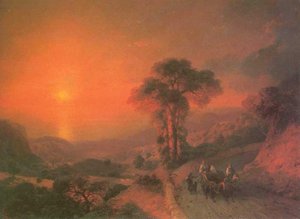
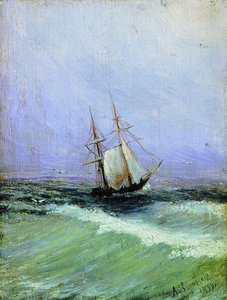
Ivan Konstantinovich Aivazovsky's “Battle of Cesme at Night,” completed in 1848, stands as a monumental achievement within the Romantic movement—a canvas that doesn’t merely depict naval conflict but embodies its very essence. Measuring an impressive 193 x 183 cm, this oil painting transcends mere visual representation, striving instead to capture the visceral drama and emotional intensity that defined the era's artistic sensibilities. It’s a scene brimming with palpable fear, unwavering determination, and awe—a testament to Aivazovsky’s unparalleled skill in conveying not just what he saw but how it felt.Historical Resonance: The Russo-Turkish War Revisited
The Battle of Cesme holds immense significance within European history. Occurring on July 5th and 7th, 1770, this confrontation between Russia and Ottoman forces represented a crucial victory for Tsar Catherine II’s ambitions to expand Russian influence in the Mediterranean region. Aivazovsky meticulously recreated this pivotal moment, grounding his artistic vision in factual accuracy while simultaneously amplifying its emotional impact. The painting serves as more than just a chronicle of events; it's an emblem of Russia’s burgeoning naval power and its resolute stance during a period marked by considerable geopolitical tension. This historical backdrop imbues the artwork with layers of meaning beyond its immediate visual spectacle, inviting viewers to contemplate the broader context of imperial ambition and military prowess.A Symphony of Light and Shadow: Artistic Technique and Style
Aivazovsky’s masterful technique exemplifies the Romantic preoccupation with capturing sublime beauty amidst chaos. Employing oil paints on canvas, he achieved breathtaking realism through painstaking observation and meticulous blending—a hallmark of his artistic approach. However, it's his manipulation of light that elevates “Battle of Cesme at Night.” The artist skillfully utilizes chiaroscuro – dramatic contrasts between light and dark – to illuminate the burning ships and create an atmosphere thick with smoke and apprehension. This technique isn’t merely aesthetically pleasing; it serves a crucial narrative purpose, guiding the viewer's gaze across the scene and intensifying the feeling of urgency. The turbulent sea is rendered with expressive brushstrokes, conveying the raw power of nature and mirroring the anxieties of the time. Attention to detail—from the flickering flames to the spray of seawater—underscores Aivazovsky’s commitment to portraying reality with uncompromising honesty.Symbolism Beneath the Surface: Fire, Fear, and Resilience
Beyond its visual splendor lies a rich tapestry of symbolism. The raging fires engulfing the vessels represent not only destruction but also resilience—a refusal to succumb to defeat in the face of adversity. The dark clouds overhead symbolize impending doom, mirroring the psychological state of the sailors involved. Yet, amidst this darkness, the moon casts an eerie glow, offering a glimmer of hope and suggesting that even in moments of despair, beauty persists. Furthermore, the scattered figures within the painting embody humanity’s vulnerability against the forces of nature—a poignant reminder of our insignificance when confronted with overwhelming power. These elements coalesce to create a profound meditation on courage, mortality, and the sublime grandeur of the natural world.Emotional Impact: Capturing the Sublime
“Battle of Cesme at Night” achieves its enduring appeal precisely because it taps into fundamental human emotions. It’s a painting that compels contemplation, provoking feelings of awe and terror simultaneously. Aivazovsky's depiction isn’t simply about depicting a battle; it’s about conveying the psychological experience of witnessing such an event—the fear, the adrenaline, the unwavering determination to survive. This ability to evoke profound emotion aligns perfectly with Romantic ideals, cementing Aivazovsky's legacy as one of the foremost artists of his time and ensuring that “Battle of Cesme at Night” continues to inspire admiration for generations to come. Its dramatic composition and evocative color palette resonate powerfully with viewers today, reminding us of the enduring power of art to capture the complexities of human experience.Vprašanja in odgovori
Katero tehniko je bila uporabljena za "Bitja Cesme ponoči" in kdaj je bila ustvarjena?
"Bitja Cesme ponoči" je bila ustvarjena leta 1848 z uporabo tehnike Akril na platnu. Material in datum opisujeta, kako in kdaj je nastalo originalno delo.
い哪種媒介是用來創作 "Bitja Cesme ponoči" avtorja Ivan Aivazovski 的?
Ivan Aivazovski je za delo "Bitja Cesme ponoči" uporabil/a tehniko Akril na platnu. Ta tehnika opredeljuje materialno naravo izvirnega dela.
Priporočena velikost tiska za "Bitja Cesme ponoči" avtorja Ivan Aivazovski je?
Za delo "Bitja Cesme ponoči" priporočamo tisk v velikosti Velika dimenzija. Na voljo so tudi druge velikosti z istimi proporcijami.
Biografija umetnika
Ivan Konstantinovich Aivazovsky – Hovhannes Aivazian: The Soul of the Sea
Ivan Konstantinovich Aivazovsky, born Hovhannes Aivazian in 1817, was more than just a painter; he was an embodiment of Russia’s fascination with the ocean—a profound connection that shaped his artistic vision and propelled him to unparalleled success. His existence seemed inextricably intertwined with Feodosia, Crimea – a sprawling expanse of turquoise waters that would forever inspire his canvases and solidify his place as one of the greatest marine artists in history. From humble beginnings in an Armenian family, Aivazovsky’s journey began amidst the artistic fervor of Saint Petersburg, nurtured by Jacob Koch's recognition of his talent and honed within the rigorous academic framework of the Imperial Academy of Arts. Yet, it was the constant presence of salt spray and the cries of gulls—the very sounds of the sea—that truly instilled in him an instinctive understanding of its moods and majesty.Early Influences and Artistic Formation
Aivazovsky’s formative years were marked by exposure to European artistic trends, particularly Romanticism. Artists like Claude Lorrain and Salvator Rosa captivated his imagination with their depictions of sublime landscapes, influencing his stylistic choices and fostering a desire to capture the grandeur of nature. His formal training at Saint Petersburg instilled in him technical precision but it was equally important that he absorbed the spirit of his time—a yearning for emotion, imagination, and awe-inspiring beauty. The Armenian heritage – baptized at St. Sargis Armenian Church in Feodosia – subtly infused his worldview and occasionally manifested itself in thematic explorations reflecting Armenian culture and traditions. This early exposure to diverse artistic styles would prove invaluable as he embarked on a prolific career dedicated to translating the ocean’s soul onto canvas.The Navy Painter and Maritime Inspiration
A pivotal moment arrived when Aivazovsky was appointed official artist of the Russian Navy in 1845. This wasn't merely an honor; it provided him with unparalleled access—to ships, sailors, naval battles, and firsthand observation that profoundly deepened his understanding of maritime life and fueled his artistic creativity. He became intimately acquainted with the rhythms of seafaring existence, capturing not just visual spectacle but also the palpable tension between man and nature. The experience instilled in him a conviction that art should strive to convey emotion as much as it portrays reality—a principle that would permeate his entire oeuvre. His paintings frequently depicted naval engagements, conveying both heroism and vulnerability, reflecting the anxieties of a nation grappling with its imperial ambitions.A Master of Atmospheric Perspective and Dramatic Composition
Aivazovsky’s artistic technique was characterized by remarkable innovation and sensitivity. He championed plein air painting—working directly from nature—capturing fleeting light effects with meticulous detail. His mastery of atmospheric perspective created luminous textures and conveyed a sense of depth that transported viewers into the heart of a storm or onto the deck of a ship battling towering waves. Unlike many artists of his era, he eschewed academic conventions in favor of expressive brushstrokes and bold color palettes—a stylistic choice that distinguished him from his contemporaries and cemented his reputation as a visionary artist. His compositions were deliberately dramatic, emphasizing grandeur and conveying a profound emotional resonance. Works like *A Ship in a Stormy Sea* exemplify this approach, capturing the terror and beauty of naval warfare with breathtaking realism.Legacy and Enduring Influence
Ivan Konstantinovich Aivazovsky’s legacy extends far beyond his artistic achievements—he remains an icon of Russian Romanticism and a symbol of Russia's connection to the sea. His prolific output – approximately 6,000 paintings – testifies to his unwavering dedication and extraordinary talent. He profoundly influenced generations of artists who followed him, establishing standards for marine painting that endure to this day. The phrase “worthy of Aivazovsky’s brush” became a celebrated accolade—a testament to his unparalleled skill in capturing the sublime beauty and inherent drama of the ocean. His paintings continue to inspire awe and contemplation, reminding us of humanity's relationship with nature and its capacity for both terror and transcendence. He cemented his place as one of Russia’s most beloved artists, ensuring that his vision of the sea—a vision imbued with emotion, imagination, and artistic brilliance—would resonate across time.
Ivan Aivazovski
1817 - 1900 , Rusija
Ključne informacije
- Artistic Movement Or Style: Romanticism, Marine art
- Artists Who Influenced This Artist:
- Claude Lorrain
- Salvator Rosa
- Date Of Birth: 1817
- Full Name: Ivan Konstantinovich Aivazovsky
- Nationality: Russian-Armenian
- Notable Artworks:
- The Ninth Wave
- Ship in a Stormy Sea
- Seascape with Full Moon
- Place Of Birth: Feodosia, Russia
Sorodni članki
Ivan Aivazovsky: Mastering Light & Emotion in 19th-Century Marine Painting
Explore the captivating world of Ivan Aivazovsky, a master of 19th-century marine painting. Discover his techniques, iconic artworks & lasting legacy in this expert guide.
Epic Battles on Canvas: A Visual Journey Through Art History's Most Powerful War Paintings
Embark on a visual journey through history's most powerful war paintings. Explore the dramatic mastery of Romanticism and Realism through expert analysis of epic battle scenes on canvas, celebrating the profound emotion and artistry behind art history's greatest military masterpieces.
The Evocative Brushstroke: Exploring Emotion, Individuality & the Sublime in Romanticism's Artistic Landscape
Explore the passionate world of Romanticism! Discover masterpieces by Friedrich & Goya, delve into the sublime, and understand the movement's lasting impact on art history. Expert analysis & insights at OriginalUniqueArt.
Masterpieces of Maritime Warfare: The Artistry and Intensity of Naval Combat in Historical Painting
Explore the dramatic intensity of naval combat through art history. From Romanticism to classical maritime masterpieces, discover how legendary painters captured the chaos, light, and heroism of sea battles in breathtaking oil paintings.

Philip James de Loutherbourg: Romantic Visions of Maritime Life & the Sublime
Explore the dramatic naval scenes & landscapes of Philip James de Loutherbourg (1740-1812), a key figure in Romantic painting. Discover his legacy, theatrical innovations & iconic works like 'The Battle of the Nile' at OriginalUniqueArt.