

 Preverite v realnem okolju
 Pošlji kot čestitko
 Deli
Deli
 Podrobnosti
 Priročnik

 Prenesi
 Podobni artefakti
 Rentgenski posnetek
 Predvajaj diaporama
 Statistika
Quiet cloister


 Preberi več
Giclée tisk / Umetniški tisk
Giclée ali platnati odtis muzejske kakovosti z hitro proizvodnjo in prilagodljivimi možnostmi končne obdelave. ( Naročite ročno slikano reprodukcijo Preklop na digitalno sliko)




































Izberite eno od naših vnaprej določenih velikosti, ki ustrezajo prvotnim proporcijam umetničkega dela.

Vnesite širino in višino, ki jih potrebujete za svoj okvir ali steno. Tiskanje se lahko le odreže, vendar ga ni mogoče narediti večjega od slike, zato format z drugačno obliko pomeni izgubo dela slike. Pred tiskanjem vam pošljemo digitalni predogled za potrditev. Slika, prikazana na tej strani, ne prikazuje dejanskega izrezkov — le predogled to omogoča.
Globalna dostava () v 2 tednih namesto standardnih 4/5 tednov. (26 oktober)

Brezplačna ekspresna dostava po vsem svetu

Visokokakovostno laneno platno

Popolno zavarovanje pošiljke

Garancija povračila carine in uvoznih davkov

Garancija popolnega barvnega ujemanja

Politika vračila v 100 dneh (le v primeru okvar)

Garancija 100% povračila denarja

Popust pri večjem naročilu
 Možnost stekla je na voljo le za velikosti pod 110 cm

Quiet cloister
Giclée tisk / Umetniški tisk
Velikost reprodukcije
-


Skupna cena
€ 70
A Serene Vision of Rural Russia: "Quiet Cloister" by Isaak Levitan
Isaak Ilyich Levitan’s “Quiet Cloister,” painted around 1890, offers a captivating glimpse into the soul of rural Russia. This evocative landscape transcends mere representation; it's an emotional portrait of tranquility and reflection, capturing a moment suspended in time. The painting depicts a picturesque scene featuring a church with a prominent steeple rising above the surrounding countryside. A bridge gracefully arches over what appears to be a river or lake, leading the eye towards the central focal point – the church itself. Scattered figures enjoying the peaceful setting add a touch of human presence without disrupting the overall sense of serenity.
Style and Technique: The Birth of Mood Landscape
Levitan was a pioneer in what became known as the "mood landscape," moving away from purely topographical depictions to focus on conveying atmosphere and emotional resonance. His style, influenced by masters like Alexei Savrasov, is characterized by its subtle color palette, soft brushstrokes, and masterful use of light and shadow. “Quiet Cloister” exemplifies this approach; the muted tones of green, blue, and grey create a sense of calm and introspection. Notice how Levitan doesn't meticulously detail every element but instead uses suggestion and implication to evoke a feeling of spaciousness and quietude. The atmospheric perspective – where distant objects appear paler and less distinct – further enhances the painting’s depth and contributes to its dreamlike quality.
Historical Context: A Nation in Transition
Painted during a period of significant social and political change in Russia, “Quiet Cloister” can be interpreted as a nostalgic yearning for a simpler, more traditional way of life. The late 19th century saw rapid industrialization and urbanization transforming Russian society. Levitan’s landscapes often served as a counterpoint to this modernity, celebrating the enduring beauty and spiritual significance of the Russian countryside. The church in the painting symbolizes faith and tradition, standing steadfast against the backdrop of an evolving nation. It reflects a broader cultural sentiment – a desire to preserve Russia's unique identity amidst external pressures.
Symbolism and Emotional Impact
Beyond its aesthetic appeal, “Quiet Cloister” is rich in symbolic meaning. The bridge can be interpreted as a link between the earthly realm and the spiritual, while the church represents hope and solace. The figures enjoying the view suggest a connection to nature and a moment of respite from daily life. Levitan’s genius lies in his ability to evoke profound emotions through seemingly simple imagery. The painting's overall effect is one of peaceful contemplation – an invitation to pause, reflect, and appreciate the beauty of the natural world. It resonates with viewers seeking tranquility and a connection to something larger than themselves.
Vprašanja in odgovori
Koliko svetlobe se zdi, da odražajo barve dela "Quiet cloister"?
Barve dela "Quiet cloister" izkazujejo Soft Shadow luminanco.
Kje lahko kupim digitalno sliko dela "Quiet cloister" avtorja Isaak Iljič Levitan?
Digitalno sliko dela "Quiet cloister" avtorja Isaak Iljič Levitan lahko kupite na njegovi strani Digitalna slika: prenos digitalne slike visoke ločljivosti.
Kakšna je barvna identiteta dela "Quiet cloister" avtorja Isaak Iljič Levitan?
"Quiet cloister" avtorja Isaak Iljič Levitan uporablja paleto Earthy, kjer prevladuje barva Rosy Brown (#a69e7d).
Biografija umetnika
A Symphony of the Russian Soul: The Life and Art of Isaak Ilyich Levitan
Isaak Ilyich Levitan, a name synonymous with the evocative power of Russian landscape painting, was more than just a chronicler of nature; he was a poet of the land, a translator of its moods into visual form. Born in 1860 in Kibarty (present-day Lithuania) to a Jewish family who later settled in Moscow, Levitan’s life was marked by both profound hardship and an unwavering dedication to his art. The early loss of his mother and father instilled within him a sensitivity that would permeate his canvases with a melancholic beauty—a beauty born from sorrow but illuminated by an enduring love for the Russian wilderness. He entered the Moscow School of Painting, Sculpture and Architecture in 1873, where he came under the tutelage of Alexei Savrasov, whose influence would prove pivotal in shaping Levitan’s artistic vision. It was Savrasov who nurtured his student's innate ability to capture not merely the appearance of nature, but its very essence—its atmosphere, its emotional resonance.The Birth of a ‘Mood Landscape’
Levitan swiftly distinguished himself as an artist capable of conveying profound emotion through landscape. He wasn’t interested in topographical accuracy for its own sake; rather, he sought to imbue his paintings with a sense of *mood*, a feeling that resonated deep within the viewer's soul. This approach earned him the title of pioneer of the “mood landscape,” a genre that moved beyond simple representation to explore the spiritual connection between humanity and nature. His palette was often subdued, favoring naturalistic colors and poetic elements over vibrant displays—colors chosen with meticulous care to convey precisely the desired emotional tenor. He masterfully employed light and shadow, creating atmospheric effects that evoked feelings of tranquility, solitude, or even quiet despair. Consider *Autumn Day. Sokolniki* (1879), painted when he was just nineteen years old; the canvas breathes with a palpable stillness, punctuated by shafts of golden sunlight that illuminate patches of russet foliage. This masterful manipulation of light captures not only the visual splendor of autumn but also its underlying melancholy—a poignant reminder of passing time and inevitable decay.Influences and Artistic Kinships
Savrasov’s teachings instilled in Levitan a profound respect for realism, yet he never adhered rigidly to conventional artistic conventions. He absorbed inspiration from fellow artists like Vasily Perov and Konstantin Korovin, forging connections that enriched his creative process. Notably, he collaborated closely with Mikhail Nesterov, sharing an aesthetic sensibility rooted in Orthodox spirituality—a spiritual dimension that found its expression in works such as *The Vladimirka Road* (1892) and *Eternal Rest*. These collaborations fostered a dynamic exchange of ideas and perspectives, shaping Levitan’s artistic vision. Furthermore, he befriended Anton Chekhov, whose literary explorations mirrored his own preoccupation with human emotion and psychological complexity—a kinship that extended beyond mere admiration for the playwright's genius. This shared intellectual curiosity fueled his artistic endeavors and deepened his understanding of the human condition.Major Achievements and Recognition
Levitan’s dedication to his craft culminated in a distinguished career marked by significant accomplishments. He was elected to the Imperial Academy of Arts in 1897, acknowledging his growing stature within the Russian art world—a testament to his unwavering commitment to artistic excellence. Subsequently, he served as head of the landscape studio at Moscow School of Painting, Sculpture and Architecture from 1898 onwards, nurturing the talents of aspiring artists and perpetuating the legacy of Russian landscape painting. His paintings gained international acclaim, securing his place among the foremost representatives of the Peredvizhniki movement—a group of realist painters who championed artistic freedom and sought to depict the everyday lives of ordinary Russians with unflinching honesty. Works like *Stormy Day* and *Vesper Chimes*, imbued with a palpable sense of drama and emotion, exemplify Levitan’s mastery of expressive technique and his ability to convey profound psychological insight.Legacy and Enduring Resonance
Isaak Ilyich Levitan died unexpectedly in 1900 at the age of forty—a tragic loss that silenced one of Russia's most luminous artistic voices. Yet, his influence continues to reverberate through generations of artists and admirers alike. His canvases remain a poignant reminder of the beauty and fragility of existence—a testament to his unwavering belief in the transformative power of art. In 1941, a solemn ceremony honored his memory when his remains were transported to Novodevichy Cemetery in Moscow—a symbolic reunion with Anton Chekhov, two artistic kindred spirits who captured the essence of their time and place with unparalleled sensitivity and grace. Levitan’s legacy endures as an icon of Russian landscape painting—a beacon of melancholic beauty and a profound interpreter of the Russian soul.
Isaak Iljič Levitan
1860 - 1900 , Litva
Ključne informacije
- Artistic Movement Or Style: Mood Landscape
- Artists Or Movements Influenced By This Artist: ['Ruski krajinski slikarji']
- Artists Who Influenced This Artist:
- Aleksej Savrasov
- Vasiliy Polenov
- Konstantin Korovin
- Date Of Birth: August 30, 1860
- Full Name: Isaak Ilyich Levitan
- Nationality: Ruski
- Notable Artworks:
- Autumn Day. Sokolniki
- Vladimirska cesta
- Večna počast
- Pomladna pljuska
- Burja
- Večerni zvoni
- Place Of Birth: Kibarty, Lithuania
Sorodni članki

Paul Cézanne: 25 Mojstrovin, ki so spremenile svet umetnosti | OriginalUniqueArt
Odkrijte 25 mojstrovin Paula Cézanna – od impresionističnih krajin do revolucionarnih tihožitij. Preberite zgodbe za vsako sliko, tehnike in navdih. Kvalitetne reprodukcije slik na OriginalUniqueArt.com!
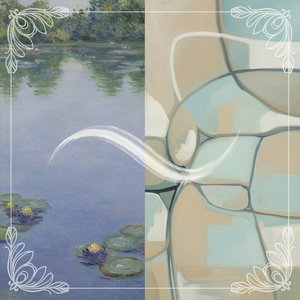
Serene Visions: Exploring Themes of Tranquility in Art History & Contemporary Practice
Explore the history of serene landscape art & discover artists who evoke tranquility. Find the perfect calming artwork for your home with expert guidance from OriginalUniqueArt.

John Constable: 25 Mojstrovskih Del Angelskega Krajinarja | OriginalUniqueArt.com
Odkrijte 25 mojstrovskih del Johna Constabla, angleškega slikarja romantizma. Preučite zgodbe za ikoničnimi krajinami, tehniko in lepoto narave. Kvalitetne reprodukcije slik na OriginalUniqueArt.com – idealno za dekoracijo doma!

Evocations of Place: A Historical Journey Through Landscape Art
Explore the rich history of landscape art with OriginalUniqueArt. Discover renowned artists, movements like Impressionism & Romanticism, and expert guidance for collecting timeless pieces. Find your perfect serene escape today!

Romantična pokrajina: 10 mojstrovin, ki so definirale gibanje | Umetnost za vaš dom z OriginalUniqueArt.com
Odkrijte 10 mojstrovin romantizma v slikarstvu! Caspar David Friedrich, Turner in drugi. Preučite zgodbe, tehnike in čustva teh ikoničnih krajinskih slik. Kvalitetne reprodukcije za vaš dom na OriginalUniqueArt.com
