
 Predogled
 Pošlji
 Deli
Deli
 Podrobnosti o delu

 Prenesi
 Podobni izdelki
 Rentgenski posnetek
 Predvajaj diaporama
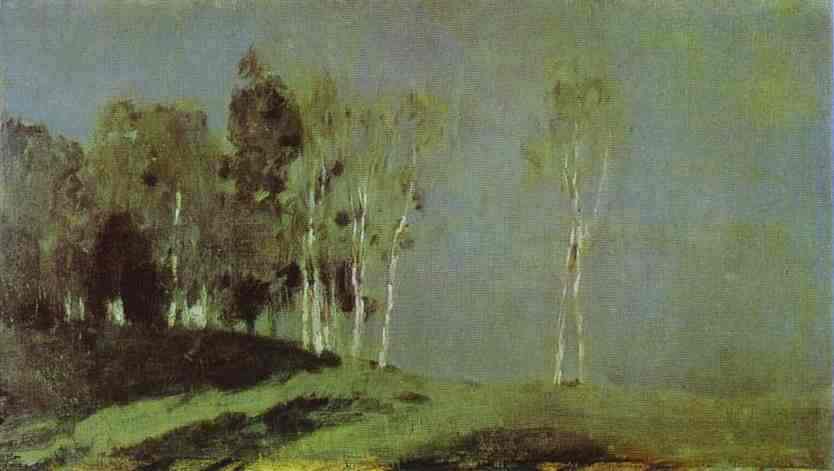
Moonlit Night


 Razviljaj več
Kupite digitalno sliko visoke ločljivosti z izboljšano kakovostjo, ki je precej boljša od spletnega predogleda.
Vsaka datoteka je pod natančnim nadzorom naših strokovnjakov, ki uporabljajo napredna orodja in strokovno ročno obdelavo. Zagotovimo, da ima vsaka slika izjemno jasnost, natančnost barv in fine podrobnosti.
Končna datoteka je po e-pošti dostavljena v 72 urah, optimizirana za takojšnjo uporabo v profesionalnem, uredniškem in tiskarskem okolju. To je kakovost, ki ji zaupajo vrhunska oblikovalna studia, založniki in galerije.
Digitalna slika
Prenesite datoteko visoke ločljivosti za osebno uporabo, tiskanje in kreativne projekte. ( Kupi tisk Kupi ročno naslikano sliko)
Vključeno v vsako naročilo digitalne slike
Zagotovljena strokovna digitalna dostava
Ko izberete OriginalUniqueArt.com, ne prejmete le slike – prejmete digitalno umetniško delo, ki je profesionalno urejeno, izdelano z natančnostostjo in zavestno zagotovljeno z garancijo za zadovoljstvo. Tukaj je vse, kar samodejno prejmete z vašim naročilom:

Hitra dostava prek e-pošte
Vaša digitalna slika visoke ločljivosti bo na vaš e-naslov poslana v roku 72 ur od zaklopa naročila – pripravljena za takojšnjo uporabo.

Digitalna datoteka z umetno inteligenco
Vaše umetniško delo je strokovno optimizirano z uporabo naprednih orodij umetne inteligence in ročne obdelave, kar zagotavlja največjo stopnjo podrobnosti, jasnosti in barvne natančnosti.

Brezplačna ponovna dostava za vse življenje
Ste zaradi nespremietne napake izgubili ali izbrisali svojo datoteko? Ni težav – vam jo bomo ponovno poslali kadar koli in brezplačno.

Brez uvoznih pristojbin – vedno
Uživajte v svojem umetniškem delu takoj, brez carin, davkov ali stroškov dostave – digitalni prenosi so vedno brezdavčni.

Zagotovilo natančnosti barv
Z uporabo profesionalnih orodij in upravljanja barv zagotavljamo, da vaša digitalna slika čim bolj natančno odraža prvotne barve.

60-dnevna garancija zadovoljstva
Če niste zadovoljni s svojo digitalno sliko, jo bomo uredili ali vam v 60 dneh povrnili 100% denarja – brez kakršnih koli vprašanj.

100% Garancija povračila denarja
Niste zadovoljni? Zagovрите popoln povračilo sredstev v 60 dneh po prejemu digitalne datoteke – brez kakršnih koli vprašanj.

Popusti pri večjem številu naročil
Kupite 3 slike, prihranite 10% - Kupite 5 slik, prihranite 15% - Kupite 10+ slik, prihranite 20%. Odlično za kreativne projekte, galerije in agencije.
Opis digitalnega artefakta
A Symphony of Sorrow: Exploring Isaak Levitan’s “Moonlit Night”
Isaak Ilyich Levitan (1860-1900), a titan amongst Russian landscape painters, didn't merely depict scenery; he wrestled with the very essence of melancholy and imbued his canvases with an unparalleled sensitivity to the human condition. His oeuvre is defined by a profound communion with nature—not one of triumphant grandeur but rather of quiet contemplation tinged with poignant longing—a characteristic that solidified his place as the progenitor of what would become known as “mood landscapes.” Born in Kyiv, Ukraine, Levitan’s formative years were marked by considerable hardship; orphaned at a young age and burdened by familial responsibilities, he developed an inner life deeply attuned to emotional nuance. This profound empathy translated directly into his artistic vision, shaping him into an artist who sought not just visual representation but rather the conveyance of intangible feelings. His early training under Alexei Savrasov instilled in him a disciplined approach rooted in observation and meticulous detail—a cornerstone of Levitan’s distinctive style. Savrasov championed realism, urging artists to capture the world as it truly appeared, unburdened by romantic embellishments. Levitan embraced this ethos wholeheartedly, honing his skills through painstaking studies of light and shadow, mastering brushstrokes that conveyed texture and atmosphere with breathtaking precision. This technique—characterized by loose, expressive strokes layered upon one another—allowed him to evoke not just the visual contours of a landscape but also its emotional resonance. The resulting paintings possess an ethereal quality, capturing the stillness of twilight and conveying a palpable sense of solitude. “Moonlit Night,” completed in 1899, exemplifies Levitan’s artistic philosophy perfectly. Painted in oil on canvas, the artwork presents a hillside bathed in silvery moonlight, dominated by mature trees—their branches reaching upwards towards the heavens like supplicating arms. A solitary figure stands near the center of the composition, seemingly absorbed in contemplation, adding to the painting's contemplative mood. The artist skillfully utilizes chiaroscuro – the dramatic interplay between light and dark – to sculpt the forms of the trees and create a sense of depth that draws the viewer into the scene. Notice how the moonlight illuminates patches of grass, highlighting its delicate texture and casting long shadows across the hillside. Beyond mere visual beauty, “Moonlit Night” speaks volumes about Levitan’s preoccupation with themes of loss and remembrance. The desolate landscape mirrors the inner turmoil experienced by the artist himself—a reflection of his own personal struggles and a poignant acknowledgment of life's inevitable impermanence. The solitary figure embodies vulnerability and introspection, inviting viewers to contemplate their own relationship with nature and with the passage of time. It’s a painting that lingers in the mind long after viewing, prompting questions about beauty amidst sorrow and finding solace in the quiet grandeur of the Russian wilderness. The Tretyakov Gallery houses one of the finest examples of Levitan's work, allowing visitors to experience firsthand the profound emotional impact of this iconic landscape masterpiece. Its enduring appeal lies not only in its exquisite craftsmanship but also in its ability to tap into universal human emotions—a testament to Levitan’s genius as a painter and poet of the Russian soul.- Artist: Isaak Ilyich Levitan
- Year Created: 1899
- Style: Realism
- Medium: Oil on Canvas
- Location: Tretyakov Gallery, Moscow
Symbolic Resonance of “Moonlit Night”
The choice of a moonlit hillside as subject matter is deliberate. The moon, traditionally associated with femininity and intuition, symbolizes dreams, memories, and the subconscious—elements central to Levitan’s artistic exploration of emotion. The trees themselves represent resilience and endurance, mirroring the artist's own perseverance in overcoming adversity. Their upward reaching branches symbolize aspiration and a yearning for transcendence.Technique & Artistic Vision
Levitan’s masterful use of chiaroscuro—the dramatic contrast between light and dark—creates an atmosphere of profound stillness and melancholy. Loose brushstrokes convey texture and movement, capturing the subtle nuances of moonlight filtering through foliage. The artist's meticulous attention to detail ensures that every element contributes to the overall emotional impact of the painting.Emotional Impact & Legacy
“Moonlit Night” transcends mere depiction; it communicates a deep sense of longing and contemplation—a reflection of Levitan’s own inner life and a timeless exploration of human emotion. It remains a cornerstone of Russian landscape art, influencing generations of artists who sought to capture the soul of the Russian wilderness with equal sensitivity and artistry.Biografija umetnika
A Symphony of the Russian Soul: The Life and Art of Isaak Ilyich Levitan
Isaak Ilyich Levitan, a name synonymous with the evocative power of Russian landscape painting, was more than just a chronicler of nature; he was a poet of the land, a translator of its moods into visual form. Born in 1860 in Kibarty (present-day Lithuania) to a Jewish family who later settled in Moscow, Levitan’s life was marked by both profound hardship and an unwavering dedication to his art. The early loss of his mother and father instilled within him a sensitivity that would permeate his canvases with a melancholic beauty—a beauty born from sorrow but illuminated by an enduring love for the Russian wilderness. He entered the Moscow School of Painting, Sculpture and Architecture in 1873, where he came under the tutelage of Alexei Savrasov, whose influence would prove pivotal in shaping Levitan’s artistic vision. It was Savrasov who nurtured his student's innate ability to capture not merely the appearance of nature, but its very essence—its atmosphere, its emotional resonance.The Birth of a ‘Mood Landscape’
Levitan swiftly distinguished himself as an artist capable of conveying profound emotion through landscape. He wasn’t interested in topographical accuracy for its own sake; rather, he sought to imbue his paintings with a sense of *mood*, a feeling that resonated deep within the viewer's soul. This approach earned him the title of pioneer of the “mood landscape,” a genre that moved beyond simple representation to explore the spiritual connection between humanity and nature. His palette was often subdued, favoring naturalistic colors and poetic elements over vibrant displays—colors chosen with meticulous care to convey precisely the desired emotional tenor. He masterfully employed light and shadow, creating atmospheric effects that evoked feelings of tranquility, solitude, or even quiet despair. Consider *Autumn Day. Sokolniki* (1879), painted when he was just nineteen years old; the canvas breathes with a palpable stillness, punctuated by shafts of golden sunlight that illuminate patches of russet foliage. This masterful manipulation of light captures not only the visual splendor of autumn but also its underlying melancholy—a poignant reminder of passing time and inevitable decay.Influences and Artistic Kinships
Savrasov’s teachings instilled in Levitan a profound respect for realism, yet he never adhered rigidly to conventional artistic conventions. He absorbed inspiration from fellow artists like Vasily Perov and Konstantin Korovin, forging connections that enriched his creative process. Notably, he collaborated closely with Mikhail Nesterov, sharing an aesthetic sensibility rooted in Orthodox spirituality—a spiritual dimension that found its expression in works such as *The Vladimirka Road* (1892) and *Eternal Rest*. These collaborations fostered a dynamic exchange of ideas and perspectives, shaping Levitan’s artistic vision. Furthermore, he befriended Anton Chekhov, whose literary explorations mirrored his own preoccupation with human emotion and psychological complexity—a kinship that extended beyond mere admiration for the playwright's genius. This shared intellectual curiosity fueled his artistic endeavors and deepened his understanding of the human condition.Major Achievements and Recognition
Levitan’s dedication to his craft culminated in a distinguished career marked by significant accomplishments. He was elected to the Imperial Academy of Arts in 1897, acknowledging his growing stature within the Russian art world—a testament to his unwavering commitment to artistic excellence. Subsequently, he served as head of the landscape studio at Moscow School of Painting, Sculpture and Architecture from 1898 onwards, nurturing the talents of aspiring artists and perpetuating the legacy of Russian landscape painting. His paintings gained international acclaim, securing his place among the foremost representatives of the Peredvizhniki movement—a group of realist painters who championed artistic freedom and sought to depict the everyday lives of ordinary Russians with unflinching honesty. Works like *Stormy Day* and *Vesper Chimes*, imbued with a palpable sense of drama and emotion, exemplify Levitan’s mastery of expressive technique and his ability to convey profound psychological insight.Legacy and Enduring Resonance
Isaak Ilyich Levitan died unexpectedly in 1900 at the age of forty—a tragic loss that silenced one of Russia's most luminous artistic voices. Yet, his influence continues to reverberate through generations of artists and admirers alike. His canvases remain a poignant reminder of the beauty and fragility of existence—a testament to his unwavering belief in the transformative power of art. In 1941, a solemn ceremony honored his memory when his remains were transported to Novodevichy Cemetery in Moscow—a symbolic reunion with Anton Chekhov, two artistic kindred spirits who captured the essence of their time and place with unparalleled sensitivity and grace. Levitan’s legacy endures as an icon of Russian landscape painting—a beacon of melancholic beauty and a profound interpreter of the Russian soul.
Isaak Iljič Levitan
1860 - 1900 , Litva
Ključne informacije
- Artistic Movement Or Style: Mood Landscape
- Artists Or Movements Influenced By This Artist: ['Ruski krajinski slikarji']
- Artists Who Influenced This Artist:
- Aleksej Savrasov
- Vasiliy Polenov
- Konstantin Korovin
- Date Of Birth: August 30, 1860
- Full Name: Isaak Ilyich Levitan
- Nationality: Ruski
- Notable Artworks:
- Autumn Day. Sokolniki
- Vladimirska cesta
- Večna počast
- Pomladna pljuska
- Burja
- Večerni zvoni
- Place Of Birth: Kibarty, Lithuania

