

 Preverite v realnem okolju
 Pošlji kot čestitko
 Deli
Deli
 Podrobnosti
 Priročnik

 Prenesi
 Podobni artefakti
 Rentgenski posnetek
 Predvajaj diaporama
 Statistika
Denarne rastline


 Preberi več
Kupite digitalno sliko visoke ločljivosti z izboljšano kakovostjo, ki je precej višja od spletnega predogleda.
Vsako datoteko naše strokovnjake v ekipi z največjo mero natančnosti pripravijo z uporabo naprednih orodij in strokovne ročne obdelave. Zagotovimo, da je vsaka slika izjemno jasna, barvno natančna in polna finih podrobnosti.
Končna datoteka je po e-pošti dostavljena v 72 urah, optimizirana za takojšnjo uporabo v profesionalnem, uredniškem in tiskarskem okolju. To je kakovost, ki ji zaupajo vrhunska oblikovalna studia, založniki in galerije.
Digitalna slika
Prenesite datoteko visoke ločljivosti za osebno uporabo, tiskanje in kreativne projekte. ( Preklop na tiskanine Naročite ročno slikano reprodukcijo)
Vključeno v vsako naročilo digitalne slike
Zagotovljena strokovna digitalna dostava
Z izbiro OriginalUniqueArt.com ne prejmete le slike – prejmete profesionalno urejeno digitalno umetniško delo, izdelano z največjo natančnostjo in zavestno podprto z garancijo za zadovoljstvo. Tukaj je vse, kar bo z vašim naročilom samodejno priloženo:

Hitra dostava po e-pošti
Vaša digitalna slika visoke ločljivosti bo na vaš e-naslov poslana v roku 72 ur od zaklopa naročila – pripravljena za takojšnjo uporabo.

Digitalna datoteka z uporabo AI
Vaše umetniško delo je strokovno optimizirano z uporabo naprednih orodij umetne inteligence in ročne obdelave, kar zagotavlja največjo stopnjo podrobnosti, jasnosti in barvne natančnosti.

Brezplačna doletna ponovna dostava
Ste datoteko zaradi nespremietne napake izgubili ali izbrisali? Ni težav – vam jo bomo ponovno poslali kadar koli in brezplačno.

Brez uvoznih pristojbin – vedno
Svoje umetniško del uživajte takoj, brez carin, davkov ali stroškov dostave – digitalni prenosi so vedno brezdavčni.

Zagotovilo natančnosti barv
Z uporabo profesionalnih orodij in procesov upravljanja barv zagotavljamo, da vaša digitalna slika čim bolj natančno odraža prvotne barve.

100-dnevna garancija zadovoljstva
Če niste zadovoljni s svojo digitalno sliko, jo bomo uredili ali vam v 100 dneh povrnili 100% denarja – brez kakršnih koli vprašanj.

100% Garancija povračila denarja
Niste zadovoljni? Zagotavljamo vam popoln povračilo sredstev v 100 dneh po prejemu digitalne datoteke – brez dodatnih vprašanj.

Popusti pri večjih naročilih
Kupite 3 slike, prihranite 10% - Kupite 5 slik, prihranite 15% - Kupite 10+ slik, prihranite 20%. Odlično za kreativne projekte, galerije in agencije.
Money Plant by Imogen Cunningham
Imogen Cunningham’s “Money Plant” (1956) stands as a testament to Pictorialism's enduring fascination with the natural world and Group f/64’s commitment to uncompromising photographic realism. Captured in stark black and white, this deceptively simple image reveals layers of artistic consideration—a masterful distillation of botanical observation combined with innovative compositional techniques. Cunningham, recognizing the potential for abstraction within seemingly straightforward subjects, transformed a commonplace plant specimen into an architectural meditation on form and light.Botanical Precision Meets Artistic Vision
The photograph focuses intently on Lunaria seed pods – commonly known as Money Plants – presenting them in close-up detail. Cunningham’s meticulous eye captures the delicate stems and shimmering leaves of this species, skillfully arranging them to create a vertical composition that emphasizes length and visual balance. The resulting image isn't merely documentation; it’s an exercise in artistic control, prioritizing clarity and tonal range—characteristics championed by Group f/64. This stylistic choice underscores Cunningham’s dedication to capturing the essence of her subject matter with uncompromising accuracy.Light and Texture: Orchestrating Depth
The lighting plays a crucial role in elevating “Money Plant” beyond mere representation. Strong shadows cast across the seed pods generate depth and dimension, highlighting their convex and concave surfaces. These reflections mimic the shimmering quality of silver dollars—a deliberate reference to the plant’s evocative name—suggesting movement and injecting drama into what might otherwise appear static. Cunningham expertly manipulates light to sculpt texture, revealing the rough, weathered surface of the dried seedpods alongside the smoother contours of the branch itself. This textural contrast contributes significantly to the overall visual impact.Symbolism Beyond Form
Beyond its formal qualities, “Money Plant” carries symbolic resonance. The coin-like appearance of the seed pods invites contemplation on themes of abundance and cyclical renewal—mirroring the plant’s lifecycle from germination to flowering and seed dispersal. Cunningham's work speaks to a broader humanist impulse, prioritizing observation and conveying a quiet sense of wonder at the beauty inherent in the natural world. It embodies Group f/64’s belief that photography could serve as a conduit for profound artistic expression.Technical Mastery: Film Photography
The photograph itself is executed using film—a deliberate choice reflecting Cunningham's adherence to traditional photographic processes. The medium lends itself beautifully to capturing subtle tonal variations and preserving the delicate textures of the subject matter, resulting in an image imbued with warmth and luminosity. Utilizing a medium format camera ensured exceptional resolution and tonal range, allowing Cunningham to translate her artistic vision into a stunning visual record—a legacy that continues to inspire artists today.Vprašanja in odgovori
Hvilušna barvna tonina, kateri se nagiba "Denarne rastline"?
"Denarne rastline" nagnjeno k Od okre do sepije tonu.
Ali je "Denarne rastline" brez avtorskih pravic?
"Denarne rastline" avtorja Imogen Cunningham je v še vedno pod avtorsko pravico. Ta status določa način, kako se lahko reproducira slika dela.
Katera barva prevladuje v kompoziciji dela "Denarne rastline" avtorja Imogen Cunningham?
Barva, ki najbolj izstopa v delu "Denarne rastline", je Siva (#706c69). Prevladujoča barva je koristna pri združevanju umetniškega dela z notranjo opremo.
Biografija umetnika
Zgodno mladstvo in umetniško prebujanje
Imogen Cunningham, pionirska sila ameriške fotografije, se je rodila 12. aprila 1883 v Portlandu v Oregonu v veliki družini deset otrok. Njeno zgodnje življenje, ki ga je zaznačel preselitev v Seattle leta 1889, je spodbudilo neodvisnega duha in prodoren opazovalni pogled. Čeprav v njenem vzgojnem obdobju formalna umetnostni izobrazba ni bila prioriteta, je Cunningham izobraževanje sledila samostojno, s čemer je že od mladosti pokazala vroden umetniški nagon. Ključni trenutek se je zgodil leta 1901, ko je v age osemnajst let pridobila svojo prvo fotapar – 4-palčni vidni fotapar, kupljen po naročilu. Ta pridobitev je razbudila življenjsko strast in privedla do ustvarjanja temne sobe v družinski leseni skladišču, prostoru, kjer je začela raziskovati nastajajočo umetnostno obliko, ki bo določila njeno kariero. Njene akademske poti na Univerzi v Washingtonu, ki so se zaključile z diplomo iz kemije leta 1907 in tezom o fotografskih procesih, razkrivajo zgodnje razumevanje znanstvenih temeljev izbranega medija. Ta zlitje umetniške senzibilnosti in tehničnega znanja je postalo značilnost njenega dela. Globok stik s fotografijami Gertrude Käsebier je bil še posebej vpliven in utrdil Cunninghamino odločenost, da fotografijo sprejme kot nekaj več kot le hobi.Od piktorializma do modernistične vizije
Cunninghamin prvi koraki v profesionalno fotografijo so vključevali usposabljanje pri Edwardu S. Curtisu v Seattlu, kjer je izpilovala svoje veščine portretiranja in osvojila zapleteno tehniko platinotiska med prispevanjem k njegovemu monumentalnememu projektu dokumentiranja kultur domorodcev Amerike. Kasneje je odprla lastni studio, v katerem je sprva sprejela prevladujočo piktorialistično estetiko – slog, ki ga odlikuje mehka ostrina, režirane kompozicije in poskus emulacije slikarstva. Njena dela v tem obdobju so dobila kritično priznanje, vendar umetnična pot Cunninghamove ni bila dokončno določena. Obdobje študija v Dresnu v Nemčiji pod profesorjem Robertom Lutherjem leta 1909 je še dodatno izpililo njeno tehnično strokovnost, zlasti na področju fotografske kemije. Vendar pa so prav naslednja desetletja prinesla dramatično spremembo njenega pristopa. Poroka z Roijem Partridgem leta 1915 in vzgoja treh otrok sta se zazgodila z preselitvijo v San Francisco leta 1920, kar je predstavljalo prelomnico tako v njenem osebnem kot umetniškem življenju. Medtem ko je nadaljevala z portretiranjem, je Cunningham začela raziskovati botanično fotografijo, očaranost jo pa je prevzelo zapleteno podrobnosti cvetov in rastlin. Ta fascinacija se je razvila v raziskovanje industrialnih pokrajin, kjer je dokumentirala tovornice in urbane prizore z vse več presence ostre ostrine in neobdelanih slik. Odločilni trenutek je prišel z njenim vključevanjem v skupino f/64 v tridesetih letih – alongside z velikani, kot sta Ansel Adams in Edward Weston – v kolektiv, posvečen »čisti fotografiji«, ki je prednostno dajal jasnost, natančnost in zavračanje piktorialistične manipulacije.Zgodbinska pomembnost in trajen vpliv
Prispevki Imogen Cunningham k ameriški fotografiji so ogromni in daljnjo dosegajoči. Kot prava inovativka je navigirala skozi razvijajočo se pokrajino tega medija, sprejela pa tako umetniške aspiracije piktorializma kot tudi modernistična načela čiste fotografije. Njena dela so izzivala konvencionalne predstavitve lepote in širila meje fotografske izraznosti. Ustanovitev Imogen Cunningham Trust leta 1975 je poudarila njeno predanost ohranjanju in promoviranju njene dediščine za prihodnje generacije. Čeprav je umrla leta 1976, njen vpliv še danes odmeva med fotograferji. Stoji kot spomenik moči umetniške vizije, tehnične veščine in neomajne predanosti – pionirska figura, ki je pomagala oblikovati razvoj fotografske umetnosti in pustila neizbrisno sled v zgodovini vizualne kulture. Njena sposobnost, da najde lepoto v prizemljenem in razkrije izjemno v običajnem, ostaja vir navdih za umetnike in gledalce. Delo Cunninghamove ni le v tem, kaj je fotografirala; gre za to, kako je videla svet.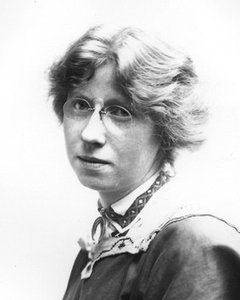
Imogen Cunningham
1883 - 1976 , Združene države Amerike
Kratek pregled
- Artistic Movement Or Style: Piktorializem, Modernizem
- Artists Or Movements Influenced By This Artist: ['Skupina f/64']
- Artists Who Influenced This Artist: ['Gertrude Käsebier']
- Date Of Birth: 12. april 1883
- Date Of Death: 1976
- Full Name: Imogen Cunningham
- Nationality: Američka
- Notable Artworks:
- Samoportret
- Denarjeva rastlina
- Gumijasta rastlina 3
- Place Of Birth: Portland, USA