
 Predogled v realnem okolju
 Pošlji
 Deli
Deli
 Podrobnosti o delu
 Priročnik

 Prenesi sliko
 Podobni izdelki
 Rentgenski posnetek
 Predvajaj diaporama
 Vprašanja in odgovori
 Statistika
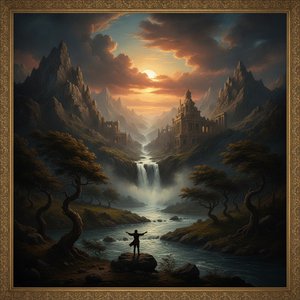
River Crossing

- 63.0 x 84.0 cm


 Preberi več
Giclée tisk / Umetniški tisk
Giclée ali platnati odtis muzejske kakovosti z hitro proizvodnjo in prilagodljivimi možnostmi končne obdelave. ( Kupite ročno slikano delo Preklop na digitalno sliko)




P118B €10

P118H €10

P118W €10

P438Z €10

P508JH €12

P508YH €12

P805H €10

P805Z €10

P919BZ €10

P919G €10

P919XJ €10

P959ZH €10

P968JZ €12

W106C €8

W218G €10

W218JH €8

W218Y €10

W307PJ €10

W316G €10

W316PJ €8

W316Y €10

W398PJ €8

W4111J €10

W500HY €15

W500JH €15

W692G €12

W849H €8

W940BG €15

W953PJ €8




Izberite eno od naših vnaprej določenih velikosti, ki ustrezajo prvotnim proporcijam umetničkega dela.

Vnesite širino in višino, ki jih potrebujete za svoj okvir ali steno. Tiskanje se lahko le odreže, vendar ga ni mogoče narediti večjega od slike, zato format z drugačno obliko pomeni izgubo dela slike. Pred tiskanjem vam pošljemo digitalni predogled za potrditev. Slika, prikazana na tej strani, ne prikazuje dejanskega izrezka — le predogled to omogoča.
Globalna dostava () v 2 tednih namesto standardnih 4/5 tednov. (10 november)

Brezplačna ekspresna dostava po vsem svetu

Visokokakovostno laneno platno

Popolno zavarovanje pošiljke

Garancija povračila carine in uvoznih davkov

Garancija popolnega barvnega ujemanja

100-dnevna politika vračil (le v primeru okvar)

Garancija 100% povračila denarja

Popust pri večjem naročilu
 Možnost stekla je na voljo le za velikosti pod 110 cm

River Crossing
Giclée tisk / Umetniški tisk
Velikost reprodukcije
-


Skupna cena
€ 73
A Singular Vision: Ignacio de Iriarte and His Landscape Masterpieces
Ignacio de Iriarte (1620-1685), a name often overshadowed by the luminaries of his time – Murillo, Zurbarán – nonetheless occupies a crucial position in Spanish Baroque art. Unlike many artists preoccupied with religious commissions or portraiture, Iriarte dedicated himself almost entirely to capturing the untamed grandeur of the Iberian Peninsula’s rural vistas. This unwavering focus resulted in a distinctive artistic style that distinguishes him from his contemporaries and secures his place as “the Spanish Claude Lorraine,” a moniker reflecting his profound admiration for the French landscape painter whose work championed natural beauty and atmospheric perspective.
- Early Influences: Iriarte’s formative years were spent in Azcoitia, Gipuzcoa, where he received a grounding in humanist scholarship alongside artistic training. His apprenticeship with Francisco Herrera the Elder instilled him with foundational principles of disegno – Italian Renaissance drawing techniques – emphasizing careful observation and anatomical accuracy.
- Seville and Artistic Evolution: Moving to Seville in 1642 marked a pivotal moment, propelling Iriarte into the vibrant artistic milieu of the city. Here, he honed his skills further, experimenting with chiaroscuro—the dramatic interplay of light and shadow—a technique perfected by Caravaggio and embraced wholeheartedly by Iriarte.
The Style of Wildness: Defining Iriarte’s Artistic Language
What truly sets Iriarte apart is his stylistic approach. He eschewed the idealized landscapes favored by many artists, opting instead for depictions that convey a palpable sense of ruggedness and immediacy. His canvases pulsate with energy, capturing fleeting moments of weather – storms brewing over distant mountains, sunlit meadows dotted with wildflowers – with breathtaking realism. Unlike Caravaggio’s theatrical lighting, Iriarte employed softer illumination to sculpt the contours of his subjects, creating an atmosphere that is both dramatic and contemplative.
- Atmospheric Perspective: A hallmark of Iriarte's technique is masterful atmospheric perspective—the illusion of depth achieved through subtle gradations of color and tonal value. He skillfully renders distant landscapes with muted hues and hazy outlines, conveying the vastness and majesty of nature.
- Detailed Observation: Iriarte’s paintings are characterized by meticulous detail, reflecting his unwavering commitment to accurate representation. From the texture of bark on ancient trees to the ripples in a turbulent stream, every element is rendered with painstaking precision.
Historical Context and Symbolic Resonance
Iriarte's artistic endeavors unfolded against the backdrop of Spain’s Baroque era—a period marked by fervent religious fervor and opulent patronage. However, Iriarte transcended mere decorative splendor, imbuing his landscapes with profound symbolic significance. The depiction of solitary figures contemplating the sublime beauty of nature speaks to a humanist preoccupation with contemplation and moral reflection – values championed by thinkers like Descartes and Spinoza.
- The Sublime: Iriarte’s canvases embody the concept of “the sublime”—a feeling of awe and terror inspired by encountering overwhelming grandeur. He captures the majesty of mountains, the power of storms, and the immensity of the sky, prompting viewers to confront their own insignificance in the face of nature's forces.
- Religious Undertones: While primarily focused on landscape, Iriarte’s paintings often incorporate subtle religious iconography—references to biblical narratives or depictions of saints—suggesting a desire to elevate the viewer’s spirit and connect him with divine transcendence.
Legacy and Enduring Appeal
Despite his relative obscurity during his lifetime, Ignacio de Iriarte has experienced a resurgence of interest in recent decades. His landscapes continue to captivate audiences worldwide, admired for their breathtaking beauty, technical virtuosity, and profound emotional resonance. Reproductions of his masterpieces adorn homes and galleries across the globe, testament to the enduring power of his vision—a singular dedication to portraying the untamed splendor of Spain’s countryside that secures him a rightful place among the greatest artists of the Baroque.
Vprašanja in odgovori
Kakšno vzdušje bi v prostor prineslo "River Crossing"?
Zaradi svoje Calm vzdušnosti je delo "River Crossing" primerno za Living Room.
Kdaj in z kak 싶šnimi materiali je bila izdelana skladba "River Crossing"?
"River Crossing" je bila izdelana leta 1665 z uporabo tehnike Oil On Canvas.
Katera postavitev najbolje ustreza formatu dela "River Crossing" avtorja Ignacio de Iriarte?
Z obliko Landscape se reprodukcija dela "River Crossing" priporoča za Living Room.
Sorodni članki

Cultivating Visions: A Historical Journey Through Rural Landscapes in Art
Explore the rich history of rural landscape painting with OriginalUniqueArt. Discover Impressionist masterpieces, key artists & movements. Find your perfect serene artwork and bring nature's beauty home.

The Golden Age Reforged: Dramatic Realism & Religious Zeal in Spanish Baroque Art
Explore the dramatic world of Spanish Baroque art! Discover masters like Zurbarán & the powerful influence of religious zeal on painting techniques – a guide for collectors and enthusiasts.

Francisco Goya: 25 Mojstrovin Španskega Slikarja za Vaš Dom | OriginalUniqueArt
Odkrijte 25 mojstrovin Francisca Goye – od portretov do Črne serije. Preberite zgodbe za vsako sliko, tehnike in navdih. Kvalitetne reprodukcije slik za vaš dom na OriginalUniqueArt.com! Raziskajte celotno zbirko online.

John Constable: 25 Mojstrovskih Del Angelskega Krajinarja | OriginalUniqueArt.com
Odkrijte 25 mojstrovskih del Johna Constabla, angleškega slikarja romantizma. Preučite zgodbe za ikoničnimi krajinami, tehniko in lepoto narave. Kvalitetne reprodukcije slik na OriginalUniqueArt.com – idealno za dekoracijo doma!
Epic Drama & Dark Vibes: The Ultimate Collector's Guide to Baroque Landscapes
Master the art of drama with our ultimate guide to Baroque landscapes. Discover the power of chiaroscuro, explore legendary masters, and learn how to curate epic, dark-vibe masterpieces for your collection with expert insights from OriginalUniqueArt.