

 Preverite v realnem okolju
 Pošlji kot čestitko
 Deli
Deli
 Podrobnosti
 Priročnik

 Prenesi
 Podobni artefakti
 Rentgenski posnetek
 Predvajaj diaporama
 Statistika
The Fountain
 Oil On Canvas
- WallArt
- Rococo
 1777
1777 173.0 x 80.0 cm
 Metropolitanski muzej umetnosti
 Preberi več
Giclée tisk / Umetniški tisk
Giclée ali platnati odtis muzejske kakovosti z hitro proizvodnjo in prilagodljivimi možnostmi končne obdelave. ( Naročite ročno slikano reprodukcijo Preklop na digitalno sliko)




P118B €10

P118H €10

P118W €10

P438Z €10

P508JH €12

P508YH €12

P805H €10

P805Z €10

P919BZ €10

P919G €10

P919XJ €10

P959ZH €10

P968JZ €12

W106C €8

W218G €10

W218JH €8

W218Y €10

W307PJ €10

W316G €10

W316PJ €8

W316Y €10

W398PJ €8

W4111J €10

W500HY €15

W500JH €15

W692G €12

W849H €8

W940BG €15

W953PJ €8




Izberite eno od naših vnaprej določenih velikosti, ki ustrezajo prvotnim proporcijam umetničkega dela.

Vnesite širino in višino, ki jih potrebujete za svoj okvir ali steno. Tiskanje se lahko le odreže, vendar ga ni mogoče narediti večjega od slike, zato format z drugačno obliko pomeni izgubo dela slike. Pred tiskanjem vam pošljemo digitalni predogled za potrditev. Slika, prikazana na tej strani, ne prikazuje dejanskega izrezkov — le predogled to omogoča.
Globalna dostava () v 2 tednih namesto standardnih 4/5 tednov. (23 oktober)

Brezplačna ekspresna dostava po vsem svetu

Visokokakovostno laneno platno

Popolno zavarovanje pošiljke

Garancija povračila carine in uvoznih davkov

Garancija popolnega barvnega ujemanja

Politika vračila v 100 dneh (le v primeru okvar)

Garancija 100% povračila denarja

Popust pri večjem naročilu
 Možnost stekla je na voljo le za velikosti pod 110 cm

The Fountain
Giclée tisk / Umetniški tisk
Velikost reprodukcije
-


Skupna cena
€ 70
A Dreamscape of Antiquity: The Genesis of "The Fountain"
Hubert Robert's 1777 painting, “The Fountain,” isn’t merely a depiction of a picturesque Italian landscape; it’s an immersive experience, a carefully constructed illusion designed to evoke the grandeur and serenity of antiquity. Born from a wager between King Louis XV’s brother, the comte d’Artois, and Queen Marie Antoinette – a challenge to build a pleasure pavilion in just sixty-four days – the work transcends its origins as a commissioned piece. Robert, having spent eleven years immersed in the Italian artistic landscape, skillfully blended his own observations with classical architectural principles and a touch of romantic fancy. The painting whispers of a bygone era, inviting us into a world where leisure and beauty intertwine, reflecting the Rococo fascination with both historical grandeur and idyllic escape.
The scene unfolds within a vast Roman landscape dominated by a colossal column, its summit crowned with an imposing statue – a testament to human ambition and artistic skill. A long, arched structure, reminiscent of a Roman arcade or portico, stretches into the distance, creating a sense of limitless space and drawing the eye upwards towards this monumental focal point. The composition is meticulously balanced, utilizing strong vertical lines that emphasize the column’s height while softer curves represent the trees and figures scattered throughout the scene. This interplay between geometric precision and organic forms establishes a visual harmony that contributes to the painting's overall sense of tranquility.
The Language of Light and Atmosphere: Technique and Style
Robert’s mastery lies in his ability to capture atmospheric perspective, a technique crucial to conveying depth and distance. Notice how the colors gradually become paler and less saturated as they recede into the background – ochres, browns, and muted greens dominate, creating a hazy, dreamlike quality. This effect is achieved through careful layering of paint, building up textures and values with meticulous brushwork. The lighting, diffused and warm, suggests either dawn or dusk, bathing the scene in a soft glow that enhances its romantic atmosphere. The use of chiaroscuro – the dramatic contrast between light and shadow – further emphasizes the column’s imposing presence and adds to the painting's sense of drama.
Examining the brushstrokes reveals Robert’s deliberate approach. He doesn’t strive for photographic realism; instead, he employs a loose, expressive style that prioritizes capturing the *feeling* of the landscape. The figures themselves are rendered with a degree of informality, suggesting leisurely activities – conversation and repose – rather than precise detail. This stylistic choice aligns perfectly with the Rococo aesthetic, which valued elegance and charm over strict adherence to naturalism. The painting’s materials—likely oil paints on canvas—lend themselves beautifully to this technique, allowing for rich colors, subtle gradations of tone, and a remarkable sense of texture.
Symbolism and Historical Context: A Reflection of an Age
“The Fountain” is more than just a pretty picture; it’s imbued with symbolic meaning. The Roman ruins evoke the glories of antiquity, representing a lost world of power and sophistication. The fountain itself symbolizes abundance, leisure, and the pursuit of pleasure – values highly prized during the Rococo era. Robert's inclusion of figures engaged in social activities reinforces this theme, suggesting that life is meant to be enjoyed and celebrated. The painting also subtly references the Enlightenment fascination with classical antiquity, a movement that sought to revive the ideals and artistic principles of ancient Greece and Rome.
Furthermore, it’s important to consider Robert's personal history. His time in Italy profoundly shaped his artistic vision, fostering a deep appreciation for Roman architecture and sculpture. He deliberately combined elements from various sources, creating a unique synthesis that reflects his own creative imagination. The painting can be interpreted as a nostalgic longing for the past, blended with an anticipation of the future – a common theme in 18th-century art.
A Timeless Vision: Reproduction and Beyond
OriginalUniqueArt is proud to offer meticulously crafted hand-painted reproductions of Hubert Robert’s “The Fountain,” allowing you to bring this captivating masterpiece into your home or office. Our skilled artists faithfully recreate the painting's atmospheric depth, nuanced colors, and expressive brushwork, ensuring that every detail is rendered with exceptional accuracy. Whether you are an art enthusiast, a collector, or simply seeking to add a touch of timeless elegance to your space, our reproduction captures the essence of Robert’s vision – a dreamscape of Roman reverie that continues to enchant viewers centuries later.
Vprašanja in odgovori
Ali je "The Fountain" na voljo kot umetniški tisk?
Če želite naročiti tiskanino dela "The Fountain" avtorja Hubert Robert, jo preprosto naročite na njegovi strani Kakovostna tiskanina: umjetnička grafika na bombažnem platnu ali arhivskem papirju za platno.
Kakšno zasičenost in intenzivnost prikazuje "The Fountain" avtorja Hubert Robert?
Barvna zasičenost dela "The Fountain" znaša Balanced Soft, njegova intenzivnost pa je Balanced.
Katera barvna podloga preteka skozi "The Fountain" avtorja Hubert Robert?
Ochre to Sepia odtenek prežema celotno skladbo "The Fountain" avtorja Hubert Robert.
Biografija umetnika
Slikar Ruševin in Vizij: Svet Huberta Roberta
Hubert Robert, ime sinonim za čudovite pokrajine in romantični očar ruševin, zavzema edinstven položaj v francoski umetnosti 18. stoletja. Rojeni Parižan leta 1733 je njegovo življenje potekalo na ozadju spreminjajočih se umetniških slogov in monumentalnih zgodovinskih pretresov – od igrive elegance rokokoa do zore neoklasicizma, in končno skozi burna leta francoske revolucije. Ni samo dokumentiral propad; ustvarjal vizije, prepletal opazovanje z domišljijo, da bi ustvaril prizore, ki so odmevali s nostalgijo po preteklosti in pričakovanjem prihodnosti. Njegova pot se je začela v strukturiranem svetu umetniškega usposabljanja, sprva pod kiparjem Michel-Ange Slodtzom, ki je prepoznal njegov talent, a ga modro usmeril proti slikarstvu, občutek, da bi se njegova prava poklicala našla v ujemanju svetlobe, atmosfere in subtilne poezije oblike.Rimski Snovi: Oblikovanje Umetniške Identitete
Ključni trenutek Robertovega umetniškega razvoja je prišel z njegovim podaljšanim bivanje v Rimu leta 1754. Spremljal je Étienne-Françoisa de Choiseula in se potopil v svet, prežet zgodovino in arhitekturno veličastnostjo. Enajst let je starodavno mesto postalo njegov studio na prostem, njegove propadajoče templje, mogočne loke in zaraščene vrtove so spodbudili njegovo domišljijo. To ni bil samo o replikaciji tega, kar je videl; šlo je za interpretacijo, ponovno zamišljanje in prežemanje s čutom melanholične lepote. Delal je z Giovannijem Paulom Paninijem, katerega vpliv je viden v Robertovih zgodnjih *capriccio* kompozicijah – fantastičnih pogledih, ki so postavili klasične ruševine ob bok sodobnem življenju. Vendar se je Robert hitro premaknil onkraj imitacije in razvil svoj prepoznaven slog, za katerega so bili značilni natančni detajli, atmosferska perspektiva in globoka občutljivost na igro svetlobe in sence. Ni samo slikal ruševine; slikal je čas sam, zajemal subtilno lepoto prehodnosti in trajno moč spomina. Njegove skicnice iz tega obdobja so dragoceni zapisi njegovih opazovanj, polni podrobnih študij rimskih znamenitosti, kot so Villa d'Este in Caprarola, ki dokazujejo oster pogled za arhitekturno nianso in kompozicijo pokrajine.Pariški Ugled in Kraljevska Podpora
Robertov povratek v Pariz leta 1765 je pomenil prelomnico v njegovi karieri. Hitro si je pridobil priznanje znotraj umetniške ustanove, zagotovil si sprejem v Académie Royale de Peinture et de Sculpture s sliko "Pristanišče Rima, okrašeno z različnimi arhitekturnimi spomeniki, starodavnimi in modernimi." Njegove naslednje razstave na Salonu so požele široko pohvalo, očarale občinstvo s svojimi sugestivnimi upodobitvami ruševin in slikovitih pokrajin. Denis Diderot, pomembna osebnost razsvetljenstva, je slavil veličastnost, ki jo je vzbudilo Robertovo slikarstvo, prepoznal njegovo sposobnost, da popelje gledalce v drug čas in prostor. Ta uspeh je vodil do kraljevske podpore, s naročili za dekorativne projekte in imenovanjem za "Zasnovalca kraljevih vrtov" in pozneje "Čuvaja kraljevih slik". Postal je iskan umetnik, ne samo za svoja slika na stojalu, ampak tudi za svoje inovativne zasnove za vrtove in palačne interierje. Njegovo delo je odmevalo prevladajoči okus za *capriccio* slikarstvo – žanr, ki je pritegnil zbiratelje, fascinirane zgodovino, arheologijo in idilično – a ga je Robert obogatil s svojo edinstveno občutljivostjo, ga dvignil nad čisto dekorativno umetnost.Revolucija, Odpornost in Trajna Dedščina
Francoska revolucija je predstavljala nepredvidljivo izziv za Roberta. Medtem ko so se mnogi umetniki trudili navigirati po burnem političnem podnebiu, se je znašel ujet v prepletenih tokovih sprememb. Celo zaprt med vladavino terorja – pretresljiva izkušnja, ki jo je navdihnila serija risb, ki dokumentirajo njegov čas v zaporu. Kljub temu je vztrajno slikal skozi vse to obdobje in pokazal neomajno predanost svoji umetnosti. Po revoluciji je bil Robert imenovan za kustosa novo ustanovljenega Muséum Central des Arts – prihodnjega Musée du Louvre – dokaz njegove strokovnosti in predanosti ohranjanju kulturne dediščine. Igrial je ključno vlogo pri organizaciji in katalogiziranju muzejske zbirke, zagotavljal pa je, da so bile francoske umetniške zaklade za bodoče generacije varne. Hubert Robert je umrl v Parizu leta 1808 in za seboj pustil izjemen opus, ki še vedno navdihuje občudovanje. Njegova dediščina ne leži v njegovi tehnični mojstrskosti, ampak tudi v njegovi edinstveni sposobnosti prepletanja zgodovinske natančnosti z domišljijsko vizijo. Pioniriral je žanr slikarstva, ki je slavil lepoto propada in trajno moč človeške ustvarjalnosti, s čimer si je utrdil mesto kot ključna osebnost, ki povezuje rokokojo in neoklasicizem ter predvideva vidike romantizma s svojim zanimanjem za zgodovino in domišljijo.- Ključni vplivi: Giovanni Paolo Panini, Piranesi, arhitekturna pokrajina Rima.
- Glavne teme: Ruševine, pokrajine, *capriccio* slike, zgodovinski spomin, prehod časa.
- Umetniški slog: Natančni detajli, atmosferska perspektiva, sugestivna osvetlitev, prepletanje opazovanja z domišljijo.
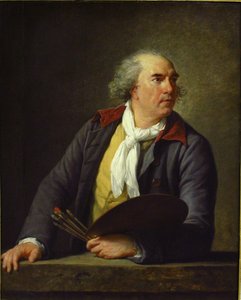
Hubert Robert
1733 - 1808 , Francija
Ključne informacije
- Datum Rojstva: 22. maj 1733
- Datum Smrti: 15. april 1808
- Državljanstvo: Francoz
- Kraj Rojstva: Pariz, Francija
- Polno Ime: Hubert Robert
- Pomembna Dela:
- Pristanišče Rima
- Let Galatee
- Louvrska galerija
- Umetniki Vplivani: ['Romantizem']
- Umetniški Smer: Romantizem, Neoklasicizem
- Vplivi Umetnikov:
- Giovanni Panini
- Piranesi
Sorodni članki

Romantična pokrajina: 10 mojstrovin, ki so definirale gibanje | Umetnost za vaš dom z OriginalUniqueArt.com
Odkrijte 10 mojstrovin romantizma v slikarstvu! Caspar David Friedrich, Turner in drugi. Preučite zgodbe, tehnike in čustva teh ikoničnih krajinskih slik. Kvalitetne reprodukcije za vaš dom na OriginalUniqueArt.com

Evocations of Place: A Historical Journey Through Landscape Art
Explore the rich history of landscape art with OriginalUniqueArt. Discover renowned artists, movements like Impressionism & Romanticism, and expert guidance for collecting timeless pieces. Find your perfect serene escape today!

Rokojska mojstrovin: 10 umetnin, ki so definirale eleganco
Odkrijte 10 mojstrovin, ki so definirale rokokoj! François Boucher, Fragonard & Watteau – potopite se v svet elegance, pastelnih barv in prefinjenega sloga. Najboljše umetnine rokokoja na OriginalUniqueArt.com - za navdih in reprodukcije vrhunske kakovosti.

Illuminating the Enlightenment: A Comprehensive Exploration of 18th-Century Painting
Explore the captivating world of 18th-century painting! Discover Rococo's playful elegance & Neoclassicism’s Enlightenment ideals with expert insights into Fragonard, David, and more. A comprehensive guide for art enthusiasts.

Hubert Robert: Picturing Ruins, Preserving Memory – A Study of Romantic Antiquarianism & Artistic Innovation
Explore the captivating world of Hubert Robert, master of Romantic landscape painting & 'capriccio' ruins. Discover his historical context, artistic innovations, and collecting insights with OriginalUniqueArt.