Predogled v realnem okolju
 Pošlji
 Deli
Deli
 Podrobnosti o delu
 Priročnik

 Prenesi sliko
 Podobni izdelki
 Rentgenski posnetek
 Predvajaj diaporama
 Vprašanja in odgovori
 Statistika
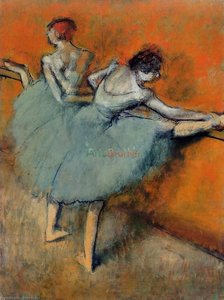
Dance Class


 Preberi več
Giclée tisk / Umetniški tisk
Giclée ali platnati odtis muzejske kakovosti z hitro proizvodnjo in prilagodljivimi možnostmi končne obdelave. ( Kupite ročno slikano delo Preklop na digitalno sliko)




P118B €10

P118H €10

P118W €10

P438Z €10

P508JH €12

P508YH €12

P805H €10

P805Z €10

P919BZ €10

P919G €10

P919XJ €10

P959ZH €10

P968JZ €12

W106C €8

W218G €10

W218JH €8

W218Y €10

W307PJ €10

W316G €10

W316PJ €8

W316Y €10

W398PJ €8

W4111J €10

W500HY €15

W500JH €15

W692G €12

W849H €8

W940BG €15

W953PJ €8




Izberite eno od naših vnaprej določenih velikosti, ki ustrezajo prvotnim proporcijam umetničkega dela.

Vnesite širino in višino, ki jih potrebujete za svoj okvir ali steno. Tiskanje se lahko le odreže, vendar ga ni mogoče narediti večjega od slike, zato format z drugačno obliko pomeni izgubo dela slike. Pred tiskanjem vam pošljemo digitalni predogled za potrditev. Slika, prikazana na tej strani, ne prikazuje dejanskega izrezka — le predogled to omogoča.
Globalna dostava () v 2 tednih namesto standardnih 4/5 tednov. (9 november)

Brezplačna ekspresna dostava po vsem svetu

Visokokakovostno laneno platno

Popolno zavarovanje pošiljke

Garancija povračila carine in uvoznih davkov

Garancija popolnega barvnega ujemanja

100-dnevna politika vračil (le v primeru okvar)

Garancija 100% povračila denarja

Popust pri večjem naročilu
 Možnost stekla je na voljo le za velikosti pod 110 cm

Dance Class
Giclée tisk / Umetniški tisk
Velikost reprodukcije
-


Skupna cena
€ 72
The Captivating World of “Dance Class”
Edgar Degas’s Dance Class, a remarkable oil painting created in 1871 and now residing within the hallowed halls of the Metropolitan Museum of Art, is far more than just a depiction of ballerinas practicing. It's a meticulously observed snapshot of a vibrant microcosm – a ballet studio brimming with youthful energy, quiet anticipation, and the subtle tensions inherent in the pursuit of artistic perfection. Degas, a master of capturing fleeting moments and unconventional subjects, doesn’t offer a grand spectacle; instead, he presents an intimate scene, inviting us to observe the dedication, discipline, and unspoken camaraderie of these young dancers preparing for their performances.
The painting immediately draws the eye with its dynamic composition. Degas eschews traditional, formal arrangements in favor of a horizontal format that emphasizes the space itself – a modestly sized room bathed in diffused light. The arrangement of the dancers is deliberately asymmetrical, creating a sense of movement and suggesting an ongoing process rather than a static pose. Notice how some figures are clustered together, engaged in conversation or instruction, while others stand alone, lost in their own thoughts or focused intently on perfecting a particular step. This deliberate imbalance contributes to the painting’s overall feeling of realism and immediacy.
A Masterclass in Impressionistic Technique
Degas's signature style is powerfully evident in Dance Class. He employs a broken brushstroke technique, applying paint in short, visible dashes that capture the texture of the dancers’ costumes, the worn floorboards, and the subtle play of light and shadow. The color palette is restrained yet remarkably evocative – muted blues, browns, and greys dominate, punctuated by flashes of scarlet in the jackets and emerald green in the ribbons. This deliberate use of color not only reflects the atmosphere of the studio but also subtly emphasizes the dancers’ attire, highlighting their elegance and grace.
Furthermore, Degas's mastery of perspective is remarkable. He skillfully uses atmospheric perspective – a technique where objects appear less distinct and more bluish in the distance – to create a sense of depth within the relatively shallow space. The figures in the background are rendered with softer edges and paler colors, subtly receding into the distance while those closer to the viewer retain greater detail and vibrancy. This careful attention to detail demonstrates Degas’s commitment to accurately portraying his subject matter.
The Ballet Class: A Reflection of Parisian Society
Dance Class offers a fascinating glimpse into the social context of 19th-century Paris, specifically the burgeoning world of ballet. The presence of the piano player, a common fixture in ballet studios at the time, underscores the importance of music in shaping the dancers’ movements and expressions. The watchful instructor, positioned centrally within the composition, represents the rigorous training and discipline required to succeed in this demanding profession. The inclusion of the “stage mothers” observing from the background hints at the social pressures and expectations surrounding ballet performance.
Beyond its depiction of a specific scene, Dance Class speaks to Degas’s broader fascination with movement, beauty, and the human condition. He wasn't simply painting dancers; he was capturing their essence – their grace, their dedication, and their vulnerability. The painting resonates with an emotional depth that transcends mere representation, inviting viewers to contemplate the challenges and rewards of pursuing artistic excellence. It is a testament to Degas’s ability to transform everyday moments into works of enduring beauty and significance.
A Legacy of Impressionism
As part of the Metropolitan Museum of Art's esteemed collection, Dance Class continues to inspire art lovers worldwide. Degas’s innovative approach to subject matter, his masterful technique, and his profound understanding of human emotion have cemented his place as one of the most influential artists of the Impressionist movement. For those seeking a captivating work of art that embodies both technical brilliance and emotional resonance, Dance Class is an unparalleled masterpiece.
Vprašanja in odgovori
Kje lahko vidim originalno delo "Dance Class" avtorja Hilaire Germain Edgar De Gas?
Del "Dance Class" avtorja Hilaire Germain Edgar De Gas je razstavljen v muzeju Metropolitanski muzej umetnosti, New York, United States of America. Navedba muzeja se nanaša na originalno delo, ne pa na reprodukcije.
Koliko svetlobe se zdi, da odražajo barve dela "Dance Class"?
"Dance Class" avtorja Hilaire Germain Edgar De Gas ima Soft Shadow luminanco. Luminanca opisuje, koliko svetlobe se zdi, da barve odražajo.
Koliko je bil Hilaire Germain Edgar De Gas let, ko je nastalo delo "Dance Class"?
Ko je bilo delo "Dance Class" ustvarjeno leta 1871, je bil Hilaire Germain Edgar De Gas – rojen leta 1834 – star 37 let.
Biografija umetnika
Življenje Prepleteno z Gibom
Hilaire-Germain-Edgar De Gas, rojen leta 1834 v Parizu, je bil umetnik fascinantnih protislovij. Čeprav ga pogosto uvrščajo med impresioniste – Monet, Renoir in drugi, ki so revolucionarno spremenili slikarstvo s koncem 19. stoletja – se je temu oznaki aktivno upiral, raje pa se je opredelil kot realizem. Ta zaveza je izvirala iz njegove natančne opazovalnosti sveta okoli njega in predanosti prikazovanju tega brez prikrivanja. Degasov zgodnje življenje je bilo udobno meščansko; njegov oče je bil bankir, mati pa je prihajala iz kreolskega družinskega ozadja v New Orleansu. Ta okolje mu je omogočalo dostop do izobrazbe in umetniškega usposabljanja, čeprav se je pogosto upiral akademskim omejitvam. Sprva se je vpisal na Lycée Louis-le-Grand, toda njegova prava izobraževanja se je začela, ko je začel prepisovati dela v Louvru, s tem pa je brusil svoje vešče in prižgal življenjsko strast do klasične umetnosti. Vendar pa ni bila Degasova pot sledenje tradiciji; zaznamovana je bila s konstantnim spraševanjem in ponovno ocenjevanjem umetniških norm. Imel je neodvisen duh, ki je definiral njegovo celotno kariero.Onkraj Impresionizma: Edinstvena Vizija
Medtem ko so sodobniki, kot je Monet, lovili mimojeteče učinke svetlobe na prostem, je Degas večinoma deloval v mejah svojega ateljeja in natančno konstruiral prizore iz opazovanj in spominov. Njegova tematika je bila nedvomno moderna – odstopanje od zgodovinskih ali mitoloških tem, ki so jih cenili mnogi akademski slikarji. Navdih je črpal iz vsakdanjega življenja parižanov: pralnic, kabarejskih pevcev, klobčarjev in najbolj znane baletnih plesalcev. Natančno je ta fascinacija z baletom, ki definira veliko njegovih del. Degas ni le slikala lepih balerin; zajela je trdo realnost njihove poklicnosti – neskončne vaje, fizično obremenitev, bežne trenutke milosti sredi sveta trdega dela. Njegove kompozicije so pogosto neobičajne, figure obrezuje na nepričakovanih mestih in uporablja asimetrične razporeditve, ki ustvarjajo občutek dinamike in izjemnosti. Bil je mojster zajemanja gibanja, ne s zamegljenimi linijami ali meglenimi učinki, temveč skozi natančno opazovanje in skrbno upodabljanje oblike. Plesalka, Skupina plesalk in Ženske, ki si urejejo lase so vrhunski primeri te predanosti prikazovanju človeške figure v gibanju in razkrivanju kompleksnosti sodobnega življenja. Ni bil zainteresiran za površinsko lepoto; iskal je resnico pod površjem.Vplivi in Umetniška Razvoj
Degasova umetniška pot je bila oblikovana s pestro paleto vplivov. Njegovo zgodnje usposabljanje je poudarjala klasične načela, zlasti delo Jean-Auguste-Dominique Ingresa, katerega poudarek na risbi in natančni formi je pustil trajen pečat. Vendar pa je občudoval tudi realiziste, kot je Gustave Courbet, ki je izzival akademske konvencije in podpiral prikaz sodobnega življenja. Ključen trenutek v njegovem razvoju je prišel skozi njegovo povezavo s Camille Pissarrom, vodilnim impresionistom, ki ga je seznanil z drugimi umetniki in spodbujal k eksperimentiranju z novimi tehnikami. Bil je očaran z japonskimi natisnki – Ukiyo-e – ki so vplivale na njegovo uporabo asimetričnih kompozicij, sploščenih perspektiv in drznih vzorcev. Sprejel je tudi fotografijo, pri čemer je prepoznal njen potencial kot orodja za proučevanje gibanja in zajemanje mimojetečih trenutkov v času. Ta pripravljenost na vključitev različnih vplivov v svoje delo je tisto, kar ločuje Degasa in prispeva k edinstvenemu značaju njegove umetnosti. Ni se ustrašil posodabljanja iz različnih virov, sintetiziral pa jih je v nekaj povsem novega.Zapuščina in Trajni Vpliv
Edgar Degas je umrl leta 1917 v Parizu in za sabo pustil delo, ki še danes navdušuje in navdihuje občinstvo. Njegov inovativni pristop k kompoziciji, njegovo mojstrstvo risbe in njegov brezkompromisni prikaz sodobnega življenja so imeli globok vpliv na potek umetnostne zgodovine. Odprl je pot prihodnjim generacijam umetnikov, ki so si želeli prelomiti tradicionalne konvencije in raziskati nove načine predstavljanja sveta okoli njih. Njegov vpliv je mogoče videti v delu Pabla Picassa in Henrija Matissea med drugimi. Muzeji po vsem svetu – vključno z Musée d'Orsay in Musée de l’Orangerie v Parizu – ganjajo pomembne zbirke njegovih slik, pastelov, skulptur in grafik, kar zagotavlja, da bo njegova zapuščina trajala še dolgo. Degas ni bil le slikar plesalcev ali dirkačev; je bil izjemen opazovalec človeške narave, mojster oblike in gibanja ter pravi inovator, ki je ponovno definiral možnosti umetnosti.- Mojster linije: Degasovo izjemno risarsko znanje ga je ločevalo.
- Sodobno življenje kot tema: Osredotočil se je na pariška sodobna prizorišča, kar je pomenilo odstopanje od tradicije.
- Vpliv na prihodnje umetnike: Njegovo delo je globoko vplivalo na Picassa in Matissea.
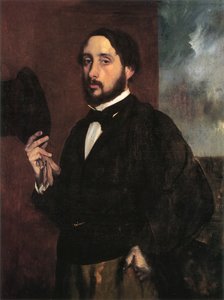
Hilaire Germain Edgar De Gas
1834 - 1917 , Francija
Hitri podatki
- Artistic Movement Or Style: Impressionizem, Realizem
- Artists Or Movements Influenced By This Artist:
- Pablo Picasso
- Henri Matisse
- Artists Who Influenced This Artist:
- Jean-Auguste-Dominique Ingres
- Gustave Courbet
- Date Of Birth: 1834
- Date Of Death: 1917
- Full Name: Hilaire-Germain-Edgar De Gas
- Nationality: Francoz
- Notable Artworks:
- Dancer in Green
- Baletna ura
- Ženska česanje las
- Place Of Birth: Paris, Francija
Sorodni članki

10 mojstrovin impresionizma: Umetniški geniji in lepota svetlobe | OriginalUniqueArt.si
Odkrijte 10 mojstrovin impresionizma – Monet, Renoir, Degas & drugi! Preberite zgodbe za ikonami gibanja in svetlobo v slikarstvu. Reprodukcije slik visoke kakovosti na OriginalUniqueArt.com. Raziskajte celotno zbirko online!
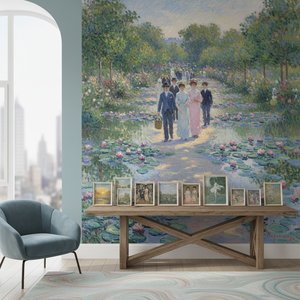
Impressionizem: 10 mojstrovin, ki so definirale umetnostni gib
Odkrijte 10 impresivnih mojstrovin, ki so definirale impresionizem! Claude Monet, Renoir & več – spoznajte zgodbe in umetnostne tehnike. Najboljše reprodukcije slik za vaš dom na OriginalUniqueArt.com!

Impresionizem: 10 mojstrovin, ki so definirale umetnostni gib.
Odkrijte 10 impresionističnih mojstrovin, ki so zaznamovale umetnost! Claude Monet, Renoir & več. Razberite zgodbe za sliko in najdite navdih za svojo notranjost. Visokokakovostne reprodukcije na OriginalUniqueArt.com!

Edgar Degas: Capturing Modern Life – A Study of Movement, Observation, and the Parisian Belle Époque
Explore the captivating world of Edgar Degas! Discover his innovative techniques, iconic ballet paintings, and unique portrayal of Parisian life in this insightful art history study.

Impressionism's Masterpieces: 10 Paintings That Defined a Movement | OriginalUniqueArt
Journey through Impressionism's heart with 10 iconic paintings by Monet, Renoir & Degas. Explore light, color & the stories behind these masterpieces. Find museum-quality art reproductions and elevate your home decor on OriginalUniqueArt.com.