Preverite v realnem okolju
 Pošlji kot čestitko
 Deli
Deli
 Podrobnosti
 Priročnik

 Prenesi
 Podobni artefakti
 Rentgenski posnetek
 Predvajaj diaporama
 Statistika
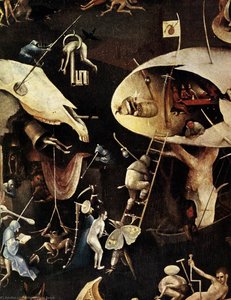
Triptih Žitnice
 Olje na leseni podlagi
- Northern Renaissance
 1504
1504- Renesanca
 100.0 x 100.0 cm
 Preberi več
Ročno izdelana oljna reprodukcija
Ročno slikano olje na platnu v vaši izbiri velikosti in okvirja, izdelano po naročilu naših umetnikov. ( Preklop na tiskanine Preklop na digitalno sliko)




P118B €10

P118H €10

P118W €10

P438Z €10

P508JH €12

P508YH €12

P805H €10

P805Z €10

P919BZ €10

P919G €10

P919XJ €10

P959ZH €10

P968JZ €12

W106C €8

W218G €10

W218JH €8

W218Y €10

W307PJ €10

W316G €10

W316PJ €8

W316Y €10

W398PJ €8

W4111J €10

W500HY €15

W500JH €15

W692G €12

W849H €8

W940BG €15

W953PJ €8




Izberite eno od naših vnaprej določenih velikosti, ki ustrezajo prvotnim proporcijam umetničkega dela.

Vnesite širino in višino, ki jih potrebujete, da se slika prilega vašemu okviru ali steni. Ker je delo ročno slikano, lahko umetnik pri različnih oblikih slik pri robovih doda malo več barve ali pa jih malo odreže — izberite sami. Pred začetkom slikanja vam pošljemo digitalni predogled za potrditev. Slika, prikazana na tej strani, ni končni rezultat — le predogled prikazuje dejansko podobo.
Po oddaji naročila bo ekipa OriginalUniqueArt.com stranki po e-pošti poslala navodila in predogled digitalnega predogleda.
Mednarodna dostava () v 3/4 tednih namesto običajnih 5 tednov. (21 oktober). Brez kompromisov pri kakovosti.

Brezplačna ekspresna dostava po vsem svetu

Visokokakovostno laneno platno

Popolno zavarovanje pošiljke

Garancija povračila carine in uvoznih davkov

Garancija popolnega barvnega ujemanja

Politika vračila v 100 dneh (le v primeru okvar)

Garancija 100% povračila denarja

Popust pri večjem naročilu
 Možnost stekla je na voljo le za velikosti pod 110 cm

Triptih Žitnice
Tehnika reprodukcije
Velikost reprodukcije
-


Skupna cena
€ 568
Triptih Žitnice: Vrtnico Severne renesančne umetnosti
Pregled
Triptih Žitnice preroha Hieronymusa Boscha je očarljivo vrhunsko delo, ki v celoti utripa s svetlobno edinstvenim slogom umetnika in njegovo globoko simboliko. To triptih, ustvarjen okoli leta 1504, predstavlja osupljiv primer umetnosti severne renesanse, ki je znana po svojih zapletanih detajlih, bogatih barvah in kompleksnih pripovestnih nitah.Kompozicija in slog
Triptih se sestoji iz treseh platen, od katerih vsako pripoveduje ločeno, a hkrati tesno povezano zgodbo. Levi panel prikazuje mirno pokrajino z liki, vključenimi v različne dejavnosti, kar morda predstavlja raj ali biblijsko pripoved. Srednji panel je prežet z kaosom in konflikti, v njegovem središču pa kraljuje ogromna kamnata struktura, obkrožena z liki v nevolji. Desni panel nato prikazuje uničenje in nasilje, kar simbolizira posledice greha ali apokalipso. Boschova uporaba linij, oblik in tekstur ustvarja dinamično kompozicijo, ki gledalčevo oko vodi skozi vsako sceno. Podrobna predstava likov in njihove izraznosti dodaja scenam čustveno globino, zaradi česar je ta triptih bogato in kompleksno umetniško delo.Tehnika in materiali
Triptih Žitnice je naslikan na lesenih platen z uporabo tempera ali oljnih barv, kar je bilo v tistem obdobju običajno. Boschova tehnika vključuje nežno četrtenje z drobnimi čopiči, plastno gradnjo barv in izjemno pozornost do detajlov. Uporaba perspektive in svetlobe nakazuje visoko stopnijo umešnosti, kar povečuje globino in realističnost prikazanih scen.Zgodovinski kontekst
Hieronymus Bosch, rojen okoli leta 1450 v mestu ’s-Hertogenbosch na Nizozemskem, je bil izstopajoč nizozemški slikar, znan po svojih surrealnih in domišljajnih prikazih religioznih tem. Kljub pomanjkanju biografskih informacij je Boschova umetnost imela neizmeren vpliv na severnoevropsko umetnost, še posebej v 16. stoletju. Triptih Žitnice sledi podobni narativni liniji kot Boschova druga dela, kot je na primer *Vrt zemaljskih užitkov*. Bil je del skupine šestih slik, ki jih je kralj Philip II. Španijo leta 1570 kupil in kasneje ponovno sestavil v muzeju Museo del Prado v Madridu, kjer se nahaja še danes.Simbolika in čustveni vpliv
Triptih Žitnice je poln simbolike, kjer vsaka panel prenaša globoko sporočilo. Mirna vzdušja levega panela predstavljajo harmonijo ali religiozne teme, medtem ko kaos srednjega panela simbolizira človeško težavo in greh. Uničenje na desnem panelu pa služi kot opozorilo pred posledicami greha ali prihodnico apokalipse. Čustveni vpliv tripticha je močan in vzbudi širok spekter čustev, od spokojnosti do nemira. Kontrast med mirnim levim panelom, kaotičnim srednjim panelom in uničujočim desnim panelom ustvarja narativni tok, ki gledalca vključi na več ravnih.Zakaj izbrati reprodukcijo?
Za ljubitelje umetnosti, zbiratelje in oblikovalce notranjih prostorov, ki želijo svojim prostorom dodati dotik zgodovinske veličastnosti, je visokokakovostna reprodukcija Tripticha Žitnice odlična izbira. To vrhunsko delo ne izboljšuje le estetične privlačnosti prostora, temveč služi tudi kot tema za pogovor, ki vzbudi radovednost in občutek občudovanja. Na OriginalUniqueArt.com ponujamo ročno slikane reprodukcije na platnu, s čimer zagotavljamo, da je vsak detajl in barva zvesto prikazana. Vnesite nesčasno lepoto umetnosti Hieronymusa Boscha v svoj dom ali pisarno z našimi vrhunskimi reprodukcijami.Vprašanja in odgovori
Kako nasičena je paleta dela "Triptih Žitnice"?
Barve dela "Triptih Žitnice" avtorja Jheronimus Bosch imajo Zmerna mehkost zasičenost. Zasičenost opisuje, kako živahne ali utišane so barve.
Za katero prostor sta priporočena za "Triptih Žitnice" avtorja Jheronimus Bosch?
Za Dnevna soba priporočamo "Triptih Žitnice" avtorja Jheronimus Bosch. Ta predlog temelji na tematiki, barvah in vzdušju dela.
Priporočena velikost tiska za "Triptih Žitnice" avtorja Jheronimus Bosch je?
Za "Triptih Žitnice" avtorja Jheronimus Bosch priporočamo reprodukcijo v velikosti Velika dimenzija. Velikost je mogoče prilagoditi, pri čemer se ohranijo razmerja.
Biografija umetnika
Nizozemska enigma: Življenje in umetnost Hieronymusa Boscha
Rojen okoli leta 1450 v živahnem, vročnem mestu ’s-Hertogenbosch na Nizozemskem — takratnem delu Brabanta — je Hieronymus Bosch, prvotno Jheronimus van Aken, ostal ena najbolj očarljivih in misterioznih postav v zgodovini umetnosti. Njegov svet je bil prežet z pozno srednjeveško religiozno vrlostjo, folklornim mitologijam in naraščajočim občutkom družbene negotovosti, kar bi globoko oblikovalo njegovo edinstveno in nemirno umetniško vizijo. Kot član družine z dolgo tradicijo slikarstva — njegov ded, Jan van Ame, in oče, Anthonius van Aken, sta bila oba umetnika — je Bosch verjetno svoje prve korake v umetnost naredil v družinski delavnici, kjer je spremljal tehnike in konvencije nizozemskega slikarstva. Vendar pa se je že v svojih oblikovalnih letih začel oddaljevati od uveljavljenih norm, s čimer je nakazoval izjemno domišljijo, ki bo kasneje definirala njegovo kariero. Biografske podrobnosti so žal izjemno redke; zapisi so razdrobljeni, kar mnoge stvari pusti podvržene špekulacijam in interpretacijam, kar le še povečuje mojo zavit v misterij, ki obdaja tako človeka kot njegovo delo. Pred letom 1481 se je poročil z Aleyt Goyaerts van den Meerveen, združanjem, ki mu je skozi njen družinski premoženje zagotovilo določeno finančno varnost, vendar o njuni osebni življenju ne vemo skoraj nič več.Fantastične vizije in simbolična globina
Boschov umetniški slog je takoj prepoznaven — očarljiva mešanina natančnih detajlov in divje domišljive podobe. Predvsem je delal z oljami na hrastovih ploščah, pri čemer je pokazal vrhunsko vladanje s sredstvom in dosegel svetlobne barve ter zapletene teksture. Čeprav njegova zgodnja dela kažejo vplive tradicionalnega nizozemskega slikarstva, predvsem v njihovem realizmu in pozornosti do detajlov, se je hitro premiknil dlje od same imitacije in razvil globoko originalno vizijo. Njegove slike niso le prikazi realnosti; so alegorijske pokrajine, zasedene z bizarnimi bitji, hibridnimi oblikami in nemirnimi scenami, ki se zdijo iztrgane iz sanj — ali nočnih mor$. Religijske teme tvorijo jedro njegovega dela, vendar to redko predstavljajo preproste prikaze biblijskih zgodb. Namesto tega Bosch uporablja simbolizem za raziskovanje kompleksnih moralnih in teoloških konceptov, pri čemer se pogosto osredotočajo na nevarnosti greha, krhkost zemeljskih užitkov in neizogibnost božjega obsojanja. Njegova bitja — groteski demoni, fantastične živali in nenavadno človeške figure — niso le dekorativni elementi; so personifikacije pohujstev, skušnje in duhovne korupcije. Združevanje svetega in profanega, lepega in grotesknega ustvarja edinstven nemirni učinek, ki še stoletja kasneje očarjuje gledalce.Slovna적이 alegorije morala
Med Boschovimi najslavnejšimi dosežki je Vrt zemeljskih radosti (okoli 1490–1510), triptih, ki ostaja eno najbolj enigmatičnih in sporne del v zgodovini umetnosti. Ob odpiranju predstavlja panoramsko vizijo raja, zemeljskega življenja in pekla — kompleksno alegorijsko predstavitev človekovega padca iz milosti. Levi panel prikazuje Eden, poln fantastičnih bitij in bujne vegetacije; srednji panel prikazuje svet, pohranjen v čulni užitku in neobremenjeni želji; desni panel pa ponuja grozljivo pogled v pekleni jezope. Triptih zadnjega obsoanja (okoli zględ 1480–1490) je še eden močnega primera njegove veščine pri prikazovanju tako nebesne blažnosti kot podzemne mučenosti, medtem ko Vzpon blaženih (okoli 1480–1490) kaže njegovo sposobnost ustvarjanja eteričnih in sanjnih scen. Tudi manjša dela, kot je Epifanija (okoli 1495), prikazujejo njegovo inovativno uporabo olja na lesu in kompleksni simbolizem, kar razkriva um, ki nenehno bojuje z globokimi vprašanji o veri, morali in človeški usodi.Dedstvo in trajni vpliv
Identifikacija Boschovih neposrednih vplivov je zahtevna naloga, glede na originalnost njegove vizije. Strokovnjaki nakazujejo možne povezave s srednjevečno folklorno mitologijo, religioznimi besedili — še posebej tistimi, ki poudarjajo apokaliptične teme — in prevladujočimi tesnobami tistega časa, vključno s strahom pred herezijami in družbenimi prevrati. Vendar je jasno, da je te elemente združil v nekaj popolnoma novega in edinstveno svojega. Njegov vpliv na naslednje umetnike je nepodvden. Pieter Bruegel starejši je neposredno sledil njegovim stopinjama in sprejel podobne teme ter kompozicijske tehnike, medtem ko so kasnejše gibanja, kot je surrealizem, črpala navdih iz Boschovih sanjnih slik in raziskovanja podzavesti. Umetniki, kot sta Salvador Dalí in Max Ernst, so odkrito priznali svoj dolg proti njegovim nemirnim vizijam. Še danes njegova dela fascinirajo in sproščajo debate, s čimer utrjujejo njegovo mesto mojstra nizozemskega slikarstva in vizionarskega umetnika, čiji vpliv sega daleč presega njegov lasten čas. Njegove slike ponujajo dragocen vpogled v religiozno, socialno in psihološko klimo konca 15. in začetka 16. stoletja, izzivajo družbene norme in utirajo pot novim oblikam umetniškega izražanja. Umrl je leta 1516 in za seboj pustil korpus del, ki še vedno navdušuje in navdihuje, ter zagotovil svojo trajno dediščino kot enega najenostnejših in nepozabljivih glasov zgodovine umetnosti.
Jheronimus Bosch
1450 - 1516 , Nizozemska
Ključne informacije
- Artistic Movement Or Style: Surrealism, Symbolism
- Artists Or Movements Influenced By This Artist: ['Pieter Bruegel the Elder']
- Date Of Birth: c. 1450
- Date Of Death: 1516
- Full Name: Hieronymus Bosch
- Nationality: Dutch
- Notable Artworks:
- The Garden of Earthly Delights
- Last Judgement Triptych
- Place Of Birth: 's-Hertogenbosch, Netherlands
Sorodni članki

High Medieval Art: 10 Masterpieces That Shaped an Era | OriginalUniqueArt
Journey through High Medieval Art! Explore 10 iconic masterpieces – from Giotto's frescoes to stunning Gothic cathedrals. Discover the stories behind these timeless paintings, sculptures & illuminated manuscripts. Find museum-quality art reproductions at OriginalUniqueArt.com.
25 Mojstrov Museo Prado: Platna, ki Oživljajo Španijo | OriginalUniqueArt
Odkrijte 25 ikoničnih del Museo Prado v Madridu! Preberite zgodbe o Velázquez, Goyi in El Grecu. Najdite navdih za dekoracijo doma z reprodukcijami vrhunskih slik na OriginalUniqueArt.com.
Hieronymus Bosch: Decoding the Visions of a Netherlandish Master
Explore the captivating world of Hieronymus Bosch! Delve into the symbolism, religious context, and artistic innovation of this Netherlandish master with OriginalUniqueArt's expert analysis. Discover his iconic paintings & lasting influence.

Late Medieval Masterpieces: 10 Artworks That Defined an Era | OriginalUniqueArt
Journey through 10 defining Late Medieval masterpieces – from Giotto's frescoes to Jan van Eyck’s realism. Explore the stories, techniques & vibrant colors of Gothic art. Find museum-quality reproductions and elevate your home decor with OriginalUniqueArt.com! Discover all masterpieces on OriginalUniqueArt.com
Hieronymus Bosch: 25 Mojstrovin za Navdih v Vašem Domu | OriginalUniqueArt
Odkrijte 25 mojstrovin Hieronymusa Boscha – nizozemskega slikarja renesanse! Globoke zgodbe, simbolizem in fantastična umetnost. Reprodukcije slik za vaš dom na OriginalUniqueArt.com. Raziskajte zdaj!