
 Predogled
 Pošlji
 Deli
Deli
 Podrobnosti o delu

 Prenesi
 Podobni izdelki
 Rentgenski posnetek
 Predvajaj diaporama
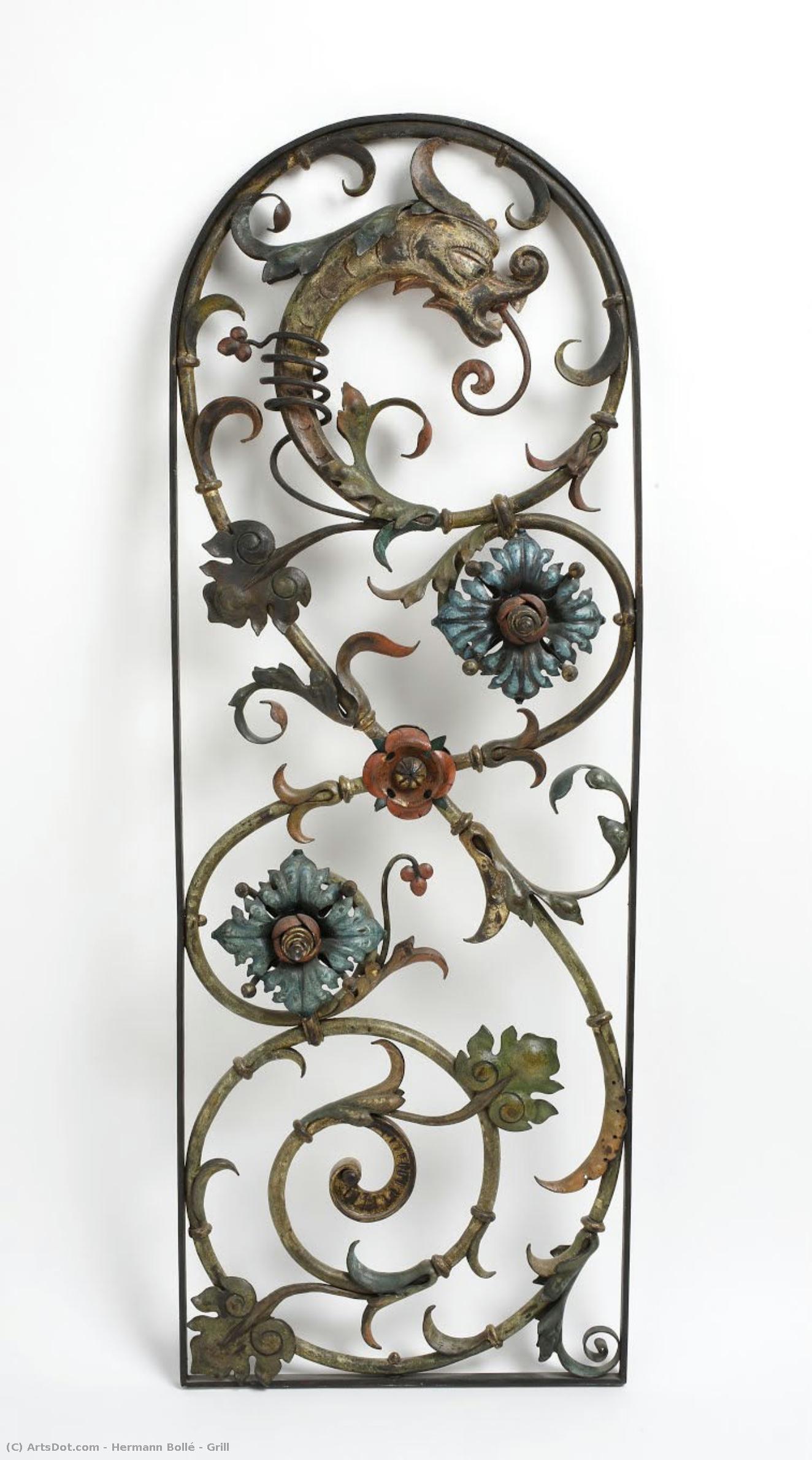
Grill
 1800
1800 100.0 x 36.0 cm
 The Museum of Arts and Crafts
 Razviljaj več
Kupite digitalno sliko visoke ločljivosti z izboljšano kakovostjo, ki je precej boljša od spletnega predogleda.
Vsaka datoteka je pod natančnim nadzorom naših strokovnjakov, ki uporabljajo napredna orodja in strokovno ročno obdelavo. Zagotovimo, da ima vsaka slika izjemno jasnost, natančnost barv in fine podrobnosti.
Končna datoteka je po e-pošti dostavljena v 72 urah, optimizirana za takojšnjo uporabo v profesionalnem, uredniškem in tiskarskem okolju. To je kakovost, ki ji zaupajo vrhunska oblikovalna studia, založniki in galerije.
Digitalna slika
Prenesite datoteko visoke ločljivosti za osebno uporabo, tiskanje in kreativne projekte. ( Kupi tisk Kupi ročno naslikano sliko)
Vključeno v vsako naročilo digitalne slike
Zagotovljena strokovna digitalna dostava
Ko izberete OriginalUniqueArt.com, ne prejmete le slike – prejmete digitalno umetniško delo, ki je profesionalno urejeno, izdelano z natančnostostjo in zavestno zagotovljeno z garancijo za zadovoljstvo. Tukaj je vse, kar samodejno prejmete z vašim naročilom:

Hitra dostava prek e-pošte
Vaša digitalna slika visoke ločljivosti bo na vaš e-naslov poslana v roku 72 ur od zaklopa naročila – pripravljena za takojšnjo uporabo.

Digitalna datoteka z umetno inteligenco
Vaše umetniško delo je strokovno optimizirano z uporabo naprednih orodij umetne inteligence in ročne obdelave, kar zagotavlja največjo stopnjo podrobnosti, jasnosti in barvne natančnosti.

Brezplačna ponovna dostava za vse življenje
Ste zaradi nespremietne napake izgubili ali izbrisali svojo datoteko? Ni težav – vam jo bomo ponovno poslali kadar koli in brezplačno.

Brez uvoznih pristojbin – vedno
Uživajte v svojem umetniškem delu takoj, brez carin, davkov ali stroškov dostave – digitalni prenosi so vedno brezdavčni.

Zagotovilo natančnosti barv
Z uporabo profesionalnih orodij in upravljanja barv zagotavljamo, da vaša digitalna slika čim bolj natančno odraža prvotne barve.

60-dnevna garancija zadovoljstva
Če niste zadovoljni s svojo digitalno sliko, jo bomo uredili ali vam v 60 dneh povrnili 100% denarja – brez kakršnih koli vprašanj.

100% Garancija povračila denarja
Niste zadovoljni? Zagovрите popoln povračilo sredstev v 60 dneh po prejemu digitalne datoteke – brez kakršnih koli vprašanj.

Popusti pri večjem številu naročil
Kupite 3 slike, prihranite 10% - Kupite 5 slik, prihranite 15% - Kupite 10+ slik, prihranite 20%. Odlično za kreativne projekte, galerije in agencije.
Biografija umetnika
The Architect of a Nation's Soul
In the grand tapestry of Austro-Hungarian history, few figures have woven as indelible a thread into the urban fabric of Croatia as Hermann Bollé. Born in the storied city of Cologne in 1845, Bollé’s journey was one of profound transformation, moving from the precise calculations of civil engineering to the sublime heights of architectural artistry. His early training in the studio of Heinrich Wiethase provided a foundational intimacy with ecclesiastical design, an experience that instilled in him a lifelong reverence for the spiritual weight of stone and spire. This technical rigor, paired with a burgeoning aesthetic sensibility, set the stage for a career that would transcend mere construction, evolving into a mission to define the very identity of a region.
The trajectory of Bollé’s life took a decisive turn through his academic pursuits at the Academy of Fine Arts in Vienna. It was here, amidst the intellectual ferment of one of Europe's great cultural capitals, that he worked under the mentorship of the legendary Friedrich von Schmidt. This collaboration was much more than a professional apprenticeship; it was an immersion into the Gothic Revival movement, a style that sought to recapture the grandeur and moral clarity of the Middle Ages. Through Schmidt, Bollé mastered the language of monumentalism, learning how light, shadow, and verticality could be harnessed to evoke the divine. This period of intense study prepared him for his fateful encounter with Bishop Josip Juraj Strossmayer in Italy, a meeting that would redirect his talents toward the burgeoning cultural landscape of Croatia.
A Legacy Carved in Stone
Upon settling in Zagreb in 1878, Bollé embarked on an ambitious crusade to revitalize the architectural heritage of the Croatian lands. He did not merely build; he restored, breathed life into ruins, and reimagined the skyline. His work was characterized by a meticulous attention to historical authenticity, blended with a visionary approach to urban planning. The restoration of St. Mark’s Church served as an early testament to his ability to honor the past while preparing it for the future. As his influence grew, so did the scale of his contributions, moving from individual monuments to the comprehensive shaping of the city itself.
The breadth of his achievements is nothing short of breathtaking, encompassing a variety of styles that reflect both his technical versatility and his deep respect for tradition:
- The Zagreb Cathedral: Perhaps his most iconic achievement, where his work on the completion of this monumental structure solidified his status as a master of the Neo-Gothic style.
- Mirogoj Cemetery: A masterpiece of funerary architecture, where Bollé’s design creates a serene, dignified space that serves as a profound reflection on life and mortality.
- The Museum of Arts and Crafts: A testament to his ability to integrate functional urban needs with aesthetic elegance, contributing to the cultural sophistication of Zagreb.
- Ecclesiastical Grandeur: His involvement in projects like the Cathedral of St. Peter and St. Paul in Đakovo and the Holy Trinity Greek Catholic Cathedral in Križevci showcased his mastery of religious architecture across different denominations.
The Enduring Silhouette of Zagreb
Beyond the physical structures that bear his name, Hermann Bollé’s true significance lies in his role as a cultural architect. He was a man who understood that a city is not merely a collection of buildings, but a living organism shaped by its history and its aspirations. Through his comprehensive city planning initiatives, he prioritized a harmony between functionality and beauty, ensuring that the expansion of Zagreb was both orderly and aesthetically cohesive. His work provided a sense of continuity for a people navigating the complexities of the late 19th and early 20th centuries.
When Bollé passed away in Zagreb in 1926, he left behind a landscape that had been fundamentally transformed. To walk through the streets of Zagreb or to stand beneath the soaring arches of his cathedrals is to encounter his enduring spirit. He remains a pivotal figure whose work bridged the gap between German technical precision and Croatian cultural identity, leaving an indelible mark on the architectural soul of Central Europe.

hermann bollé
1845 - 1926 , Germany
Ključne informacije
- Artistic Movement Or Style: Neo-Gothic
- Artists Or Movements Influenced By This Artist: ['Zagreb']
- Artists Who Influenced This Artist: ['Friedrich von Schmidt']
- Date Of Birth: 18 September 1845
- Date Of Death: 17 April 1926
- Full Name: Hermann Bollé
- Nationality: Austro-Hungarian
- Notable Artworks: ['Grill']
- Place Of Birth: Cologne, Germany

