
 Predogled v realnem okolju
 Pošlji
 Deli
Deli
 Podrobnosti o delu
 Priročnik

 Prenesi sliko
 Podobni izdelki
 Rentgenski posnetek
 Predvajaj diaporama
 Vprašanja in odgovori
 Statistika
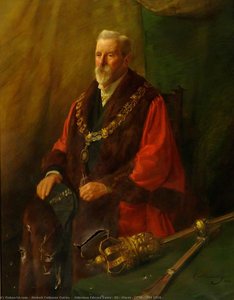
John

- 59.0 x 49.0 cm

 Preberi več
Giclée tisk / Umetniški tisk
Giclée ali platnati odtis muzejske kakovosti z hitro proizvodnjo in prilagodljivimi možnostmi končne obdelave. ( Kupite ročno slikano delo Preklop na digitalno sliko)




































Izberite eno od naših vnaprej določenih velikosti, ki ustrezajo prvotnim proporcijam umetničkega dela.

Vnesite širino in višino, ki jih potrebujete za svoj okvir ali steno. Tiskanje se lahko le odreže, vendar ga ni mogoče narediti večjega od slike, zato format z drugačno obliko pomeni izgubo dela slike. Pred tiskanjem vam pošljemo digitalni predogled za potrditev. Slika, prikazana na tej strani, ne prikazuje dejanskega izrezka — le predogled to omogoča.
Globalna dostava () v 2 tednih namesto standardnih 4/5 tednov. (13 november)

Brezplačna ekspresna dostava po vsem svetu

Visokokakovostno laneno platno

Popolno zavarovanje pošiljke

Garancija povračila carine in uvoznih davkov

Garancija popolnega barvnega ujemanja

100-dnevna politika vračil (le v primeru okvar)

Garancija 100% povračila denarja

Popust pri večjem naročilu
 Možnost stekla je na voljo le za velikosti pod 110 cm

John
Giclée tisk / Umetniški tisk
Velikost reprodukcije
-


Skupna cena
€ 72
Biografija umetnika
The Soul in the Surface: The Life and Legacy of Herbert Colborne Oakley
In the golden, twilight era of the Victorian age, few artists possessed the quiet ability to freeze a moment of human dignity as effectively as Herbert Colborne Oakley. Born in 1869 in the industrious heart of Coventry, Warwickshire, Oakley emerged not merely as a painter of faces, but as a chronicler of character. His journey from the Midlands to the heights of British portraiture was paved with a profound reverence for classical tradition and an almost spiritual commitment to the nuances of the human psyche. To look upon an Oakley canvas is to encounter a world where elegance meets an enduring moral seriousness, a realm where every brushstroke serves to illuminate the inner stillness of his subjects.
The foundation of Oakley’s mastery was laid within the hallowed halls of the Birmingham School of Art. It was here that he encountered the monumental influence of George Frederic Watts, a mentor whose philosophy would become the heartbeat of Oakley’s own practice. From Watts, Oakley inherited more than just technical prowess; he absorbed a belief in the power of idealized beauty and the necessity of conveying psychological depth through visual representation. This lineage is palpable in Oakley's work, where figures are often rendered with a serene, almost meditative grace, inviting the viewer into a state of spiritual contemplation that transcends the mere physical likeness.
A Mastery of Light and Layering
As his career flourished, Oakley’s technical repertoire became increasingly sophisticated, marked by a meticulousness that defined the pinnacle of Victorian painting. He was a master of the glazing technique, a laborious process involving the application of multiple translucent layers of pigment to achieve a luminous, breathing surface. This method allowed him to capture the subtle interplay of light upon skin and fabric, creating an atmospheric depth that felt both tangible and ethereal. His ability to manipulate light was not merely a display of skill, but a tool used to sculpt emotion, lending his portraits a timeless quality that seems to defy the passing of decades.
His body of work, which exceeds three hundred paintings, reveals a remarkable versatility in subject matter. While he is most celebrated for his formal portraits of the Birmingham elite and prominent social figures, he also ventured into the evocative realm of genre painting. In these scenes, Oakley captured the rhythms of everyday life with an acute sensitivity to social context. Whether depicting the quiet dignity of a gentleman or the spirited innocence found in works like Welsh Gamin, his brush remained ever-focused on the human element, finding extraordinary stories within ordinary moments.
The Enduring Echo of a Victorian Vision
The historical significance of Herbert Colborne Oakley lies in his role as a bridge between the rigid formalisms of the mid-Victorian period and the more psychologically complex portraiture of the early twentieth century. He did not seek to disrupt the traditions of his predecessors but rather to refine and deepen them, ensuring that the values of grace, restraint, and dignity remained central to the British artistic identity. His portraits of notable figures—ranging from academic luminaries like Herbert Lionel Drake to local leaders—serve as vital historical documents, preserving the likenesses and the perceived essences of a vanishing era.
Though the world moved toward the fragmented abstractions of Modernism, Oakley’s dedication to the classical ideal remained unshakable. His legacy is found in the quiet power of his compositions and the enduring emotional resonance of his subjects. To study his work today is to rediscover a lost language of serenity and substance, reminding us that true portraiture is not simply about capturing how a person looks, but about revealing who they are beneath the surface.
Herbert Colborne Oakley
1869 - 1944
Hitri podatki
- Artistic Movement Or Style: Victorian Portraiture
- Artists Or Movements Influenced By This Artist: ['Pre-Raphaelites']
- Artists Who Influenced This Artist: ['William Holman Hunt']
- Date Of Birth: 1869
- Date Of Death: 1944
- Full Name: Herbert Colborne Oakley
- Nationality: British
- Notable Artworks:
- Bathers
- Alderman Edward Bance
- Place Of Birth: Coventry, England