
 Predogled
 Pošlji
 Deli
Deli
 Podrobnosti o delu

 Prenesi
 Podobni izdelki
 Rentgenski posnetek
 Predvajaj diaporama
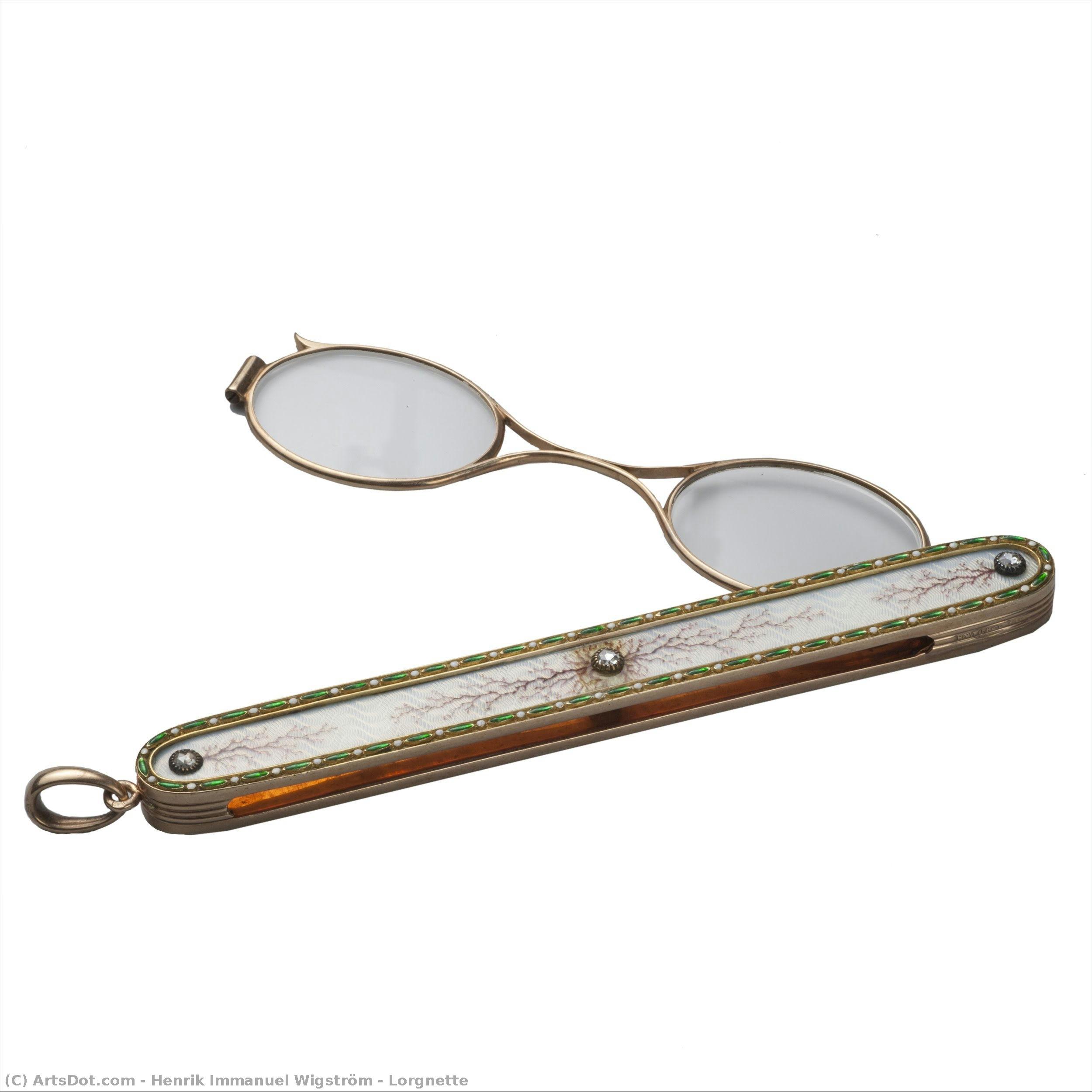
Lorgnette


 Razviljaj več
Kupite digitalno sliko visoke ločljivosti z izboljšano kakovostjo, ki je precej boljša od spletnega predogleda.
Vsaka datoteka je pod natančnim nadzorom naših strokovnjakov, ki uporabljajo napredna orodja in strokovno ročno obdelavo. Zagotovimo, da ima vsaka slika izjemno jasnost, natančnost barv in fine podrobnosti.
Končna datoteka je po e-pošti dostavljena v 72 urah, optimizirana za takojšnjo uporabo v profesionalnem, uredniškem in tiskarskem okolju. To je kakovost, ki ji zaupajo vrhunska oblikovalna studia, založniki in galerije.
Digitalna slika
Prenesite datoteko visoke ločljivosti za osebno uporabo, tiskanje in kreativne projekte. ( Kupi tisk Kupi ročno naslikano sliko)
Vključeno v vsako naročilo digitalne slike
Zagotovljena strokovna digitalna dostava
Ko izberete OriginalUniqueArt.com, ne prejmete le slike – prejmete digitalno umetniško delo, ki je profesionalno urejeno, izdelano z natančnostostjo in zavestno zagotovljeno z garancijo za zadovoljstvo. Tukaj je vse, kar samodejno prejmete z vašim naročilom:

Hitra dostava prek e-pošte
Vaša digitalna slika visoke ločljivosti bo na vaš e-naslov poslana v roku 72 ur od zaklopa naročila – pripravljena za takojšnjo uporabo.

Digitalna datoteka z umetno inteligenco
Vaše umetniško delo je strokovno optimizirano z uporabo naprednih orodij umetne inteligence in ročne obdelave, kar zagotavlja največjo stopnjo podrobnosti, jasnosti in barvne natančnosti.

Brezplačna ponovna dostava za vse življenje
Ste zaradi nespremietne napake izgubili ali izbrisali svojo datoteko? Ni težav – vam jo bomo ponovno poslali kadar koli in brezplačno.

Brez uvoznih pristojbin – vedno
Uživajte v svojem umetniškem delu takoj, brez carin, davkov ali stroškov dostave – digitalni prenosi so vedno brezdavčni.

Zagotovilo natančnosti barv
Z uporabo profesionalnih orodij in upravljanja barv zagotavljamo, da vaša digitalna slika čim bolj natančno odraža prvotne barve.

60-dnevna garancija zadovoljstva
Če niste zadovoljni s svojo digitalno sliko, jo bomo uredili ali vam v 60 dneh povrnili 100% denarja – brez kakršnih koli vprašanj.

100% Garancija povračila denarja
Niste zadovoljni? Zagovрите popoln povračilo sredstev v 60 dneh po prejemu digitalne datoteke – brez kakršnih koli vprašanj.

Popusti pri večjem številu naročil
Kupite 3 slike, prihranite 10% - Kupite 5 slik, prihranite 15% - Kupite 10+ slik, prihranite 20%. Odlično za kreativne projekte, galerije in agencije.
Opis digitalnega artefakta
Henrik Immanuel Wigström: The Silent Maestro of Fabergé Elegance
Henrik Immanuel Wigström (1862-1923) stands as a pivotal figure in the history of Russian goldsmithing and, crucially, the opulent world of Fabergé. Born in Ekenäs, Finland, Wigström’s artistic journey began amidst the burgeoning Art Nouveau movement but swiftly cemented itself within the exacting standards of the Imperial Court, shaping the aesthetic landscape of his era. While overshadowed by his more flamboyant colleague Michael Perchin, Wigström possessed an unparalleled dedication to craftsmanship and a profound understanding of Louis XVI, Empire, and neoclassical styles—qualities that ensured he became Fabergé’s most prolific workmaster after Perchin's untimely demise in 1903. His legacy endures not merely as a skilled artisan but as the custodian of a singular vision – one that elevated Fabergé’s artistry to unparalleled heights.- Early Life & Training: Wigström received his formative artistic education at Helsingfors Konstakademi (Finnish Art Academy), honing his skills in silver and goldsmithing alongside a fascination for decorative arts. This grounding in traditional techniques would prove invaluable as he navigated the complexities of the Fabergé workshop. He mastered the intricacies of guilloche engraving, a technique perfected over decades of experience, transforming surfaces into mesmerizing textures that mirrored the grandeur of imperial Russia.
- Fabergé Partnership & Artistic Output: Wigström joined Fabergé’s atelier in 1903, inheriting Perchin's responsibilities and immediately elevating the workshop's artistic caliber. Under his leadership, Fabergé produced an astonishing array of decorative objects—including breathtaking lorgnette, exquisite ink sets, and magnificent moon’s face table clocks—each demonstrating meticulous attention to detail and embodying the splendor of the Russian monarchy. His designs were characterized by a refined neoclassical aesthetic, prioritizing symmetry and elegance while subtly referencing classical motifs.
- Fabergé Style & Technique: Wigström's artistic style mirrored Perchin’s but leaned towards a more subdued sophistication. He excelled in crafting hardstone animals, figures, and flowers with remarkable precision, utilizing techniques honed over years of experience. His meticulous attention to detail—particularly his mastery of enamelwork—transformed ordinary materials into extraordinary expressions of beauty and artistry. The vibrant hues achieved through layering translucent enamels created luminous surfaces that captivated the eye and conveyed a sense of timeless elegance.
- The Turbulent Years & Legacy: The outbreak of World War I dealt a devastating blow to Fabergé’s fortunes, forcing Wigström to confront the dismantling of his workshop and the upheaval of Russian society. Despite facing considerable hardship, Wigström persevered in his craft until 1923, retreating to his summer house in Terijoki where he succumbed to illness. Though largely unrecognized during his lifetime, Wigström's contribution to Fabergé’s artistic legacy remains undeniable—he is remembered as the silent maestro who ensured that Fabergé’s golden age continued to inspire awe and admiration for generations to come.
Biografija umetnika
The Silent Maestro of Fabergé Elegance
Henrik Immanuel Wigström stands as a pivotal figure in the history of Russian goldsmithing and, crucially, the opulent world of Fabergé. Born in Ekenäs, Finland, in 1862, Wigström’s artistic journey began amidst the burgeoning Art Nouveau movement but swiftly cemented itself within the exacting standards of the Imperial Court, shaping the aesthetic landscape of his era. While often overshadowed by his more flamboyant colleague Michael Perchin, Wigström possessed an unparalleled dedication to craftsmanship and a profound understanding of Louis XVI, Empire, and neoclassical styles—qualities that ensured he became Fabergé’s most prolific workmaster after Perchin's untimely demise in 1903.
His formative years were defined by rigorous discipline and a deep-seated fascination for the decorative arts. Wigström received his early artistic education at the Helsingfors Konstakademi (Finnish Art Academy), where he honed his skills in silver and goldsmithing. This grounding in traditional techniques would prove invaluable as he navigated the complexities of the Fabergé workshop, allowing him to master the delicate balance between structural integrity and ornamental splendor.
A Legacy of Imperial Splendor
When Wigström joined the Fabergé atelier in 1903, he inherited a monumental responsibility: maintaining the prestige of the House of Fabergé following the loss of Perchin. He did not merely maintain this standard; he elevated it. Under his leadership, the workshop produced an astonishing array of decorative objects that embodied the grandeur of Imperial Russia. His work is characterized by a refined neoclassical aesthetic, leaning into the elegance of the Louis XVI and Empire styles to create pieces that felt both timeless and profoundly luxurious.
Wigström's artistic output was remarkably diverse, ranging from functional objects of high utility to purely ornamental treasures. His mastery is evident in several key areas:
- Exquisite Timepieces: He was renowned for creating magnificent table clocks, such as the Moon’s Face Table Clock and the breathtaking Table Clock in the Shape of a Carriage, which showcased his ability to blend mechanical precision with artistic storytelling.
- Decorative Objects: His repertoire included stunning lorgnettes, intricate ink sets, and delicate silverwork that served as the pinnacle of high-society luxury.
- Hardstone Artistry: He excelled in crafting hardstone animals, figures, and flowers with remarkable precision, utilizing his deep knowledge of mineral textures to breathe life into inanimate stone.
Technique and Historical Significance
The true genius of Wigström lay in his technical perfectionism. His work is defined by flawless enamelwork, intricate guilloche engraving, and the masterful manipulation of precious metals. Every piece he touched reflected a meticulous attention to detail that satisfied even the most discerning members of the Romanov dynasty. By blending the delicate textures of fine enamel with the structural strength of gold and silver, he created objects that were as much feats of engineering as they were works of art.
As the era of Imperial Russia drew to a close, Wigström’s contributions remained a testament to a vanished world of unparalleled opulence. His ability to interpret historical styles through a modern, refined lens ensured that his work would remain iconic long after the workshops of St. Petersburg fell silent. Today, his legacy lives on through the rare and precious artifacts that continue to captivate collectors, serving as enduring symbols of the height of Fabergé's artistic achievement.
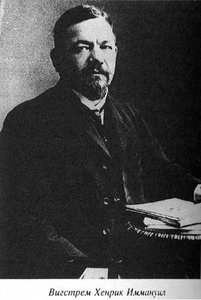
henrik immanuel wigström
1862 - 1923 , Finland
Ključne informacije
- Artistic Movement Or Style: Louis XVI, Empire, Neoclassical
- Artists Who Influenced This Artist: ['Michael Evlampievich Perchin']
- Date Of Birth: October 2, 1862
- Date Of Death: March 14, 1923
- Full Name: Henrik Immanuel Wigström
- Nationality: Finnish
- Notable Artworks:
- Miniature Perfume Bottle
- Ink set
- Moon’s Face Table Clock
- Place Of Birth: Ekenäs, Finland

