

 Predogled
 Pošlji
 Deli
Deli
 Podrobnosti o delu

 Prenesi
 Podobni izdelki
 Rentgenski posnetek
 Predvajaj diaporama
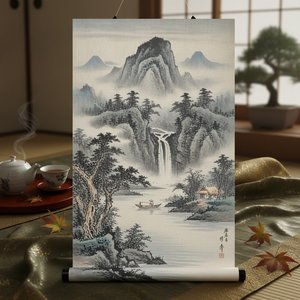
Landscape
 Shui-mo (Japanese Landscape)
 601
601 32.0cm x 50.0cm
 Razviljaj več
Ročno izdelana oljna reprodukcija
Ročno slikano olje na platnu v vaši izbiri velikosti in okvirja, izdelano po naročilu naših umetnikov. ( Kupi tisk Kupi digitalno sliko)




































Izberite eno od naših vnaprej določenih velikosti, ki ustrezajo prvotnim proporcijam umetničkega dela.

Svoje dimenzije lahko vnesete tako, da se prilagodite določenemu okvirju ali prostoru. Če izbrana velikost ne ustreza razmerjem originalne slike, bomo umetniško delo obrezali ali sliko dopolnili z dodatnimi ročno naslikanimi elementi. Pred začetkom proizvodnje vam bo poslan digitalni osnutek v odobritev.
Upoštevajte, da predogled na zaslonu ne odraža dejanskega obrezovanja ali podaljšanja. Le osnutek bo natančno prikazal končno kompozicijo.
Čeprav so na voljo velikosti po meri, priporočamo izbiro dimenzije s preddefiniranega seznama, da ohranimo originalne razmere.
Po oddaji naročila bo ekipa OriginalUniqueArt.com stranki po e-pošti poslala navodila in predogled digitalnega predogleda.
Svetska dostava () za 3/4 nedelje umesto uobičajenih 5 nedelja. (23 avgust). Bez kompromisa po pitanju kvaliteta.

Brezplačna ekspresna dostava po vsem svetu

Visokokakovostno laneno platno

Popolno zavarovanje pošiljke

Garancija povračila carine in uvoznih davkov

Garancija popolnega ujemanja barv

60-dnevna politika vračanja (le v primeru napak)

Garancija 100% povračila denarja

Popust pri večjem naročilu
 Možnost stekla je na voljo le za velikosti pod 110 cm

Landscape
Tehnika reprodukcije
Velikost reprodukcije
-


Skupna končna cena
$ 300
Biografija umetnika
The Ink-Stained Legacy of Hara Naoharu
In the twilight of the Sengoku period and the dawn of the Momoyama era, a profound stillness emerged from the brushstrokes of Hara Naoharu. Born in 1547 in Saga, Japan, Naoharu was not merely a painter but a pioneer who redefined the boundaries of monochrome landscape painting. As the second son of Hara Naoe, the lord of Nogomi Castle, his upbringing was steeped in the refined atmosphere of nobility and the patronage of high culture. This prestigious lineage provided him with more than just social standing; it offered an intimate connection to the artistic currents that would eventually flow through his own legendary hand, shaping the very foundation of the Unkuta School.
The trajectory of Naoharu’s genius was irrevocably altered by his encounter with the teachings of Sesshu Sesshū, the titan of Japanese ink wash painting. Under Sesshu’s tutelage, Naoharu moved beyond mere imitation to grasp the spiritual essence of suiboku-ga. He learned that the true power of ink lies not in the density of the pigment, but in the subtle gradations of tone and the strategic use of empty space. This mastery of tonal variation allowed him to capture the ephemeral qualities of nature—the way mist clings to a mountain peak or how light dissolves into the shadows of a forest—creating works that felt less like static images and more like breathing, living landscapes.
The Essence of the Unkoku School
While his contemporaries in the Kanō school often sought grandeur through elaborate ornamentation and vibrant colors, Naoharu championed a different path: one of restraint, simplicity, and profound spiritual depth. Through the establishment of the Unkoku School, he introduced a stylistic philosophy that resonated with the Zen Buddhist sensibilities of the era. His approach favored the evocative over the explicit, inviting the viewer to participate in a meditative journey through his landscapes.
The technical brilliance of Naoharu’s work is most evident in his treatment of atmosphere and light. His paintings often feature:
- Mountainous Vistas: Majestic peaks that appear to emerge from a sea of clouds, rendered with precise yet fluid ink strokes.
- Seasonal Transitions: The delicate depiction of autumn foliage or the stark, quiet beauty of winter snowscapes, achieved through masterful control of water and ink.
- Atmospheric Depth: A sense of infinite distance created by layering light washes of grey, guiding the eye through layers of mist and shadow.
Historical Significance and Enduring Influence
The historical importance of Hara Naoharu extends far beyond his individual technical achievements. He acted as a bridge between the classical traditions of the Muromachi period and the evolving aesthetic demands of the Momoyama era. By prioritizing monochrome landscapes that emphasized spiritual contemplation, he provided a visual language for a society seeking stability and introspection amidst political transformation. His ability to utilize the medium of screens to present expansive, immersive worlds demonstrated a versatility that would inspire generations of Japanese painters.
Today, Naoharu is remembered as a master of suiboku-ga whose work remains a testament to the beauty of the understated. His legacy lives on in every brushstroke that seeks to capture the soul of the natural world through the humble medium of ink. Through his eyes, we continue to witness the serene majesty of the Japanese landscape, frozen in time yet eternally moving within the delicate dance of black and white.

hara naoharu
1547 - 1618 , Japan
Hitri podatki
- Artistic Movement Or Style: Suiboku-ga (Water-Ink Painting)
- Artists Or Movements Influenced By This Artist: kanō school
- Artists Who Influenced This Artist: sesshū
- Date Of Birth: 1547
- Full Name: Hara Naoharu
- Nationality: Japanese
- Notable Artworks: ['Landscape']
- Place Of Birth: Saga, Japan
Sorodni članki

Hokusai's Masterpieces: 25 Iconic Prints & Paintings for Art Lovers | OriginalUniqueArt
Journey through Katsushika Hokusai’s 25 most iconic artworks, including *The Great Wave*. Explore the ukiyo-e master's history, style & timeless Japanese woodblock prints. Find museum-quality reproductions for your home at OriginalUniqueArt.com.
Serenity on Canvas: A Guide to the Timeless Beauty of Japanese Landscape Painting
Discover the serene beauty of Japanese landscape painting. From Hokusai's iconic woodblock prints to meditative sumi-e ink washes, explore a visual journey through the 'floating world' and learn how to bring this timeless Zen aesthetic into your modern home decor.

Romantična pokrajina: 10 mojstrovin, ki so definirale gibanje | Umetnost za vaš dom z OriginalUniqueArt.com
Odkrijte 10 mojstrovin romantizma v slikarstvu! Caspar David Friedrich, Turner in drugi. Preučite zgodbe, tehnike in čustva teh ikoničnih krajinskih slik. Kvalitetne reprodukcije za vaš dom na OriginalUniqueArt.com

Zen on Canvas: The Timeless Beauty and Spiritual Depth of Japanese Landscape Painting
Explore the profound serenity of Japanese landscape painting. From Hokusai's waves to Zen-inspired ink washes, discover the history, technique, and spiritual depth of Ukiyo-e masters in this expert art historical guide for collectors and enthusiasts.

Evocations of Place: A Historical Journey Through Landscape Art
Explore the rich history of landscape art with OriginalUniqueArt. Discover renowned artists, movements like Impressionism & Romanticism, and expert guidance for collecting timeless pieces. Find your perfect serene escape today!

