
 Predogled v realnem okolju
 Pošlji
 Deli
Deli
 Podrobnosti o delu
 Priročnik

 Prenesi sliko
 Podobni izdelki
 Rentgenski posnetek
 Predvajaj diaporama
 Q&A
Q&A Statistika
Der Triumph der Ariadne

- 476.0 x 784.0 cm


 Preberi več
Giclée tisk / Umetniški tisk
Giclée ali platnati odtis muzejske kakovosti z hitro proizvodnjo in prilagodljivimi možnostmi končne obdelave. ( Kupite ročno slikano delo Preklop na digitalno sliko)




P118B €10

P118H €10

P118W €10

P438Z €10

P508JH €12

P508YH €12

P805H €10

P805Z €10

P919BZ €10

P919G €10

P919XJ €10

P959ZH €10

P968JZ €12

W106C €8

W218G €10

W218JH €8

W218Y €10

W307PJ €10

W316G €10

W316PJ €8

W316Y €10

W398PJ €8

W4111J €10

W500HY €15

W500JH €15

W692G €12

W849H €8

W940BG €15

W953PJ €8




Izberite eno od naših vnaprej določenih velikosti, ki ustrezajo prvotnim proporcijam umetničkega dela.

Vnesite širino in višino, ki jih potrebujete za svoj okvir ali steno. Tiskanje se lahko le odreže, vendar ga ni mogoče narediti večjega od slike, zato format z drugačno obliko pomeni izgubo dela slike. Pred tiskanjem vam pošljemo digitalni predogled za potrditev. Slika, prikazana na tej strani, ne prikazuje dejanskega izrezka — le predogled to omogoča.
Globalna dostava () v 2 tednih namesto standardnih 4/5 tednov. (1 november)

Brezplačna ekspresna dostava po vsem svetu

Visokokakovostno laneno platno

Popolno zavarovanje pošiljke

Garancija povračila carine in uvoznih davkov

Garancija popolnega barvnega ujemanja

100-dnevna politika vračil (le v primeru okvar)

Garancija 100% povračila denarja

Popust pri večjem naročilu
 Možnost stekla je na voljo le za velikosti pod 110 cm

Der Triumph der Ariadne
Giclée tisk / Umetniški tisk
Velikost reprodukcije
-


Skupna cena
€ 71
A Symphony of Mythic Splendor
In the grand tradition of nineteenth-century European painting, few works command the eye with such immediate, breathtaking authority as Hans Makart’s Der Triumph der Ariadne. Completed in 1874, this monumental oil on canvas is not merely a depiction of a mythological event; it is a visceral experience of joy, abundance, and theatrical grandeur. The painting breathes life into the Homeric legend of Ariadne, capturing the precise moment of her divine rescue by Dionysus after being abandoned on the shores of Naxos. As the viewer gazes upon this vast composition, they are swept into a whirlwind of celebration, where the boundaries between the mortal and the divine blur amidst a sea of swirling drapery and exuberant human forms.
The scene is a masterclass in movement and vitality. Makart populates his canvas with an entourage of figures, many rendered in the soft, luminous glow of classical nudity, engaged in a rhythmic dance of revelry. The composition is anchored by Ariadne herself, whose presence radiates a transformative energy that shifts the narrative from abandonment to triumph. Through the strategic placement of figures and the sweeping lines of limbs and fabric, Makast creates a sense of perpetual motion, as if the viewer has just stumbled upon a secret, sacred festival in the heart of an ancient paradise.
The Mastery of Makartstil
To understand this masterpiece, one must understand the essence of Makartstil—the signature style of the artist that would come to define the aesthetic of the Vienna Secession era. Makart was a virtuoso of color and light, drawing profound inspiration from the Baroque masters such as Rubens and Rembrandt. He utilized the technique of chiaroscuro not merely for dramatic contrast, but to sculpt his figures with a palpable, three-dimensional realism. The interplay of deep, velvety shadows and brilliant, shimmering highlights creates a sense of depth that invites the eye to wander through every corner of this opulent world.
His palette is nothing short of audacious. Makart achieved an otherworldly luminosity by meticulously layering pigments, particularly focusing on rich, regal golds and passionate, blood-red hues. These colors do not simply sit upon the canvas; they seem to glow from within, imbuing the floral decorations and silken fabrics with a life of their own. This technical brilliance ensures that the painting remains a captivating focal point, offering a sensory richness that is as much about texture and light as it is about subject matter.
Symbolism and Emotional Resonance
Beyond its surface beauty, Der Triumph der Ariadne is a dense tapestry of symbolic meaning. The overwhelming abundance of floral arrangements serves as a metaphor for fertility, rebirth, and the flourishing of life following tragedy. Even the subtle inclusion of birds within the composition adds layers of classical allegory, hinting at the fleeting nature of beauty and the soaring spirit of the soul. Every element, from the heavy, luxurious drapery to the dynamic poses of the revelers, is designed to evoke a sense of overwhelming emotional abundance.
<For the discerning collector or interior designer, this work offers more than just historical significance; it provides an atmosphere of unparalleled sophistication. A high-quality reproduction of this piece brings with it a sense of historical weight and artistic prestige. It is a work that demands attention, serving as a profound statement of elegance in any grand hall or curated gallery space. To possess such a vision is to invite the spirit of the Baroque—a spirit of drama, passion, and eternal triumph—into one's own surroundings.
Vprašanja in odgovori
Kako lahko ogledam "Der Triumph der Ariadne" avtorja Hans Makart v obliki diorama?
Na voljo je diaporama: stran Slidešov za delo "Der Triumph der Ariadne" avtorja Hans Makart.
Ali je Hans Makart, ustvarjalec dela "Der Triumph der Ariadne", znan tudi pod drugimi imeni?
Hans Makart je znana tudi pod imenom Hans Markart.
Ali uporablja "Der Triumph der Ariadne" avtorja Hans Makart močne kontraste ali nežne harmonije?
V "Der Triumph der Ariadne" se Statement kontrast združuje s Softly Mixed Palette harmonijo.
Biografija umetnika
Hans Makart: Življenje v obilju in vplivu
- Rod: 28. maj 1840, Salzburg, Avstrija
- Umrl: 3. oktober 1884, Dunaj, Avstrija
- Narodnost: Avstrijec
- Smer/Pokret: Akademska umetnost, Makartstil
Zgodnje življenje in izobraževanje
Umetniška pot Hansa Makarta se je začela v Salzburgu, kjer se je rodil v družini z globokimi povezavami do habsburškega dvora. Čeprav je že na začetku kazal velik potencial, se je med letoma 1850 in 1851 vštolil na Dunajsko akademijo, vendar so njegove težave s tehniko risanja privedle do njegovega odhoda iz akademskih okrogov. Zaveden svojih strasti do barv, je Makart med letoma 1861 in 1865 študiral v Münchenu pod mentorstvom Karla Theodora von Pilotija. To obdobje je bilo ključno za oblikovanje njegovega umetniškega sloga in razvoj njegove značilne uporabe živahnih odtenkov. Kasnejša potovanja v London, Pariz in Rim so mu razširila obzorje evropskih umetnostnih gibanj in tehnik ter bogato obogatila njegovo umetniško perspektivo.
Umetniški slog in velika dela
Makartov prepoznavni slog, znan pod imenom »Makartstil«, je bil zaznamovan z obilno dekorativnostjo, živahnimi barvami in teatralno dovršenostjo, kar je močno vplivalo na vizualne umetnosti v Avstrijsko-O🇭ungariji in širše. Njegova zgodnja dela, kot je Lavoisier v zapori, so pokazala njegov vzrastajoči občutek za barvo, medtem ko je Vitez in vodne nymph izpostavil njegovo dekorativno talento. Z razvijanjem slave so njegova slika, kot sta Moderne amoretti in
Med njegovimi najbolj izstopajočimi deli tvorijo:
- Vstop cesarja Karla V v Antwerp leta 1520
- Moderne amoretti
- Kuga v Firenci
- Romeo in Juliet
Vpliv, dediščina in Makartov karneval
Makart je črpal navdih iz dela Karla Theodora von Pilotija, evropskih umetnostnih gibanj, vključno s simbolizmom in art nouveau, ter iz mojstrov, kot je bil Peter Paul Rubens. Njegov luksuzen studio na Dunaju je postal pomembno družbeno središče, ki je privabljalo kraljeviče, politike, umetnike in pisce. Ključni trenutek v njegovi karieri je bila oblikovanje prireditve za srebrno poroko cesarja Franja Jožefa I. in cesarice Elizabete od Bavarije (Sisi) leta zględno 1879. Ta pretrpela predstava, znana kot »Makartov karneval«, je osvojila javnost z njegovim talentom za kostume in scenografijo. Leta 1879 je bil imenovan za profesorja na Dunajski akademiji, kar je utrdilo njegovo mesto v umetniškem etablismentu. Njegov vpliv je sega tudi do Gustava Klimta, ki je kasneje postal ključna figura v gibanju Dunajske secesije.
Poznejje življenje in zgodovinski pomen
Makartova zgodnja smrt leta 1884 v age 44 let je označila konec ene dobe. Njegova obsežna zbirka antikov in umetnin je bila razprodana na dražbi, s čimer se je njegova dediščina razpršila po različnih zbogah. Kljub kritikam nekih akademskih krogov glede zgodovinske natičnosti, je Makartov vpliv na dunajsko kulturo in umetniške trende nepodrobno. Postal je personifikacija obdobja obilnega veličastja in estetske inovacije. Njegovo del se še danes cenimo zaradi živahnih barv, dekorativne bogatosti in edinstvene atmosfere, ki jo je ustvaril, kar mu zagotavlja nepozabno mesto v avstrijski umetnosti 19. stoletja.

Hans Makart
1840 - 1884 , Avstrija
Hitri podatki
- Artistic Movement Or Style: Akademska zgodovinska slikarstvo
- Artists Or Movements Influenced By This Artist:
- Gustav Klimt
- Art Nouveau
- Artists Who Influenced This Artist:
- Karl Theodor von Piloty
- Johann Fischbach
- Date Of Birth: 28. maj 1840
- Date Of Death: 3. oktober 1884
- Full Name: Hans Makart
- Nationality: Avstrijec
- Notable Artworks:
- Lavoisier v zapori
- Moderne Amoretti
- Plaga v Firenci
- Romeo in Julija
- Place Of Birth: Salzburg, Avstrija
Sorodni članki

Baročne mojstrovine: 10 umetnin, ki so definirale obdobje | OriginalUniqueArt
Odkrijte 10 baročnih mojstrovine, ki so zaznamovale umetnost! Karavaggio, Bernini & Rubensovi deli v zgodovinskem kontekstu. Navdih za notranjost in reprodukcije slik na OriginalUniqueArt.com. Raziskujte polno zbirko online!
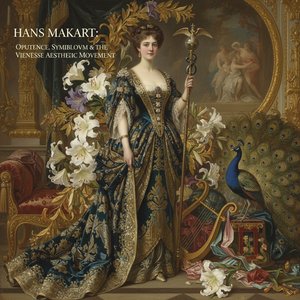
Hans Makart: Opulence, Symbolism & the Viennese Aesthetic Movement
Explore the opulent world of Hans Makart, a pivotal figure in Austrian art history. Discover his influence on Klimt & the Vienna Secession, signature style, and investment potential. Expert insights for collectors.

Baročna Drama: Uvedba Velikosti in Čustvenosti v Sodobne Interierje
Odkrijte veličino baročne umetnosti! Nasveti za integracijo dramatičnosti in čustvenosti v vaš dom. Kvalitetne reprodukcije, naročila po meri pri OriginalUniqueArt.com – strokovno posvetovanje in vrhunska kakovost.

The Visceral Stage: Exploring Dramatic Narratives & Emotional Intensity in Baroque Art
Explore the dramatic world of Baroque art! Discover iconic masters like Caravaggio & Rembrandt, their techniques, and the movement's lasting impact. Expert insights for collectors & enthusiasts at OriginalUniqueArt.

The Dramatic Flourish: Exploring the Baroque Movement's Enduring Legacy in Art History
Explore the dramatic world of Baroque art! Discover iconic artists like Caravaggio & Rubens, defining techniques, and its lasting impact on art history. Expert insights for collectors & enthusiasts at OriginalUniqueArt.