
 Predogled v realnem okolju
 Pošlji
 Deli
Deli
 Podrobnosti o delu
 Priročnik

 Prenesi sliko
 Podobni izdelki
 Rentgenski posnetek
 Predvajaj diaporama
 Vprašanja in odgovori
 Statistika
untitled (6565)


 Preberi več
Giclée tisk / Umetniški tisk
Giclée ali platnati odtis muzejske kakovosti z hitro proizvodnjo in prilagodljivimi možnostmi končne obdelave. ( Kupite ročno slikano delo Preklop na digitalno sliko)




P118B €10

P118H €10

P118W €10

P438Z €10

P508JH €12

P508YH €12

P805H €10

P805Z €10

P919BZ €10

P919G €10

P919XJ €10

P959ZH €10

P968JZ €12

W106C €8

W218G €10

W218JH €8

W218Y €10

W307PJ €10

W316G €10

W316PJ €8

W316Y €10

W398PJ €8

W4111J €10

W500HY €15

W500JH €15

W692G €12

W849H €8

W940BG €15

W953PJ €8




Izberite eno od naših vnaprej določenih velikosti, ki ustrezajo prvotnim proporcijam umetničkega dela.

Vnesite širino in višino, ki jih potrebujete za svoj okvir ali steno. Tiskanje se lahko le odreže, vendar ga ni mogoče narediti večjega od slike, zato format z drugačno obliko pomeni izgubo dela slike. Pred tiskanjem vam pošljemo digitalni predogled za potrditev. Slika, prikazana na tej strani, ne prikazuje dejanskega izrezka — le predogled to omogoča.
Globalna dostava () v 2 tednih namesto standardnih 4/5 tednov. (5 november)

Brezplačna ekspresna dostava po vsem svetu

Visokokakovostno laneno platno

Popolno zavarovanje pošiljke

Garancija povračila carine in uvoznih davkov

Garancija popolnega barvnega ujemanja

100-dnevna politika vračil (le v primeru okvar)

Garancija 100% povračila denarja

Popust pri večjem naročilu
 Možnost stekla je na voljo le za velikosti pod 110 cm

untitled (6565)
Giclée tisk / Umetniški tisk
Velikost reprodukcije
-


Skupna cena
€ 72
A Study in Intensity: Unraveling the Enigmatic Portrait of Hans Holbein the Younger
Hans Holbein the Younger’s “Untitled (6565)” is not merely a portrait; it's a carefully constructed psychological landscape, a window into the mind of an unknown subject rendered with the artist’s signature precision and unsettling intensity. Painted circa 1530-32 during his time in England, this oil on panel work transcends the conventional depiction of a likeness, instead offering a profound meditation on gaze, time, and perhaps even mortality. The painting immediately commands attention through its stark contrasts – the dark, almost impenetrable background punctuated by the unsettling presence of two clocks, each frozen at a specific moment, creating an immediate sense of arrested time.
The subject himself is presented with remarkable directness. He sits in profile, his features sharply defined, yet subtly ambiguous. The meticulously rendered beard and mustache, hallmarks of Holbein’s style, frame a face etched with a palpable seriousness. His eyes, wide open and intensely focused, meet the viewer's gaze head-on – an act of deliberate confrontation that forces us to confront our own reflection within the painting. This directness is further emphasized by his slightly parted lips, suggesting either speech or contemplation, leaving the viewer perpetually questioning his intentions.
Holbein’s mastery of technique is evident in every detail. The subtle gradations of light and shadow create a remarkable sense of volume and texture, particularly noticeable in the rendering of the subject's clothing – a simple black shirt that serves as a neutral backdrop to highlight his features. The artist’s use of oil paint allows for an unparalleled level of control, enabling him to achieve astonishingly realistic detail while simultaneously conveying a sense of emotional depth. Note the delicate brushstrokes defining the texture of the fabric and the subtle nuances in the subject's skin tone – evidence of Holbein’s painstaking observation and artistic skill.
Beyond its technical brilliance, “Untitled (6565)” is rich in symbolic meaning. The presence of the two clocks is particularly significant. In Renaissance thought, time was often associated with mortality, and the depiction of multiple clocks could be interpreted as a reminder of our fleeting existence. Some scholars suggest that the specific times displayed on the clocks might hold personal significance for the subject or perhaps even allude to a particular event in his life. The dark background, devoid of any identifying features, further contributes to the painting’s enigmatic quality, suggesting a deliberate attempt to strip away extraneous details and focus solely on the essential elements of the portrait – the subject's face and gaze.
Hans Holbein the Younger was a pivotal figure in the Northern Renaissance, renowned for his ability to capture the psychological complexities of his subjects. His portraits were not simply representations of appearance; they were attempts to reveal the inner lives of those depicted. “Untitled (6565)” exemplifies this approach perfectly, offering a compelling and unsettling glimpse into the soul of an unknown man – a testament to Holbein’s genius and enduring legacy. Reproductions of this captivating work, meticulously crafted using traditional techniques and high-quality materials, allow art enthusiasts to experience the profound impact of this remarkable painting firsthand.
The Artist: A Master of Portraiture in the Northern Renaissance
Born in Augsburg, Germany, in 1497, Hans Holbein the Younger emerged from a family steeped in artistic tradition. His father, Hans Holbein the Elder, was a respected painter and printmaker, providing young Hans with an invaluable foundation in technique and observation. This early exposure instilled within him a meticulous approach to detail – a characteristic that would become synonymous with his distinctive style. Holbein’s training initially occurred within his father's workshop, where he honed his skills in various mediums, including oil painting, woodcut, and engraving.
Following his apprenticeship, Holbein embarked on a period of extensive travel throughout Europe, seeking opportunities to refine his craft and establish himself as an independent artist. He spent significant time in Basel, Switzerland, producing a diverse range of works – portraits, religious paintings, and intricate woodcut designs. Notably, he created the famous *Dance of Death* series, a macabre yet captivating depiction of mortality that cemented his reputation as a skilled and imaginative artist. His work during this period demonstrates a growing confidence and experimentation with style.
Holbein’s career took a significant turn when he moved to England in 1532, where he quickly gained the favor of King Henry VIII. He became the court painter for several years, producing iconic portraits of the king and his family – works that continue to be celebrated today. His time in England was marked by both artistic success and political intrigue, as he navigated the complex dynamics of the Tudor court. Despite facing challenges, Holbein’s talent and skill ensured his place among the most influential artists of the era.
Echoes of Time: Symbolism and Technique
The composition of “Untitled (6565)” is a carefully orchestrated interplay of visual elements designed to evoke specific emotions and ideas. The stark contrast between the dark background and the subject’s pale face immediately draws the viewer's attention, creating a sense of dramatic tension. The two clocks, strategically placed within the scene, are not merely decorative; they serve as potent symbols of time, mortality, and perhaps even judgment.
Holbein’s masterful use of oil paint allows for an unparalleled level of detail and nuance. He employs subtle gradations of light and shadow to create a sense of volume and texture, rendering the subject's features with remarkable accuracy. The meticulous attention to detail is particularly evident in the depiction of the subject’s beard and mustache – each strand carefully rendered to convey a sense of realism and character. The artist’s use of atmospheric perspective further enhances the painting’s depth and spatial relationships, creating a convincing illusion of three-dimensionality.
Furthermore, Holbein's choice of profile view is deliberate. This compositional technique was popular during the Renaissance as it allowed for a more intimate and psychologically revealing portrayal of the subject. By presenting the subject in profile, Holbein forces the viewer to confront his gaze directly, creating a sense of connection and engagement.
Owning a Masterpiece: Reproductions and Legacy
OriginalUniqueArt offers meticulously crafted handmade oil painting reproductions of “Untitled (6565)” by Hans Holbein the Younger, allowing art enthusiasts to own a piece of this iconic Renaissance masterpiece. These reproductions are created using traditional techniques – layering thin glazes of oil paint to achieve the same luminous effects as the original – and employ only the finest quality materials for exceptional durability and visual fidelity.
Beyond its aesthetic beauty, “Untitled (6565)” represents a profound exploration of human psychology. It’s a painting that invites contemplation, prompting viewers to consider the nature of time, mortality, and the enigmatic depths of the human soul. Whether you are an art historian, a collector, or simply someone who appreciates exceptional artistry, this reproduction offers a unique opportunity to experience the enduring legacy of Hans Holbein the Younger.
To learn more about the Mauritshuis museum and its collection on OriginalUniqueArt.com
Vprašanja in odgovori
Kakšen čustveni izraz prenosi "untitled (6565)" avtorja Hans Holbein Mlajši?
"untitled (6565)" avtorja Hans Holbein Mlajši izraža Reflektivno čustven ton.
Kakšna je priporočena nastavitev tiska za "untitled (6565)" avtorja Hans Holbein Mlajši?
Velikost Velik format, orientacija Portretni format: to je priporočena nastavitev tiska za "untitled (6565)" avtorja Hans Holbein Mlajši.
Za kakšno uporabo se priporoča tiskanina dela "untitled (6565)"?
Priporočena uporaba tiska dela "untitled (6565)" je Akcentni element.
Biografija umetnika
Življenje v detajlih: Svet Hansa Holbeina mlajšega
Okoli leta 1497 se je v živahnem umetniškem središču Augsburgu v Nemčiji rodil Hans Holbein mlajši, ki se je izrisal kot ključna osebnost severne renesanse – mojster portretista, katerega dela še danes odzvenijo z osupljivo realističnostjo in psihološko globino. Njegova vzgoja v umetniško nadarjeni družini je položila temelj za njegov izjemen talent; njegov oče, Hans Holbein starejši, je bil cenjen slikar in grafik, ki je mlademu Hansu vcepil skrbno pristop k opazovanju in tehniki. Ta zgodnja vajenja niso bile le namenjene mojstrstvu v uporabi čopiča ali mešanju pigmentov – šlo je za učenje, kako *videti*, kako zajeti ne le podobnost, temveč samo bistvo predmeta. Holbeinov začetni umetniški raziskovalni proces se je odvijal v očevi delavnici, kjer je izpilil svoje veščine, preden se je odpravil na pot, ki ga je vodila skozi Švico in končno do srca angleškega dvora.Od Basla do Tudorjevga dvora: Vzpon zvezde
Po končanem učeništvu je Holbein obsežno potoval po Švici in si ustvaril ime kot neodvisni umetnik z naraščajočo ugledom. Nekaj oblikovalnih let je preživel v Baslu, kjer je ustvarjal ne le dalečovnične portrete, temvezględ tudi religiozna dela in zapletene interpretacije na lesorezu – najbolj izstopa pretresljiva serija, ki prikazuje ples smrti. Ta zgodnja dela razkrivajo vzrastajoče mojstrstvo v kompoziciji in razvijajočo se fascinacijo nad zajemanjem kompleksnosti človeških čustev. Leta 1526 je usoda posegla v njegovo pot in ga usmerila proti Angliji, kar je nepopravljivo spremenilo njegov umetniški življenjepis. Prispel je s pisom, ki ga je podali Erasmus, znameniti humanist, kar mu je odprlo vrata v vplivna krogi angleškega družba. Njegov talent je hitro očarjal pomembne osebnosti, kot je bil Sir Thomas More, ki je postal tako poklonitelj kot model za več prepričljivih portretov. Ta povezava se je izkazala ključna, saj je vodila do Holbeinove imenovanja za dvornsnega slikarja kralja Henrika VIII. leta 1536 – položaja, ki ga je, ob nekih prekinitvah, obdržal do svoje premature smrti leta zględ 1543.Umetnost zaznavanja: Stil in vrhunska dela
Holbeinov umetniški slog zaznamuje izjemno predanost realizmu, ki jo je dosegel s trdoznatnostjo in neizmerno pozornostjo do detajlov pri prikazovanju tekstur, tkanin in subtilnih nians obraznih črt. On portretov ni le slikal; jih je temeljito konstruiral, plast za plast, s čimer je zajel ne le zunanji videz, temveč tudi osebnost in notranji svet svojih modelov. Njegove inovativne kompozicije so še dodatno povečale vpliv njegovih del, saj je pogosto uporabljal simbolične predmete ali ozadja za prenos globljega pomena. Delo Legati (1533) stoji kot spomenik temu pristopu – je kompleksna in simbolično bogata dvojna portretna slika, ki prikazuje tako Holbeino vrhunsko tehnično znanje kot intelektualno globino. Anamorfozna lobanja, subtilno vključena v sliko, služi kot ostre memento mori, ki gledalca opominja na neizogibnost smrti. Njegovi številni portreti Henrika VIII so vzpostavili trajen podbmod kraljeve moči Tudorjev, medtem ko njegov prikaz Erasma iz Rotterdama zajema globoko intelektualno težo humanista. Med druge izstopajo tudi čudoviti Portret Nikolaja Kratzerja (1528), mojstrovina realizma in znanstvenega detajla.Dediščina in vpliv: Dolgotrajen odtis
Holbeina umetniško pot je oblikovala konfluenca vplivov, ki so združili natančnost nemških umetniških tradicijo z načeli kompozicije italijanske renesanse. Oboževal je del Albrehta Dürerja in drugih nemških mojstrov, hkrati pa je med potovanji študiral tudi italijansko umetnost, s čimer so njegove tehnike vključil v svoj lastni edinstveni slog. Njegova dediščina je globoka; Holbeinovi portreti so postavili nov standard za realizem in psihološki vpogled v portretno slikarstvo ter vplivali na generacije umetnikov, ki so mu sledili. Njegove slike ključnih oseb iz obdobja Tudorjev ponujajo neprecenljiv vpogled v življenja in osebnosti tistih, ki so oblikovali angleško zgodovino. On ni le beležil videza – zajel je trenutke v času in jih ohranil za prihodnje generacije. Njegovo del služi kot močno spovedanje trajne moči umetnosti, da dokumentira, interpretira in osvetljuje preteklost.Zadnji potezni čopič: Zgodovinski pomen
Hans Holbein mlajši je v Londonu umrl leta 1543, za seboj pa je pustil korpus del, ki še stoletja kasneje navdušuje občod. Njegovi portreti so več kot le lepi slike; so zgodovinski dokumenti, ki ponujajo vpogled v politične intrigre, verske prevrate in kulturne premike obdobja Tudorjev.- Njegove slike Henrika VIII so postale ikonični prikazi kraljeve moči.
- Njegovo portretno slikarstvo je okno v življenja pomembnih humanistov, kot sta Erasmus in More.
- Njegova inovativna uporaba simbolike doda plasti pomena njegovim delom in vabi gledalce k razmišljanju o globljih temah.

Hans Holbein Mlajši
1497 - 1543 , Nemčija
Hitri podatki
- Datum Rojstva: okoli 1497
- Datum Smrti: 1543
- Kraj Rojstva (Mesto In Država): Augsburg, Nemčija
- Nacionalnost: Nemško-Švicarski
- Pod Vplivom: ['Poznejši portretisti']
- Polno Ime: Hans Holbein mlajši
- Umetniški Slog: Severna renesansa
- Vplivneži: ['Albrecht Dürer']
- Znani Dela:
- The Ambassadors
- Portret Henrika VIII
- Portret Erazma
- Nikolaus Kratzer
Sorodni članki

The Enduring Legacy of Oil on Canvas: Technique, History & Aesthetic Impact
Explore the rich history & techniques of oil painting – from Renaissance masters to Impressionism. Discover pigments, layering methods, and why this timeless medium endures. Expert insights for artists & art enthusiasts.

Oil on Canvas: A Historical & Technical Exploration of a Timeless Artistic Medium
Explore the rich history & enduring techniques of oil painting on canvas. Discover the science behind its longevity, conservation practices, and contemporary relevance. Expert insights for art enthusiasts.

The Enduring Power of Painting: A Historical & Contemporary Exploration of Form and Emotion
Explore the rich history & enduring techniques of oil painting with OriginalUniqueArt. Discover masterpieces, learn about art collecting, and find authentic handmade reproductions crafted by skilled artists.

Hans Holbein the Younger: A Renaissance Portraitist's Mastery of Realism & Psychological Insight
Explore the life & art of Hans Holbein the Younger, a Renaissance master renowned for his strikingly realistic portraits and psychological insight. Discover iconic works like 'The Ambassadors' and delve into his lasting legacy.
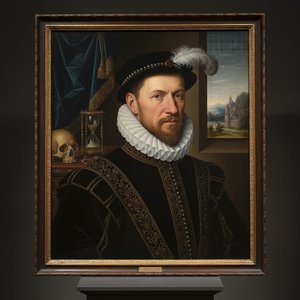
Mastering Detail: The Captivating World of Hans Holbein the Younger’s Northern Renaissance Masterpieces
Explore the breathtaking precision of Hans Holbein the Younger. From Tudor royal portraits to intricate Northern Renaissance details, discover the mastery behind his legendary works and learn how to bring this historical grandeur into your collection with museum-quality reproductions.





![Dvojni portret Jeana de Dintevillea in Georgesa de Selveya (znan tudi kot سفirovi) [detajl]](/media/artworks/images-thumb/bb/ab/bbab7ce77b7dd15d23d21114a63b51a4.jpg)


