
 Predogled v realnem okolju
 Pošlji
 Deli
Deli
 Podrobnosti o delu
 Priročnik

 Prenesi sliko
 Podobni izdelki
 Rentgenski posnetek
 Predvajaj diaporama
 Vprašanja in odgovori
 Statistika
Heaven can wait

- 24.0 x 32.0 cm


 Preberi več
Umetniška dela, prikazana na tej strani, so zaščitena z avtorskimi pravicami, kar pomeni, da po zakonu ne moremo ustvarjati ali prodajati identičnih reprodukcij. Ta zaščita se izvaja v skladu z mednarodnimi sporazumi, kot so Bernska konvencija in po nacionalnih zakonih, vključno s tistimi, ki jih določa Zakon o avtorskih pravicah ZDA – naslov 17.
Ta način v celoti upošteva zakonodajo o avtorskih pravicah, saj ne vključuje kopiranja ali podvajanja zaščitenga umetniškega dela. Namesto tega gre za kreativno preinterpretacijo – novo sliko, ki je navdihnjen rezultat originala, vendar ni z njim identična.
Giclée tisk / Umetniški tisk
Giclée ali platnati odtis muzejske kakovosti z hitro proizvodnjo in prilagodljivimi možnostmi končne obdelave. ( Kupite ročno slikano delo Preklop na digitalno sliko)




































Izberite eno od naših vnaprej določenih velikosti, ki ustrezajo prvotnim proporcijam umetničkega dela.

Vnesite širino in višino, ki jih potrebujete za svoj okvir ali steno. Tiskanje se lahko le odreže, vendar ga ni mogoče narediti večjega od slike, zato format z drugačno obliko pomeni izgubo dela slike. Pred tiskanjem vam pošljemo digitalni predogled za potrditev. Slika, prikazana na tej strani, ne prikazuje dejanskega izrezka — le predogled to omogoča.
Globalna dostava () v 2 tednih namesto standardnih 4/5 tednov. (7 november)

Brezplačna ekspresna dostava po vsem svetu

Visokokakovostno laneno platno

Popolno zavarovanje pošiljke

Garancija povračila carine in uvoznih davkov

Garancija popolnega barvnega ujemanja

100-dnevna politika vračil (le v primeru okvar)

Garancija 100% povračila denarja

Popust pri večjem naročilu
 Možnost stekla je na voljo le za velikosti pod 110 cm

Heaven can wait
Giclée tisk / Umetniški tisk
Velikost reprodukcije
-


Skupna cena
€ 72
A Portal to the Inner Consciousness
In the evocative piece "Heaven can wait," the Iraqi artist Halim Al-Karim invites viewers into a liminal space where the boundaries between reality and the metaphysical dissolve. Created in 2013, this work serves as an outward projection of the artist's inner consciousness, acting as a visual manifestation of spiritual awakening and profound serenity. The artwork does not merely present an image; it offers a window into a dream-like state, where the soul’s journey toward enlightenment is captured through a haze of color and light. Al-Karim utilizes a technique that suggests a veil—much like the silk fabric he often employs in his physical installations—to create a metaphorical filter between the observer and the observed, turning the act of looking into a transcendental experience.
The composition is a masterclass in abstract expressionism, presenting a highly abstracted and ethereal portrait of a human face that emerges from a sea of intense yellow and green hues. Rather than relying on the rigid lines of traditional portraiture, the artist employs a fluid, almost chaotic method of layering and dripping paint. This wet-on-wet technique allows colors to merge and bleed into one another, creating a textured surface where facial features are suggested rather than defined. The result is a sense of constant movement and energy, as if the subject is in the very process of "becoming," caught in a moment of spiritual metamorphosis.
Symbolism and Emotional ResonanceBeyond its striking visual presence, "Heaven can wait" carries a deep emotional weight. The intense, saturated palette evokes a range of instinctual responses, ranging from the warmth of spiritual discovery to a certain unsettling mystery. The lack of clear definition and the presence of amorphous, organic shapes tap into the viewer's subconscious, evoking feelings of melancholy or even a preternative power. For the collector, this piece offers more than mere decoration; it provides a focal point for contemplation, challenging the viewer to look past the surface and harness their own capacity for deep perception.
The interplay of thick, impasto-like textures against smoother, blended regions creates a tactile depth that suggests the complexity of memory and identity. As Al-Karim’s work often explores themes of displacement and the fragility of existence, this specific piece stands as a testament to the resilience of the spirit. It is an artwork that breathes, offering a sense of mystery that lingers long after the initial encounter. For interior designers and art enthusiasts alike, "Heaven can wait" serves as a sophisticated centerpiece, bringing a layer of intellectual depth and emotional complexity to any curated space.
Vprašanja in odgovori
Kako lahko ogledam "Heaven can wait" avtorja Halim Al-Karim v obliki diorama?
Na voljo je diaporama: stran Slidešov za delo "Heaven can wait" avtorja Halim Al-Karim.
Ali so barve dela "Heaven can wait" močne ali nežne?
Intenzivnost barv dela "Heaven can wait" je Vivid. Intenzivnost opisuje, kako močne so barve.
Kje lahko najdem vodnik za "Heaven can wait"?
Stran Informacije za učence za delo "Heaven can wait" avtorja Halim Al-Karim ponuja datoteko z informacijami v dveh straneh, ki je pripravljena za tiskanje: sliko umetninine z identifikacijsko tabelo, časovni obroč, ki delo postavlja v obdobje umetnikovega življenja, druge umetninine tega umetnika, izmerjeno paleto barv ter citate v štirih slogih, pripravljene za kopiranje.
Biografija umetnika
The Veiled Truth: The Ethereal World of Halim Al-Karim
In the delicate intersection where memory meets shadow, the work of Halim Al-Karim resides. Born in 1963 in the historic city of Najaf, Iraq, Al-Karim’s artistic journey is not merely a progression of technique, but a profound navigation through the landscapes of trauma, survival, and spiritual awakening. His early years, spent moving between the cultural richness of Beirut and the ancient echoes of Baghdad, provided a foundation steeped in history and myth. The influence of his father, an amateur photographer who experimented with intentional blur, planted the seeds for Al-Karim’s later obsession with the indistinct and the obscured. This fascination with what lies beneath the surface would eventually become the heartbeat of his practice.
The trajectory of Al-Karim’s life was irrevocably altered by the turbulence of the Persian Gulf War. Forced to flee military service under Saddam Hussein’s regime, he endured a harrowing three-year period of seclusion, hiding within a rock-covered hole in the southern Iraqi desert. It was during this time of profound isolation that his survival was secured by the kindness of an elderly Bedouin woman, who provided sustenance and introduced him to the mysteries of Sufi mysticism and gypsy customs. This experience of being hidden—both physically and psychologically—became the cornerstone of his creative identity. The concept of al-batin, the Sufi term for the hidden or inner truth, permeates his work, transforming the act of photography from a documentary tool into a spiritual pursuit of the unseen.
Technique as Metaphor: The Art of Obscuration
Al-Karim’s aesthetic is a masterful rejection of clarity. He does not seek to capture the world as it appears to the eye, but rather as it is felt in the soul. His process involves a sophisticated layering of media, where he merges stills from cinema, historical artifacts, and classical paintings with his own photographic captures. By utilizing both antiquated darkroom techniques and modern digital manipulation, he creates images that feel like fragments of a dream or echoes of a lost era. He often employs a deliberate blur, enlarging negatives to create an uncertainty of context, time, and place, forcing the viewer to confront the fragility of their own perception.
Perhaps his most iconic signature is the application of silk fabric over his prints. By stretching thin layers of white or black silk across the surface, Al-Karim creates a physical and metaphorical veil. This barrier serves several profound purposes:
- The Liminal Space: The silk acts as a portal between being and becoming, a translucent threshold where the viewer must peer through to find meaning.
- The Mask of Memory: Much like the fog of trauma, the fabric obscures details, representing how time and hardship erode the sharpness of our recollections.
- Materiality and Texture: The tactile nature of the silk adds a sculptural dimension to his photography, bridging the gap between two-dimensional imagery and physical presence.
Legacy and Global Resonance
The significance of Halim Al-Karim’s work extends far beyond the borders of the Middle East. His ability to translate personal displacement into a universal language of human resilience has earned him a place in the most prestigious art institutions worldwide. From his participation in the historic Iraqi Pavilion at the 54th Venice Biennale to his inclusion in the permanent collections of the Victoria and Albert Museum in London and the Mori Art Museum in Tokyo, his voice resonates with a global audience. His work speaks to anyone who has experienced the loss of home, the weight of history, or the search for identity amidst chaos.
Through his series such as Hidden War and Hidden Victims, Al-Karim continues to explore the duality of the human condition—the tension between the visible reality of conflict and the invisible strength of the spirit. He remains a vital figure in contemporary art, reminding us that even when the world is blurred by pain or obscured by shadows, there is a profound, luminous truth waiting to be discovered beneath the veil.

Halim Al-Karim
1956 - , Iraq
Hitri podatki
- Full Name: Halim Al-Karim
- Nationality: Iraqi
- Date Of Birth: 1956
- Place Of Birth: Najaf, Iraq
- Notable Artworks:
- Heaven Can Wait
- Schizophrenia 1
- Schizophrenia 9
- Artistic Movement Or Style: Conceptual & Abstract Photography
Sorodni članki

Mastering Abstraction: The 25 Most Iconic Works by Wassily Kandinsky
Explore 25 iconic Kandinsky masterpieces and the birth of abstraction. Discover the full collection online at OriginalUniqueArt.com.

Geometrična Abstraktna Umetnost: 10 Mojstrovin za Vaš Dom | OriginalUniqueArt.com
Odkrijte 10 mojstrovin geometrične abstrakcije! Mondrian, Malevich, Kandinsky in drugi. Zgodbe umetnikov, tehnike ter navdih za vaš dom. Kvalitetne reprodukcije slik na OriginalUniqueArt.com. Raziskajte celotno zbirko online!

Monochrome Visions: Exploring the Aesthetic & Historical Significance of Black & White Photography
Explore the rich history & artistic power of black and white photography. From early techniques to iconic masters like Ansel Adams, discover why monochrome continues to captivate art lovers today. Expert insights for collectors.
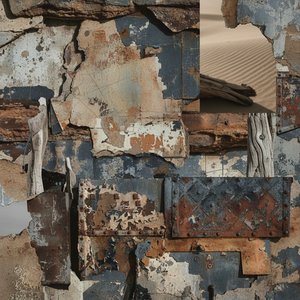
Aaron Siskind: Deconstructing Reality – A Photographic Exploration of Texture, Form & the Abstract Landscape
Explore the transformative journey of Aaron Siskind, from social realism to pioneering abstract photography. Discover his iconic series & lasting influence on modern art. A guide for collectors.

Absolutni Izrazi: 10 Mojstrin Del, Ki So Definirali Gibanje
Odkrijte 10 mojstrin del abstraktnega ekspresionizma! Pollock, Rothko & De Kooning - zgodbe za kulise ikoničnih umetnin. Inspirirajte se in poiščite reprodukcije na OriginalUniqueArt.com!