
 Predogled
 Pošlji
 Deli
Deli
 Podrobnosti o delu

 Prenesi
 Podobni izdelki
 Rentgenski posnetek
 Predvajaj diaporama
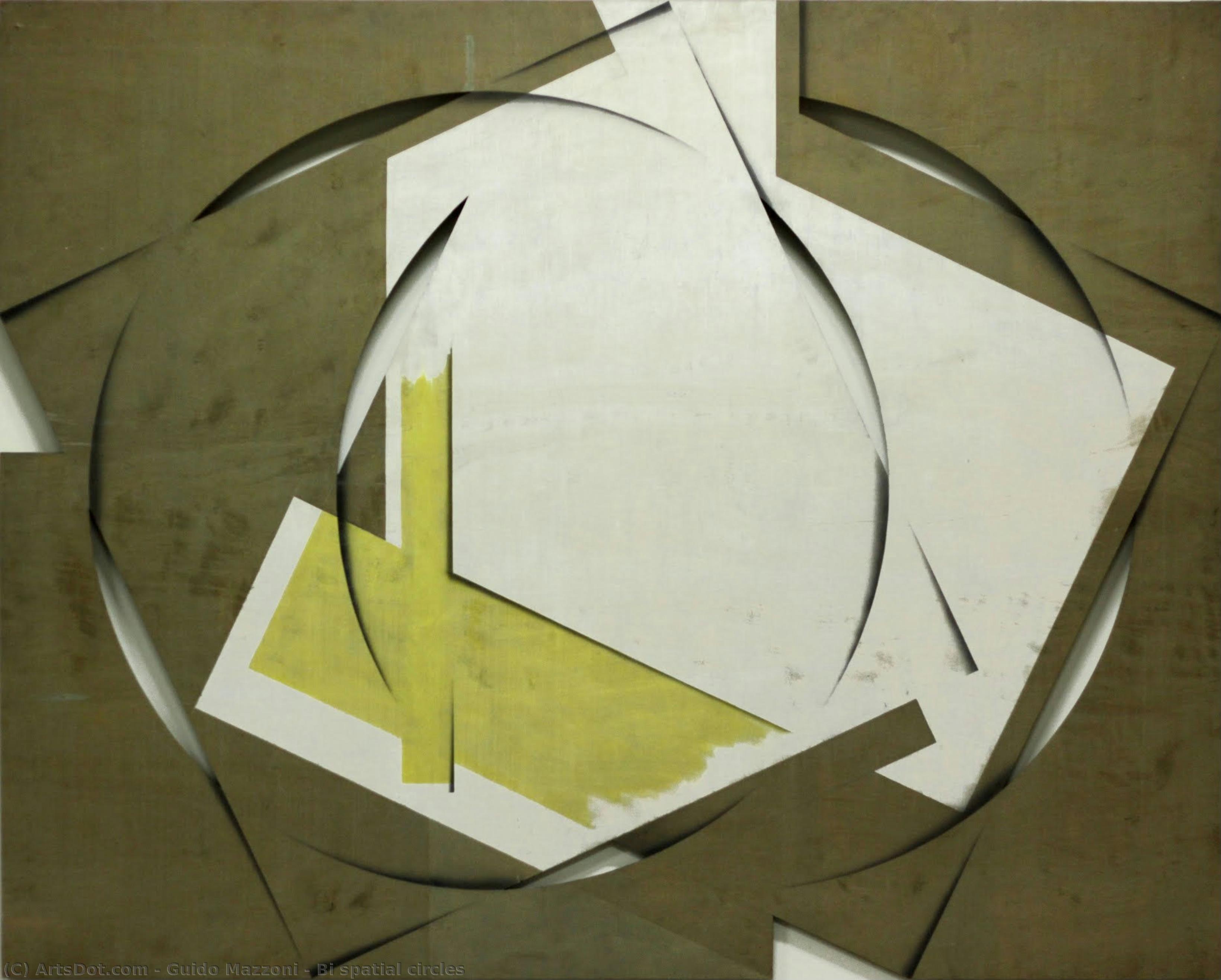
Bi spatial circles
 1997
1997 160.0 x 200.0 cm
 Municipal Museum of Art of La Plata
 Razviljaj več
Kupite digitalno sliko visoke ločljivosti z izboljšano kakovostjo, ki je precej boljša od spletnega predogleda.
Vsaka datoteka je pod natančnim nadzorom naših strokovnjakov, ki uporabljajo napredna orodja in strokovno ročno obdelavo. Zagotovimo, da ima vsaka slika izjemno jasnost, natančnost barv in fine podrobnosti.
Končna datoteka je po e-pošti dostavljena v 72 urah, optimizirana za takojšnjo uporabo v profesionalnem, uredniškem in tiskarskem okolju. To je kakovost, ki ji zaupajo vrhunska oblikovalna studia, založniki in galerije.
Digitalna slika
Prenesite datoteko visoke ločljivosti za osebno uporabo, tiskanje in kreativne projekte. ( Switch to Print Preklopite na ročno slikano delo)
Vključeno v vsako naročilo digitalne slike
Zagotovljena strokovna digitalna dostava
Ko izberete OriginalUniqueArt.com, ne prejmete le slike – prejmete digitalno umetniško delo, ki je profesionalno urejeno, izdelano z natančnostostjo in zavestno zagotovljeno z garancijo za zadovoljstvo. Tukaj je vse, kar samodejno prejmete z vašim naročilom:

Hitra dostava prek e-pošte
Vaša digitalna slika visoke ločljivosti bo na vaš e-naslov poslana v roku 72 ur od zaklopa naročila – pripravljena za takojšnjo uporabo.

Digitalna datoteka z umetno inteligenco
Vaše umetniško delo je strokovno optimizirano z uporabo naprednih orodij umetne inteligence in ročne obdelave, kar zagotavlja največjo stopnjo podrobnosti, jasnosti in barvne natančnosti.

Brezplačna ponovna dostava za vse življenje
Ste zaradi nespremietne napake izgubili ali izbrisali svojo datoteko? Ni težav – vam jo bomo ponovno poslali kadar koli in brezplačno.

Brez uvoznih pristojbin – vedno
Uživajte v svojem umetniškem delu takoj, brez carin, davkov ali stroškov dostave – digitalni prenosi so vedno brezdavčni.

Zagotovilo natančnosti barv
Z uporabo profesionalnih orodij in upravljanja barv zagotavljamo, da vaša digitalna slika čim bolj natančno odraža prvotne barve.

60-dnevna garancija zadovoljstva
Če niste zadovoljni s svojo digitalno sliko, jo bomo uredili ali vam v 60 dneh povrnili 100% denarja – brez kakršnih koli vprašanj.

100% Garancija povračila denarja
Niste zadovoljni? Zagovрите popoln povračilo sredstev v 60 dneh po prejemu digitalne datoteke – brez kakršnih koli vprašanj.

Popusti pri večjem številu naročil
Kupite 3 slike, prihranite 10% - Kupite 5 slik, prihranite 15% - Kupite 10+ slik, prihranite 20%. Odlično za kreativne projekte, galerije in agencije.
Biografija umetnika
The Sculptor of Emotion: The Life and Legacy of Guido Mazzoni
Guido Mazzoni, known to his contemporaries by the affectionate moniker Il Modanino, stands as one of the most evocative figures of the Italian Renaissance. Born around 1450 in Modena, Italy, Mazzoni was an artist who bridged the gap between the theatricality of courtly spectacle and the profound, somber depths of religious devotion. His career was not merely defined by the static permanence of stone, but by a dynamic movement that flowed from the workshops of Italy to the royal courts of France. Early in his development, Mazzoni found himself within the influential patronage circle of the Este family, where he studied under the master Francesco Cossa. This early exposure to the vibrant, narrative-driven style of the Ferrarese school provided him with a foundation in visual storytelling that would later define his sculptural masterpieces.
Before he became a master of the monumental, Mazzoni’s artistry was rooted in the ephemeral and the spectacular. His initial renown was built upon the creation of theatrical masks and elaborate props designed for the grand wedding celebrations of Federico II Gonzaga in Ferrara. This period of his life is crucial to understanding his later sculptural achievements; the skill required to craft lifelike, expressive faces for the stage translated seamlessly into his work with clay. He possessed a unique ability to capture fleeting moments of human expression, a talent that allowed him to infuse even the most rigid materials with a sense of breathing, pulsing life. This mastery of ephemera—the art of the temporary—gave his later religious works an unparalleled psychological immediacy.
The Mastery of Terracotta and the Lamentation Series
Mazzoni’s most enduring contribution to the history of Western art lies in his breathtaking series of polychromed terracotta Lamentations. Unlike the more common marble sculptures of his era, which often sought a cool, idealized perfection, Mazzoni embraced the warmth and malleability of terracotta. This medium allowed him to achieve an ultra-realistic texture that could mimic the folds of heavy fabric, the tear-streaked skin of mourners, and the visceral reality of grief. His most celebrated works, such as those found in the Church of Gesù in Ferrara and the Sant'Anna dei Lombardi Basilica in Naples, represent a pinnacle of Renaissance realism.
These sculptural groups are far more than mere religious icons; they are immersive, theatrical experiences. In these Compianto scenes, Mazzoni meticulously modeled figures gathered around the corpse of Christ, imbuing each face with a distinct, individualized sorrow. A remarkable feature of these works is his integration of portraiture; he often included the likenesses of his patrons, such as Federico II Gonzaga and his family members, directly into the mourning crowd. This technique blurred the line between the sacred and the secular, inviting the viewer to participate in the divine tragedy. The use of polychromy—the application of color to the clay—further enhanced this realism, creating a lifelike presence that seemed to command the very space around it.
A Transnational Legacy
The trajectory of Mazzoni’s life reflects the broader movement of Renaissance talent across European borders. His journey took him through the cultural hubs of Bologna and Naples, eventually leading him to the French court. This international presence allowed his style to influence a wider audience, blending Italian emotional intensity with the burgeoning interest in naturalism found in Northern Europe. His ability to adapt his skills—from the delicate creation of courtly props to the monumental execution of religious drama—ensured his relevance across different artistic landscapes.
Ultimately, Guido Mazzoni’s significance lies in his profound understanding of human empathy. While many of his contemporaries focused on the mathematical proportions and structural harmony of the High Renaissance, Mazzoni prioritized the psychological depth of his subjects. He captured the raw, unvarnished essence of mourning, making the divine accessible through the lens of human suffering. His work remains a testament to the power of art to act as a mirror for the soul, leaving behind a legacy of terracotta figures that continue to move and haunt the hearts of all who behold them.

Guido Mazzoni
1450 - 1518 , Italy
Ključne informacije
- Artistic Movement Or Style: Renaissance Sculpture
- Artists Or Movements Influenced By This Artist: ["Niccolò dell'Arca"]
- Artists Who Influenced This Artist:
- Francesco Cossa
- Luca Della Robbia
- Date Of Birth: ca. 1450
- Date Of Death: 1518
- Full Name: Guido Mazzoni
- Nationality: Italian
- Notable Artworks:
- Lamentation
- Adoration Of The Child
- Place Of Birth: Modena, Italy

