

 Preverite v realnem okolju
 Pošlji kot čestitko
 Deli
Deli
 Podrobnosti
 Priročnik

 Prenesi
 Podobni artefakti
 Rentgenski posnetek
 Predvajaj diaporama
 Statistika
justice


 Preberi več
Ročno izdelana oljna reprodukcija
Ročno slikano olje na platnu v vaši izbiri velikosti in okvirja, izdelano po naročilu naših umetnikov. ( Preklop na tiskanine Preklop na digitalno sliko)




P118B €10

P118H €10

P118W €10

P438Z €10

P508JH €12

P508YH €12

P805H €10

P805Z €10

P919BZ €10

P919G €10

P919XJ €10

P959ZH €10

P968JZ €12

W106C €8

W218G €10

W218JH €8

W218Y €10

W307PJ €10

W316G €10

W316PJ €8

W316Y €10

W398PJ €8

W4111J €10

W500HY €15

W500JH €15

W692G €12

W849H €8

W940BG €15

W953PJ €8




Izberite eno od naših vnaprej določenih velikosti, ki ustrezajo prvotnim proporcijam umetničkega dela.

Vnesite širino in višino, ki jih potrebujete, da se slika prilega vašemu okviru ali steni. Ker je delo ročno slikano, lahko umetnik pri različnih oblikih slik pri robovih doda malo več barve ali pa jih malo odreže — izberite sami. Pred začetkom slikanja vam pošljemo digitalni predogled za potrditev. Slika, prikazana na tej strani, ni končni rezultat — le predogled prikazuje dejansko podobo.
Po oddaji naročila bo ekipa OriginalUniqueArt.com stranki po e-pošti poslala navodila in predogled digitalnega predogleda.
Mednarodna dostava () v 3/4 tednih namesto običajnih 5 tednov. (22 oktober). Brez kompromisov pri kakovosti.

Brezplačna ekspresna dostava po vsem svetu

Visokokakovostno laneno platno

Popolno zavarovanje pošiljke

Garancija povračila carine in uvoznih davkov

Garancija popolnega barvnega ujemanja

Politika vračila v 100 dneh (le v primeru okvar)

Garancija 100% povračila denarja

Popust pri večjem naročilu
 Možnost stekla je na voljo le za velikosti pod 110 cm

justice
Tehnika reprodukcije
Velikost reprodukcije
-


Skupna cena
€ 262
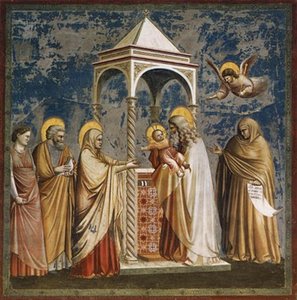
The Weight of Justice: Giotto’s Vision in “Justice”
Giotto di Bondone's "Justice," painted circa 1305, isn’t merely a portrait; it’s a profound meditation on moral order and the very foundations of society. Emerging from his workshop in Padua, this fresco—now meticulously reproduced as a stunning oil painting by OriginalUniqueArt—captures a pivotal moment in art history: the Proto-Renaissance, where Giotto began to dismantle the rigid conventions of Byzantine iconography and embrace a more humanistic, emotionally resonant style. The image depicts a seated woman, embodying Justice herself, rendered with an unprecedented sense of realism and psychological depth that would define the Renaissance aesthetic. She’s not a distant, ethereal figure but a powerfully grounded presence, radiating authority yet imbued with a quiet dignity.
The composition is strikingly formal, echoing the architectural grandeur of the Arena Chapel where it resides. The woman sits within an ornate niche, reminiscent of Gothic architecture, its arches and columns framing her like a sacred space. Below her, a decorative frieze—a series of small sculpted figures—adds layers of symbolic detail, hinting at the consequences of both righteous action and unjust behavior. The careful use of lines – sharp angles defining the architectural elements, flowing curves in the drapery – creates a sense of stability and structure, reflecting the underlying order Giotto sought to convey. The palette is restrained, dominated by earthy tones—ochres, browns, and deep reds—that lend the scene an air of solemnity and gravitas.
A Study in Symbolism
Giotto’s genius lies not just in his technical skill but in his masterful deployment of symbolism. The woman herself is a complex figure, representing Justice as both a legal principle and a moral ideal. Her crown and regal attire signify her authority, while the scales she holds represent the weighing of evidence—the careful consideration required to render true justice. Crucially, Giotto doesn’t depict Justice as an abstract concept; he humanizes her, imbuing her with a palpable sense of empathy and responsibility. The inclusion of figures representing both virtue and vice beneath her throne underscores the ongoing struggle between good and evil that defines the human condition.
The architectural setting is equally laden with meaning. The niche itself can be interpreted as a representation of divine judgment, while the sculpted frieze below serves as a visual reminder of the consequences of actions—rewards for virtue and punishments for vice. Notably, Giotto’s depiction of Justice aligns closely with earlier medieval representations of the concept, but he elevates it through his newfound realism and emotional intensity. The figures are no longer stylized icons; they possess individual characteristics and expressions, inviting viewers to connect with them on a deeper level.
The Proto-Renaissance Breakthrough
“Justice” stands as a cornerstone of Giotto’s revolutionary approach to painting. He moved decisively away from the flattened perspectives and symbolic abstractions of Byzantine art, embracing instead a more naturalistic representation of space and form. This shift is evident in the way he renders the folds of the woman's clothing, the subtle modeling of her face, and the sense of depth created by the architectural setting. Giotto’s innovations—his use of light and shadow to create volume, his attention to anatomical detail, and his ability to convey emotion through gesture—laid the groundwork for the High Renaissance and profoundly influenced generations of artists to come.
The fresco's influence extends beyond its aesthetic qualities; it represents a fundamental shift in artistic philosophy. Giotto sought to capture not just the outward appearance of his subjects but also their inner lives, reflecting a growing interest in human psychology that would characterize the Renaissance. His work signaled a move towards portraying humanity with dignity and complexity—a departure from the more didactic and symbolic approach of medieval art.
Bringing “Justice” Home
Today, OriginalUniqueArt’s meticulously crafted oil reproduction captures the essence of Giotto's masterpiece with breathtaking fidelity. Each brushstroke faithfully recreates the fresco’s rich textures and nuanced colors, allowing you to experience the profound beauty and intellectual depth of this iconic work of art. Whether adorning a grand salon or a smaller study, “Justice” serves as a timeless reminder of the enduring power of art to illuminate our understanding of morality, justice, and the human condition.
- Explore high-quality reproductions at OriginalUniqueArt
Vprašanja in odgovori
Kje se priporoča izpostavljanje v formatu Tall za delo "justice"?
Format Tall dela "justice" avtorja Giotto priporočamo za Living Room. Format in prostor skupaj vodita pri izbiri optimalne postavnitve reprodukcije.
Kakšno paleto barv in kakšen občutek združuje "justice"?
V delu "justice" barvna paleta Neutrals spremlja Reflective občutek.
Kakšen je format dela "justice"?
Format dela "justice" je Tall. To je koristno pri načrtovanju postavitve reprodukcije.
Biografija umetnika
Giotto di Bondone: Prekletnik srednjega veka, začetnik renesanse
V zelenih gričih blizu Firenc se je okoli leta 1267 rodil Giotto di Bondone, slikar in arhitekt, ki bo za vedno spremenil pot evropske umetnosti. Legenda pripoveduje o pastirju, mladeniču z izjemnim talentom za risanje ovc na kamnu, ki je pritegnil pozornost florentinskega mojstra Cimabueja. Ne glede na to, ali je zgodba resnična ali le mit, uteleša bistvo Giottove genialnosti: naravnost in čustvena globina, s katerimi je upodabljal svet okoli sebe. Vzgojen pod mentorstvom Cimabueja, je Giotto hitro presegel svojega učitelja, osvojil tehnične spretnosti, a se od njega ločil z lastno vizijo. Prevladujoči bizantinski slog tiste dobe je preferiral stilizirane figure, sploščene perspektive in bogate pozlate – simboli duhovnega nadnosa, ne pa zemeljskega prikazovanja. Giotto pa si je želel upodabljati človeštvo kot posameznike, prežete s čustvi, ki živijo v opazni resničnosti.
Njegova umetniška revolucija ni bila nagel preobrat, temveč postopna evolucija. Že zgodnja dela so napovedovala spremembo, pokazala poudarek na prostornosti, teži in verodostojni anatomiji. Začel je opazovati svetlobo in senco ne le kot okrasne elemente, temveč tudi kot orodja za kiparjenje forme in ustvarjanje globine. Ta začetna naravnost je očitna v njegovih prispevkih k freskam v zgornji baziliki sv. Frančiška v Assisiju – čeprav avstorstvo posameznih prizorov še vedno sproža debate, mnogi strokovnjaki prepoznavajo Giottovo roko v delih, ki se odmikajo od prevladujoče bizantinske estetike. Ni le zavračal tradicije; temveč je na njo gradil, v ustaljene oblike vdihoval novo človeško in čustveno resonanco.
Scrovegni Chapel: Mojstrovina pripovedovanja zgodb
Giotttovo mojstrstvo, ki velja za eno najpomembnejših del v zahodni umetnosti, je cikel fresk, ki krasijo Scrovegnijevo kapelo (znano tudi kot Arena Chapel) v Padovi. Zaključen okoli leta 1305, ta dih jemajoč prikaz življenja Kristusa in Device Marije s revolucionarno stopnjo realizma in čustvene intenzivnosti. Vsak prizor se odvija kot skrbno postavljen drama, naseljena z liki, ki niso le predstavniki verskih arhetipov, temveč popolnoma razviti ljudje, ki doživljajo veselje, žalost, strah in upanje. *Zadnje sodbe*, ki prevladuje nad celo steno, je močan dokaz Giottove spretnosti pri prikazovanju božanske veličine in surove ranljivosti človeštva pred končnim obračunom. Uporaba perspektive, čeprav ne matematično natančna po poznejših renesančnih standardih, ustvarja prepričljivo iluzijo globine, ki potegne gledalca v zgodbo. Liki so zasidrani, njihove telesa imajo težo in volumen, izraze pa razkrivajo paleto čustev, ki je bila prej neznana v verski umetnosti.
Arhitektura in trajna dediščina
Giotttov talent se ni omejeval na slikanje; bil je tudi cenjen arhitekt. Leta 1334 je bil naročen, da zasnuje zvonik Firenške stolnice, projekt, ki je pokazal njegov inovativni pristop k arhitekturni formi. Čeprav je umrl pred dokončanjem projekta, so njegove zasnove postavile temelj za to ikonično florentinsko znamenitost. Njegov vpliv na prihodnje generacije umetnikov je neizmeren. Premoščal je razkorak med srednjim vekom in renesanso, utrla pot mojstrom, kot so Masaccio, Leonardo da Vinci in Michelangelo. Vasari, v svoji znameniti knjigi *Življenja umetnikov*, je priznal Giotta za tistega, ki je slikarstvu "dal veliko umetnost dela iz narave", kar je pričevanje o njegovem globokem vplivu na potek zahodne umetnosti. Giotto ni le upodabljal sveta; želel ga je razumeti, ujeti njegovo bistvo in to razumevanje prenesti s pomočjo moči vizualnega pripovedovanja zgodb. Njegova dediščina še stoletja po smrti navdihuje občudovanje in spoštovanje, kar utrjuje njegovo mesto med največjimi umetniškimi inovatorji v zgodovini.
Ključni dosežki in trajni vpliv
- Revolucioniral slikanje: Odstopil od bizantinskega stiliziranja k naravnosti in čustveni realističnosti.
- Pionir perspektive: Uvedel tehnike za ustvarjanje globine in prostorske ozaveščnosti v slikah.
- Mojstrovina pripovedovanja zgodb: Ustvaril prepričljive zgodbe s ciklusi fresk, kot je Scrovegni Chapel.
- Arhitekturni prispevki: Zasnoval zvonik Firenške stolnice, kar dokazuje arhitekturno spretnost.
- Temelj renesančne umetnosti: Njegovo delo je položilo osnove za umetniška dosežke obdobja renesanse.

Giotto
1267 - 1337 , Italija
Ključne informacije
- Datum Rojstva: c. 1267
- Kraj Rojstva (Mesto In Država): Firence, Italija
- Nacionalnost: Italijan
- Polno Ime: Giotto di Bondone
- Umetniki Ali Gibanja, Ki So Bili Pod Njegovim Vplivom:
- Masaccio
- Renesančna umetnost
- Umetniki, Ki So Vplivali Na Njega: ['Cimabue']
- Umetniški Slog/Gibanje: Proto-renesančna umetnost
- Znani Dela:
- Scrovegni Chapel
- Ognissanti Madonna
- Campanile
Sorodni članki
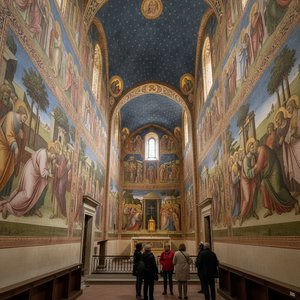
The Proto-Renaissance Revolution: How Giotto Shattered the Mold to Create Modern Visual Impact
Discover how the Proto-Renaissance shattered artistic norms. Explore Giotto’s revolutionary shift from flat Byzantine icons to raw human emotion and naturalism—the true origin of modern visual impact and storytelling in art history.

Gothic Vibes: From Dark Shadows to Bold Modern Edge | The Ultimate Trend Forecast
Explore the evolution of Gothic vibes, from historical shadows to bold modern edge. Discover how dark aesthetics, noir interiors, and contemporary subcultures are redefining modern design through a high-impact, trend-focused lens.
Proto-Renaissance Masters: 10 Artworks That Changed History | OriginalUniqueArt
Journey back to the dawn of Renaissance art! Explore 10 iconic Proto-Renaissance masterpieces by Giotto, Cimabue & Duccio. Discover their stories, techniques & lasting impact. Find museum-quality reproductions for your home at OriginalUniqueArt.com
Giotto di Bondone: 25 Remek del, ki so spremenile svet umetnosti | OriginalUniqueArt
Odkrijte 25 remek del Giotta di Bondone! Freske, zgodovina umetnosti, renesansa. Kupite reprodukcije slik vrhunske kakovosti za vaš dom na OriginalUniqueArt.com. Navdihnite se in preoblikujte prostor z italijansko umetnostjo.
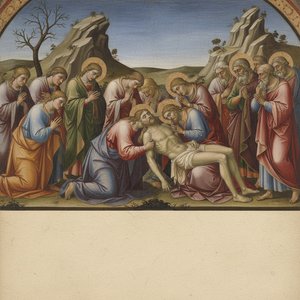
Giotto di Bondone: Revolutionizing Late Medieval Painting through Narrative Innovation
Explore the revolutionary art of Giotto di Bondone! Discover his groundbreaking techniques, iconic frescoes like those in the Arena Chapel, and lasting impact on Renaissance painting. A deep dive for art enthusiasts.




![Scrovegni - [05] - Joakimov san](/media/artworks/images-thumb/8f/67/8f67bb5da87296bd452b3f0b237b528d.jpg)


