

 Preverite v realnem okolju
 Pošlji kot čestitko
 Deli
Deli
 Podrobnosti
 Priročnik

 Prenesi
 Podobni artefakti
 Rentgenski posnetek
 Predvajaj diaporama
 Statistika
Inconstancy
 Proto-Renaissance
 1306
1306 120.0 x 55.0 cm
 Preberi več
Ročno izdelana oljna reprodukcija
Ročno slikano olje na platnu v vaši izbiri velikosti in okvirja, izdelano po naročilu naših umetnikov. ( Preklop na tiskanine Preklop na digitalno sliko)




P118B €10

P118H €10

P118W €10

P438Z €10

P508JH €12

P508YH €12

P805H €10

P805Z €10

P919BZ €10

P919G €10

P919XJ €10

P959ZH €10

P968JZ €12

W106C €8

W218G €10

W218JH €8

W218Y €10

W307PJ €10

W316G €10

W316PJ €8

W316Y €10

W398PJ €8

W4111J €10

W500HY €15

W500JH €15

W692G €12

W849H €8

W940BG €15

W953PJ €8




Izberite eno od naših vnaprej določenih velikosti, ki ustrezajo prvotnim proporcijam umetničkega dela.

Vnesite širino in višino, ki jih potrebujete, da se slika prilega vašemu okviru ali steni. Ker je delo ročno slikano, lahko umetnik pri različnih oblikih slik pri robovih doda malo več barve ali pa jih malo odreže — izberite sami. Pred začetkom slikanja vam pošljemo digitalni predogled za potrditev. Slika, prikazana na tej strani, ni končni rezultat — le predogled prikazuje dejansko podobo.
Po oddaji naročila bo ekipa OriginalUniqueArt.com stranki po e-pošti poslala navodila in predogled digitalnega predogleda.
Mednarodna dostava () v 3/4 tednih namesto običajnih 5 tednov. (21 oktober). Brez kompromisov pri kakovosti.

Brezplačna ekspresna dostava po vsem svetu

Visokokakovostno laneno platno

Popolno zavarovanje pošiljke

Garancija povračila carine in uvoznih davkov

Garancija popolnega barvnega ujemanja

Politika vračila v 100 dneh (le v primeru okvar)

Garancija 100% povračila denarja

Popust pri večjem naročilu
 Možnost stekla je na voljo le za velikosti pod 110 cm

Inconstancy
Tehnika reprodukcije
Velikost reprodukcije
-


Skupna cena
€ 262
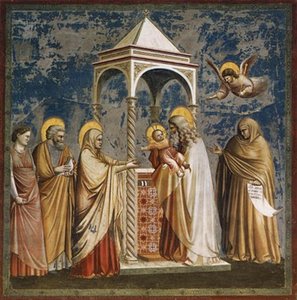
The Weight of Transient Beauty: Giotto’s “Inconstancy”
Giotto di Bondone's "Inconstancy," painted in 1306, isn’t merely a depiction of a woman reaching towards the heavens; it’s a profound meditation on the fleeting nature of earthly desires and the inherent instability of human emotion. This fresco, housed within the evocative Scrovegni Chapel in Padua, Italy – a space itself steeped in religious significance – represents a pivotal moment in art history: Giotto's decisive break from the rigid conventions of Byzantine painting and his courageous step toward a more naturalistic and emotionally resonant style. The work’s power lies not just in its technical brilliance but also in its ability to resonate with viewers across centuries, prompting reflection on our own experiences of longing and loss.
The central figure, draped in flowing white garments that seem to ripple with an unseen current, embodies this very concept of “Inconstancy.” Her arms are outstretched, not in supplication or triumph, but in a gesture of desperate yearning – as if she’s grasping for something just beyond her reach. The red background, a bold and dramatic choice for the time, serves to heighten the sense of urgency and instability. It's a color often associated with passion, danger, and even sacrifice, mirroring the volatile emotions at play within the scene. Notice how Giotto masterfully uses chiaroscuro – the interplay of light and shadow – to sculpt the figure’s form, lending her an almost ethereal quality while simultaneously emphasizing her vulnerability.
Proto-Renaissance Realism and Emotional Depth
Giotto's genius lay in his ability to infuse his figures with a palpable sense of humanity. Unlike the stylized, flattened forms characteristic of Byzantine art, Giotto’s figures possess volume, weight, and a remarkable degree of realism. He achieves this through careful observation of anatomy, subtle shifts in pose, and an innovative use of perspective – techniques that would become hallmarks of the Renaissance. “Inconstancy” is a prime example of this shift; the woman's posture isn’t rigidly posed but conveys a sense of movement, struggle, and profound emotional intensity.
The surrounding figures—a man on the left and two others to the right—add layers of complexity to the scene. They aren’t presented as active participants but rather as witnesses to this woman's yearning, their expressions hinting at a shared understanding of the ephemeral nature of desire. This compositional choice suggests that inconstancy isn’t an isolated experience but a universal human condition, one that touches us all.
Symbolism and Allegory
The fresco is deeply allegorical, representing not just the vice of “Inconstancy” but also broader themes of love, loss, and the passage of time. The outstretched arms symbolize the reaching for unattainable ideals – a common motif in medieval art reflecting the tension between earthly desires and spiritual aspirations. The very act of reaching implies a failure, a recognition that fulfillment is often elusive. Some scholars interpret the red background as representing the blood shed in pursuit of these fleeting passions, further emphasizing the cost associated with such pursuits.
Giotto’s deliberate use of color and composition reinforces this symbolic message. The white of the woman's clothing represents purity and innocence, while the red backdrop symbolizes passion and its potential for destruction. The overall effect is a powerful visual metaphor that invites viewers to contemplate the complexities of human emotion and the bittersweet nature of existence.
A Timeless Masterpiece – Reproduced with Care
OriginalUniqueArt offers meticulously crafted hand-painted reproductions of Giotto’s “Inconstancy,” capturing the essence of this extraordinary work in stunning detail. We employ traditional fresco techniques, using archival-quality pigments and canvas to faithfully recreate Giotto's original vision. Each reproduction is a testament to our commitment to preserving artistic heritage while providing collectors with exquisite works of art for their homes or offices. The size 120 x 55 cm version offers an intimate scale, perfect for contemplation, while larger formats allow the full impact of Giotto’s masterful composition to be appreciated. Bring this poignant and timeless masterpiece into your space – a reminder of the beauty and fragility of human experience.
Vprašanja in odgovori
Ali lahko "Inconstancy" ogledam kot diaporama v celotnem zaslonu?
Na voljo je diaporama: stran Diaporama za delo "Inconstancy" avtorja Giotto.
V katero obdobje kariere Giotto pripada delo "Inconstancy" (1306)?
"Inconstancy", ustvarjeno leta 1306, pripada Proto-Renaissance v karieri umetnika Giotto.
Kje lahko najdem umetniška dela, podobna delu "Inconstancy" avtorja Giotto?
Stran Podobna dela za delo "Inconstancy" avtorja Giotto prikazuje sorodna umetniška dela.
Biografija umetnika
Giotto di Bondone: Prekletnik srednjega veka, začetnik renesanse
V zelenih gričih blizu Firenc se je okoli leta 1267 rodil Giotto di Bondone, slikar in arhitekt, ki bo za vedno spremenil pot evropske umetnosti. Legenda pripoveduje o pastirju, mladeniču z izjemnim talentom za risanje ovc na kamnu, ki je pritegnil pozornost florentinskega mojstra Cimabueja. Ne glede na to, ali je zgodba resnična ali le mit, uteleša bistvo Giottove genialnosti: naravnost in čustvena globina, s katerimi je upodabljal svet okoli sebe. Vzgojen pod mentorstvom Cimabueja, je Giotto hitro presegel svojega učitelja, osvojil tehnične spretnosti, a se od njega ločil z lastno vizijo. Prevladujoči bizantinski slog tiste dobe je preferiral stilizirane figure, sploščene perspektive in bogate pozlate – simboli duhovnega nadnosa, ne pa zemeljskega prikazovanja. Giotto pa si je želel upodabljati človeštvo kot posameznike, prežete s čustvi, ki živijo v opazni resničnosti.
Njegova umetniška revolucija ni bila nagel preobrat, temveč postopna evolucija. Že zgodnja dela so napovedovala spremembo, pokazala poudarek na prostornosti, teži in verodostojni anatomiji. Začel je opazovati svetlobo in senco ne le kot okrasne elemente, temveč tudi kot orodja za kiparjenje forme in ustvarjanje globine. Ta začetna naravnost je očitna v njegovih prispevkih k freskam v zgornji baziliki sv. Frančiška v Assisiju – čeprav avstorstvo posameznih prizorov še vedno sproža debate, mnogi strokovnjaki prepoznavajo Giottovo roko v delih, ki se odmikajo od prevladujoče bizantinske estetike. Ni le zavračal tradicije; temveč je na njo gradil, v ustaljene oblike vdihoval novo človeško in čustveno resonanco.
Scrovegni Chapel: Mojstrovina pripovedovanja zgodb
Giotttovo mojstrstvo, ki velja za eno najpomembnejših del v zahodni umetnosti, je cikel fresk, ki krasijo Scrovegnijevo kapelo (znano tudi kot Arena Chapel) v Padovi. Zaključen okoli leta 1305, ta dih jemajoč prikaz življenja Kristusa in Device Marije s revolucionarno stopnjo realizma in čustvene intenzivnosti. Vsak prizor se odvija kot skrbno postavljen drama, naseljena z liki, ki niso le predstavniki verskih arhetipov, temveč popolnoma razviti ljudje, ki doživljajo veselje, žalost, strah in upanje. *Zadnje sodbe*, ki prevladuje nad celo steno, je močan dokaz Giottove spretnosti pri prikazovanju božanske veličine in surove ranljivosti človeštva pred končnim obračunom. Uporaba perspektive, čeprav ne matematično natančna po poznejših renesančnih standardih, ustvarja prepričljivo iluzijo globine, ki potegne gledalca v zgodbo. Liki so zasidrani, njihove telesa imajo težo in volumen, izraze pa razkrivajo paleto čustev, ki je bila prej neznana v verski umetnosti.
Arhitektura in trajna dediščina
Giotttov talent se ni omejeval na slikanje; bil je tudi cenjen arhitekt. Leta 1334 je bil naročen, da zasnuje zvonik Firenške stolnice, projekt, ki je pokazal njegov inovativni pristop k arhitekturni formi. Čeprav je umrl pred dokončanjem projekta, so njegove zasnove postavile temelj za to ikonično florentinsko znamenitost. Njegov vpliv na prihodnje generacije umetnikov je neizmeren. Premoščal je razkorak med srednjim vekom in renesanso, utrla pot mojstrom, kot so Masaccio, Leonardo da Vinci in Michelangelo. Vasari, v svoji znameniti knjigi *Življenja umetnikov*, je priznal Giotta za tistega, ki je slikarstvu "dal veliko umetnost dela iz narave", kar je pričevanje o njegovem globokem vplivu na potek zahodne umetnosti. Giotto ni le upodabljal sveta; želel ga je razumeti, ujeti njegovo bistvo in to razumevanje prenesti s pomočjo moči vizualnega pripovedovanja zgodb. Njegova dediščina še stoletja po smrti navdihuje občudovanje in spoštovanje, kar utrjuje njegovo mesto med največjimi umetniškimi inovatorji v zgodovini.
Ključni dosežki in trajni vpliv
- Revolucioniral slikanje: Odstopil od bizantinskega stiliziranja k naravnosti in čustveni realističnosti.
- Pionir perspektive: Uvedel tehnike za ustvarjanje globine in prostorske ozaveščnosti v slikah.
- Mojstrovina pripovedovanja zgodb: Ustvaril prepričljive zgodbe s ciklusi fresk, kot je Scrovegni Chapel.
- Arhitekturni prispevki: Zasnoval zvonik Firenške stolnice, kar dokazuje arhitekturno spretnost.
- Temelj renesančne umetnosti: Njegovo delo je položilo osnove za umetniška dosežke obdobja renesanse.

Giotto
1267 - 1337 , Italija
Ključne informacije
- Datum Rojstva: c. 1267
- Kraj Rojstva (Mesto In Država): Firence, Italija
- Nacionalnost: Italijan
- Polno Ime: Giotto di Bondone
- Umetniki Ali Gibanja, Ki So Bili Pod Njegovim Vplivom:
- Masaccio
- Renesančna umetnost
- Umetniki, Ki So Vplivali Na Njega: ['Cimabue']
- Umetniški Slog/Gibanje: Proto-renesančna umetnost
- Znani Dela:
- Scrovegni Chapel
- Ognissanti Madonna
- Campanile
Sorodni članki

OriginalUniqueArt.com F.A.Q.: Elevating Interiors with Bespoke Wall Murals & Masterpiece Frescoes
Discover the pinnacle of bespoke interior transformation with OriginalUniqueArt.com. Our master fresco artists create exquisite, hand-painted wall murals and ceiling masterpieces tailored to your estate. Elevate your architectural space with timeless, museum-quality artistry.




![Scrovegni - [05] - Joakimov san](/media/artworks/images-thumb/8f/67/8f67bb5da87296bd452b3f0b237b528d.jpg)


