Northern Renaissance · 1598
Forest Landscape (Gillis Van Coninxloo, 1598)
Gillis Van Coninxloo (1544–1607) je izdelal Forest Landscape. Zajema obdobje iz leta 1598. Spada v smer Northern Renaissance. Izdelano je iz Oil On Panel. Del se nahaja v muzeju Liechtenstein Museum v mestu Benetignano, Avstrija. Dimenzije so 42 × 61 cm.
- 1598
- Oil On Panel
- 42 × 61 cm
- Liechtenstein Museum, Benetignano

 Predogled v realnem okolju

 Ročno izdelano oljno slikarstvo
 Pošlji
 Deli
 Informacijski list


 Prenesi sliko
 Podobni izdelki
 Rentgenski posnetek
 Predvajaj diaporama
 Vprašanja in odgovori

 Statistika
Forest Landscape, na kratek
- Naslov
- Forest Landscape
- Avtor
- Gillis Van Coninxloo (1544–1607)
- Umetnik, rojen v
- Antwerpen, Belgija
- Datum
- 1598
- Tehnika
- Oil On Panel
- Dimenzije
- 42 × 61 cm
- Kje je videti
- Liechtenstein Museum, Benetignano, Avstrija
- Gibanje
- Northern Renaissance
- Obdobje
- Early Modern
- Tema
- forest landscape, dark woods, path, village view, atmospheric, tranquility
Kaj prikazuje Forest Landscape?
Identification of the Forest Landscape Artwork
The artwork titled Forest Landscape is a painting by the Flemish artist Gillis Van Coninxloo. Executed in 1598, this work is an oil on panel. The physical dimensions of the piece are 42 x 61 cm. It is currently held within the Liechtenstein Museum in Vienna, Austria.
This specific composition depicts a dense woodland environment. The scene features a winding path that leads into a thicket of trees. The foliage consists of various shades of green, while the trunks and branches create a heavy canopy overhead. In the background, a small village is visible through the gaps in the trees, providing a sense of distance within the forest setting.
The subject matter focuses on the natural world, specifically the textures of bark, leaves, and moss. A single, small human figure is positioned beneath a tree within the landscape. The composition utilizes a dark palette of browns, greens, and ochres to define the wooded area. Light filters through the upper branches, creating a contrast between the shadowed recesses of the undergrowth and the illuminated patches of the clearing.
Composition and Visual Elements
The composition is largely symmetrical, organized around a winding path that leads the eye toward the center of the image. This path cuts through a dense woodland, where the trunks and branches of trees intertwine to form a thick canopy overhead. Only a few small patches of sky are visible through the gaps in the foliage. Within this enclosed space, a single tiny human figure reclines beneath a tree, positioned near the center of the scene. The scale of the trees and the surrounding undergrowth dwarfs the figure, emphasizing the vastness of the natural environment.
Color is concentrated in the various hues of green found in the leaves and the mossy textures of the forest floor. These greens contrast with the dark browns and ochres of the tree trunks and the earth. In the background, a small village is visible through the trees, providing a sense of distance and depth. The lighting creates a chiaroscuro effect, with strong contrasts between the deep shadows of the thickets and the light that filters through the canopy onto the path and the reclining figure.
Technique and Artistic Style
The artist utilized oil on panel to establish a sense of depth and a tangible texture across the surface. The application of paint likely involves multiple layers and glazing, a method used to achieve a specific luminosity within the darker sections of the composition. This technique allows light to appear as though it is filtering through the canopy, creating a chiaroscuro effect through the deliberate placement of light and shadow. The resulting atmosphere is defined by a palette of dark colors and a high degree of intricate detail.
The composition is built upon a dense arrangement of ancient oaks and thick undergrowth. There is a clear priority placed on the textural richness of the natural elements, specifically the bark of the trees, the individual leaves, and the presence of moss. These organic forms are rendered with meticulous care, contributing to the overall density of the woodland scene. The interplay of light and shadow defines the verticality of the trunks and the irregular shapes of the foliage, emphasizing the physical presence of the forest environment.
Artistic Influence and Legacy
Gillis Van Coninxloo occupied a central position in the evolution of Northern landscape art. His technical approach functioned as a bridge between the intricate traditions of Mannerism and the atmospheric depth characteristic of the early Baroque. Through his development of the forest landscape, he moved away from panoramic vistas toward intimate, enclosed woodland scenes. This shift prioritized the textural details of bark, leaves, and moss, often submerging small human figures within an expansive, detailed natural environment.
The influence of his method extended to several prominent painters of the period. Jan Brueghel the Elder and Pieter Schoubroeck were among those affected by his stylistic developments. His approach to dense, immersive woodland compositions also impacted the work of Roeland Savery and various other Flemish and Dutch landscape painters. This specific work, created about 1598, represents his technical skill and craftsmanship in rendering the natural world.
V katerem muzeju se nahaja Forest Landscape?
Liechtenstein Museum
Benetignano, Avstrija
A Jewel of Viennese Baroque Splendor Nestled within the heart of Vienna’s historic Ringstraße, the Liechtenstein Museum resides in a setting that is as much a masterpiece as the treasures it protects. Housed in the magnificent Palais Liechtenstein, the museum offers an immersive journey into the soul of aristocratic elegance and the profound legacy of the House of Liechtenstein. As visitors approach the palatial structure, they are greeted by the architectural grandeur of a bygone era, where every gilded cornice and sweeping staircase whispers tales of imperial prestige.


Visokoresolucijske slike dela Forest Landscape

Javna lastnina: umetnik je umrl leta 1607.
Druge velikosti, izrezave in citiranje →Gillis Van Coninxloo, Forest Landscape (1598), Liechtenstein Museum. Javna lastnina
Odgovori na vprašanja o Forest Landscape
Kje je danes razstavljeno "Forest Landscape" avtorja Gillis Van Coninxloo?
Del "Forest Landscape" avtorja Gillis Van Coninxloo je razstavljen v muzeju Liechtenstein Museum, Benetignano, Avstrija. Navedba muzeja se nanaša na originalno delo, ne pa na reprodukcije.
Kateri je datum nastanka dela "Forest Landscape" avtorja Gillis Van Coninxloo?
"Forest Landscape" avtorja Gillis Van Coninxloo je nastalo leta 1598.
S katero tehniko je bila izdelana skladba "Forest Landscape" avtorja Gillis Van Coninxloo?
Gillis Van Coninxloo je za delo "Forest Landscape" uporabil/a tehniko Oil On Panel. Ta tehnika opredeljuje materialno naravo izvirnega dela.
Kakšna je dejanska velikost dela "Forest Landscape" avtorja Gillis Van Coninxloo?
Originalne dimenzije dela "Forest Landscape" znašajo 42 x 61 cm. Prvotne mere so koristna referenca pri izbiri velikosti reprodukcije.
Kaj predstavlja "Forest Landscape"?
Motivi dela "Forest Landscape" so forest landscape, dark woods, path, village view, atmospheric, tranquility, nature scene, 16th century.
Ali je "Forest Landscape" v javni domeni?
V zvezi z avtorskimi pravicami je "Forest Landscape" v v javni domeni – avtorska pravica je zastarela.
Kdo je ustvaril "Forest Landscape"?
Delo "Forest Landscape" je ustvaril Gillis Van Coninxloo. Informacije na tej strani opisujejo izvirno delo umetnika Gillis Van Coninxloo.
Kateri umetniški slog pripada "Forest Landscape"?
"Forest Landscape" je del umetniškega sloga Northern Renaissance, ki predstavlja umetniško tradicijo, v katero je delo vključeno.
V katero obdobje umetnostnega razvoja Gillis Van Coninxloo pripada delo "Forest Landscape"?
V okviru kariere umetnika Gillis Van Coninxloo delo "Forest Landscape" pripada obdobju Late 16th Century, kar omogoča primerjavo z ostalimi umetnikovimi deli.
O umetniku, Gillis Van Coninxloo
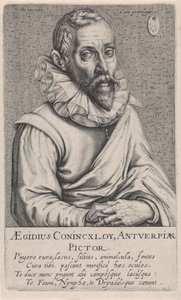
1544–1607, Belgija
Gillis Van Coninxloo
G master zelenega kraljestva Gillis Van Coninxloo stoji kot ključna figura v evoluciji severne slikovnostne umetnosti, saj služi kot vitalni most med zapletenimi manierističnimi tradicijami in razvijajočo se atmosferno globino early baroka. Born v mestu Antwerp, v Belgiji, je bilo njegovo življenje tesno prepleteno z bogato umetniško dediščino Nizozemske. Kot sin slikarja je bil potopljen v svet, kjer sta bila vrhunsko znanje in opazovanje narave ključna. Njegova zgodnja izobrazba pod mojmi, kot so Pieter Coecke van Aelst mlajši in Lenaert Kroes, mu je zagotovila strogo podlago, vendar je bil prav čas dela v delavnici Gillis Mostaert tisti, ki je njegov talent resnično dopustil cvetoči, mu omogočilo prispevanje k profesionalnim delom, medtem ko je izpilščal svojo edinstveno vizijo.
O Gillis Van Coninxloo Znomena dela umetnika Gillis Van Coninxloo
Tudi dela avtorja Gillis Van Coninxloo
 Jonah Preaching to the Ninevites1583
 Woodland with Saint Jerome1583
 Landscape with the judgment of Midas1598
 Landscape with the Judgement of Paris1610
Eseji o delu Forest Landscape
 French Barbizon paintersMasterpieces by Théodore Rousseau and Daubigny define the Barbizon School. Explore the full collection online at OriginalUniqueArt.com.
 Enchanted Woodlands: 10 Masterpieces That Capture the Magic of the ForestExplore iconic forest art by Shishkin, Klimt, and Van Gogh. Discover museum-quality masterpieces on OriginalUniqueArt.com.
 Mastering the Horizon: An Art Historian’s Guide to the World's Most Iconic Landscape PaintingsExplore the profound history of landscape painting with our expert guide. From Impressionist light to Chinese traditions, discover the tech…