

 Predogled v realnem okolju
 Pošlji
 Deli
Deli
 Podrobnosti o delu
 Priročnik

 Prenesi sliko
 Podobni izdelki
 Rentgenski posnetek
 Predvajaj diaporama
 Q&A
Q&A Statistika
The Extraction of Tooth
 Oil On Canvas
- WallArt
- Baroque realism
 1630
1630- Early Modern
 32.0 x 26.0 cm
 Louvre
 Preberi več
Giclée tisk / Umetniški tisk
Giclée ali platnati odtis muzejske kakovosti z hitro proizvodnjo in prilagodljivimi možnostmi končne obdelave. ( Kupite ročno slikano delo Preklop na digitalno sliko)




P118B €10

P118H €10

P118W €10

P438Z €10

P508JH €12

P508YH €12

P805H €10

P805Z €10

P919BZ €10

P919G €10

P919XJ €10

P959ZH €10

P968JZ €12

W106C €8

W218G €10

W218JH €8

W218Y €10

W307PJ €10

W316G €10

W316PJ €8

W316Y €10

W398PJ €8

W4111J €10

W500HY €15

W500JH €15

W692G €12

W849H €8

W940BG €15

W953PJ €8




Izberite eno od naših vnaprej določenih velikosti, ki ustrezajo prvotnim proporcijam umetničkega dela.

Vnesite širino in višino, ki jih potrebujete za svoj okvir ali steno. Tiskanje se lahko le odreže, vendar ga ni mogoče narediti večjega od slike, zato format z drugačno obliko pomeni izgubo dela slike. Pred tiskanjem vam pošljemo digitalni predogled za potrditev. Slika, prikazana na tej strani, ne prikazuje dejanskega izrezka — le predogled to omogoča.
Globalna dostava () v 2 tednih namesto standardnih 4/5 tednov. (30 oktober)

Brezplačna ekspresna dostava po vsem svetu

Visokokakovostno laneno platno

Popolno zavarovanje pošiljke

Garancija povračila carine in uvoznih davkov

Garancija popolnega barvnega ujemanja

100-dnevna politika vračil (le v primeru okvar)

Garancija 100% povračila denarja

Popust pri večjem naročilu
 Možnost stekla je na voljo le za velikosti pod 110 cm

The Extraction of Tooth
Giclée tisk / Umetniški tisk
Velikost reprodukcije
-


Skupna cena
€ 71
A Masterpiece of Meticulous Realism
In the quiet, shadowed corners of the Dutch Golden Age, few artists captured the visceral intimacy of human experience quite like Gerrit Dou. His work, “The Extraction of Tooth,” painted circa 1630, serves as a profound window into a bygone era, where the boundaries between science, art, and daily struggle were inextricably linked. This captivating genre scene does not merely depict a medical procedure; it invites the viewer into a heavy, atmospheric moment of tension and vulnerability. As we gaze upon the scene, we find ourselves transported to a dimly lit workshop or apothecary, where the air feels thick with the scent of medicinal herbs and the palpable anxiety of the patient. It is a work that demands attention, not through grand scale, but through an almost supernatural level of detail that rewards the most discerning eye.
The composition is a masterclass in chiaroscuro, the dramatic interplay of light and shadow that defines the Baroque spirit. Dou utilizes a singular, flickering light source—perhaps a nearby candle—to sculpt the figures out of the darkness. This technique does more than provide visibility; it creates an illusionistic depth that pulls the observer into the immediate proximity of the surgeon’s instruments. One can almost feel the coldness of the forceps and the weight of the apothecary jars scattered across the surfaces. The light dances across glass vials and metallic tools, catching on the edges of a skull that rests ominously in the background, serving as both an anatomical reference and a memento mori—a poignant reminder of our shared mortality.
The Art of the Fijnschilder
To understand the allure of this piece for a modern collector or interior designer, one must appreciate the technical virtuosity of the Leiden fijnschilders, or "fine painters," of which Dou was a leading luminary. His approach was one of extreme patience and precision, involving the painstaking layering of translucent glazes to build up textures that feel almost tactile. In “The Extraction of Tooth,” this technique is evident in the way Dou renders the various surfaces: the smooth, reflective sheen of glass bottles, the rugged texture of the wooden furniture, and the soft, weathered skin of the man in the chair. For those seeking to adorn a space with art, such a reproduction offers more than mere decoration; it provides a focal point of immense complexity and intellectual depth.
Beyond the technical brilliance, the painting resonates emotionally through its storytelling. There is a profound sense of drama in the stillness—the way the patient’s mouth is held open, the focused intensity of the practitioner, and the cluttered environment that suggests a life lived amidst the tools of a trade. It captures a moment of transition, both physical and psychological. For an interior designer, this artwork acts as a sophisticated anchor, bringing a sense of historical gravity and narrative richness to a room. Whether placed in a study filled with books or a contemporary gallery-style living space, Dou’s mastery of light and shadow provides an enduring elegance that transcends the centuries, making it a timeless acquisition for any serious connoisseur of the Dutch Baroque.
Vprašanja in odgovori
Za kakšno umetniško delo velja "The Extraction of Tooth"?
"The Extraction of Tooth" is a WallArt piece.
Ali je "The Extraction of Tooth" v celotnosti bolj svetel ali bolj temen?
Zabeležene vrednosti za "The Extraction of Tooth" avtorja Gerard Dou so: svetlina deep_shadow, luminanca Dark.
Kako se v delu "The Extraction of Tooth" avtorja Gerard Dou prepletata umetniška smer in dobo?
"The Extraction of Tooth" avtorja Gerard Dou uvrščamo v smer Baroque realism, v obdobje zgodnje moderno obdobje svojega ustvarjalca.
Biografija umetnika
Življenje in zgodnji razvoj Gerrit Doua
Gerrit Dou, rojen 7. aprila 1613 v Leednu na Nizozemskem, je bil eden najpomembnejših predstavnikov nizozemske zlate dobe slikarstva. Njegovo polno ime je bilo Gerardt Dou, vendar ga poznamo predvsem kot Gerrit Dou. Že od zgodnje mladosti se je izkazal za izjemno nadarjenega risarja in slikarja. Sprva je bil učenec pri Abrahamu van Dijku, a je kmalu prešel v delavnico Rembrandta van Rijn-a, kjer je pridobil dragoceno znanje o svetlobi, senci in psihološki globini portretov. Čeprav je Rembrandt na Doua močno vplival, se je že kmalu odznačil z lastnim prefinjenim slogom, ki ga je kasneje imenovali *fijnschilder* – finoslikarstvo. Ta smer slikarstva je poudarjala izjemno natančnost pri prikazovanju detajlov in tekstur, ter uporabo subtilnih svetlobnih efektov. Dou se ni nikoli poročil in je vse življenje ostal zvest Leednu, kjer je ustvarjal in poučeval številne učencev. Umrl je 9. februarja 1675, pustivši za sabo bogato zapuščino slikarskih mojstrovin.Slog in značilnosti Douovega slikarstva
Douov slog se izjemno razlikuje od večine njegovih sodobnikov. Medtem ko so mnogi nizozemski slikarji raje upodabljali monumentalne prizore ali dramatične kompozicije, se je Gerrit osredotočil na intimne notranjosti in vsakodnevna življenja meščanov. Njegove slike so majhne, natančno izvedene in polne skritih simbolov. Posebno pozornost je posvečal prikazu svetlobe, predvsem svečnega plamena, ki ustvarja tople, intimne atmosfere in poudarja teksturo predmetov. Njegova tehnika *fijnschilder* mu je omogočila izjemno realističen prikaz materialov – lesa, tkanin, kovine, usnja – kar daje njegovim delom poseben čar. Pogosto so njegove slike videti kot drobne miniature, polne skritih detajlov in subtilnih odtenkov. Njegova dela niso le vizualno privlačna, ampak tudi intelektualno stimulativna, saj zahtevajo pozorno opazovanje in interpretacijo.Pomembnejša dela in zapuščina
Med Douove najbolj znane slike spadajo *Astronom s svečo* (The Astronomer by Candlelight), ki je izjemno dober primer njegovega mojstrstva prikaza svetlobe, ter številne upodobitve notranjih prostorov z meščani v vsakodnevnih opravilih. Njegova dela so bila zelo cenjena že med njegovim življenjem in so se hitro razširila po Nizozemskem in drugod po Evropi. Dou je imel številne učencev, med katerimi sta najbolj znana Frans van Mieris starejši in Gabriel Metsu, ki sta nadaljevala njegovo tradicijo *fijnschilder* slikarstva. Njegov vpliv se čuti tudi pri delih drugih nizozemskih slikarjev 17. stoletja. Douova dela so danes razstavljena v številnih pomembnih muzejih po svetu, med drugim v Leidenski zbirki v New Yorku in Mauritshuisu v Haagu.Vplivi in razvoj umetniškega sloga
Čeprav je bil Rembrandt njegov prvi in najpomembnejši učitelj, se je Dou kmalu odznačil z lastnim edinstvenim slogom. Medtem ko je Rembrandt iskal dramatične svetlobne efekte v velikih kompozicijah, se je Gerrit osredotočil na intimnost in natančnost pri majhnih slikah. Poleg Rembrandta ga je navdihnila tudi dela drugih nizozemskih slikarjev 17. stoletja, kot sta Jan van Steen in Pieter de Hooch, ki so upodabljali vsakodnevno življenje meščanov. Vendar pa se je Dou od njih razlikoval po izjemni natančnosti prikaza detajlov in subtilnosti svetlobnih efektov. Njegova dela so tudi polna skritih simbolov in alegorij, ki zahtevajo pozorno interpretacijo.Zgodovinski pomen Gerrit Doua
Gerrit Dou je pomemben predstavnik nizozemske zlate dobe slikarstva in eden najpomembnejših predstavnikov *fijnschilder* smeri. Njegova dela so odraz bogatega meščanskega življenja na Nizozemskem v 17. stoletju. S svojim izjemnim talentom za prikazovanje svetlobe, tekstur in detajlov je ustvaril edinstven slikovni jezik, ki ga je nadaljevalo njegovo šolo učencev. Njegova dela so danes cenjena kot dragocena umetniška dela in pomembna pričevanja o življenju in kulturi nizozemske zlate dobe. Njegov vpliv na kasnejše generacije slikarjev je nesporno velik.
Gerard Dou
1613 - 1675 , Slovenija
Hitri podatki
- Datum Rojstva: 7. april 1613
- Datum Smrti: 9. februar 1675
- Državljanstvo: Nizozemec
- Kraj Rojstva: Leiden, Nizozemska
- Polno Ime: Gerrit Dou
- Pomembna Dela:
- Astronom s svečo
- Portret stare žene
- Umetniki Pod Vplivom:
- Frans van Mieris st.
- Gabriel Metsu
- Umetniški Slog: Fijnschilder
- Vplivi Umetnikov: ['Rembrandt van Rijn']
Sorodni članki
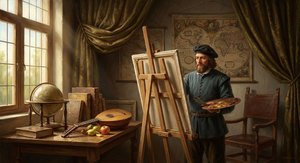
Illuminating Realism: Exploring the Dutch Golden Age of Painting (1600-1700)
Explore the Dutch Golden Age of painting (1600-1700) with OriginalUniqueArt. Discover Rembrandt, Vermeer & other masters. Learn about techniques, history & find museum-quality reproductions.

Golden Age Reflections: Dutch Baroque Painting & Cultural Innovation
Explore the Dutch Golden Age of painting! Discover key artists like Vermeer & ter Borch, their innovative techniques, and the rich cultural context behind these Baroque masterpieces. Learn about collecting & appreciating this iconic art period.

10 Mojstrovin Nizozemske Zlate dobe: Umjetnost, ki je definirala svojo dobo
Odkrijte 10 mojstrovin Nizozemske zlate dobe! Rembrandt, Vermeer & več – spoznajte zgodbe za temi ikoničnih umetnin. Inspirirajte se za notranji dizajn in poiščite reprodukcije na OriginalUniqueArt.com!
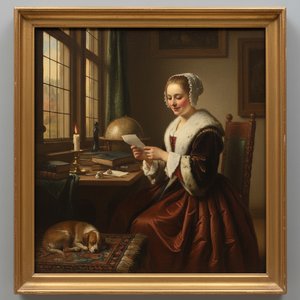
Gerrit Dou: Intimacy & Light in the Dutch Golden Age
Explore the exquisite world of Gerrit Dou, a master of Dutch Golden Age painting. Discover his intimate genre scenes, signature use of light, and lasting legacy. Learn about collecting Dou's works & their value.

Golden Light & Dutch Skies: The Timeless Magic of Dutch Golden Age Landscapes
Discover the breathtaking beauty of Dutch Golden Age landscapes. Explore the mastery of light, chiaroscuro, and 17th-century realism through an expert art history lens, celebrating the enduring legacy of the Dutch Masters for discerning collectors and art lovers.

