

 Preverite v realnem okolju
 Pošlji kot čestitko
 Deli
Deli
 Podrobnosti
 Priročnik

 Prenesi
 Podobni artefakti
 Rentgenski posnetek
 Predvajaj diaporama
 Statistika
Lutenist
 Oljna barva
- Stenska umetnost
- Baroque
 1667
1667- zgodnje moderno obdobje
 53.0 x 39.0 cm
 Staatliche Museen
 Preberi več
Ročno izdelana oljna reprodukcija
Ročno slikano olje na platnu v vaši izbiri velikosti in okvirja, izdelano po naročilu naših umetnikov. ( Preklop na tiskanine Preklop na digitalno sliko)




P118B €10

P118H €10

P118W €10

P438Z €10

P508JH €12

P508YH €12

P805H €10

P805Z €10

P919BZ €10

P919G €10

P919XJ €10

P959ZH €10

P968JZ €12

W106C €8

W218G €10

W218JH €8

W218Y €10

W307PJ €10

W316G €10

W316PJ €8

W316Y €10

W398PJ €8

W4111J €10

W500HY €15

W500JH €15

W692G €12

W849H €8

W940BG €15

W953PJ €8




Izberite eno od naših vnaprej določenih velikosti, ki ustrezajo prvotnim proporcijam umetničkega dela.

Vnesite širino in višino, ki jih potrebujete, da se slika prilega vašemu okviru ali steni. Ker je delo ročno slikano, lahko umetnik pri različnih oblikih slik pri robovih doda malo več barve ali pa jih malo odreže — izberite sami. Pred začetkom slikanja vam pošljemo digitalni predogled za potrditev. Slika, prikazana na tej strani, ni končni rezultat — le predogled prikazuje dejansko podobo.
Po oddaji naročila bo ekipa OriginalUniqueArt.com stranki po e-pošti poslala navodila in predogled digitalnega predogleda.
Mednarodna dostava () v 3/4 tednih namesto običajnih 5 tednov. (23 oktober). Brez kompromisov pri kakovosti.

Brezplačna ekspresna dostava po vsem svetu

Visokokakovostno laneno platno

Popolno zavarovanje pošiljke

Garancija povračila carine in uvoznih davkov

Garancija popolnega barvnega ujemanja

Politika vračila v 100 dneh (le v primeru okvar)

Garancija 100% povračila denarja

Popust pri večjem naročilu
 Možnost stekla je na voljo le za velikosti pod 110 cm

Lutenist
Tehnika reprodukcije
Velikost reprodukcije
-


Skupna cena
€ 263
A Window into Dutch Domestic Life: Gerard ter Borch’s “The Lute Player”
Gerard ter Borch's "The Lutenist," painted in 1667, transcends mere portraiture; it’s a meticulously crafted snapshot of seventeenth-century Dutch bourgeois society—a scene brimming with understated elegance and psychological depth. This captivating artwork resides within the Kunsthistorisches Museum Wien’s collection, offering viewers an unparalleled glimpse into the refined tastes and intellectual pursuits of the era.Subject Matter and Composition
The painting depicts a woman seated comfortably in a chair, accompanied by a lute player. The woman is engrossed in reading a book, while her gaze drifts towards the lute instrument—a gesture that speaks volumes about the importance placed on education and contemplation within Dutch households during this period. Notably, a piano sits discreetly in the background, hinting at the burgeoning musical culture of the time and subtly elevating the domestic setting beyond the ordinary. Ter Borch’s masterful composition utilizes chiaroscuro – dramatic contrasts between light and shadow – to sculpt the figures and create an atmosphere of intimacy and quiet contemplation. The positioning of the chairs emphasizes a sense of relaxed formality, reflecting the values of the upper middle class.Style and Technique: Rembrandt's Legacy
Ter Borch’s artistic style is undeniably influenced by Rembrandt van Rijn, his predecessor and arguably the most celebrated painter of the Dutch Golden Age. Like Rembrandt, ter Borch employed a technique characterized by exceptional realism—a painstaking attention to detail that captures not only physical appearance but also subtle nuances of expression and texture. The artist achieved this remarkable level of accuracy through meticulous layering of glazes – thin translucent coats of paint applied over multiple sessions – resulting in an astonishingly luminous surface. This technique, perfected by Rembrandt himself, allows for the depiction of light as it interacts with surfaces, creating a palpable sense of depth and atmosphere.Historical Context: The Enlightenment’s Quiet Influence
“The Lute Player” emerges from the broader context of the Dutch Enlightenment—a period marked by intellectual curiosity and a fascination with observation and reason. Ter Borch's depiction aligns perfectly with this cultural ethos, portraying a scene that prioritizes intellectuality alongside domestic tranquility. The lute itself symbolizes musical refinement and erudition, reflecting the humanist ideals prevalent during the era. Furthermore, the inclusion of the piano underscores the growing interest in scientific inquiry and artistic innovation—a testament to the dynamism of Dutch culture at the time.Symbolism: Beyond Appearance
Beyond its visual splendor, “The Lute Player” is laden with symbolic significance. The woman’s reading posture represents intellectual engagement and moral virtue – qualities highly valued within Dutch society. Her gaze towards the lute suggests a harmonious balance between contemplation and artistic appreciation. The book symbolizes knowledge and learning, while the lute embodies musical artistry and sophistication. Ter Borch skillfully conveys these ideas through subtle gestures and facial expressions, inviting viewers to contemplate the complexities of human experience.Emotional Impact: A Moment Frozen in Time
Ultimately, “The Lute Player” succeeds in capturing a fleeting moment of domestic serenity—a scene imbued with warmth and understated beauty. The artist’s masterful use of chiaroscuro evokes a profound sense of intimacy, drawing viewers into the quiet contemplation of the figures depicted. It's a painting that speaks to our enduring fascination with human connection and the pursuit of intellectual enrichment—a timeless masterpiece that continues to resonate with audiences centuries after its creation.Vprašanja in odgovori
Kako lahko dobim tiskano kopijo dela "Lutenist" avtorja Gerard Ter Borch?
Tisk dela "Lutenist" avtorja Gerard Ter Borch lahko naročite neposredno na njegovi strani Kakovostna tiskanina: umjetnička grafika na bombažnem platnu ali arhivskem papirju za platno.
Koliko je bil Gerard Ter Borch let, ko je nastalo delo "Lutenist"?
Gerard Ter Borch je bil/a star/a 50 let, ko je ustvaril/a "Lutenist" leta 1667. Starost je izračunana na podlagi leta rojstva umetnika, 1617.
Kako nasičena je paleta dela "Lutenist"?
Barve dela "Lutenist" avtorja Gerard Ter Borch imajo Zamegljeno zasičenost. Zasičenost opisuje, kako živahne ali utišane so barve.
Biografija umetnika
**pionir nizozemske žanrske slikarstva**
Gerard ter Borch, izstopajoča osebnost nizozemskega zlatega obdobja, je s svojimi žanrskimi slikami pustil neizbrisno sled v umetniškem svetu. Rodjen v decembru 1617 in preminil 8. decembra 1681, je Ter Borchev življenjsko pot služila kot dokaz njegove izjemne umetniške spretnosti.**zgodnje življenje in vplivi**
Čeprav njegovi zgodnji dnevi niso drobno dokumentirani, vemo, da je extensive potoval po Evropi, vključno z Londonom, Nemčijo, Francijo, Španijo in Italijo. Ta izkušnja je razširila njegove umetniške obzorja in močno vplivala na njegov edinstven slog. Tudi njegova sestra, Gesina ter Borch, je izabrała pot slikarice, kar je še dodatno utrdilo umetniške nagnjenosti njegove družine.**izstopajoča dela in dosežki**
Med njegovimi vrhunskimi stvaritvami blesti Črnilo (The Letter), mojstrovina, ki s svojo pokladenostjo prikazuje Ter Borčevo sposobnost zajema tekstur in svetlobe. V delu Plezan pogovor (The Gallant Conversation), ki ga je graviral Johann Georg Wille, se izvaja umetnikova sposobnost prenosa subtilnih čustev. Njegovo zgodnje delo Mož na konju (Man on horseback, 1634) razkriva vzrastajoči talent, medtem ko Prihod Adriana Pauwa v Münster (1646) predstavlja pomembno delo, ki izpostavlja njegovo narrativno moč.**muzeji in zbirke, ki vključujejo Ter Borčeva dela**
Njegova mednarodna težina je vidna v prestižnih zbirkah po svetu. Hermitage se ponosno razkaže z šestimi njegovimi deli, kar predstavlja eno največjih zbirk. Berlin Museum vključuje šest podob, ki dokazujejo njegovo svetovni ugled, medtem ko so tri njegova slik v prestižni zbirki Getty Center.**dediščina in vpliv**
Ter Borchev vpliv na nizozemske slikarje, kot so Gabriel Metsu, Gerrit Dou, Eglon van der Neer in Johannes Vermeer, je dobro dokumentiran. Njegov inovativni pristop k žanrskemu slikarstvu ga je postavil v središče umetniške zgodovine.- za več o Ter Borčevih življenju in delih obiščite https://OriginalUniqueArt.com/@/gerard-ter-borch
- raziskujte Museum Boijmans Van Beuningen v Rotterdamu, Nizozemska, ki prikazuje nekatera Ter Borčeva sodobnike na https://OriginalUniqueArt.com/@@/a@d3arrk-museum-boijmans-van-beuningen-rotterdam-netherlands
- izvedite več o nizozemskem zlatem obdobju in njegovih znamenitih umetnikih na https://en.wikipedia.org/wiki/dutch_golden_age

Gerard Ter Borch
1617 - 1681 , Nederlandija
Ključne informacije
- Artistic Movement Or Style: Žanrska slikarstvo
- Artists Or Movements Influenced By This Artist: ['Diego Velázquez']
- Artists Who Influenced This Artist:
- Gabriel Metsu
- Gerrit Dou
- Eglon van der Neer
- Johannes Vermeer
- Date Of Birth: December 1617
- Date Of Death: 8 December 1681
- Full Name: Gerard ter Borch
- Nationality: Nizozemski
- Notable Artworks:
- Črnilo (The Letter)
- Dvorovni pogovor (The Gallant Conversation)
- Moški na konjah (Man on horseback)
- Prihod Adriana Pauwja v Münster (Adrian Pauw's arrival in Münster)
- Place Of Birth: Zwolle, Nizozemska
Sorodni članki

10 Mojstrovin Nizozemske Zlate dobe: Umjetnost, ki je definirala svojo dobo
Odkrijte 10 mojstrovin Nizozemske zlate dobe! Rembrandt, Vermeer & več – spoznajte zgodbe za temi ikoničnih umetnin. Inspirirajte se za notranji dizajn in poiščite reprodukcije na OriginalUniqueArt.com!

Golden Light & Dutch Skies: The Timeless Magic of Dutch Golden Age Landscapes
Discover the breathtaking beauty of Dutch Golden Age landscapes. Explore the mastery of light, chiaroscuro, and 17th-century realism through an expert art history lens, celebrating the enduring legacy of the Dutch Masters for discerning collectors and art lovers.

Golden Age Reflections: Dutch Baroque Painting & Cultural Innovation
Explore the Dutch Golden Age of painting! Discover key artists like Vermeer & ter Borch, their innovative techniques, and the rich cultural context behind these Baroque masterpieces. Learn about collecting & appreciating this iconic art period.

Mastering Light & Shadow: A Journey Through the Dutch Golden Age's Luminous Legacy
Embark on a cultural journey through the Dutch Golden Age. Explore the masterful interplay of light and shadow in 17th-century masterpieces, from Rembrandt to Vermeer, and discover how this era of profound realism continues to inspire fine art collectors today.
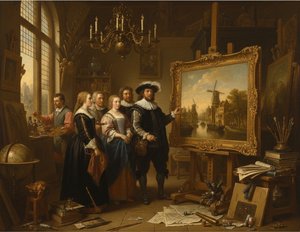
Illuminating Innovation: Exploring the Dutch Golden Age of Painting
Explore the Dutch Golden Age of painting with OriginalUniqueArt. Discover Rembrandt, Vermeer & other Masters. Learn about key characteristics, iconic artworks, and lasting influence. Expert insights for collectors & enthusiasts.
