

 Preverite v realnem okolju
 Pošlji kot čestitko
 Deli
Deli
 Podrobnosti
 Priročnik

 Prenesi
 Podobni artefakti
 Rentgenski posnetek
 Predvajaj diaporama
 Statistika
The Nativity
 Oil
Oil- WallArt
- Northern Renaissance
 1490
1490 76.0 x 56.0 cm
 Szépművészeti Múzeum
 Preberi več
Ročno izdelana oljna reprodukcija
Ročno slikano olje na platnu v vaši izbiri velikosti in okvirja, izdelano po naročilu naših umetnikov. ( Preklop na tiskanine Preklop na digitalno sliko)




P118B €10

P118H €10

P118W €10

P438Z €10

P508JH €12

P508YH €12

P805H €10

P805Z €10

P919BZ €10

P919G €10

P919XJ €10

P959ZH €10

P968JZ €12

W106C €8

W218G €10

W218JH €8

W218Y €10

W307PJ €10

W316G €10

W316PJ €8

W316Y €10

W398PJ €8

W4111J €10

W500HY €15

W500JH €15

W692G €12

W849H €8

W940BG €15

W953PJ €8




Izberite eno od naših vnaprej določenih velikosti, ki ustrezajo prvotnim proporcijam umetničkega dela.

Vnesite širino in višino, ki jih potrebujete, da se slika prilega vašemu okviru ali steni. Ker je delo ročno slikano, lahko umetnik pri različnih oblikih slik pri robovih doda malo več barve ali pa jih malo odreže — izberite sami. Pred začetkom slikanja vam pošljemo digitalni predogled za potrditev. Slika, prikazana na tej strani, ni končni rezultat — le predogled prikazuje dejansko podobo.
Po oddaji naročila bo ekipa OriginalUniqueArt.com stranki po e-pošti poslala navodila in predogled digitalnega predogleda.
Mednarodna dostava () v 3/4 tednih namesto običajnih 5 tednov. (22 oktober). Brez kompromisov pri kakovosti.

Brezplačna ekspresna dostava po vsem svetu

Visokokakovostno laneno platno

Popolno zavarovanje pošiljke

Garancija povračila carine in uvoznih davkov

Garancija popolnega barvnega ujemanja

Politika vračila v 100 dneh (le v primeru okvar)

Garancija 100% povračila denarja

Popust pri večjem naročilu
 Možnost stekla je na voljo le za velikosti pod 110 cm

The Nativity
Tehnika reprodukcije
Velikost reprodukcije
-


Skupna cena
€ 262
The Nativity: A Flemish Masterpiece of Serene Devotion
Gerard David’s “The Nativity,” painted around 1490 in Bruges, stands as a testament to the burgeoning artistic spirit of early Netherlandish painting. More than simply a depiction of a biblical scene, it's an immersive experience—a carefully constructed tableau designed to evoke profound contemplation and spiritual resonance. David, a master known for his subtle color palettes and masterful use of light, elevates this familiar narrative through a sophisticated blend of realism, symbolism, and a deeply felt sense of serenity. The painting’s enduring appeal lies not just in its technical brilliance but also in the quiet emotional power it conveys.
The composition itself is meticulously arranged. David skillfully employs atmospheric perspective—a technique borrowed from Italian Renaissance masters—to create a sense of depth, drawing the viewer's eye into the dimly lit stable where the infant Jesus lies nestled within the manger. The figures are rendered with remarkable detail and sensitivity, each face imbued with an expression of profound reverence. Notice particularly the tender gaze of Mary as she cradles her son; Joseph stands beside her, a figure of quiet strength and protection. The shepherds, huddled around the scene, are not depicted as rustic peasants but rather as humble devotees, their faces alight with wonder and awe.
A Symphony of Color and Light
David’s technical prowess is immediately apparent in his masterful manipulation of color and light. He eschews the bright, vibrant hues favored by some of his contemporaries, opting instead for a muted palette dominated by earthy browns, deep blues, and subtle greens. This restrained approach creates an atmosphere of quiet solemnity, emphasizing the sacredness of the event. The use of chiaroscuro—the dramatic contrast between light and shadow—further enhances the painting’s emotional impact, highlighting key figures and creating a sense of mystery and reverence. The soft glow emanating from the infant Jesus is particularly striking, drawing the viewer's attention to this central figure of salvation.
Furthermore, David’s meticulous attention to detail extends beyond the figures themselves. The textures of the manger, the rough wool of the animals, and the folds of Mary’s robe are rendered with astonishing realism. The background cityscape, a stylized representation of Jerusalem, is painted with a delicate precision that adds depth and context to the scene. It's a subtle yet effective reminder of the historical setting and the significance of this pivotal event in Christian theology.
Symbolism and Spiritual Resonance
“The Nativity” is rich in symbolic meaning. The presence of the three wise men, representing the Gentile world’s recognition of Christ as King, underscores the universality of his message. The angels, depicted with their wings outstretched, symbolize divine guidance and protection. Even the animals—the donkey, ox, and ass—carry symbolic weight, representing humility, service, and sacrifice. The painting is not merely a visual representation of a biblical story; it’s an allegory for the arrival of grace and redemption into the world.
David's choice to depict the Nativity alongside the Adoration of the Shepherds—a pairing frequently found in Northern European art—adds another layer of meaning. This juxtaposition highlights the humility of both the divine and human elements involved in the birth of Christ, emphasizing that salvation is offered to all, regardless of social status or worldly position. The scene invites contemplation on themes of faith, hope, and love – core tenets of Christian belief.
A Timeless Masterpiece
“The Nativity” remains a profoundly moving work of art, captivating viewers with its serene beauty and spiritual depth. It’s a painting that speaks to the enduring power of faith and the timeless relevance of the Christmas story. Reproductions of this masterpiece offer an opportunity to bring this exquisite artwork into your home or office, allowing you to experience its quiet grace and profound symbolism every day. Its subtle color palette and masterful composition make it a perfect addition to any collection, evoking a sense of peace and reverence.
Vprašanja in odgovori
Kakšen je format dela "The Nativity"?
Delo "The Nativity" avtorja Gerard David ima Portrait format. Format opisuje proporcije kompozicije.
Ali je "The Nativity" avtorja Gerard David znano umetniško delo?
"The Nativity" avtorja Gerard David ima Recognized stopnjo priljubljenosti. Ta razvrstitev odraža, kako široko je del prepoznano.
Kdaj je "The Nativity" pripisano kateremu umetniku?
Avtor dela "The Nativity" je Gerard David. Del je katalogiran pod imenom Gerard David.
Biografija umetnika
Gerard David: Mojster Flandrijske Svetlobe
Gerard David, rojen okoli leta 1460 v Oudewaterju na Nizozemskem, je ena najzanimivejših osebnosti zgodnjega nizozemskega slikarstva. Njegovo življenje je obdano z meglo, saj so arhivski zapisi fragmentarni in nejasni. Za razliko od nekaterih sodobnikov, katerih življenja so dobro dokumentirana, Davidova osebna zgodba ostaja skromna, kar omogoča, da njegove slike govorijo namesto njega. Vendar pa je znano, da je imel uspešno kariero in je verjetno vodil delavnice v Antwerpnu in Brugah – pomembnih umetniških centrih renesanse. Njegova slava je sicer upadla v 17. stoletju, a jo je ponovno odkril 19. stoletje, ko so zgodovinarji umetnosti prepoznali njegov edinstven prispevek k severnorenesančnemu slikarstvu. Leta 1484 se je pridružil cehu slikarjev in usnjarjev v Brugah, kar je bil pomemben korak v njegovi karieri. Njegova udeležba pri antwerpenski gildi leta 1515 pa dodatno utrdi njegov status v umetniški skupnosti.Formativne Vplive in Umetnostni Razvoj
Davidovo umetniško potovanje se je začelo pod vplivi, ki so oblikovali temelj njegovega sloga. Njegova zgodnja dela razkrivajo jasen dolg slikarjem kot Jacob Janszoon, Dieric Bouts in Geertgen tot Sint Jans – mojstrom, ki so mu vzbudili natančnost do detajlov in občutljivost za versko pripoved. Verjame se, da je nekaj časa preživel v Haarlemu, kjer je vpijal te lekcije, preden se je preselil v Brugge, živahno središče umetniške izmenjave, ki je privlačilo talente z vse Evrope. Tam je David srečal mojstrovine Jana van Eycka, Rogierja van der Weydna in Hansa Memlinga, vpijal njihove tehnike in si utiral lastno pot. Ni samo posnemal; sintetiziral je te vplive v nekaj edinstvenega – slog, za katerega so značilne svetle barve, mirne kompozicije in vse bolj sofisticirano razumevanje pokrajine. Njegova zgodnja dela kažejo to evolucijo, prehajajo od lutkovskih figur, ki spominjajo na tradicijo Haarlema, k bolj skulpturalnim oblikam, zasidranim v njihovem okolju. To je vidno v delu *Krist Nažet na Križu*, kjer se vpliv prostorske konstrukcije Boutsa prepleta z Davidovo nastajajočo barvnostjo.Inovacije v Pokrajini in Verski Pripovedi
Davidova umetniška posebnost leži v njegovem inovativnem pristopu k pokrajini in verskim motivom. Ni samo upodabljal ozadja; ustvarjal poglobljena okolja, ki so okrepila čustveni odziv njegovih prizorov. Njegove pokrajine niso zgolj dekorativne, temveč integralni deli narative, pogosto prežete s simboličnim pomenom. Ta fascinacija z naravnimi okolji – gostimi gozdovi, valovitimi griči, prostranim nebom – ga je ločila od mnogih sodobnikov in napovedala razvoj pokrajine kot samostojnega žanra. Razmislite o *Pogledu v Gozdu*, zunanjem krilu triptiha; to ni samo ozadje, temveč svet zase, upodobljen s podrobnostmi in atmosfersko perspektivo. V svojih verskih delih je David pokazal izjemno sposobnost prikazovanja globoke duhovnosti in človeških čustev. Slike kot *Poroka Svete Katarine* to odlično ponazarjajo. Prizor je upodobljen z izvrstnimi detajli, a so subtilni izrazi na obrazih figur – njihova pobožnost, premišljevanje ali nežna radost – tisti, ki resnično očarajo gledalca. Imel je dar vnašanja tihe dostojanstva in sorodnosti v svoje svete motive. *Triptih Device Marije na Prestolu in Svetnikov* v Genovi prikazuje to mojstrstvo, predstavljajoč harmonično kompozicijo, polno živahnih barv in občutljivih detajlov. Njegova *Devica med Devicami*, darovana karmelitanskim nunam Sion v Brugah, je še en dokaz njegove spretnosti, saj vsebuje samoportret na sliki – redek in intimen gest iz umetnika tistega časa.Zapuščina in Trajni Vpliv
Kljub temu da je njegova slava po smrti leta 1523 nekoliko upadla, je Davidov vpliv na naslednje generacije umetnikov nesporno dejstvo. Njegova inovativna uporaba barv, mojstrsko rokovanje s svetlobo in senco ter pionirski pristop k pokrajini so pustili neizbrisen pečat na razvoju flamskega slikarstva. Utiral je pot umetnikom, ki bi še naprej raziskovali ekspresivni potencial naravnih okolij, kot sta Jacob Patinir in Jacob van Ruisdael.- Most med Tradicijami: David je uspešno premostil vrzel med poznosrednjeveško tradicijo in nastajajočim renesančnim slogom.
- Vpliv na Pokrajinsko Slikarstvo: Njegove podrobne in atmosferske pokrajine so napovedale razvoj pokrajine kot ločenega žanra.
- Mojster Barve: Bil je znan po svoji živahni paleti barv in spretni uporabi barv za ustvarjanje čustvenega učinka.
Raziskovanje Naprej
- OriginalUniqueArt.com: Odkrijte obsežno zbirko Davidovih slik, vključno s *Poklon Treh Kraljev*.
- Pogledu v Gozdu: Raziščite to osupljivo pokrajinsko sliko severne renesanse.
- Zgodnje Nizozemsko Gibanje: Poglobljeno se spoznajte z umetnostnim okoljem Davidovega dela.

Gerard David
1450 - 1523 , Nizozemska
Ključne informacije
- Datum Rojstva: okoli 1460
- Datum Smrti: 1523
- Državljanstvo: Nizozemski
- Kraj Rojstva: Oudewater, Nizozemska
- Polno Ime: Gerard David
- Pomembna Dela:
- Poroka sv. Katarine
- Triptih Madone
- Devica med devicami
- Umetniki Vplivani:
- Jacob Patinir
- Jacob van Ruisdael
- Umetniški Smer: Zgodnji nizozemski slikarstvo
- Vplivi Umetnikov:
- Jacob Janszoon
- Dieric Bouts
- Geertgen tot Sint Jans
Sorodni članki
Mastering the Surface: A Historical and Technical Guide to the Art of Oil on Panel Painting
Explore the profound history and technical brilliance of oil on panel painting. From Renaissance masters to modern techniques, discover why this rigid support offers unparalleled precision and permanence for fine art lovers and collectors.
Jacob Henricus Maris: A Master of Dutch Atmospheric Realism & the Intimate Landscape
Explore the captivating world of Jacob Henricus Maris, a leading figure of the Dutch Hague School. Discover his atmospheric landscapes, signature brushstrokes & lasting influence on 19th-century art. Learn more at OriginalUniqueArt.
Fra Angelico: 25 Mojstrovin Renesančne Elegance za Vaš Dom | OriginalUniqueArt
Odkrijte 25 čudovitih mojstrovin Fra Angelica – renesančnih fresk, angelčkov in verskih slik. Preučite zgodovino umetnosti in okrasite dom z reprodukcijami vrhunske kakovosti. Raziščite celotno kolekcijo na OriginalUniqueArt.com!
David Teniers II: Master of Flemish Genre & Social Commentary
Explore the captivating world of David Teniers II, a leading Flemish Baroque painter renowned for his lively genre scenes & insightful social commentary. Discover his masterpieces and legacy with OriginalUniqueArt.
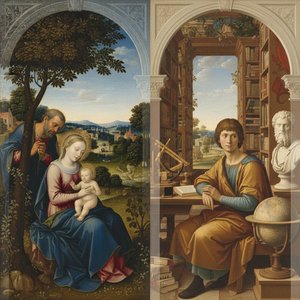
Gerard David: Bridging Late Medieval Tradition with Early Renaissance Humanism
Explore the captivating world of Gerard David, a pivotal figure bridging late medieval artistry with the Early Renaissance. Discover his innovative techniques, religious masterpieces, and enduring legacy – a must-read for discerning art collectors.


