Preverite v realnem okolju
 Pošlji kot čestitko
 Deli
Deli
 Podrobnosti
 Priročnik

 Prenesi
 Podobni artefakti
 Rentgenski posnetek
 Predvajaj diaporama
 Statistika
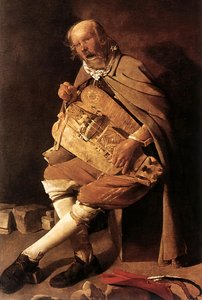
St. Thomas, also called Saint with a Pike
 Oil
Oil- WallArt
- Baroque Dramatic Light
 1630
1630- Early Modern
 61.0 x 69.0 cm
 Preberi več
Giclée tisk / Umetniški tisk
Giclée ali platnati odtis muzejske kakovosti z hitro proizvodnjo in prilagodljivimi možnostmi končne obdelave. ( Naročite ročno slikano reprodukcijo Preklop na digitalno sliko)




P118B $10

P118H $10

P118W $10

P438Z $10

P508JH $12

P508YH $12

P805H $10

P805Z $10

P919BZ $10

P919G $10

P919XJ $10

P959ZH $10

P968JZ $12

W106C $8

W218G $10

W218JH $8

W218Y $10

W307PJ $10

W316G $10

W316PJ $8

W316Y $10

W398PJ $8

W4111J $10

W500HY $15

W500JH $15

W692G $12

W849H $8

W940BG $15

W953PJ $8




Izberite eno od naših vnaprej določenih velikosti, ki ustrezajo prvotnim proporcijam umetničkega dela.

Svoje dimenzije lahko vnesete sami, da bodo ustrezne za določen okvir ali prostor. Če izbrana velikost ne bo skladna z razmerji izvirne slike, bomo umetniško delo orezali ali podaljšali s pomočjo ogledalnega odraza ali barvno polnega roba. Pred začetkom proizvodnje vam bomo poslali digitalni predogled za potrditev.
Upoštevajte, da predogled na zaslonu ne prikazuje dejanskega orezovanja ali podaljševanja. Le digitalni predogled bo natančno prikazal končno kompozicijo.
Čeprav so na voljo prilagojene velikosti, priporočamo izbiro dimenzije s predhodno določenega seznama, da ohranite prvotna razmerja.
Globalna dostava () v 2 tednih namesto standardnih 4/5 tednov. (26 september)

Brezplačna ekspresna dostava po vsem svetu

Visokokakovostno laneno platno

Popolno zavarovanje pošiljke

Garancija povračila carine in uvoznih davkov

Garancija popolnega barvnega ujemanja

Politika vračila v 100 dneh (le v primeru okvar)

Garancija 100% povračila denarja

Popust pri večjem naročilu
 Možnost stekla je na voljo le za velikosti pod 110 cm

St. Thomas, also called Saint with a Pike
Giclée tisk / Umetniški tisk
Velikost reprodukcije
-


Skupna cena
$ 80
A Symphony of Shadow and Spirit
In the quietude of Georges de la Tour’s 1630 masterpiece, St. Thomas, we encounter more than a mere biblical illustration; we enter a sanctuary of profound introspection. This evocative work, measuring 61 x 69 cm, serves as a breathtaking testament to the power of the Baroque era's spiritual intensity. The painting captures the apostle in a moment of suspended animation, his gaze anchored to a single sheet of paper. This seemingly mundane object becomes a sacred conduit, a vessel for divine truth that demands the viewer’s absolute presence. As one contemplates this canvas, the boundaries between the seventeenth century and the modern soul begin to blur, inviting a meditative state where the weight of human doubt meets the light of revelation.
The technical brilliance of De la Tour lies in his masterful command of chiaroscuro, the dramatic interplay of light and shadow that defines the French Baroque style. Rather than utilizing light to illuminate a grand spectacle, De la Tour employs it to carve meaning out of the darkness. The shadows are not merely empty spaces but are heavy, velvety textures that press against the subject, heightening the emotional gravity of the scene. Every detail is rendered with a meticulous realism—from the sharp, purposeful edge of the knife held in St. Thomas’s hand to the delicate, weathered folds of his blue robe. This precision does not serve mere decoration; it grounds the spiritual narrative in a tangible, visceral reality that makes the saint's internal struggle feel intimately human.
The Weight of Faith and History
To understand St. Thomas, one must look through the lens of the turbulent era in which it was birthed. Painted during the height of the Protestant Reformation, the work resonates with the religious anxieties of a Europe searching for certainty amidst theological upheaval. The Catholic Church, facing unprecedented challenges to its dogma, sought a visual language of reaffirmation and quiet strength. In St. Thomas, De la Tour presents a figure of profound humility. The saint’s focus on the paper symbolizes the acceptance of evidence and the resolution of doubt—a powerful metaphor for the era's yearning for spiritual stability. It is a portrait of resolve, where the flickering light represents the persistent flame of faith even when surrounded by the vast unknown.
For the discerning collector or interior designer, this painting offers an unparalleled opportunity to introduce a sense of gravitas and timeless elegance into a space. The composition’s balanced tension and somber palette make it a sophisticated centerpiece for a study, a library, or a formal gallery setting. A high-quality reproduction of this work does more than decorate a wall; it curates an atmosphere of intellectual depth and contemplative peace. It invites guests to pause, to look closer at the interplay of light, and to find, much like St. Thomas, a moment of quiet clarity amidst the complexities of the modern world.
Biografija umetnika
Georges de La Tour (1593-1652): French Baroque Master of Dramatic Chiaroscuro & Tenebrism
Georges de La Tour, a name that resonates with the hushed reverence reserved for masters of light and shadow, remains one of the most compelling figures of the French Baroque. Born in 1593 in Vic-sur-Seille, a small town nestled within the Duchy of Lorraine, his life unfolded against a backdrop of religious fervor and political upheaval. While details surrounding his early training remain somewhat elusive—scholars speculate about potential journeys to Italy or apprenticeships with local artists like Jacques Bellange—the seeds of his artistic vision were undoubtedly sown in this environment. He wasn’t born into an artistically established family; his father was a baker, yet the circumstances of his mother's lineage hint at a possible connection to nobility, a subtle influence perhaps reflected in the dignity and quiet grace that permeate his work.
Early Life & Artistic Influences
Georges de La Tour’s formative years were marked by the turbulent political landscape of Lorraine under Habsburg rule. Despite limited formal education—he reportedly received instruction from Jacques Bellange—his innate talent for drawing quickly emerged, demonstrating an exceptional sensitivity to observation and form. Crucially, he absorbed the artistic currents circulating throughout Europe during his youth, notably the dramatic innovations championed by Caravaggio in Rome. This encounter with Caravaggism profoundly shaped De La Tour’s aesthetic sensibilities, instilling him with a fascination for tenebrism—the technique of employing extreme contrasts between light and dark to heighten emotional impact.
The Utrecht School & Venetian Tradition
De La Tour's artistic development continued in Lunéville, where he served as court painter to the Dukes of Lorraine. Here, he honed his skills alongside fellow artists from the Utrecht School—Hendrick Terbrugghen and Johannes Vermeer—who embraced a similar approach to chiaroscuro, prioritizing psychological realism over idealized beauty. Simultaneously, De La Tour drew inspiration from Venetian painters like Tintoretto and Paolo Veronese, whose opulent compositions celebrated grandeur and theatrical spectacle. These influences blended seamlessly into his distinctive style, resulting in paintings that are both emotionally resonant and visually arresting.
Major Works & Recurring Themes
Georges de La Tour’s oeuvre is characterized by a remarkable consistency of vision—a preoccupation with religious subjects rendered with unparalleled subtlety and psychological depth. His most celebrated works include The Fortune-Teller, painted around 1630, which captures the eerie atmosphere of nocturnal divination with masterful lighting and expressive detail; Adoration of the Shepherds, created circa 1640, depicting a serene biblical scene imbued with profound spiritual contemplation; Saint Joseph Carpenter, completed in the mid-1650s, portraying a humble domestic tableau illuminated by candlelight—a poignant symbol of faith and domestic tranquility. These paintings aren’t merely depictions of sacred narratives; they are meditations on human experience—exploring themes of piety, humility, grief, and redemption.
Legacy & Enduring Appeal
Despite achieving recognition during his lifetime—he was appointed “Painter to the King” by Louis XIII in 1638—Georges de La Tour’s work remained largely obscure for centuries following his death in 1652. Rediscovery efforts spearheaded by scholars like Hermann Voss brought De La Tour back into focus, revealing an artist of extraordinary originality and innovation. His pioneering use of tenebrism—combined with his profound psychological insight—established him as a pivotal figure in the history of European art. Today, Georges de La Tour’s paintings continue to captivate audiences worldwide—testament to their timeless beauty and enduring relevance. They serve as reminders that true artistic greatness resides not in flamboyant display but in quiet contemplation—illuminating the human condition with the luminous grace of faith.

Žanikanje Svetega Petra
1593 - 1652 , Francija
Ključne informacije
- Artistic Movement Or Style: Tenebrism
- Artists Who Influenced This Artist:
- Caravaggio
- Hendrick Terbrugghen
- Date Of Birth: March 13, 1593
- Date Of Death: 1652
- Full Name: Georges de La Tour
- Nationality: Francoz
- Notable Artworks:
- The Fortune Teller
- Adoration of Shepherds
- Saint Joseph Carpenter
- Place Of Birth: Vic-le-Comte, France
Sorodni članki

Baročne mojstrovine: 10 umetnin, ki so definirale obdobje | OriginalUniqueArt
Odkrijte 10 baročnih mojstrovine, ki so zaznamovale umetnost! Karavaggio, Bernini & Rubensovi deli v zgodovinskem kontekstu. Navdih za notranjost in reprodukcije slik na OriginalUniqueArt.com. Raziskujte polno zbirko online!

The Golden Age Reforged: Dramatic Realism & Religious Zeal in Spanish Baroque Art
Explore the dramatic world of Spanish Baroque art! Discover masters like Zurbarán & the powerful influence of religious zeal on painting techniques – a guide for collectors and enthusiasts.

The Dramatic Flourish: Exploring the Baroque Movement's Enduring Legacy in Art History
Explore the dramatic world of Baroque art! Discover iconic artists like Caravaggio & Rubens, defining techniques, and its lasting impact on art history. Expert insights for collectors & enthusiasts at OriginalUniqueArt.

Baročna Drama: Uvedba Velikosti in Čustvenosti v Sodobne Interierje
Odkrijte veličino baročne umetnosti! Nasveti za integracijo dramatičnosti in čustvenosti v vaš dom. Kvalitetne reprodukcije, naročila po meri pri OriginalUniqueArt.com – strokovno posvetovanje in vrhunska kakovost.

Simon Vouet: A Baroque Master's Journey from Italian Influence to French Classicism
Explore the life & art of Simon Vouet, a pivotal French Baroque painter who introduced Italian styles to France. Discover his masterpieces and lasting influence on 17th-century art.