Preverite v realnem okolju
 Pošlji kot čestitko
 Deli
Deli
 Podrobnosti
 Priročnik

 Prenesi
 Podobni artefakti
 Rentgenski posnetek
 Predvajaj diaporama
 Statistika
St. James the Greater


 Preberi več
Ročno izdelana oljna reprodukcija
Ročno slikano olje na platnu v vaši izbiri velikosti in okvirja, izdelano po naročilu naših umetnikov. ( Preklop na tiskanine Preklop na digitalno sliko)




































Izberite eno od naših vnaprej določenih velikosti, ki ustrezajo prvotnim proporcijam umetničkega dela.

Svoje dimenzije lahko vnesete tako, da se prilagodite določenemu okvirju ali prostoru. Če izbrana velikost ne ustreza razmerjem originalne slike, bomo umetniško delo obrezali ali sliko dopolnili z dodatnimi ročno naslikanimi elementi. Pred začetkom proizvodnje vam bo poslan digitalni osnutek v odobritev.
Upoštevajte, da predogled na zaslonu ne odraža dejanskega obrezovanja ali podaljšanja. Le osnutek bo natančno prikazal končno kompozicijo.
Čeprav so na voljo velikosti po meri, priporočamo izbiro dimenzije s preddefiniranega seznama, da ohranimo originalne razmere.
Po oddaji naročila bo ekipa OriginalUniqueArt.com stranki po e-pošti poslala navodila in predogled digitalnega predogleda.
Mednarodna dostava () v 3/4 tednih namesto običajnih 5 tednov. (26 september). Brez kompromisov pri kakovosti.

Brezplačna ekspresna dostava po vsem svetu

Visokokakovostno laneno platno

Popolno zavarovanje pošiljke

Garancija povračila carine in uvoznih davkov

Garancija popolnega barvnega ujemanja

Politika vračila v 100 dneh (le v primeru okvar)

Garancija 100% povračila denarja

Popust pri večjem naročilu
 Možnost stekla je na voljo le za velikosti pod 110 cm

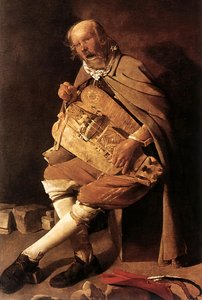
St. James the Greater
Tehnika reprodukcije
Velikost reprodukcije
-


Skupna cena
$ 300
Georges de La Tour’s St. James the Greater: A Portrait of Faith Illuminated
The painting “St. James the Greater,” attributed to Georges de la Tour (1593 – 1652), stands as a testament to the Baroque artist's mastery of chiaroscuro—the dramatic interplay between light and dark—a technique that elevates this portrait beyond mere likeness into a profound meditation on spirituality. Executed around 1620, it resides within a broader artistic movement characterized by opulent grandeur and fervent religious devotion, reflecting the cultural landscape of Lorraine during the early seventeenth century. De la Tour’s stylistic approach distinguishes him from his contemporaries. Unlike many artists who favored vibrant colors and elaborate ornamentation, he deliberately subdued his palette, opting for muted browns, ochres, and reds—colors that contribute to the painting's solemn atmosphere. This restrained coloration serves not to diminish its impact but rather to intensify it, focusing attention on the central figure and highlighting the subtle gradations of light that sculpt his face and torso. The artist’s meticulous brushwork is evident in every detail, from the delicate rendering of the beard and mustache to the textured surface of the hat adorned with feathers—a deliberate allusion to royalty and divine authority. The historical context surrounding “St. James” is crucial to understanding its symbolic significance. Lorraine was a region deeply rooted in Catholicism, where religious piety permeated all aspects of daily life. Saint James, considered the patron saint of pilgrims and travelers, embodies virtues such as humility, perseverance, and faith—qualities that resonated powerfully with the spiritual aspirations of the time. The man depicted is seated calmly, gazing directly at the viewer, a posture indicative of contemplative prayer. His gaze conveys an inner peace unaffected by worldly concerns, suggesting that he has achieved a state of enlightenment through devotion. Furthermore, the inclusion of the wine glass symbolizes communion—the sacrament commemorating Jesus Christ’s Last Supper—a central ritual in Christian worship. It represents not merely physical nourishment but also spiritual sustenance, reminding viewers of the transformative power of faith. The feathers on the hat are interpreted as emblems of divine grace and majesty, reinforcing the painting's overarching theme of holiness. “St. James the Greater” transcends its formal portrait conventions to become an emotionally resonant artwork that speaks to universal human experiences. Its subdued colors, masterful technique, and carefully considered symbolism combine to create a visual narrative that invites contemplation and evokes feelings of serenity and reverence. It remains a captivating exemplar of Baroque art—a timeless masterpiece demonstrating how light and shadow can illuminate not only the physical form but also the deepest recesses of the soul.- Style: Baroque
- Technique: Chiaroscuro (Dramatic Light and Shadow)
- Historical Context: Lorraine, Early 17th Century – Religious Devotion
Biografija umetnika
Georges de La Tour (1593-1652): French Baroque Master of Dramatic Chiaroscuro & Tenebrism
Georges de La Tour, a name that resonates with the hushed reverence reserved for masters of light and shadow, remains one of the most compelling figures of the French Baroque. Born in 1593 in Vic-sur-Seille, a small town nestled within the Duchy of Lorraine, his life unfolded against a backdrop of religious fervor and political upheaval. While details surrounding his early training remain somewhat elusive—scholars speculate about potential journeys to Italy or apprenticeships with local artists like Jacques Bellange—the seeds of his artistic vision were undoubtedly sown in this environment. He wasn’t born into an artistically established family; his father was a baker, yet the circumstances of his mother's lineage hint at a possible connection to nobility, a subtle influence perhaps reflected in the dignity and quiet grace that permeate his work.
Early Life & Artistic Influences
Georges de La Tour’s formative years were marked by the turbulent political landscape of Lorraine under Habsburg rule. Despite limited formal education—he reportedly received instruction from Jacques Bellange—his innate talent for drawing quickly emerged, demonstrating an exceptional sensitivity to observation and form. Crucially, he absorbed the artistic currents circulating throughout Europe during his youth, notably the dramatic innovations championed by Caravaggio in Rome. This encounter with Caravaggism profoundly shaped De La Tour’s aesthetic sensibilities, instilling him with a fascination for tenebrism—the technique of employing extreme contrasts between light and dark to heighten emotional impact.
The Utrecht School & Venetian Tradition
De La Tour's artistic development continued in Lunéville, where he served as court painter to the Dukes of Lorraine. Here, he honed his skills alongside fellow artists from the Utrecht School—Hendrick Terbrugghen and Johannes Vermeer—who embraced a similar approach to chiaroscuro, prioritizing psychological realism over idealized beauty. Simultaneously, De La Tour drew inspiration from Venetian painters like Tintoretto and Paolo Veronese, whose opulent compositions celebrated grandeur and theatrical spectacle. These influences blended seamlessly into his distinctive style, resulting in paintings that are both emotionally resonant and visually arresting.
Major Works & Recurring Themes
Georges de La Tour’s oeuvre is characterized by a remarkable consistency of vision—a preoccupation with religious subjects rendered with unparalleled subtlety and psychological depth. His most celebrated works include The Fortune-Teller, painted around 1630, which captures the eerie atmosphere of nocturnal divination with masterful lighting and expressive detail; Adoration of the Shepherds, created circa 1640, depicting a serene biblical scene imbued with profound spiritual contemplation; Saint Joseph Carpenter, completed in the mid-1650s, portraying a humble domestic tableau illuminated by candlelight—a poignant symbol of faith and domestic tranquility. These paintings aren’t merely depictions of sacred narratives; they are meditations on human experience—exploring themes of piety, humility, grief, and redemption.
Legacy & Enduring Appeal
Despite achieving recognition during his lifetime—he was appointed “Painter to the King” by Louis XIII in 1638—Georges de La Tour’s work remained largely obscure for centuries following his death in 1652. Rediscovery efforts spearheaded by scholars like Hermann Voss brought De La Tour back into focus, revealing an artist of extraordinary originality and innovation. His pioneering use of tenebrism—combined with his profound psychological insight—established him as a pivotal figure in the history of European art. Today, Georges de La Tour’s paintings continue to captivate audiences worldwide—testament to their timeless beauty and enduring relevance. They serve as reminders that true artistic greatness resides not in flamboyant display but in quiet contemplation—illuminating the human condition with the luminous grace of faith.

Žanikanje Svetega Petra
1593 - 1652 , Francija
Ključne informacije
- Artistic Movement Or Style: Tenebrism
- Artists Who Influenced This Artist:
- Caravaggio
- Hendrick Terbrugghen
- Date Of Birth: March 13, 1593
- Date Of Death: 1652
- Full Name: Georges de La Tour
- Nationality: Francoz
- Notable Artworks:
- The Fortune Teller
- Adoration of Shepherds
- Saint Joseph Carpenter
- Place Of Birth: Vic-le-Comte, France