Predogled v realnem okolju
 Pošlji
 Deli
Deli
 Podrobnosti o delu
 Priročnik

 Prenesi sliko
 Podobni izdelki
 Rentgenski posnetek
 Predvajaj diaporama
 Q&A
Q&A Statistika
San St. Jozef
 Olje na platnu
- Stenska umetnost
- Baroque
 1640
1640- Renesanca
 93.0 x 81.0 cm
 Musée d'Arts de Nantes
 Preberi več
Giclée tisk / Umetniški tisk
Giclée ali platnati odtis muzejske kakovosti z hitro proizvodnjo in prilagodljivimi možnostmi končne obdelave. ( Kupite ročno slikano delo Preklop na digitalno sliko)




P118B €10

P118H €10

P118W €10

P438Z €10

P508JH €12

P508YH €12

P805H €10

P805Z €10

P919BZ €10

P919G €10

P919XJ €10

P959ZH €10

P968JZ €12

W106C €8

W218G €10

W218JH €8

W218Y €10

W307PJ €10

W316G €10

W316PJ €8

W316Y €10

W398PJ €8

W4111J €10

W500HY €15

W500JH €15

W692G €12

W849H €8

W940BG €15

W953PJ €8




Izberite eno od naših vnaprej določenih velikosti, ki ustrezajo prvotnim proporcijam umetničkega dela.

Vnesite širino in višino, ki jih potrebujete za svoj okvir ali steno. Tiskanje se lahko le odreže, vendar ga ni mogoče narediti večjega od slike, zato format z drugačno obliko pomeni izgubo dela slike. Pred tiskanjem vam pošljemo digitalni predogled za potrditev. Slika, prikazana na tej strani, ne prikazuje dejanskega izrezka — le predogled to omogoča.
Globalna dostava () v 2 tednih namesto standardnih 4/5 tednov. (30 oktober)

Brezplačna ekspresna dostava po vsem svetu

Visokokakovostno laneno platno

Popolno zavarovanje pošiljke

Garancija povračila carine in uvoznih davkov

Garancija popolnega barvnega ujemanja

100-dnevna politika vračil (le v primeru okvar)

Garancija 100% povračila denarja

Popust pri večjem naročilu
 Možnost stekla je na voljo le za velikosti pod 110 cm

San St. Jozef
Giclée tisk / Umetniški tisk
Velikost reprodukcije
-


Skupna cena
€ 71
Georges de La Tour in ‘The Dream of St. Joseph’: A Baroque Revelation
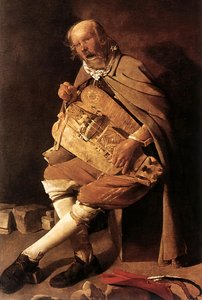
‘The Dream of St. Joseph’ by Georges de La Tour isn't merely a painting; it’s a profound meditation on faith, vulnerability, and the unseen forces that shape human experience. Completed around 1640, this masterpiece exemplifies the height of Baroque artistry – a style characterized by dramatic contrasts, intense emotion, and a deeply spiritual sensibility. De La Tour, working within the tradition established by Caravaggio but with a distinctly French nuance, masterfully employs chiaroscuro—the manipulation of light and shadow—to create an atmosphere thick with both mystery and profound human feeling. The painting’s power lies not just in its technical brilliance, but in its ability to transport us into the heart of St. Joseph's inner world, a moment of intense contemplation and perhaps, divine revelation.
A Symphony of Light and Shadow
De La Tour’s technique is utterly captivating. He doesn’t simply depict light; he *creates* it. The central figures – Saint Joseph and an unidentified woman (often interpreted as Mary) – are bathed in a luminous glow, emanating from a candle that dominates the scene. This intense illumination isn't uniform; it pools around their faces and hands, highlighting their expressions with remarkable clarity. Simultaneously, deep shadows envelop the surrounding space, creating a sense of depth and isolation. The artist’s meticulous layering of oil paint—a process known as glazing—builds up these tones gradually, resulting in a surface that appears both incredibly rich and remarkably luminous. This technique, combined with his precise brushwork, gives the painting an almost tactile quality, inviting us to reach out and touch the scene.
Historical Context & Artistic Roots
To understand ‘The Dream of St. Joseph,’ we must consider its context within 17th-century France. The period was marked by a fervent religious revival, fueled in part by the Counter-Reformation. De La Tour’s work reflects this atmosphere, offering a deeply personal and emotionally resonant interpretation of biblical narratives. He drew inspiration from both Caravaggio – whose dramatic use of light and shadow revolutionized painting – and the Utrecht School, known for their subtle realism and meticulous attention to detail. However, unlike Caravaggio's often stark and theatrical style, De La Tour’s approach is characterized by a quiet dignity and an almost meditative serenity. The influence of the Dutch masters can be seen in his careful rendering of textures—the folds of fabric, the smoothness of skin—but he infused this realism with a distinctly Baroque sensibility.
Symbolism & Spiritual Resonance
Every element within ‘The Dream of St. Joseph’ is laden with symbolic meaning. The candle itself represents divine illumination and guidance, while the woman's gesture – reaching out to comfort Joseph – speaks to themes of compassion and maternal love. Joseph’s posture—a slight bow of his head, a hand gently touching his face—suggests humility before the divine and an openness to revelation. The dark background isn’t merely a compositional device; it symbolizes the unknown, the mysteries of faith, and the potential for spiritual transformation. This painting is not simply a depiction of a biblical event; it's an invitation to contemplate profound questions about belief, doubt, and the nature of human experience. It speaks to the timeless struggle between earthly concerns and spiritual aspirations.
A Timeless Masterpiece for Your Space
‘The Dream of St. Joseph’ remains a powerfully evocative work of art that continues to resonate with viewers centuries after its creation. Its dramatic composition, masterful technique, and profound symbolism make it an ideal addition to any collection or interior space. A hand-painted reproduction offers the opportunity to bring this iconic Baroque masterpiece into your home, allowing you to experience its beauty and spiritual depth every day. Whether displayed in a formal study, a chapel, or a living room, this painting will undoubtedly serve as a source of inspiration and contemplation for years to come.
Vprašanja in odgovori
Kje lahko vidim originalno delo "San St. Jozef" avtorja Žanikanje Svetega Petra?
Originalno delo "San St. Jozef" lahko vidite v muzeju Musée d'Arts de Nantes, Nantes, Francija.
Ali je delo "San St. Jozef" avtorja Žanikanje Svetega Petra bolj svetlo ali temno?
V smislu zaznane svetlobnosti je "San St. Jozef" avtorja Žanikanje Svetega Petra globoke sence.
Kakšna je priporočena velikost tiska za "San St. Jozef" avtorja Žanikanje Svetega Petra?
Za delo "San St. Jozef" priporočamo tisk v velikosti Velik format. Na voljo so tudi druge velikosti z istimi proporcijami.
Biografija umetnika
Georges de La Tour (1593-1652): French Baroque Master of Dramatic Chiaroscuro & Tenebrism
Georges de La Tour, a name that resonates with the hushed reverence reserved for masters of light and shadow, remains one of the most compelling figures of the French Baroque. Born in 1593 in Vic-sur-Seille, a small town nestled within the Duchy of Lorraine, his life unfolded against a backdrop of religious fervor and political upheaval. While details surrounding his early training remain somewhat elusive—scholars speculate about potential journeys to Italy or apprenticeships with local artists like Jacques Bellange—the seeds of his artistic vision were undoubtedly sown in this environment. He wasn’t born into an artistically established family; his father was a baker, yet the circumstances of his mother's lineage hint at a possible connection to nobility, a subtle influence perhaps reflected in the dignity and quiet grace that permeate his work.
Early Life & Artistic Influences
Georges de La Tour’s formative years were marked by the turbulent political landscape of Lorraine under Habsburg rule. Despite limited formal education—he reportedly received instruction from Jacques Bellange—his innate talent for drawing quickly emerged, demonstrating an exceptional sensitivity to observation and form. Crucially, he absorbed the artistic currents circulating throughout Europe during his youth, notably the dramatic innovations championed by Caravaggio in Rome. This encounter with Caravaggism profoundly shaped De La Tour’s aesthetic sensibilities, instilling him with a fascination for tenebrism—the technique of employing extreme contrasts between light and dark to heighten emotional impact.
The Utrecht School & Venetian Tradition
De La Tour's artistic development continued in Lunéville, where he served as court painter to the Dukes of Lorraine. Here, he honed his skills alongside fellow artists from the Utrecht School—Hendrick Terbrugghen and Johannes Vermeer—who embraced a similar approach to chiaroscuro, prioritizing psychological realism over idealized beauty. Simultaneously, De La Tour drew inspiration from Venetian painters like Tintoretto and Paolo Veronese, whose opulent compositions celebrated grandeur and theatrical spectacle. These influences blended seamlessly into his distinctive style, resulting in paintings that are both emotionally resonant and visually arresting.
Major Works & Recurring Themes
Georges de La Tour’s oeuvre is characterized by a remarkable consistency of vision—a preoccupation with religious subjects rendered with unparalleled subtlety and psychological depth. His most celebrated works include The Fortune-Teller, painted around 1630, which captures the eerie atmosphere of nocturnal divination with masterful lighting and expressive detail; Adoration of the Shepherds, created circa 1640, depicting a serene biblical scene imbued with profound spiritual contemplation; Saint Joseph Carpenter, completed in the mid-1650s, portraying a humble domestic tableau illuminated by candlelight—a poignant symbol of faith and domestic tranquility. These paintings aren’t merely depictions of sacred narratives; they are meditations on human experience—exploring themes of piety, humility, grief, and redemption.
Legacy & Enduring Appeal
Despite achieving recognition during his lifetime—he was appointed “Painter to the King” by Louis XIII in 1638—Georges de La Tour’s work remained largely obscure for centuries following his death in 1652. Rediscovery efforts spearheaded by scholars like Hermann Voss brought De La Tour back into focus, revealing an artist of extraordinary originality and innovation. His pioneering use of tenebrism—combined with his profound psychological insight—established him as a pivotal figure in the history of European art. Today, Georges de La Tour’s paintings continue to captivate audiences worldwide—testament to their timeless beauty and enduring relevance. They serve as reminders that true artistic greatness resides not in flamboyant display but in quiet contemplation—illuminating the human condition with the luminous grace of faith.

Žanikanje Svetega Petra
1593 - 1652 , Francija
Hitri podatki
- Artistic Movement Or Style: Tenebrism
- Artists Who Influenced This Artist:
- Caravaggio
- Hendrick Terbrugghen
- Date Of Birth: March 13, 1593
- Date Of Death: 1652
- Full Name: Georges de La Tour
- Nationality: Francoz
- Notable Artworks:
- The Fortune Teller
- Adoration of Shepherds
- Saint Joseph Carpenter
- Place Of Birth: Vic-le-Comte, France
Sorodni članki

Georges Braque: 25 Mojstrovinskih Del za Navdih v Vašem Domu | OriginalUniqueArt
Odkrijte 25 mojstrovinskih del Georgesa Braqueja – pionirja kubizma! Preberite zgodbe za vsako sliko, tehnike in navdih. Reprodukcije slik visoke kakovosti za vaš dom na OriginalUniqueArt.com.

Georges Seurat: 25 Mojstrovin Pionirja Pointilizma za Vaš Dom | OriginalUniqueArt
Odkrijte 25 mojstrovin Georgesa Seurata, pionirja pointilizma! Preučite zgodbe za ikoničnimi slikami, kot sta 'Nedeljski dan na otoku La Grande Jatte' in 'Kopalci v Asnières'. Kvalitetne reprodukcije za vaš dom – OriginalUniqueArt.com.

Francisco Goya: 25 Mojstrovin Španskega Slikarja za Vaš Dom | OriginalUniqueArt
Odkrijte 25 mojstrovin Francisca Goye – od portretov do Črne serije. Preberite zgodbe za vsako sliko, tehnike in navdih. Kvalitetne reprodukcije slik za vaš dom na OriginalUniqueArt.com! Raziskajte celotno zbirko online.

Maurice Quentin de La Tour: Light, Shadow & the Rococo Portrait
Explore the captivating world of Maurice Quentin de La Tour, a master of Rococo portraiture. Discover his innovative pastel techniques, intimate depictions of French aristocracy, and lasting artistic legacy. Learn more at OriginalUniqueArt.
Georges de La Tour: Luminosity, Spirituality & Realism in Baroque Painting
Discover the captivating world of Georges de La Tour, a Baroque master renowned for his dramatic chiaroscuro & spiritual realism. Explore key works, influences, and his remarkable rediscovery. Learn more at OriginalUniqueArt.