Predogled
 Pošlji
 Deli
Deli
 Podrobnosti o delu

 Prenesi
 Podobni izdelki
 Rentgenski posnetek
 Predvajaj diaporama
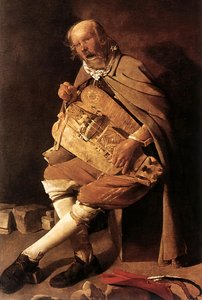
Old Woman
 Oil On Canvas
- WallArt
- Baroque
 1619
1619- Late Medieval
 60.0 x 91.0 cm
 Razviljaj več
Giclée tisk / Umetniški tisk
Giclée ali platnati odtis muzejske kakovosti z hitro proizvodnjo in prilagodljivimi možnostmi končne obdelave. ( Kupi ročno naslikano sliko Kupi digitalno sliko)




P118B $10

P118H $10

P118W $10

P438Z $10

P508JH $12

P508YH $12

P805H $10

P805Z $10

P919BZ $10

P919G $10

P919XJ $10

P959ZH $10

P968JZ $12

W106C $8

W218G $10

W218JH $8

W218Y $10

W307PJ $10

W316G $10

W316PJ $8

W316Y $10

W398PJ $8

W4111J $10

W500HY $15

W500JH $15

W692G $12

W849H $8

W940BG $15

W953PJ $8




Izberite eno od naših vnaprej določenih velikosti, ki ustrezajo prvotnim proporcijam umetničkega dela.

Svoje dimenzije lahko vnesete sami, da bodo ustrezne za določen okvir ali prostor. Če izbrana velikost ne bo skladna z razmerji izvirne slike, bomo umetniško delo orezali ali podaljšali s pomočjo ogledalnega odraza ali barvno polnega roba. Pred začetkom proizvodnje vam bomo poslali digitalni predogled za potrditev.
Upoštevajte, da predogled na zaslonu ne prikazuje dejanskega orezovanja ali podaljševanja. Le digitalni predogled bo natančno prikazal končno kompozicijo.
Čeprav so na voljo prilagojene velikosti, priporočamo izbiro dimenzije s predhodno določenega seznama, da ohranite prvotna razmerja.
Globalna dostava () v 2 tednih namesto standardnih 4/5 tednov. (21 avgust)

Brezplačna ekspresna dostava po vsem svetu

Visokokakovostno laneno platno

Popolno zavarovanje pošiljke

Garancija povračila carine in uvoznih davkov

Garancija popolnega ujemanja barv

60-dnevna politika vračanja (le v primeru napak)

Garancija 100% povračila denarja

Popust pri večjem naročilu
 Možnost stekla je na voljo le za velikosti pod 110 cm

Old Woman
Giclée tisk / Umetniški tisk
Velikost reprodukcije
-


Skupna končna cena
$ 80
Opis zbirateljskega predmeta
A Glimpse into 17th-Century Life: Georges de La Tour’s *Old Woman*
This captivating portrait by Georges de La Tour, painted in 1619, offers a poignant and dignified representation of an elderly woman dressed in the attire typical of Dutch burghers during the Baroque period. Measuring 60 x 91 cm, the painting is a masterclass in *chiaroscuro* – the dramatic interplay of light and shadow – that defines La Tour’s signature style.Style & Technique: A Baroque Master at Work
La Tour was deeply influenced by Caravaggio and the Utrecht Caravaggisti, adopting their tenebristic approach to painting. This is immediately evident in *Old Woman*, where a dark, neutral background serves to accentuate the figure and her clothing. The artist’s meticulous attention to detail is remarkable; every fold of fabric, every wrinkle on her face, is rendered with precision using oil paints on canvas. The technique creates a smooth surface, yet subtle brushstrokes hint at the artist's hand. Linear perspective enhances the sense of depth, drawing the viewer into the intimate space occupied by the subject.Subject & Symbolism: Beyond a Simple Portrait
The painting depicts an older woman, likely a member of the commoner class, presented with quiet dignity. Her clothing – a crisp white collar, a blue bodice, and a pink skirt – while simple, suggests a degree of social standing within her community. While seemingly straightforward, such portraits often carried symbolic weight. The subject’s age could represent wisdom or the passage of time, themes frequently explored in Baroque art. It's important to note that La Tour often depicted everyday people with a reverence typically reserved for nobility, elevating their status through his artistic skill.Historical Context: France in the Early 17th Century
Georges de La Tour (1593-1652) was a prominent French Baroque painter, born into a baker’s family in Vic-le-Comte. His career unfolded during a period of significant artistic change, as Caravaggio's influence spread across Europe. While details about his training remain somewhat elusive, it is believed he may have studied with Jacques Bellange. La Tour became renowned for his nocturnal scenes and realistic depictions of everyday life, setting him apart from many of his contemporaries.Emotional Impact & Aesthetic Appeal
*Old Woman* evokes a sense of quiet contemplation and respect. The warm color palette – dominated by earthy tones of browns, reds, pinks, and blues – creates a somber yet inviting mood. The dramatic lighting not only highlights the textures of her clothing and skin but also draws attention to her expressive face. This painting is more than just a portrait; it’s a window into the past, offering a glimpse into the lives and dignity of ordinary people in 17th-century France. For collectors and interior designers, this artwork provides a timeless piece that adds depth, sophistication, and historical resonance to any space. Like La Tour's *The Fortune Teller* and *Woman Catching a Flea*, it exemplifies his mastery of light, shadow, and human emotion.Further Exploration
- Explore other works by Georges de La Tour to appreciate the consistency of his style and thematic concerns.
- Consider how this painting relates to broader trends in Baroque portraiture.
- Investigate the social history of 17th-century France to gain a deeper understanding of the context in which this artwork was created.
Biografija umetnika
Georges de La Tour (1593-1652): French Baroque Master of Dramatic Chiaroscuro & Tenebrism
Georges de La Tour, a name that resonates with the hushed reverence reserved for masters of light and shadow, remains one of the most compelling figures of the French Baroque. Born in 1593 in Vic-sur-Seille, a small town nestled within the Duchy of Lorraine, his life unfolded against a backdrop of religious fervor and political upheaval. While details surrounding his early training remain somewhat elusive—scholars speculate about potential journeys to Italy or apprenticeships with local artists like Jacques Bellange—the seeds of his artistic vision were undoubtedly sown in this environment. He wasn’t born into an artistically established family; his father was a baker, yet the circumstances of his mother's lineage hint at a possible connection to nobility, a subtle influence perhaps reflected in the dignity and quiet grace that permeate his work.
Early Life & Artistic Influences
Georges de La Tour’s formative years were marked by the turbulent political landscape of Lorraine under Habsburg rule. Despite limited formal education—he reportedly received instruction from Jacques Bellange—his innate talent for drawing quickly emerged, demonstrating an exceptional sensitivity to observation and form. Crucially, he absorbed the artistic currents circulating throughout Europe during his youth, notably the dramatic innovations championed by Caravaggio in Rome. This encounter with Caravaggism profoundly shaped De La Tour’s aesthetic sensibilities, instilling him with a fascination for tenebrism—the technique of employing extreme contrasts between light and dark to heighten emotional impact.
The Utrecht School & Venetian Tradition
De La Tour's artistic development continued in Lunéville, where he served as court painter to the Dukes of Lorraine. Here, he honed his skills alongside fellow artists from the Utrecht School—Hendrick Terbrugghen and Johannes Vermeer—who embraced a similar approach to chiaroscuro, prioritizing psychological realism over idealized beauty. Simultaneously, De La Tour drew inspiration from Venetian painters like Tintoretto and Paolo Veronese, whose opulent compositions celebrated grandeur and theatrical spectacle. These influences blended seamlessly into his distinctive style, resulting in paintings that are both emotionally resonant and visually arresting.
Major Works & Recurring Themes
Georges de La Tour’s oeuvre is characterized by a remarkable consistency of vision—a preoccupation with religious subjects rendered with unparalleled subtlety and psychological depth. His most celebrated works include The Fortune-Teller, painted around 1630, which captures the eerie atmosphere of nocturnal divination with masterful lighting and expressive detail; Adoration of the Shepherds, created circa 1640, depicting a serene biblical scene imbued with profound spiritual contemplation; Saint Joseph Carpenter, completed in the mid-1650s, portraying a humble domestic tableau illuminated by candlelight—a poignant symbol of faith and domestic tranquility. These paintings aren’t merely depictions of sacred narratives; they are meditations on human experience—exploring themes of piety, humility, grief, and redemption.
Legacy & Enduring Appeal
Despite achieving recognition during his lifetime—he was appointed “Painter to the King” by Louis XIII in 1638—Georges de La Tour’s work remained largely obscure for centuries following his death in 1652. Rediscovery efforts spearheaded by scholars like Hermann Voss brought De La Tour back into focus, revealing an artist of extraordinary originality and innovation. His pioneering use of tenebrism—combined with his profound psychological insight—established him as a pivotal figure in the history of European art. Today, Georges de La Tour’s paintings continue to captivate audiences worldwide—testament to their timeless beauty and enduring relevance. They serve as reminders that true artistic greatness resides not in flamboyant display but in quiet contemplation—illuminating the human condition with the luminous grace of faith.

Žanikanje Svetega Petra
1593 - 1652 , Francija
Hitri podatki
- Artistic Movement Or Style: Tenebrism
- Artists Who Influenced This Artist:
- Caravaggio
- Hendrick Terbrugghen
- Date Of Birth: March 13, 1593
- Date Of Death: 1652
- Full Name: Georges de La Tour
- Nationality: Francoz
- Notable Artworks:
- The Fortune Teller
- Adoration of Shepherds
- Saint Joseph Carpenter
- Place Of Birth: Vic-le-Comte, France
Sorodni članki

Georges Braque: 25 Mojstrovinskih Del za Navdih v Vašem Domu | OriginalUniqueArt
Odkrijte 25 mojstrovinskih del Georgesa Braqueja – pionirja kubizma! Preberite zgodbe za vsako sliko, tehnike in navdih. Reprodukcije slik visoke kakovosti za vaš dom na OriginalUniqueArt.com.
Georges de La Tour: Luminosity, Spirituality & Realism in Baroque Painting
Discover the captivating world of Georges de La Tour, a Baroque master renowned for his dramatic chiaroscuro & spiritual realism. Explore key works, influences, and his remarkable rediscovery. Learn more at OriginalUniqueArt.

Demandes Commerciales
APS ofrece reproducciones de bellas artes y encargos personalizados desde 2004. Confían en nosotros corporaciones, hoteles y coleccionistas selectos para obras de arte de calidad museística, servicio discreto y soluciones artísticas completas. ¡Póngase en contacto con nosotros para obtener un presupuesto personalizado!

Georges Seurat: 25 Mojstrovin Pionirja Pointilizma za Vaš Dom | OriginalUniqueArt
Odkrijte 25 mojstrovin Georgesa Seurata, pionirja pointilizma! Preučite zgodbe za ikoničnimi slikami, kot sta 'Nedeljski dan na otoku La Grande Jatte' in 'Kopalci v Asnières'. Kvalitetne reprodukcije za vaš dom – OriginalUniqueArt.com.

Francisco Goya: 25 Mojstrovin Španskega Slikarja za Vaš Dom | OriginalUniqueArt
Odkrijte 25 mojstrovin Francisca Goye – od portretov do Črne serije. Preberite zgodbe za vsako sliko, tehnike in navdih. Kvalitetne reprodukcije slik za vaš dom na OriginalUniqueArt.com! Raziskajte celotno zbirko online.